Rome Budget Travel Guide 2026 – Complete Italy Travel Guide
Rome on a Shoestring: Your Ultimate Budget Travel Guide to the Eternal City
Rome. The very name conjures images of ancient gladiators, Renaissance masterpieces, romantic fountains, and delicious pasta. It's a city steeped in history, art, and vibrant culture, a place that captures the hearts of millions. However, many travelers often associate the Eternal City with hefty price tags – expensive hotels, pricey restaurant meals, and costly entrance fees. But what if we told you that experiencing the magic of Rome doesn't have to drain your bank account?
Welcome to your comprehensive guide to
budget travel in Rome. This article is your key to unlocking the city's wonders without breaking the bank. From finding affordable accommodation and savoring delicious, cheap eats to exploring countless free attractions and navigating the city like a local, we’ll show you how to experience the authentic Roman dolce vita on a shoestring budget. Get ready to discover that an unforgettable Roman adventure is truly within everyone's reach, proving that you don't need a king's ransom to live like a Roman emperor (at least for a few days!).
Unlocking Rome on a Shoestring: Getting There & Around
The first step to any budget trip is smart transportation. Getting to Rome affordably and then navigating its charming, often chaotic, streets without excessive spending is crucial.
Flying Smart: Finding Cheap Flights to Rome
Rome is served by two main airports: Leonardo da Vinci-Fiumicino Airport (FCO) and Ciampino Airport (CIA). FCO is the larger international hub, while CIA is primarily used by low-cost carriers.
- Be Flexible with Dates: This is the golden rule for cheap flights. Traveling during the shoulder seasons (April-May, September-October) or even the off-season (November-March, excluding holidays) can significantly cut costs. Mid-week flights are often cheaper than weekend ones.
- Book in Advance: Generally, booking 2-3 months out can yield better prices, though sometimes last-minute deals pop up.
- Use Flight Comparison Sites: Tools like Google Flights, Skyscanner, and Kayak allow you to compare prices across various airlines and often have "anywhere" or "flexible date" search options to find the cheapest windows.
- Consider Low-Cost Carriers: Airlines like Ryanair, Wizz Air, and EasyJet frequently fly into Ciampino Airport (CIA) from various European cities, offering incredibly cheap fares if you pack light and book ahead.
Navigating Rome's Public Transport System
Once you arrive, Rome's public transport system (ATAC) is your budget-friendly friend. It consists of buses, trams, and a metro system.
- From Fiumicino Airport (FCO):
- Leonardo Express: A direct train to Termini Station (Rome's main transport hub), costing around €14. Fast and reliable, but not the cheapest option.
- FL1 Regional Train: Cheaper than the Leonardo Express (€8), but doesn't go to Termini. It stops at Tiburtina, Ostiense, and Trastevere stations, which might require a transfer.
- Airport Buses: Several companies (Terravision, SIT Bus Shuttle, TAM Bus) offer direct services from FCO to Termini Station for around €6-€7. This is often the best budget choice.
- From Ciampino Airport (CIA):
- Airport Buses: Similar to FCO, several companies offer direct routes to Termini Station for €6-€7.
- Bus + Metro: You can take a local ATAC bus (route 520 or 720) to the Anagnina metro station and then take the metro into the city center. This is the cheapest option, costing a standard ATAC ticket plus the bus fare.
- Metro: Rome has three metro lines (A, B, C), which are efficient for covering longer distances, especially to major sites like the Colosseum (Colosseo stop) or Vatican City (Ottaviano/Cipro stop).
- Buses & Trams: Extensive networks that reach almost every corner of the city. While often slower due to traffic, they offer a great way to see the city as you travel.
- Tickets: A single BIT ticket costs €1.50 and is valid for 100 minutes, allowing transfers between different public transport lines (but only one metro ride). You can buy 24-hour (€7), 48-hour (€12.50), 72-hour (€18), or weekly (€24) passes, which can be excellent value if you plan to use public transport frequently. Tickets must be validated upon entry to the metro or bus. Failure to do so can result in hefty fines. Purchase tickets at metro stations, tabaccherie (tobacco shops), or newsstands.
- Walk Everywhere: Rome is an incredibly walkable city, and often the best way to discover its hidden gems is on foot. Embrace walking; it's free, healthy, and offers incredible photo opportunities around every corner.
Where to Stay Without Breaking the Bank: Budget Accommodation in Rome
Accommodation will likely be one of your biggest expenses, but with smart planning, you can find comfortable and affordable places to rest your head.
Hostels: The Social & Affordable Option
Hostels in Rome offer dormitory beds at significantly lower prices than hotels, often including free breakfast and social events. Many also have private rooms if you prefer more privacy but still want the hostel vibe.
- Popular Areas: Look for hostels near Termini Station for excellent transport links (e.g., The Yellow, Generator Rome), or in more lively areas like San Lorenzo or Trastevere for a local feel.
- Booking Tips: Book well in advance, especially during peak season. Read reviews carefully for cleanliness, security, and atmosphere. Websites like Hostelworld and Booking.com are great resources.
Guesthouses & B&Bs: Local Charm on a Budget
Rome has a plethora of independently run guesthouses (affittacamere) and bed & breakfasts. These often provide a more personal touch, a comfortable room, and sometimes breakfast, at a price point below traditional hotels.
- Neighborhoods to Consider:
- Esquilino/San Lorenzo: Close to Termini, often more affordable, vibrant multicultural neighborhoods.
- Pigneto: An up-and-coming, trendy neighborhood with a lively evening scene and good transport links, popular with students and artists.
- Prati/Vatican Area: Can be a good option if you find a deal, especially outside the immediate tourist hotspots.
- Testaccio/Ostiense: Authentic Roman neighborhoods known for their food scene, well-connected by metro and bus.
- Search Engines: Use Booking.com, Expedia, and Airbnb to find these hidden gems. Filter by price and read guest reviews.
Apartment Rentals: Your Home Away From Home
For longer stays or if you're traveling as a small group, renting an apartment through platforms like Airbnb or HomeAway can be very cost-effective. Having a kitchen allows you to cook some of your meals, saving a significant amount on dining out.
- Benefits: Space, privacy, kitchen facilities, laundry options.
- Things to Note: Factor in cleaning fees and service charges. Always confirm the exact location and read reviews about the host and property carefully.
General Accommodation Tip: Avoid staying directly in the hyper-touristy areas (e.g., near the Pantheon, Spanish Steps) if budget is your priority, as prices will be inflated. Look for places a little further out but with good metro or bus connections.
Savoring Rome on a Dime: Eating Like a Local, Spending Like a Budget Traveler
Eating well is non-negotiable in Rome, and thankfully, it doesn't have to break your budget. The city is a paradise for budget gourmands.
Street Food Delights: Pizza al Taglio, Supplí, and More
Rome's street food scene is a lifesaver for budget travelers and a delicious cultural experience.
- Pizza al Taglio (Pizza by the Slice): Found in bakeries (forni) and dedicated pizza shops. Choose from a vast array of toppings, pay by weight, and enjoy a quick, cheap, and utterly delicious meal.
- Supplí: Fried rice balls, typically filled with tomato sauce, rice, and a melting piece of mozzarella. A Roman classic, perfect for a snack, usually €1-€2 each.
- Trapizzino: A modern Roman invention – a triangular pocket of pizza bread filled with classic Roman stewed dishes like oxtail or meatballs. Around €3-€4.
- Panini: Filled with local cured meats, cheeses, and vegetables. A fresh panini from a local deli (salumeria) makes for a fantastic and inexpensive lunch.
- Gelato: While not a meal, a scoop of authentic gelato is essential. Look for "gelateria artigianale" (artisan gelato) signs, which indicate natural ingredients and no artificial flavors. Prices are usually €2-€4 for a small cone.
Mercato Magic: Fresh & Cheap Eats at Local Markets
Rome's vibrant local markets are not just places to buy groceries; they are sensory feasts and fantastic spots for budget eating.
- Mercato di Testaccio: Famous for its incredible food stalls, offering everything from gourmet sandwiches to pasta, fried foods, and fresh produce. You can assemble a fantastic, cheap lunch here.
- Campo de' Fiori: While a bit more touristy, the market is still a great place to pick up fresh fruit, vegetables, and local delicacies.
- Mercato Trionfale (near the Vatican): One of Rome's largest markets, offering a huge variety of fresh produce, cheeses, meats, and prepared foods at local prices.
Supermarket Savvy: Picnic Perfection
Don't underestimate the power of a local supermarket (supermercato) or grocery store (alimentari). Stock up on essentials:
- Breakfast: Yogurt, fruit, pastries, coffee.
- Lunch: Bread, cured meats (prosciutto, salame), local cheeses (pecorino romano), olives, sun-dried tomatoes, fresh fruit. Create your own delicious Roman picnic to enjoy in a park or by a fountain.
- Snacks & Drinks: Water, juice, local beer or wine for an evening in.
Aperitivo Culture: Drinks with Free Bites
Embrace the Italian aperitivo! Many bars, especially in trendy neighborhoods like Trastevere, Pigneto, or Monti, offer a complimentary buffet of snacks (olives, crisps, small pizzas, pasta salads) with the purchase of a drink (usually a Spritz or wine). While the drink might be €7-€10, the accompanying food can easily substitute for a light dinner.
Water Wisdom: Stay Hydrated for Free
Rome is famous for its "nasoni" – public drinking fountains providing fresh, cold, potable water. Carry a reusable water bottle and refill it constantly. Not only is this environmentally friendly, but it saves you a considerable amount on bottled water, especially during the hot summer months.
Dining Out Tips:
- Look for "Menu Turistico": Some restaurants offer a fixed-price tourist menu, which can be a good value.
- Avoid Restaurants with "Coperto": This is a cover charge or bread charge. While common, budget travelers can avoid it by choosing places that don't charge it, or by opting for places where you stand at the bar (like a coffee bar).
- Stand at the Bar for Coffee: Ordering coffee at the bar (al banco) is always cheaper than sitting at a table (al tavolo).
- Eat at Trattorias and Pizzerias: These are typically more affordable and offer authentic Roman cuisine compared to fancy ristorantes. Look for places packed with locals – that's usually a good sign!
Eternal City, Endless Freebies: Must-See Sights on a Budget
Rome is an open-air museum, and many of its most iconic and breathtaking attractions are absolutely free to experience.
Marvel at the Pantheon (Free!)
Step inside one of the best-preserved ancient Roman buildings. This former temple, now a church, boasts an awe-inspiring dome with a central oculus open to the sky. It's an incredible feat of engineering and architecture, and thankfully, entrance is free.
Toss a Coin in the Trevi Fountain
An iconic symbol of Rome, the Trevi Fountain is a baroque masterpiece. Legend has it that if you throw one coin over your shoulder into the fountain, you'll return to Rome. A second coin means a new romance, and a third, marriage. It's free to visit, soak in the atmosphere, and make a wish.
Climb the Spanish Steps
Connecting the Piazza di Spagna with the Trinità dei Monti church, the Spanish Steps offer fantastic views and a lively spot for people-watching. It's a grand public space, free to ascend and descend as many times as you like.
Wander Through Villa Borghese Gardens
Rome's third-largest public park is a magnificent green oasis perfect for a leisurely stroll, a picnic, or simply escaping the urban bustle. Explore its lakes, sculptures, and panoramic viewpoints. The park itself is free, though the Borghese Gallery & Museum inside requires a paid, pre-booked ticket.
Explore Trastevere's Charming Alleys
Cross the Tiber River into Trastevere, a picturesque medieval neighborhood. Its narrow cobblestone streets, ivy-clad buildings, and bustling piazzas are delightful to explore on foot. Window shop, admire the architecture, and soak in the bohemian atmosphere. While restaurants and bars here can be pricey, the experience of simply wandering is priceless.
Walk the Appian Way and Catacombs (Exterior)
Rent a bike (or take a bus) to the ancient Appian Way (Via Appia Antica), one of the earliest and most strategically important Roman roads. While visiting the catacombs usually requires an entrance fee and tour, you can walk or cycle along sections of the ancient road for free, admiring the ruins and cypress trees that line it.
St. Peter's Basilica (Mostly Free)
While located in Vatican City (an independent city-state within Rome), St. Peter's Basilica is accessible without an entrance fee. Marvel at Michelangelo's Pietà and the grandeur of the largest church in the world. Be aware of security lines, and remember to dress modestly (covered shoulders and knees). Climbing the dome has a fee, but the basilica itself is free.
Window Shop and Soak in the Atmosphere
Simply strolling through Rome's historic center, admiring the architecture, the vibrant street life, and the countless small details that make Rome unique, is an attraction in itself. From the elegant Via del Corso to the artisan workshops in areas like Monti, there's always something to see.
Low-Cost Attractions & Tips:
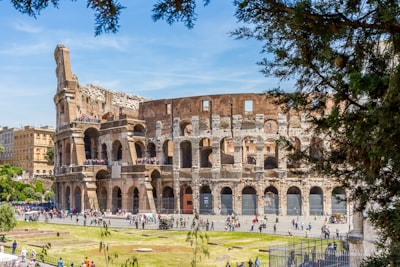
- Colosseum & Roman Forum: These iconic sites do have entrance fees, but you can see much of the Roman Forum and Palatine Hill from various vantage points around the perimeter for free. For the Colosseum, consider purchasing a combined ticket for both sites to save money, and book online in advance to avoid long queues.
- Rome City Pass (Roma Pass/Omnia Card): Analyze these carefully for a budget trip. They can save money if you plan to visit many paid attractions and use public transport extensively, but if your focus is on free sights, they might not be worth the investment. Calculate your potential savings based on your specific itinerary.
- Free Museum Days: On the first Sunday of every month, many state museums and archaeological sites (including the Colosseum and Roman Forum) offer free entry. Be warned: they will be incredibly crowded. Check the official MiBAC website for participating sites.
Crafting Your Budget Rome Itinerary: A Sample 3-Day Plan
Here’s a suggestion for how you can structure a memorable and budget-friendly 3-day trip to Rome.
Day 1: Ancient Wonders & Evening Strolls
- Morning (Free/Low Cost): Start at the Colosseum (view from outside for free, or pay for entrance if it's a priority and pre-booked). Then, walk around the Roman Forum and Palatine Hill, observing the ruins from the surrounding streets (Via dei Fori Imperiali offers excellent views).
- Lunch (Budget): Grab a slice of pizza al taglio or a panini from a local bakery/deli.
- Afternoon (Free): Wander to the Pantheon and marvel at its ancient architecture. Then, make your way to the Trevi Fountain for the iconic coin toss.
- Evening (Free/Budget): Stroll through the charming Monti neighborhood, known for its artisan shops and bohemian vibe. Find a local trattoria for a reasonably priced pasta dinner, or opt for an aperitivo if you're looking to save more.
Day 2: Vatican City & Trastevere Charm
- Morning (Free/Low Cost): Head to Vatican City. Enter St. Peter's Basilica (free, dress code enforced). Explore St. Peter's Square. (If the Vatican Museums and Sistine Chapel are a priority, book tickets *far* in advance and budget for them; otherwise, skip to save money).
- Lunch (Budget): Explore the Mercato Trionfale near the Vatican for fresh, cheap eats.
- Afternoon (Free): Cross the Ponte Sisto into Trastevere. Spend the afternoon getting lost in its picturesque cobblestone alleys, admiring the basilicas of Santa Maria in Trastevere and Santa Cecilia in Trastevere (free entry).
- Evening (Budget): Enjoy a lively, authentic Roman dinner in Trastevere. Many pizzerias and trattorias offer good value, especially if you venture slightly off the main squares.
Day 3: Art, Parks & Hidden Gems
- Morning (Free): Start your day by climbing the Spanish Steps and enjoying the views. Then, make your way to the beautiful Villa Borghese Gardens. Rent a rowboat on the lake, take a leisurely stroll, or find a spot for a picnic breakfast/lunch.
- Lunch (Budget): Picnic in Villa Borghese with supplies from a local supermarket.
- Afternoon (Free/Low Cost): Explore a less touristy but equally fascinating neighborhood like Testaccio. Wander through the Mercato di Testaccio for some last-minute street food or food souvenirs. Visit the Pyramid of Cestius (exterior views are free).
- Evening (Budget): Consider a budget-friendly cooking class if you want to learn to make pasta or pizza (many offer good value) or enjoy a final cheap Roman meal at a local eatery in Testaccio or Pigneto, experiencing true Roman local life.
Top Money-Saving Tips for Rome
Beyond specific categories, here are general strategies to keep your budget in check:
1. Travel Off-Peak or Shoulder Season
Avoid July and August (high prices, intense heat, huge crowds) and major holidays like Easter and Christmas. Spring (April-May) and Fall (September-October) offer pleasant weather and slightly lower prices. Winter (November-March, excluding Christmas/New Year) is the cheapest time to visit, with fewer crowds and unique charm, though some attractions might have reduced hours.
2. Walk Everywhere You Can
Rome is a city best explored on foot. Not only is it free, but it allows you to stumble upon hidden piazzas, charming alleys, and local life that you'd miss on public transport. Wear comfortable shoes!
3. Pre-book Tickets Strategically
For popular paid attractions like the Colosseum, Vatican Museums, or Borghese Gallery, booking online in advance not only saves you time by skipping lines but can sometimes offer a small discount. Always compare prices from official websites versus third-party vendors.
4. Learn Basic Italian Phrases
A simple "Ciao," "Grazie," "Per favore," and "Scusi" goes a long way. Showing effort to speak the local language is appreciated and can sometimes lead to better service or even a local tip.
5. Use Free Wi-Fi Sparingly
While many cafes, restaurants, and public spaces offer free Wi-Fi, rely on it only when necessary to save phone battery and data. Download offline maps (Google Maps allows this) before you go.
6. Student/Youth Discounts
If you're a student, always carry your student ID (ISIC card is best) as many museums and attractions offer reduced entry fees.
7. Avoid Rip-Offs
Be wary of street vendors pushing excessive trinkets, especially around major tourist sites. Always agree on a price before getting into a taxi (or better yet, use public transport or walk). Be vigilant against pickpockets, particularly in crowded areas.
Best Time to Visit Rome for Budget Travelers
As mentioned, the
shoulder seasons (April-May, September-October) generally offer the best balance of pleasant weather and manageable prices/crowds. You'll avoid the scorching summer heat and peak season rates.
Winter (November-March, excluding the Christmas/New Year period) is arguably the
best time for strict budget travelers. Accommodation and flight prices hit their lowest, attractions are less crowded, and while it can be chilly and rainy, the city has a unique, cozy charm. You'll save significantly on everything from flights to accommodation.
Staying Safe in Rome
Rome is generally a safe city, but like any major tourist destination, it has its share of petty crime, primarily pickpocketing.
- Be Vigilant in Crowded Areas: The Colosseum, Roman Forum, Trevi Fountain, Spanish Steps, and public transport (especially buses and the metro) are prime spots for pickpockets.
- Secure Your Belongings: Use a cross-body bag or a money belt. Keep valuables in front pockets or zipped compartments.
- Avoid Flashing Valuables: Try not to display expensive cameras, jewelry, or large wads of cash unnecessarily.
- Be Aware of Scams: Be cautious of individuals offering "help" with tickets, posing for photos, or trying to sell you roses or trinkets aggressively. Politely decline and move on.
- Emergency Numbers: Dial 112 for all emergencies in Italy.
FAQ: Your Budget Rome Travel Questions Answered
### Is Rome expensive for tourists?
Rome *can* be expensive, especially if you opt for luxury hotels, fine dining, and numerous paid tours. However, as this guide demonstrates, it's entirely possible to experience Rome on a budget by making smart choices about accommodation, food, transportation, and prioritizing free attractions.
### How much money do I need per day in Rome on a budget?
A reasonable budget for a solo traveler in Rome on a shoestring could be
€40-€70 per day. This would cover a hostel bed, street food/supermarket meals, public transport, and mostly free activities. If you factor in a few paid attractions or an occasional sit-down meal, aim for
€70-€100+. This excludes flights and major paid tours.
### What are the best free things to do in Rome?
Some of the top free attractions include visiting the Pantheon, tossing a coin in the Trevi Fountain, climbing the Spanish Steps, exploring Villa Borghese Gardens, wandering through Trastevere, and entering St. Peter's Basilica. Many iconic landmarks can also be admired from the outside without a fee.
### How can I save money on food in Rome?
Focus on street food (pizza al taglio, supplí, panini), shop at local markets and supermarkets for picnic supplies, take advantage of the aperitivo culture (drink + free snacks), and refill your water bottle at public fountains. When dining out, choose trattorias or pizzerias over fancy restaurants and avoid places with a "coperto" (cover charge) if possible.
### Is public transport good in Rome for budget travelers?
Yes, Rome's public transport system (buses, trams, metro) is a budget traveler's friend. A single ticket costs €1.50, and multi-day passes offer even better value. It's efficient for covering longer distances, but walking is often the best way to explore the city's charm.
### Can you drink tap water in Rome?
Absolutely! Rome is famous for its "nasoni" (public drinking fountains) that provide fresh, clean, and delicious drinking water. Carry a reusable water bottle and fill up for free throughout the city.
### Should I buy a Rome Pass or Omnia Card on a budget trip?
For a strict budget trip focused on free activities, probably not. These passes are designed for travelers who plan to visit many paid attractions and use public transport extensively. Do the math: calculate the cost of individual tickets for the specific attractions you *really* want to see, plus your estimated transport costs, and compare that to the pass price. Often, for budget travelers, individual tickets are cheaper.
### What's the cheapest way to get from Fiumicino Airport (FCO) to central Rome?
The cheapest way is typically one of the airport bus services (Terravision, SIT Bus Shuttle, TAM Bus) which offer direct routes to Termini Station for around €6-€7.
### What are some affordable neighborhoods to stay in Rome?
Neighborhoods like Esquilino, San Lorenzo, Pigneto, Testaccio, or parts of Prati (further from the Vatican) often offer better value for accommodation compared to the super central, tourist-heavy areas. They also tend to have more authentic, budget-friendly dining options.
Embrace the Roman Adventure on a Budget!
Rome is a city that enchants all who visit, regardless of their budget. By following these tips and embracing the spirit of resourceful travel, you'll discover that some of the most authentic and memorable Roman experiences are often the cheapest – from savoring a simple, perfect slice of pizza on the street to getting lost in the city's ancient alleys.
So, pack your bags, lace up your comfortable walking shoes, and prepare to fall in love with the Eternal City without emptying your pockets. Your unforgettable, budget-friendly Roman adventure awaits! Buon viaggio!