Seoul Budget Travel Guide 2026 – Complete South Korea Travel Guide
Seoul on a Shoestring: Your Ultimate Budget Travel Guide to South Korea's Vibrant Capital
Dreaming of exploring the futuristic yet deeply traditional streets of Seoul, South Korea, but worried about breaking the bank? Think again! Seoul, a city often perceived as expensive, is a treasure trove of incredible experiences that can be enjoyed without draining your wallet. From ancient palaces and bustling markets to K-pop culture and serene parks, this dynamic metropolis offers an astonishing array of budget-friendly options for savvy travelers.
This comprehensive guide is your passport to unlocking the best of Seoul on a shoestring budget. We'll show you how to navigate affordable flights and accommodation, eat like a local for less, conquer the city's efficient public transport, and discover countless free or low-cost attractions. Get ready to immerse yourself in the heart of South Korea, proving that an unforgettable Seoul adventure doesn't require a millionaire's budget – just a smart traveler's mindset!
Cracking the Code: How to Master Budget Travel in Seoul
The foundation of any successful budget trip lies in smart planning and informed choices. Here's how to lay the groundwork for an affordable adventure in Seoul.
Flights: Smart Strategies for Affordable Airfare
Your flight to Seoul will likely be one of your biggest expenses, but with a few tricks, you can significantly cut costs:
- Be Flexible with Dates: Flights are usually cheaper during the off-peak seasons (late fall/early winter, excluding holidays, or late spring). Flying mid-week instead of weekends can also save you money.
- Book in Advance (but not too far): Generally, booking 2-4 months ahead offers the best deals. Too early or too late can lead to higher prices.
- Use Flight Comparison Sites: Utilize platforms like Google Flights, Skyscanner, Kayak, and Momondo. Set up price alerts to be notified when fares drop for your desired dates.
- Consider Layovers: Direct flights are convenient but often pricier. A flight with one or two layovers can sometimes be substantially cheaper.
- Fly into Incheon (ICN) or Gimpo (GMP): While Incheon is the main international hub, sometimes connecting flights through other Asian cities to Gimpo (which primarily handles domestic and some regional flights) can be cheaper, or consider budget airlines that fly to either.
Accommodation: Your Budget-Friendly Home Away From Home
Seoul offers a wide range of accommodation options that cater to budget travelers, moving far beyond just luxury hotels.
- Hostels & Guesthouses: These are the quintessential budget traveler's choice. Seoul boasts an excellent network of clean, modern, and often very stylish hostels, particularly in popular areas like Hongdae, Myeongdong, Insadong, and Itaewon.
- Pros: Very affordable dorm beds, private rooms often cheaper than hotels, common areas for socializing, helpful staff, often include free breakfast.
- Cons: Less privacy in dorms, shared bathrooms.
- Tips: Read reviews carefully, look for places near subway stations, check if breakfast is included.
- Goshiwons & Koshitels: Unique to Korea, Goshiwons were traditionally small rooms for students studying for exams. Koshitels are a slightly upgraded version.
- Pros: Extremely cheap for longer stays (weekly/monthly), often include basic amenities like a desk, bed, and shared kitchen/bathroom. Some have private bathrooms.
- Cons: Very small rooms, can feel isolating, less tourist-oriented, may require a minimum stay.
- Tips: Best for solo travelers on extended stays, book in advance as they fill up quickly.
- Airbnb & Local Stays: While not always the cheapest, Airbnb can offer good value, especially if you're traveling with a group and can split the cost of an apartment. Look for "private room" options if you're solo for better deals.
- Pros: More space, kitchen facilities for self-catering, experience local neighborhoods.
- Cons: Can be more expensive than hostels, less interaction with staff for local tips.
- Tips: Book early for the best selection and prices, check for cleaning fees.
- Temple Stays: For a truly unique and spiritual experience, consider a temple stay. While not strictly "budget" for a single night, the cost often includes accommodation, meals (vegetarian), and participation in temple activities like meditation and tea ceremonies, offering immense value.
- Pros: Immersive cultural experience, peaceful environment, all-inclusive.
- Cons: Requires adherence to temple rules, not suitable for everyone.
- Tips: Book well in advance, especially during peak seasons.
Getting Around: Navigating Seoul Like a Local (and for Less!)
Seoul's public transportation system is world-class, incredibly efficient, clean, and best of all, incredibly affordable. It's your number one tool for budget travel.
- The Mighty Subway & Bus System:
- Subway: The Seoul Metropolitan Subway is extensive, easy to navigate (signs are in Korean and English, often with Chinese and Japanese), and covers virtually every corner of the city. A single ride typically costs around 1,250 KRW (approx. $1 USD) with a T-Money card.
- Buses: The bus network is even more comprehensive, reaching areas the subway doesn't. Buses are color-coded (blue for main routes, green for local, red for express, yellow for circular city routes). They can be slightly more challenging to navigate without basic Korean but Google Maps and Naver Map are excellent resources.
- Transfers: One of the best budget features is free transfers between subway lines and buses within a certain timeframe (usually 30 minutes, 1 hour during late-night hours).
- T-Money Card: Your Best Friend:
- Purchase: Buy a T-Money card at any convenience store (GS25, CU, 7-Eleven, etc.) or subway station for about 2,500-4,000 KRW.
- Top-Up: Load it with cash at subway stations or convenience stores.
- Benefits: Saves you 100 KRW per ride compared to single-use tickets, allows for free transfers, can be used to pay for taxis, convenience store purchases, and even some vending machines. It's incredibly convenient.
- Airport Transfers: Incheon (ICN) & Gimpo (GMP):
- AREX (Airport Railroad Express): The most cost-effective way to get from Incheon Airport to Seoul is via AREX. The All Stop Train (commuter train) is cheaper than the Express Train (non-stop to Seoul Station) and only takes a few minutes longer. The Express Train is around 9,500 KRW, while the All Stop Train is closer to 4,150 KRW with a T-Money card from ICN T1 to Seoul Station.
- Limousine Buses: While comfortable, these are more expensive (10,000-18,000 KRW) and can get stuck in traffic. Stick to AREX for budget travel.
- Gimpo Airport: Served by subway lines, making it even easier and cheaper to reach the city center.
Feasting for Frugal Travelers: Delicious Eats Without the Debt
Korean food is not only incredibly delicious but can also be surprisingly affordable. Eating like a local is key to saving money.
- Street Food Galore: This is your budget food paradise. Seoul's street food scene is legendary, offering everything from tteokbokki (spicy rice cakes) and odeng (fish cakes on skewers) to gyeranppang (egg bread) and hotteok (sweet pancakes). Prices usually range from 1,000 KRW to 5,000 KRW per item. Myeongdong, Gwangjang Market, and Namdaemun Market are prime spots.
- Local Markets & Supermarkets:
- Traditional Markets: Gwangjang Market, Namdaemun Market, Tongin Market – not only offer incredible street food but also a chance to buy fresh produce, kimchi, and other ingredients if your accommodation has a kitchen. You can find whole meals for 5,000-10,000 KRW.
- Supermarkets: Large supermarkets like E-Mart, Lotte Mart, or Homeplus are great for buying snacks, drinks, and even ready-to-eat meals at lower prices than convenience stores.
- Convenience Store Creations: Korean convenience stores (CU, GS25, 7-Eleven, E-Mart24) are an experience in themselves. They offer a fantastic selection of cheap eats:
- Ramen & Cup Noodles: Countless varieties, often with hot water dispensers available for free.
- Gimbap (Korean Rice Rolls): Freshly made rolls, similar to sushi but distinctly Korean, perfect for a quick, cheap meal.
- Instant Meals: Bento boxes, triangular gimbap, sandwiches, and even microwaveable Korean dishes.
- Coffee & Snacks: Cheaper than cafes.
- "Eat-in" Areas: Many convenience stores have small tables and chairs, sometimes even microwaves, so you can enjoy your meal on the spot.
- Kimbap Heaven & Kimchi Stew (Gimbap Cheonguk): Look for small, local eateries often named "Gimbap Cheonguk" (Kimbap Heaven) or similar. These are casual, no-frills restaurants serving classic Korean dishes like kimbap, bibimbap, ramyeon, and kimchi jjigae (kimchi stew) for very reasonable prices (usually 4,000-8,000 KRW per dish). They are abundant and offer fantastic value.
- Free Water & BYOB: Most restaurants will offer free water. Carry a reusable water bottle and refill it at public fountains or your accommodation. Alcohol can be expensive; consider buying soju or makgeolli from convenience stores if you want to enjoy a drink.
Free & Frugal Fun: Unlocking Seoul's Best Budget Attractions
Seoul is packed with incredible sights and experiences that cost little to nothing. This is where your budget really stretches!
Step Back in Time: Historic Seoul on a Shoestring
Immerse yourself in Korea's rich history without spending a fortune.
- Grand Palaces: Gyeongbokgung, Changdeokgung, Deoksugung, Changgyeonggung, Gyeonghuigung:
- Gyeongbokgung Palace: The largest and most iconic of the "Five Grand Palaces." Entry is a modest 3,000 KRW.
- Free Entry Days: If you visit on the last Wednesday of every month (Culture Day), many palaces offer free admission. Check official websites for specifics.
- Free Hanbok Rental: Wear a traditional Hanbok (Korean traditional dress), and entry to all palaces is free! Many rental shops are located around Gyeongbokgung, with prices starting from 15,000-25,000 KRW for a few hours. Split among a group, this can be a fun and budget-friendly way to experience the palaces and take stunning photos.
- Changing of the Royal Guard Ceremony: Witness this colorful and historic ceremony at Gyeongbokgung (Heungnyemun Gate) and Deoksugung (Daehanmun Gate) for free. Check schedules as they vary.
- Bukchon Hanok Village: Traditional Beauty for Free:
- Wander through this charming traditional Korean village nestled between Gyeongbokgung and Changdeokgung Palaces. It's a living neighborhood with beautifully preserved Hanok houses. It costs nothing to explore, offering fantastic photo opportunities and a glimpse into Seoul's past.
- Tip: Be respectful as people live here.
- Insadong: Culture & Window Shopping:
- This vibrant neighborhood is a hub for traditional Korean culture, art, and crafts. Stroll along the main street, browse artisan shops, and watch street performers. Window shopping is free, and you can find affordable souvenirs like traditional teas, stationery, and small crafts.
- Cheonggyecheon Stream: An Urban Oasis:
- A beautifully restored 10.8 km public recreation space running through downtown Seoul. It's completely free to walk along, offering a peaceful escape from the bustling city. Look for art installations and small waterfalls.
- Namsan Park & Seoul Tower (Walk Up for Free Views):
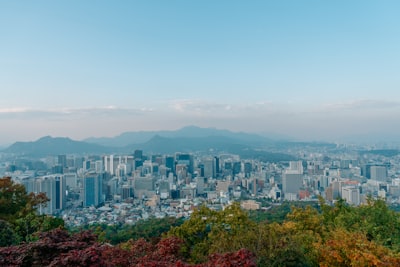
- Namsan Park: The largest park in Seoul, offering stunning walking trails and panoramic views.
- N Seoul Tower: While going up the tower costs money (around 16,000 KRW), you can enjoy fantastic views of the city from the base of the tower and Namsan Park itself, all for free. The walk up the mountain is invigorating and a great way to save money on the cable car (though the cable car ride itself offers nice views, it's about 11,000 KRW round trip).
Modern Marvels & Urban Escapes That Won't Break the Bank
Experience contemporary Seoul's energy and innovation without overspending.
- Hongdae: Indie Culture & Street Performances:
- This lively district, centered around Hongik University, is a hub of youth culture, art, music, and fashion. It's famous for its vibrant street performances – K-pop dance covers, indie musicians, magicians – which are entirely free to enjoy. Grab a cheap coffee or street food and soak in the atmosphere.
- Gangnam's Hidden Gems: Starfield Library, COEX (Select Areas):
- While Gangnam is known for its upscale image, you can still experience parts of it on a budget.
- Starfield Library: Located within COEX Mall, this architectural marvel is a giant, open library with towering bookshelves. It's completely free to enter, sit, read, and take photos.
- COEX Mall: Window shop, enjoy the free Wi-Fi, and explore the public areas without needing to spend.
- K-Star Road (Cheongdam-dong): Walk along this street to see the "GangnamDol" art toys dedicated to famous K-pop groups. It's a fun, free photo op for K-pop fans.
- Itaewon: Global Vibes (Window Shopping):
- Known for its international atmosphere, diverse restaurants, and unique shops. While dining and shopping can be pricey, it's free to wander, soak in the diverse culture, and people-watch.
- Dongdaemun Design Plaza (DDP) & History & Culture Park:
- The DDP is an iconic, futuristic landmark designed by Zaha Hadid. It's free to explore its stunning exterior and interior public spaces. The surrounding Dongdaemun History & Culture Park is also free and offers a peaceful green space with historical remnants.
- DDP LED Rose Garden (seasonal): Check if the stunning LED rose garden is illuminated during your visit – it's a magical free attraction at night.
Nature's Embrace: Green Spaces & Panoramic Views
Escape the urban jungle and connect with nature, often for free.
- Seoul Forest: The City's Green Lung:
- A massive urban park offering walking paths, deer park, insect garden, and beautiful flower displays. It's a perfect spot for a free picnic, a leisurely stroll, or just relaxing amidst nature.
- Han River Parks: Picnics & Relaxation:
- The Han River, which bisects Seoul, is lined with numerous parks. Yeouido Hangang Park, Banpo Hangang Park, and Ttukseom Hangang Park are popular choices. You can walk, cycle (bike rentals available for a fee, but walking is free!), picnic, and enjoy the city skyline.
- Banpo Bridge Rainbow Fountain (seasonal): Watch the spectacular water and light show for free at Banpo Bridge. Check schedules.
- Bukhansan National Park: Epic Hikes (Free Entry!):
- Just a short subway ride from the city center, Bukhansan offers incredible hiking trails, stunning mountain scenery, and panoramic views of Seoul. Entry to the park is completely free. Trails range from easy walks to challenging climbs.
- Tips: Wear appropriate footwear, bring water, and check weather conditions.
Dive Deep into Culture & Art (Often Free!)
Seoul's cultural institutions offer rich experiences without a high price tag.
- National Museum of Korea: A Treasure Trove:
- One of the largest museums in Asia, featuring extensive collections covering Korean history, art, and archaeology. General admission to the permanent exhibitions is absolutely free. Special exhibitions may have a fee.
- War Memorial of Korea: Reflective & Educational:
- A massive and impressive museum dedicated to the Korean War and Korea's military history. Entry to the permanent exhibitions is free. It's a poignant and informative experience.
- Street Art & Murals: Vibrant Neighborhoods:
- Explore neighborhoods like Ihwa Mural Village (near Naksan Park) or some alleyways in Hongdae or Seongsu-dong for vibrant street art, colorful murals, and unique photo opportunities – all for free.
- University Campuses: Beautiful Architecture & Youthful Energy:
- Wander through the campuses of Seoul's prestigious universities like Ewha Womans University (known for its stunning ECC building by Dominique Perrault) or Yonsei University. They boast beautiful architecture, tranquil green spaces, and a lively student atmosphere, offering a free glimpse into Korean academic life.
Smart Strategies: Essential Tips for Your Seoul Budget Adventure
Beyond attractions and food, these practical tips will help you stretch your won further.
Connectivity: SIM Card vs. Wi-Fi Egg
Staying connected is essential for navigation and communication, and you have budget-friendly options:
- eSIM (Prepaid): Often the most convenient option if your phone supports it. Purchase online before you travel, and activate upon arrival. Many providers offer affordable data-only plans.
- Prepaid SIM Card: Available at convenience stores or airport kiosks. Affordable data plans are common.
- Portable Wi-Fi Egg (Pocket Wi-Fi): Rent one at the airport or online. Good for groups as multiple devices can connect, but one person has to carry it, and it needs charging. Often more expensive than individual SIMs/eSIMs.
- Free Wi-Fi: Take advantage of free public Wi-Fi available at subway stations, cafes, major tourist attractions, and most convenience stores.
Shopping Wisely: Daiso & Underground Malls
- Daiso: Korea's version of a dollar store (though items usually cost 1,000-5,000 KRW). It's a fantastic place for affordable souvenirs, travel essentials, snacks, and quirky Korean household items. There are multiple branches across Seoul.
- Underground Shopping Malls: Located under major subway stations (e.g., Gangnam, Express Bus Terminal), these malls offer trendy clothing, accessories, and cosmetics at very affordable prices. Perfect for finding cheap fashion.
Embrace Walking: Discover More, Spend Less
Seoul is a highly walkable city, especially within neighborhoods. Walking between nearby attractions not only saves on transport costs but also allows you to discover hidden gems, local cafes, and unique street scenes you might miss on the subway. Always wear comfortable shoes!
Currency & Payments: Exchange & Credit Cards
- Currency: The local currency is the Korean Won (KRW).
- Cash vs. Card: While credit cards are widely accepted (even for small purchases), having cash is essential for street food vendors, smaller local markets, and topping up your T-Money card.
- Exchange Rates: Exchange money at local banks or official currency exchange booths for better rates than at the airport. You can also withdraw cash from ATMs (look for global ATMs, usually found at banks and convenience stores). Inform your bank before traveling.
Learn Basic Korean Phrases: A Little Goes a Long Way
While many Koreans in tourist areas speak some English, knowing a few basic phrases will greatly enhance your experience and endear you to locals.
- "Gamsahamnida" (Thank you)
- "Juseyo" (Please give me)
- "Eolmayeyo?" (How much is it?)
- "Yeogi-yo!" (Excuse me/Over here! - to call a waiter)
Take Advantage of Freebies & Discounts
- Tourist Information Centers: Often have free maps, brochures, and sometimes even discount coupons for attractions.
- University Campuses: Many universities offer free art galleries, exhibitions, or performances.
- Local Events: Check local listings or tourist boards for free festivals, concerts, or cultural performances happening during your visit.
- Culture Day: As mentioned, the last Wednesday of every month offers free or discounted entry to many cultural sites.
Jjimjilbangs: A Budget-Friendly Cultural Experience
A jjimjilbang is a traditional Korean bathhouse and sauna. For an entry fee (usually 10,000-15,000 KRW for a few hours, slightly more for overnight), you get access to hot tubs, saunas, steam rooms, and communal sleeping areas. It's a fantastic way to relax, experience local culture, and even save on accommodation for a night if you're really on a tight budget.
Sample Budget Breakdown: What to Expect Daily
While everyone's spending habits differ, here's a rough daily estimate for a budget traveler in Seoul (excluding flights and major shopping sprees):
- Accommodation (Hostel Dorm Bed): 20,000 - 35,000 KRW ($15 - $25 USD)
- Food (Street Food, Local Eateries, Convenience Store Meals): 15,000 - 25,000 KRW ($12 - $20 USD)
- Transportation (T-Money card, 2-4 rides/day): 3,000 - 5,000 KRW ($2.50 - $4 USD)
- Activities/Entrance Fees (mix of free and low-cost): 0 - 10,000 KRW ($0 - $8 USD)
- Miscellaneous (Snacks, coffee, small souvenir): 5,000 - 10,000 KRW ($4 - $8 USD)
Total Estimated Daily Budget: 43,000 - 85,000 KRW ($35 - $65 USD)
This estimate allows for a comfortable, experience-rich budget trip. You can certainly go lower by exclusively eating convenience store food and walking everywhere, or higher if you indulge in more paid attractions or meals.
Frequently Asked Questions (FAQ) About Budget Travel in Seoul
Q: Is Seoul really expensive?
A: Seoul has a reputation for being expensive, especially for luxury shopping and high-end dining. However, for everyday expenses like public transport, street food, and many attractions, it's quite affordable, often comparable to or even cheaper than major Western cities if you know where to look. Accommodation can be pricier than Southeast Asia, but hostels offer great value.
Q: How much money do I need for a week in Seoul?
A: Excluding flights, a realistic budget for a week in Seoul on a shoestring would be around 300,000 - 500,000 KRW (approximately $230 - $380 USD). This averages out to $35-$55 USD per day, allowing for hostel stays, street food, public transport, and a mix of free and paid attractions.
Q: Can I find vegetarian/vegan food on a budget in Seoul?
A: It can be a bit challenging but is absolutely possible. Look for temple food restaurants (often more mid-range in price but authentic), bibimbap (ask to hold the meat and egg, or choose a vegetarian version), gimbap (many vegetable versions), and some street foods like tteokbokki (check ingredients for fish paste), hotteok, and various vegetable pancakes. Convenience stores also have fresh salads and fruit. Apps like HappyCow can help locate options.
Q: Is public transport easy to use for foreigners?
A: Yes, incredibly so! Seoul's subway system has excellent English signage, announcements, and maps. Google Maps and Naver Map provide real-time public transport directions. With a T-Money card, it's a breeze.
Q: What's the best time to visit Seoul on a budget?
A: Spring (April-May) and Autumn (September-October) offer the best weather but can be peak seasons, leading to higher flight and accommodation prices. Late autumn/early winter (November-early December, avoiding holidays) can offer cheaper flights and fewer crowds, though it gets cold. Summer (June-August) is hot and humid with frequent rain, making it an off-peak time for some, but can be cheaper.
Q: Are there free walking tours in Seoul?
A: Yes! The Seoul Metropolitan Government offers several free walking tours with English-speaking guides. These typically focus on historical areas like the palaces, Bukchon Hanok Village, or Insadong. They are fantastic for budget travelers and offer great insights. Book in advance via the official Seoul City Tour website.
Conclusion: Your Seoul Budget Adventure Awaits!
Seoul is a city that truly rewards the curious and resourceful traveler. By adopting a budget-conscious mindset, utilizing the city's fantastic public transport, indulging in delicious street food, and prioritizing the wealth of free and low-cost attractions, you can experience the very best of South Korea's captivating capital without sacrificing quality or breaking the bank.
From the ancient grandeur of its palaces to the pulsating energy of Hongdae, the tranquil beauty of its parks to the savory delights of its markets, Seoul is an unforgettable destination that welcomes everyone, regardless of their budget. So, pack your bags, grab your T-Money card, and get ready to discover the magic of Seoul on your own terms. Your affordable Korean adventure begins now!