Tokyo Budget Travel Guide 2026 – Complete Japan Travel Guide
Tokyo on a Shoestring: The Ultimate Budget Travel Guide to Japan's Vibrant Capital
Tokyo. The name itself conjures images of neon-lit skyscrapers, bustling Shibuya crossings, exquisite sushi, and cutting-edge fashion. It's often perceived as one of the world's most expensive cities, a destination reserved for those with deep pockets. But what if we told you that experiencing the vibrant heart of Japan doesn't require a king's ransom? What if you could immerse yourself in Tokyo's unique blend of tradition and modernity, savor its incredible cuisine, and explore its captivating neighborhoods, all without breaking the bank?
This comprehensive budget travel guide is your key to unlocking Tokyo affordably. We're here to shatter the myth that a trip to Japan's capital must be prohibitively expensive. With smart planning, savvy choices, and a willingness to embrace local culture, Tokyo can be an incredibly rewarding and surprisingly budget-friendly destination for backpackers, students, and frugal adventurers alike. From cheap flights and clever accommodation hacks to delicious street food and free cultural experiences, we’ll show you how to navigate Tokyo on a shoestring, proving that an unforgettable Japanese adventure is well within your reach. Get ready to explore one of the world's most dynamic cities without the financial stress!
Getting There & Around on a Budget: Your Frugal Tokyo Journey Starts Here
The first steps of any journey involve getting to your destination and then navigating it. For a budget traveler, these are crucial areas where significant savings can be made.
Flights: Smart Strategies for Affordable Airfare to Tokyo
Your flight tickets often represent the largest single expense of an international trip. Therefore, finding cheap flights to Tokyo is paramount for any budget traveler. Here's how to secure the best deals:
- Be Flexible with Dates: This is perhaps the most important tip. Flying during the off-season (late autumn, winter excluding holidays, and late spring) or shoulder seasons (early spring before cherry blossoms, late autumn after peak foliage) can significantly reduce airfare. Avoid peak holiday periods like Golden Week (late April/early May), Obon (mid-August), and New Year's. Mid-week flights (Tuesday, Wednesday) are often cheaper than weekend travel.
- Utilize Flight Comparison Websites: Tools like Skyscanner, Google Flights, Kayak, and Momondo allow you to compare prices across multiple airlines and booking platforms. Use their "flexible dates" or "whole month" features to spot the cheapest days to fly. Set up price alerts for your desired route to be notified when fares drop.
- Consider Budget Airlines: While direct flights on major carriers might seem convenient, budget airlines like AirAsia X, Scoot, Jeju Air, and Peach Aviation often offer significantly lower fares, especially if you're flying from within Asia or from certain international hubs. Just be mindful of their baggage policies and additional fees, which can add up if not accounted for.
- Look for Flights to Nearby Airports: While Narita (NRT) and Haneda (HND) are Tokyo's main international airports, sometimes flying into a slightly further airport and taking a budget domestic connection can be cheaper. However, for Tokyo, NRT and HND usually offer the best value for international flights.
- Book in Advance (But Not Too Far): Generally, booking 2-4 months ahead of your travel date can yield good prices. Booking too far in advance (6+ months) can sometimes be more expensive, as airlines haven't released their full range of discounted fares.
Navigating Tokyo: Your Budget Transportation Guide
Once you land in Tokyo, you'll discover a world-class public transportation system that is efficient, extensive, and surprisingly affordable compared to many other major global cities. Ditch the taxis – they are prohibitively expensive for budget travelers.
- Tokyo's Subway and Train Network is Your Best Friend: The backbone of Tokyo travel is its intricate network of subway and JR (Japan Railways) lines. These systems are incredibly punctual, clean, and cover virtually every corner of the city.
- IC Cards (Suica or Pasmo): Your absolute best investment for getting around. These rechargeable smart cards allow you to tap and go on almost all trains, subways, and buses across Japan. They save you the hassle of buying individual tickets and often offer slight fare discounts. You can purchase them at any major station and top them up at ticket machines or convenience stores.
- Tokyo Metro Tourist Passes: If you plan on doing a lot of sightseeing heavily reliant on the Tokyo Metro lines (not JR lines), consider a 24-hour, 48-hour, or 72-hour Tokyo Subway Ticket. These offer unlimited rides within their validity period and can be a cost-effective option for intense sightseeing days. Available at airports and major tourist information centers.
- Japan Rail Pass (JR Pass): While often praised for wider Japan travel, the JR Pass is *not* usually a budget-friendly option if your trip is confined primarily to Tokyo. Its value lies in long-distance Shinkansen (bullet train) travel between cities. For Tokyo-only exploration, stick to IC cards or subway passes.
- Walking is Free and Rewarding: Many of Tokyo's fascinating neighborhoods are best explored on foot. Districts like Shibuya, Shinjuku, Harajuku, and Asakusa are very walkable, with attractions often just a short stroll from a train station. Embrace walking to discover hidden gems, save money, and get some exercise.
- Buses: Tokyo also has an extensive bus network. While slightly less intuitive than the trains for first-time visitors, they can be useful for reaching areas not directly served by train lines. Your Suica/Pasmo card works on buses too.
- Airport Transfers: From Narita (NRT), budget options include the Keisei Limited Express, Keisei Access Express, or the JR Sobu Line Rapid. For Haneda (HND), the Keikyu Line or Tokyo Monorail are efficient and reasonably priced ways to reach central Tokyo. Avoid the Narita Express (N'EX) or Limousine Bus if you're strictly on a budget, unless a special tourist deal makes it viable.
Affordable Accommodation in Tokyo: Sleep Soundly Without Spending a Fortune
Accommodation is another major expense, but Tokyo offers a surprising array of budget-friendly options beyond luxury hotels. The key is knowing where to look and what to expect.
Hostels & Guesthouses: Community, Culture & Cash Savings
For solo travelers, backpackers, or those seeking a social atmosphere, hostels and guesthouses are often the cheapest and most popular choice.
- Dorm Beds: The most economical option, with prices often starting as low as ¥2,500-¥4,000 per night. Many Tokyo hostels are exceptionally clean, modern, and well-designed, offering amenities like individual reading lights, power outlets, and privacy curtains.
- Capsule Hotels: A unique Japanese experience that originated for businessmen, but now popular with budget travelers. You sleep in a "pod" or capsule, often with a TV and alarm. Prices are similar to dorms (¥3,000-¥5,000) and they offer more privacy than an open dorm room. Look for modern, female-friendly capsule hotels like Nine Hours or The Millennials.
- Common Amenities: Many hostels and guesthouses offer shared kitchens, which can be a huge money-saver for preparing your own meals, as well as common areas perfect for meeting other travelers.
- Popular Areas: Look for hostels in areas like Asakusa, Ueno, Shinjuku, or Ikebukuro for good transport links and a range of local amenities.
Business Hotels: Comfort on a Budget
Don't let the name fool you. Japanese business hotels are known for their efficiency, cleanliness, and excellent value. While rooms are typically compact, they are intelligently designed and come packed with amenities.
- Good Value for Couples or Small Groups: Often, the price difference between two dorm beds and a small private business hotel room isn't huge, making them a comfortable upgrade for pairs. Prices range from ¥6,000-¥12,000 per night for a double, depending on location and season.
- Reliable Chains: Look out for chains like Toyoko Inn, APA Hotel, Dormy Inn, Super Hotel, and Sotetsu Fresa Inn. They offer consistent quality, often include a simple breakfast, and are strategically located near train stations.
- Amenities: Expect a private bathroom, toiletries, TV, fridge, and often free Wi-Fi.
Airbnb & Short-Term Rentals: Home Away From Home
Airbnb and similar platforms can be a great option, particularly for groups, families, or those staying longer than a few days.
- Pros: Access to a kitchen (major budget saver!), more space, a chance to experience a local neighborhood, and sometimes laundry facilities.
- Cons: Regulations regarding short-term rentals in Japan have tightened, so ensure your booking is with a licensed host. Can sometimes be further from central transport hubs.
- Tips: Book well in advance, read reviews carefully, and consider areas slightly outside the absolute busiest centers to find better value.
Alternative Stays: Unique & Frugal Options
For the truly adventurous or ultra-budget traveler, Tokyo offers some unique options:
- Manga Cafes / Internet Cafes: Many offer private booths with reclining chairs or even small sleeping mats for overnight stays. They're popular among salarymen who've missed the last train. Prices are very low (e.g., ¥1,500-¥3,000 for an overnight package), often include unlimited drinks, and some even have showers.
- Overnight Buses: If you're traveling from other major cities in Japan to Tokyo, an overnight bus can save you both a train fare and a night's accommodation.
Eating Well for Less: Tokyo's Budget Food Scene is a Culinary Adventure
Forget the image of exorbitant Michelin-star restaurants. Tokyo is a foodie paradise, and much of its best food is incredibly affordable. You can eat like royalty on a pauper's budget if you know where to go.
Convenience Stores (Konbini): Your Culinary Lifesaver
Japanese convenience stores (FamilyMart, 7-Eleven, Lawson) are legendary for a reason. They are clean, well-stocked, and offer an astonishing array of high-quality, delicious, and incredibly cheap food options.
- Breakfast & Snacks: Onigiri (rice balls with various fillings), sandwiches (egg salad, katsu sando), pastries, yogurt, fruit, and coffee.
- Lunch & Dinner: Bentos (packed meals with rice, meat/fish, and vegetables), instant ramen (gourmet quality!), hot snacks like karaage (fried chicken), oden (fish cakes and vegetables in broth), and nikuman (steamed pork buns).
- Drinks: From green tea to beer, konbini offer a wide selection at supermarket prices.
- Value: You can easily grab a satisfying and healthy meal for ¥300-¥700.
Supermarkets & Depachika: Fresh & Affordable
For even fresher ingredients or larger quantities, head to a local supermarket.
- Evening Discounts: Many supermarkets offer significant discounts on ready-made meals, sushi, and bentos an hour or two before closing. This is a prime time for budget travelers to stock up on dinner or next day's lunch.
- Depachika (Department Store Basements): While department stores themselves are upscale, their basement food halls (depachika) are incredible places to see and sample high-quality Japanese and international foods. While some items are pricey, others (especially discounted items in the evening) can be a gourmet treat for less.
Local Eateries: Ramen, Udon, Soba & More
Tokyo is brimming with small, independent eateries specializing in one or two dishes, offering incredible value and authentic flavors.
- Ramen Shops: A bowl of delicious ramen can be found for ¥700-¥1,200. Look for places with vending machines outside where you select your order and pay before sitting down. This is common and efficient.
- Udon & Soba Noodle Shops: Often even cheaper than ramen, these offer hearty bowls of noodles in hot or cold broth, with various toppings. Standing soba shops are particularly budget-friendly (¥300-¥600).
- Gyudon Chains: Yoshinoya, Sukiya, and Matsuya are ubiquitous chains serving beef bowls (gyudon), curry, and other rice dishes for as little as ¥400-¥700. They're fast, filling, and perfect for a quick, cheap meal.
- Tempura & Katsu Sets: Many local restaurants offer reasonably priced tempura (fried seafood/vegetables) or tonkatsu (fried pork cutlet) sets, usually with rice, soup, and pickles, for around ¥800-¥1,500.
- Kaiten-Zushi (Conveyor Belt Sushi): While not the cheapest form of sushi, kaiten-zushi offers a fun and relatively affordable way to enjoy fresh sushi, with plates starting from ¥100-¥150. Just be mindful of how many plates you pick up!
- Izakayas (Evening Only, but Fun): While individual drinks and small plates can add up, some izakayas offer great value "happy hour" deals or set menus. They're a fantastic way to experience Japanese nightlife and try various small dishes. Share with friends to keep costs down.
Don't Forget the Coffee & Drinks!
While you might be tempted by trendy cafes, there are budget-friendly options for your caffeine fix.
- Vending Machines: Everywhere and offer a wide range of hot and cold beverages (coffee, tea, juice, soda) for ¥100-¥150.
- Budget Coffee Chains: Doutor Coffee, Excelsior Cafe, and even Starbucks (if you avoid elaborate drinks) offer coffee at reasonable prices compared to independent cafes. Konbini also have excellent, cheap brewed coffee.
- Tap Water: Japan's tap water is safe and delicious. Carry a reusable water bottle to refill and save on buying bottled water.
Free & Low-Cost Activities in Tokyo: Experience Culture Without the Cost
Tokyo is often seen as a city of endless consumerism, but it's also a treasure trove of incredible free and cheap experiences. You can fill your days with cultural immersion, stunning views, and vibrant atmosphere without spending a yen.
Parks & Gardens: Nature's Oasis in the Urban Jungle
Escape the concrete and find serenity in Tokyo's beautifully maintained green spaces.
- Ueno Park (Free): One of Tokyo's largest and most popular parks, home to several museums (some free to enter, some with fees for special exhibits), a zoo, shrines, and a beautiful pond. Great for people-watching and cherry blossom viewing in spring.
- Yoyogi Park (Free): Located next to Meiji Jingu Shrine, this vast park is a hub for performers, cosplayers, and picnickers, especially on Sundays. Perfect for a leisurely stroll or observing local life.
- Imperial Palace East Garden (Free): The former site of Edo Castle, offering a peaceful retreat with manicured lawns, historic ruins, and beautiful seasonal flowers.
- Shinjuku Gyoen National Garden (Small Fee ~¥500): While not entirely free, the modest entrance fee for this exquisite garden is absolutely worth it. It beautifully blends Japanese, French, and English landscape styles.
Temples & Shrines: Cultural Immersion at No Cost
Tokyo is dotted with countless temples and shrines, offering a glimpse into Japan's spiritual heritage, and most are free to enter their grounds.
- Senso-ji Temple (Asakusa - Free): Tokyo's oldest temple is an iconic landmark. While the main hall has an entrance fee for some areas, simply exploring the grounds, Nakamise-dori market street, and soaking in the vibrant atmosphere is a must-do and entirely free.
- Meiji Jingu Shrine (Harajuku - Free): Dedicated to Emperor Meiji and Empress Shoken, this serene Shinto shrine is nestled within a vast forest, providing a peaceful escape from the bustling city. Walk through the giant torii gates and purify yourself at the temizuya.
- Other Local Shrines: Keep an eye out for smaller, local shrines tucked away in residential neighborhoods. They offer a more intimate and authentic experience.
Observation Decks with a View: See Tokyo from Above (for Free!)
Why pay for views when you can get them for free?
- Tokyo Metropolitan Government Building (Shinjuku - Free): One of the best free panoramic views of Tokyo. Head up to the observation decks (North or South Towers) for breathtaking vistas, including Mount Fuji on a clear day. Open until late evening.
- Bunkyo Civic Center (Korakuen - Free): A lesser-known but equally impressive free observation deck on the 25th floor, offering a fantastic perspective of the city, including the Tokyo Skytree.
Exploring Vibrant Neighborhoods: Window Shopping & People Watching
Simply wandering through Tokyo's diverse districts is an experience in itself, requiring no budget at all.
- Shibuya Crossing: Immerse yourself in the organized chaos of the world's busiest intersection. Grab a coffee from a nearby cafe with a view (or a konbini) and watch the spectacle.
- Harajuku (Takeshita Street & Omotesando): Witness Tokyo's quirky youth fashion and culture on Takeshita Street, then stroll down the upscale Omotesando for architectural marvels and high-end window shopping.
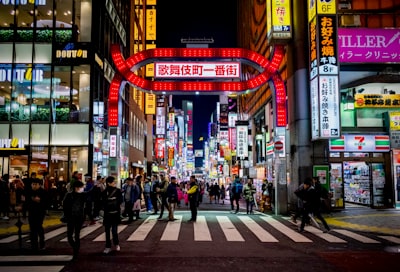
- Shinjuku (Kabukicho & Golden Gai): Explore the neon-lit entertainment district of Kabukicho by night (be aware of touts), or peek into the tiny, atmospheric bars of Golden Gai.
- Akihabara (Electric Town): Dive into the world of anime, manga, electronics, and gaming. Even if you don't buy anything, the sheer energy and unique shops are an attraction.
- Ginza: While known for luxury, a walk through Ginza allows you to admire stunning architecture and world-class window displays.
Museums & Galleries (Selective & Discounted)
While many museums have entrance fees, there are ways to enjoy Tokyo's cultural institutions affordably.
- Free Permanent Collections: Some museums offer free entry to their permanent collections, or have free days/evenings. Check their websites in advance.
- Smaller Community Museums: Look for local history museums or art galleries that might have lower entrance fees or free sections.
- University Museums: Many universities (like Tokyo University) have small, often free, museums or galleries.
Cultural Experiences (Often Free to Observe)
Keep an eye out for local events or opportunities to observe Japanese culture.
- Festivals (Matsuri): If your visit coincides with a local festival, these are fantastic, free ways to experience Japanese traditions, parades, food stalls, and community spirit.
- Sumo Practice: If you're lucky and visit during a non-tournament period, you might be able to observe sumo wrestlers practicing at their stables (heya) in areas like Ryogoku. This requires research and often an early start.
Smart Money-Saving Tips & General Advice for Tokyo on a Budget
Beyond the big-ticket items, numerous small decisions and habits can significantly impact your overall budget.
Budgeting Basics & Currency Exchange
- Set a Daily Budget: Decide how much you can spend per day (excluding accommodation) and try to stick to it. For a tight budget, aim for ¥5,000-¥8,000 per day.
- Cash is King (Still): While credit cards are increasingly accepted, many smaller restaurants, shops, and attractions still prefer or only accept cash. Always carry enough yen.
- ATMs: The most reliable ATMs for foreign cards are at 7-Eleven stores (7-Bank ATMs) and Japan Post Offices. Withdraw larger sums less frequently to minimize transaction fees. Avoid airport currency exchanges as they typically offer poor rates.
- Avoid Tipping: Tipping is not customary in Japan and can even be considered rude. Excellent service is expected and included.
Connectivity: Stay Connected on the Cheap
Staying connected is vital for navigation and communication, and it doesn't have to be expensive.
- Free Wi-Fi: Many hotels, convenience stores (7-Eleven, Lawson, FamilyMart), cafes, train stations, and public spaces offer free Wi-Fi. Look for "Japan Wi-Fi auto-connect" or "Travel Japan Wi-Fi" apps.
- SIM Cards: For consistent connectivity, consider purchasing a data-only SIM card upon arrival at the airport or from major electronics stores (e.g., Bic Camera, Yodobashi Camera). Prices vary, but a 7-day or 15-day unlimited data plan can be very affordable (¥2,000-¥4,000).
- Pocket Wi-Fi: If you're traveling in a group, renting a pocket Wi-Fi device can be a cost-effective solution, allowing multiple devices to connect to a single, portable hotspot. Book in advance for airport pickup.
Shopping & Souvenirs on a Shoestring
You don't need to break the bank to bring home unique Japanese mementos.
- 100-Yen Shops: Daiso, Seria, and Can Do are fantastic stores where everything costs just ¥100 (plus tax). You can find everything from quirky snacks and stationery to kitchenware and useful travel items, as well as surprisingly good souvenirs.
- Don Quijote (Donki): This discount mega-store is a chaotic, multi-level wonderland selling everything imaginable – snacks, cosmetics, electronics, costumes, and unique souvenirs – often at competitive prices.
- Second-Hand Stores: Tokyo has excellent second-hand clothing (e.g., Shimokitazawa), book, and electronics stores. You might find some real gems for a fraction of the original price.
- Local Markets: Explore local markets (e.g., Ameyoko in Ueno) for fresh produce, affordable snacks, and unique local items.
Language & Etiquette Tips
A little effort goes a long way in Japan, and it can even save you hassle (and potentially money!).
- Basic Japanese Phrases: Learning a few basic phrases like "Arigato gozaimasu" (Thank you), "Sumimasen" (Excuse me/Sorry), "Konnichiwa" (Hello), and "Eigo ga hanasemasu ka?" (Do you speak English?) will be greatly appreciated.
- Etiquette: Japanese etiquette is important. Be mindful of quietness on public transport, queuing politely, removing shoes indoors, and not eating/drinking while walking (except at specific festival stalls).
- Google Translate: Download the Japanese language pack for offline use and use its camera translation feature for menus and signs.
Travel Insurance: A Non-Negotiable (Even on a Budget)
While not a money-saving tip in the direct sense, travel insurance is crucial. Even on a budget, skimping on insurance is a false economy. Medical emergencies or lost luggage can lead to far greater expenses than the cost of a good policy. Protect yourself and your budget from unforeseen circumstances.
FAQ - Your Budget Tokyo Questions Answered
Here are some frequently asked questions from budget travelers planning a trip to Tokyo:
Q: Is Tokyo really as expensive as people say?
A: Tokyo *can* be expensive, especially if you opt for luxury hotels, high-end restaurants, and frequent taxis. However, with smart planning and by following the tips in this guide, it can be surprisingly affordable. Public transport is efficient and reasonable, there are endless free activities, and delicious food is available at very low prices.
Q: How much money do I need per day for Tokyo on a budget (excluding accommodation)?
A: A realistic budget for a truly frugal traveler in Tokyo (excluding accommodation) would be around ¥5,000 - ¥8,000 per day (roughly $35-$55 USD). This covers transportation, three meals (konbini, cheap ramen/gyudon), and maybe one paid activity or a few snacks. If you cook some meals in a hostel kitchen and stick to free activities, you can even go lower.
Q: Can I use a Japan Rail Pass only for Tokyo travel? Is it worth it?
A: No, the Japan Rail Pass is generally *not* worth it if you are only traveling within Tokyo. Its value comes from long-distance bullet train travel across multiple regions of Japan. For getting around Tokyo, stick to an IC card (Suica/Pasmo) or a Tokyo Metro Tourist Pass, which are far more cost-effective.
Q: Is tipping customary in Japan?
A: No, tipping is not customary in Japan and can even be considered rude or confusing. The price you see is the price you pay, and excellent service is expected as standard.
Q: What's the best time to visit Tokyo on a budget?
A: The shoulder seasons (late autumn: October-November, and late spring: May-early June) offer pleasant weather and often better flight/accommodation deals than peak spring (cherry blossoms) or summer. Winter (December-February, excluding holidays) can also be very budget-friendly, though it's cold. Avoid major Japanese holidays like Golden Week (late April/early May), Obon (mid-August), and New Year's, as prices surge.
Q: Do I need cash or credit cards in Tokyo?
A: You'll need both. While credit card acceptance is growing, especially in larger stores and hotels, many smaller restaurants, independent shops, and vending machines still operate on a cash-only basis. Always carry enough Japanese Yen for daily expenses.
Q: How can I save money on souvenirs?
A: Head straight for 100-yen shops like Daiso, Seria, or Can Do. You'll find a fantastic array of unique, cute, and practical items that make perfect budget-friendly souvenirs. Don Quijote also offers a wide range of quirky and affordable gifts.
Q: What's the cheapest way to get from Narita Airport (NRT) to central Tokyo?
A: For budget travelers, the Keisei Main Line Limited Express or the JR Sobu Line Rapid are generally the cheapest train options, taking around 1.5-2 hours to reach central Tokyo stations like Ueno or Tokyo Station, respectively. The Keisei Access Express is a faster, mid-range option.
Conclusion: Your Affordable Tokyo Adventure Awaits!
Tokyo is a city that defies expectations, especially for budget travelers. Far from being an exclusive destination, it's a metropolis that generously offers its wonders to everyone, regardless of their financial constraints. From the moment you land, you'll discover that a meticulously planned approach to flights, accommodation, food, and activities can transform a potentially expensive trip into an incredibly enriching and affordable adventure.
You don't need to splurge on fancy hotels to experience comfort, nor do you need high-end restaurants to savor world-class cuisine. Tokyo's hostels are impeccable, its business hotels are efficient, its convenience stores are culinary marvels, and its local eateries serve up gourmet flavors at street food prices. The city's parks, temples, shrines, and observation decks provide endless opportunities for cultural immersion and breathtaking views, all for free or a minimal cost.
So, pack your bags, download your translation app, and prepare to embark on an unforgettable journey. With this budget travel guide in hand, you’re not just visiting Tokyo; you’re unlocking its secrets, experiencing its authentic charm, and proving that the magic of Japan’s vibrant capital is truly accessible to all. Your Tokyo on a shoestring adventure starts now!