Santiago Visa Guide 2026 – Complete Chile Travel Guide
Your Ultimate Guide to Santiago, Chile: Visa Requirements, Travel Tips & Unforgettable Experiences
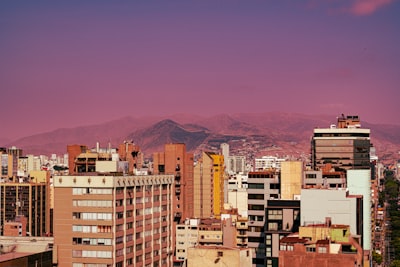
Nestled in a valley surrounded by the snow-capped Andes Mountains to the east and the Chilean Coastal Range to the west, Santiago stands as a vibrant metropolis, a bustling hub of culture, history, and modernity. As the capital and largest city of Chile, Santiago offers an intoxicating blend of colonial charm and contemporary flair, making it an increasingly popular destination for travelers worldwide. From its elegant historic districts and world-class museums to its bohemian neighborhoods and spectacular panoramic viewpoints, Santiago promises an adventure for every kind of explorer.
But before you can immerse yourself in the energetic rhythm of its streets, savor its exquisite cuisine, or explore its surrounding natural wonders, understanding the practicalities of travel, especially visa requirements, is paramount. This comprehensive guide will walk you through everything you need to know for a seamless journey to Santiago, ensuring your focus remains on creating unforgettable memories.
Welcome to Santiago: A City of Contrasts
Santiago is more than just a gateway to the rest of Chile; it’s a destination in itself. Its strategic location offers easy access to the Pacific coast, world-renowned wine valleys, and the majestic Andes, providing a diverse range of experiences within a short distance. The city itself is a tapestry of lively markets, grand plazas, cutting-edge art scenes, and sophisticated dining. Whether you're a history buff, an art enthusiast, a foodie, or an outdoor adventurer, Santiago has something to captivate your imagination.
This article serves as your definitive resource, detailing the essential visa information for entering Chile, outlining how to navigate its bustling capital, highlighting must-see attractions, and offering invaluable travel tips to ensure a smooth and enjoyable trip. Get ready to discover the heart of Chile!
Essential Visa Guide for Santiago, Chile
Navigating international travel regulations can often be the most daunting part of planning a trip. For those dreaming of Santiago, understanding Chile's visa policy is your first crucial step. The good news is that Chile has a relatively straightforward visa system, especially for tourists from many Western countries.
Do You Need a Visa for Chile? (Nationality-Based)
The primary factor determining whether you need a visa to enter Chile is your nationality. Chile maintains visa exemption agreements with a large number of countries, allowing their citizens to enter for tourism purposes for a specified period without needing to apply for a visa in advance.
**Visa-Exempt Countries:**
Citizens of many countries, including but not limited to:
* **United States**
* **Canada**
* **Australia**
* **United Kingdom**
* **All European Union (EU) member states**
* **New Zealand**
* **Switzerland**
* **Japan**
* **South Korea**
* **Brazil**
* **Argentina**
* And many other nations across the Americas, Europe, and Asia.
These citizens can typically enter Chile for tourism for up to **90 days** (renewable for another 90 days, as detailed below) without a prior visa application.
**Countries Requiring a Visa:**
If your country is not on the visa-exempt list, you will need to apply for a Chilean tourist visa before your travel. This list includes citizens from countries such as:
* China (PRC)
* India
* Russia (though this has historically varied, always check current regulations)
* Many countries in Africa, Asia, and some in the Middle East.
It is absolutely critical to check the most up-to-date information directly with the Chilean Ministry of Foreign Affairs (Ministerio de Relaciones Exteriores de Chile) or your nearest Chilean consulate or embassy. Visa policies can change, and specific agreements or requirements may be in place.
**The Reciprocity Fee (Historical Context):**
For many years, citizens of certain countries (most notably the USA, Canada, and Australia) were required to pay a "reciprocity fee" upon arrival at Santiago's airport. This fee was charged based on the principle of reciprocity for the fees Chilean citizens paid to obtain visas for those countries.
* **Important Update:** As of recent years, the **reciprocity fee has been abolished for citizens of the United States (since 2014), Canada (since 2020), and Australia (since 2019).** This means citizens from these countries no longer need to pay this fee to enter Chile. If you encounter outdated information online, please disregard it regarding this specific fee for these nationalities.
Visa-Exempt Travel: What You Need Upon Arrival
Even if you are from a visa-exempt country, you must still meet certain entry requirements upon arrival in Chile. These are standard international travel protocols:
1. **Valid Passport:** Your passport must be valid for at least six months beyond your intended period of stay in Chile.
2. **Proof of Onward/Return Ticket:** Immigration officials may ask to see proof of a confirmed flight ticket out of Chile. This demonstrates your intention to leave the country within the permitted stay period.
3. **Proof of Sufficient Funds:** You might be asked to provide evidence that you have enough money to cover your expenses during your stay. This could be in the form of bank statements, credit cards, or cash.
4. **Purpose of Visit:** You must clearly state your purpose of visit is tourism.
5. **PDI Tourist Card (Tarjeta de Turismo - FMT):** Upon arrival, immigration officials will issue you a small paper slip known as the Tarjeta de Turismo (FMT). This document is extremely important. It serves as your official record of entry and the authorized length of your stay (typically 90 days). **You must keep this card safe until you depart Chile, as it will be collected upon exit.** Losing it can lead to delays and potential fines, so treat it like your passport.
6. **Accommodation Details (Recommended):** While not always explicitly required, it's good practice to have your first night's accommodation booking details readily available.
Applying for a Chilean Tourist Visa (For Those Who Need One)
If your nationality requires a visa for Chile, the application process will generally involve the following steps:
1. **Locate the Nearest Chilean Consulate/Embassy:** Begin by identifying the Chilean diplomatic mission in your country of residence. Most consulates will have detailed information about visa applications on their official websites.
2. **Online Application Portal:** Many Chilean consulates now utilize an online application portal. You will typically need to register, fill out an application form, and upload digital copies of your documents.
3. **Gather Required Documents:** Prepare a comprehensive set of documents. While specific requirements may vary slightly by consulate, common documents include:
* **Completed Visa Application Form:** Filled out accurately and signed.
* **Valid Passport:** Original passport with at least six months validity and at least two blank pages, plus a photocopy of the biodata page.
* **Passport-Sized Photographs:** Recent, color, passport-sized photos (usually 2-4), meeting specific dimensions (often 4.5 x 4.5 cm or 2x2 inches, white background).
* **Flight Itinerary:** Confirmed round-trip flight bookings to and from Chile.
* **Accommodation Proof:** Hotel bookings for your entire stay, or a letter of invitation from a host in Chile if you are staying with friends/family. The invitation letter may need to be notarized in Chile.
* **Proof of Sufficient Funds:** Bank statements, salary slips, or other financial documents showing you can support yourself during your trip.
* **Travel Insurance:** Proof of comprehensive travel insurance covering medical emergencies, repatriation, and other unforeseen circumstances.
* **Letter of Intent/Purpose of Visit:** A personal letter explaining the purpose of your trip, your itinerary, and your commitment to returning to your home country.
* **Police Clearance Certificate:** Some consulates may require a recent police clearance or good conduct certificate from your country of residence.
* **Visa Fee:** The non-refundable visa application fee, which varies by nationality and consulate.
* **Other Supporting Documents:** Depending on your situation, you might need to provide employment letters, student enrollment proof, or other documents demonstrating ties to your home country.
4. **Schedule an Appointment:** After completing the online portion and gathering documents, you will typically need to schedule an in-person appointment at the consulate for document submission, fingerprinting, and possibly an interview.
5. **Interview:** Be prepared to answer questions about your travel plans, financial situation, and reasons for visiting Chile.
6. **Processing Times:** Visa processing times can vary significantly, from a few days to several weeks or even months. It is crucial to apply well in advance of your intended travel date.
Extending Your Stay in Chile
For those who wish to prolong their Chilean adventure beyond the initial 90-day period (for visa-exempt visitors), it is possible to apply for an extension.
* **Where to Apply:** You must apply for an extension at the **Dirección Nacional de Extranjería y Migración** (National Directorate of Foreigners and Migration) in Santiago or its regional offices, well before your initial 90 days expire.
* **Requirements for Extension:**
* Your valid passport.
* The original PDI Tourist Card (FMT).
* A completed extension application form.
* Proof of sufficient funds.
* A valid reason for the extension (e.g., further tourism).
* Proof of onward travel from Chile (even if it's a tentative booking).
* Payment of the extension fee.
* **Duration:** Extensions are usually granted for another 90 days, allowing a total stay of 180 days within a year.
* **Consequences of Overstaying:** Overstaying your authorized period without an extension can lead to fines, deportation, and potential future bans from entering Chile. It is always best to adhere strictly to immigration regulations.
Other Visa Types (Brief Mention)
While this guide focuses on tourist visas, Chile offers other visa categories for those with different purposes:
* **Student Visas:** For individuals enrolled in educational institutions in Chile.
* **Work Visas:** For those with job offers from Chilean companies.
* ****Temporary Residency Visas:** For individuals intending to reside in Chile for an extended period, often leading to permanent residency.
These visas have distinct application processes and requirements, and interested individuals should consult the Chilean Ministry of Foreign Affairs or a Chilean consulate for detailed information.
Getting to Santiago: Flights & Airport Information
Your journey to Santiago will almost certainly begin at **Arturo Merino Benítez International Airport (SCL)**, also known as Santiago International Airport or Pudahuel Airport. SCL is the busiest airport in Chile and one of the largest in South America, serving as a major hub for flights across the continent and direct routes to North America, Europe, and Oceania.
* **Major Airlines:** Numerous international airlines operate flights to SCL, including LATAM Airlines (Chile's flag carrier), American Airlines, Delta, United, Air Canada, British Airways, Iberia, Air France, KLM, and many more.
* **Airport Facilities:** SCL offers modern facilities, including duty-free shops, restaurants, car rental services, currency exchange, and lounges.
* **Airport Transfers to the City:**
* **Official Taxis & Shuttles:** Upon exiting customs, you'll find counters for official taxi and shuttle services (like TransVip and Turismo Chile). It's highly recommended to book these inside the terminal to avoid unlicensed drivers. Taxis offer direct service, while shuttles are shared vans that drop passengers off at various locations.
* **Buses:** Economical options include the **Centropuerto** and **TurBus** services. These buses depart frequently from outside the arrivals terminal and terminate at major metro stations (like Los Héroes or Pajaritos), from where you can connect to the Santiago Metro system. This is a cost-effective way to reach the city center.
* **Ride-Sharing Apps:** Uber, Cabify, and Didi operate in Santiago, offering another convenient way to get to your accommodation. However, they may not be officially allowed to pick up directly from the terminal, so you might need to walk a short distance to an agreed-upon pick-up point.
Exploring Santiago: Top Attractions & Experiences
Once you’ve successfully navigated immigration and settled into your accommodation, it’s time to discover the magic of Santiago. The city is rich in attractions, blending historical grandeur with vibrant modern life.
Historical Heart & Culture
Santiago's historic center is a treasure trove of colonial architecture and significant landmarks.
* **Plaza de Armas:** The main square and historical heart of the city. Here you'll find the impressive **Metropolitan Cathedral**, the **Central Post Office**, the **Palacio de la Real Audiencia** (housing the National Historical Museum), and the **Municipalidad de Santiago**. It’s a bustling place for people-watching and soaking in local life.
* **Palacio de La Moneda:** The presidential palace, a neoclassical masterpiece. Witness the daily changing of the guard ceremony (usually at 10 AM on even-numbered days), and visit the **Centro Cultural La Moneda** located underneath the palace, which hosts excellent art exhibitions.
* **Barrio Lastarria & Bellas Artes:** These charming adjacent neighborhoods are cultural hotspots. Stroll through the tree-lined streets, discover independent boutiques, art galleries, and lively cafes. The **Museo Nacional de Bellas Artes** (National Museum of Fine Arts) and the **Museo de Arte Contemporáneo** (Museum of Contemporary Art) are must-visits for art lovers.
* **Cerro Santa Lucía:** A beautifully landscaped urban park built on a small hill. Climb to its summit for lovely city views, explore its ornate fountains, staircases, and the Hidalgo Castle. It’s a perfect spot for a leisurely afternoon.
Panoramic Views & Green Spaces
For breathtaking vistas and a dose of nature, Santiago offers several elevated escapes.
* **Cerro San Cristóbal (Parque Metropolitano):** The largest urban park in Latin America, Cerro San Cristóbal offers the most iconic panoramic views of Santiago against the backdrop of the Andes. Take the funicular (from Barrio Bellavista) or the cable car (from Pedro de Valdivia Norte) to the summit, where you'll find a majestic statue of the Virgin Mary. The park also houses the **National Zoo**, botanical gardens, and swimming pools.
* **Parque Forestal:** A long, narrow park running along the Mapocho River, ideal for a relaxing stroll or a bike ride. It connects several cultural institutions and is a vibrant urban green lung.
Bohemian Charms & Nightlife
Santiago truly comes alive after dark, and its bohemian districts are the place to be.
* **Barrio Bellavista:** Famous for its vibrant street art, lively restaurants, bars, and clubs. It's the go-to spot for nightlife in Santiago. Don't miss **La Chascona**, one of Nobel laureate Pablo Neruda's unique homes, nestled into the hillside.
* **Barrio Italia:** A trendy neighborhood known for its independent design shops, antique stores, art galleries, and charming cafes and restaurants. It's perfect for a relaxed afternoon of browsing and coffee.
Food & Drink: A Culinary Journey
Chilean cuisine is hearty and flavorful, with a strong emphasis on fresh seafood and local produce.
* **Must-Try Dishes:** Savor **empanadas** (baked or fried pastries with various fillings), **pastel de choclo** (a savory corn pie), **cazuela** (a comforting soup), and fresh **ceviche**.
* **Mercado Central:** An architectural gem and a paradise for seafood lovers. Come here for a fresh seafood lunch, but be prepared for a bustling, tourist-heavy atmosphere.
* **La Vega Central:** A massive, authentic fresh produce market. It's an explosion of colors, sounds, and smells, offering a true glimpse into local life.
* **Wine Tasting:** Santiago is surrounded by some of Chile's most renowned wine regions, including the **Maipo Valley**. Many wineries offer tours and tastings, making for a perfect day trip.
* **Pisco Sour:** The national drink, a potent and refreshing cocktail made with pisco (grape brandy), lime juice, syrup, and egg white.
Shopping & Markets
From artisan crafts to high-end fashion, Santiago caters to all shopping preferences.
* **Patio Bellavista:** A modern complex within Barrio Bellavista, offering a mix of restaurants, bars, and artisan shops.
* **Upscale Malls:** For international brands and modern shopping experiences, visit malls like **Parque Arauco** or **Costanera Center** (home to the tallest building in South America, Gran Torre Santiago, with an observation deck).
Day Trips from Santiago
Santiago's central location makes it an ideal base for exploring some of Chile's most iconic destinations on a day trip.
* **Valparaíso & Viña del Mar:** Head west to the Pacific coast for a contrasting experience. **Valparaíso**, a UNESCO World Heritage site, is a bohemian port city famous for its colorful hillside houses, winding alleys, street art, and funiculars. Nearby, **Viña del Mar** offers a more upscale, resort-town vibe with beautiful beaches and gardens.
* **Maipo Valley Wine Tours:** Just south of Santiago, the Maipo Valley is one of Chile's oldest and most prestigious wine regions. Enjoy guided tours and tastings at renowned vineyards like Concha y Toro, Santa Rita, or Undurraga.
* **Cajón del Maipo:** Southeast of Santiago, this Andean canyon offers stunning natural beauty. Explore hot springs, hike through dramatic landscapes, and enjoy outdoor activities amidst the towering peaks. It’s a refreshing escape into nature.
* **Ski Resorts:** During the winter months (June to September), the Andes mountains transform into a skiing and snowboarding paradise. Resorts like **Valle Nevado**, **La Parva**, and **El Colorado** are easily accessible for a day of exhilarating snow sports.
Practical Travel Tips for Santiago
To ensure your trip to Santiago is as smooth and enjoyable as possible, keep these practical tips in mind:
* **Best Time to Visit:**
* **Spring (September-November):** Pleasant temperatures, blooming jacaranda trees, and fewer crowds.
* **Autumn (March-May):** Mild weather, colorful foliage, and ideal for outdoor activities.
* **Summer (December-February):** Hot and dry, popular for visiting the coast. Many locals take holidays.
* **Winter (June-August):** Cool, some rain in the city, but prime time for skiing in the nearby Andes.
* **Getting Around Santiago:**
* **Metro:** Santiago boasts an excellent, efficient, and clean subway system. It's the fastest way to navigate the city. Purchase a **Bip! card** at any station, load it with credit, and tap to ride.
* **Buses:** An extensive bus network complements the Metro. Also uses the Bip! card.
* **Taxis:** Official taxis are black with yellow roofs. Ensure the meter is running.
* **Ride-Sharing Apps:** Uber, Cabify, and Didi are widely available and often more convenient and transparent with pricing.
* **Safety:** Santiago is generally a safe city, but like any large metropolis, petty crime (especially pickpocketing) can occur, particularly in crowded tourist areas (Plaza de Armas, Mercado Central) and on public transport.
* Be aware of your surroundings, keep valuables secure and out of sight, and avoid walking alone in poorly lit areas at night.
* Exercise caution with street vendors and unsolicited help.
* Stay informed about current events, especially any protests, which can sometimes occur in the city center.
* **Currency:** The official currency is the **Chilean Peso (CLP)**.
* ATMs are widely available.
* Credit cards are accepted in most hotels, restaurants, and larger stores.
* It's always good to have some cash for smaller purchases, markets, and tipping.
* **Language:** Spanish is the official language. While many people in the tourism industry speak English, learning a few basic Spanish phrases will significantly enhance your experience.
* **SIM Cards & Connectivity:** Purchase a local SIM card (e.g., Entel, Movistar, Claro) upon arrival at the airport or in the city for affordable data and calls. You'll need an unlocked phone.
* **Tipping Etiquette:**
* **Restaurants:** Tipping 10% is customary if service isn't already included.
* **Taxis:** Not usually expected, but rounding up the fare is common.
* **Tour Guides:** Appreciated for good service.
* **Health & Insurance:**
* No specific vaccinations are generally required for entry, but consult your doctor regarding routine vaccinations.
* **Travel insurance is highly recommended** for medical emergencies, trip cancellations, lost luggage, and other unforeseen events.
* **Electricity:** Chile uses Type L outlets (three round pins) and operates on 220 volts at 50 Hz. Bring a universal adapter and voltage converter if your devices don't support dual voltage.
Frequently Asked Questions (FAQ)
Here are some common questions travelers have about visiting Santiago, Chile:
**Q1: Is Santiago safe for tourists?**
A1: Yes, Santiago is generally safe for tourists. However, like any major city, it has areas where petty crime, such as pickpocketing and bag snatching, can occur. Be vigilant in crowded tourist areas and on public transport. Avoid displaying expensive items and secure your belongings.
**Q2: What's the best way to get around Santiago?**
A2: The Santiago Metro system is excellent, efficient, and the fastest way to navigate the city. You can purchase a Bip! card at any station. Buses complement the Metro. Taxis and ride-sharing apps (Uber, Cabify, Didi) are also readily available.
**Q3: How many days do I need in Santiago?**
A3: To experience the main attractions of Santiago itself, 3-4 days are usually sufficient. However, if you plan on taking day trips to Valparaíso, a wine region, or Cajón del Maipo, you might want to extend your stay to 5-7 days.
**Q4: What currency is used in Chile, and should I bring cash?**
A4: The official currency is the Chilean Peso (CLP). ATMs are widespread, and credit cards are accepted in most major establishments. It's advisable to carry some cash for small vendors, local markets, tips, and emergencies, but you don't need large amounts.
**Q5: Do I need travel insurance for Chile?**
A5: While not legally mandatory for entry, comprehensive travel insurance is highly recommended. It provides coverage for medical emergencies, trip cancellations, lost luggage, and other unforeseen circumstances, offering peace of mind during your travels.
**Q6: Can I drink tap water in Santiago?**
A6: Tap water in Santiago is generally considered safe to drink for locals. However, for visitors, especially those with sensitive stomachs, it's often recommended to stick to bottled water to avoid any potential digestive issues due to unfamiliar minerals or treatment methods.
**Q7: What are the main visa requirements for US/UK/EU citizens?**
A7: Citizens of the US, UK, and all EU member states are generally visa-exempt for stays up to 90 days for tourism. You will need a passport valid for at least six months beyond your stay, proof of onward travel, and possibly proof of sufficient funds. Upon arrival, you will receive a PDI Tourist Card (FMT), which you must keep until departure. The reciprocity fee for these nationalities has been abolished.
**Q8: What was the "reciprocity fee" and is it still applicable?**
A8: The reciprocity fee was a charge applied to citizens of certain countries (like the US, Canada, and Australia) upon entry to Chile, based on the fees Chilean citizens paid for visas to those countries. **It has been abolished for citizens of the United States (since 2014), Australia (since 2019), and Canada (since 2020).** Therefore, these nationalities no longer need to pay this fee to enter Chile.
Your Chilean Adventure Awaits!
Santiago, Chile, is a city that never fails to impress. Its dynamic energy, stunning natural surroundings, rich cultural tapestry, and delectable cuisine make it a destination truly worth exploring. By familiarizing yourself with the visa requirements and heeding these practical travel tips, you're well on your way to a hassle-free and enriching experience.
Whether you're marveling at the Andean peaks, sipping world-class wine, or losing yourself in the city's vibrant neighborhoods, Santiago promises an adventure that will stay with you long after you've returned home. Start planning your unforgettable Chilean journey today!