Shuinandong Refinery: Unearthing the Haunting Beauty of Taiwan's "Thirteen Levels" Industrial Ruin
Shuinandong Refinery: Unearthing the Haunting Beauty of Taiwan's "Thirteen Levels" Industrial Ruin
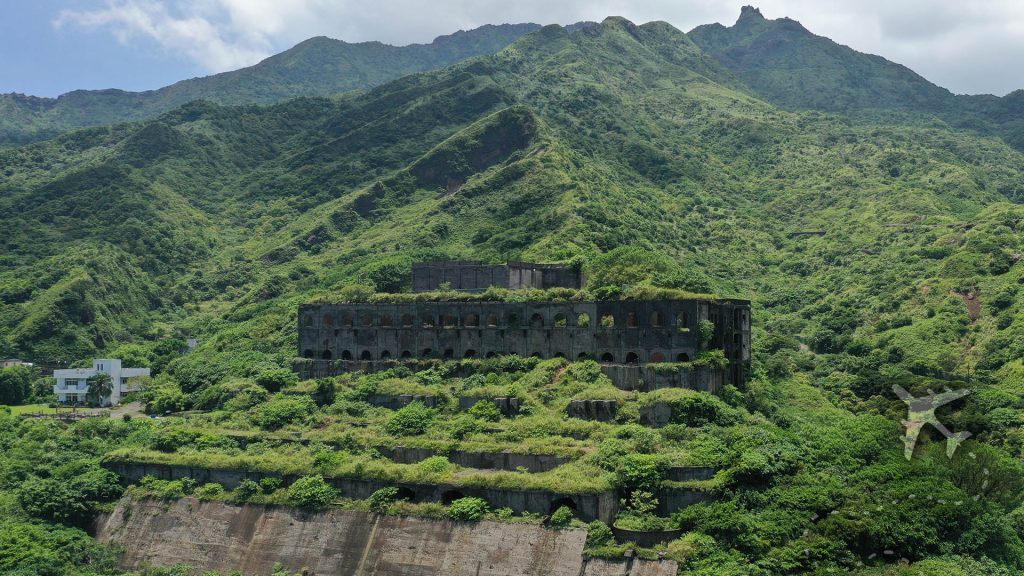
Perched dramatically on a rugged mountainside, overlooking the vibrant blues of Taiwan's northeastern coast, stands a structure that defies easy categorization. The Ruins of Shuinandong Refinery, more famously known as the "Remains of the Thirteen Levels," is far more than just a dilapidated building; it's a colossal, brutalist masterpiece slowly being reclaimed by nature, a poignant relic of a bygone industrial era, and undeniably one of Taiwan's most unique and captivating sights. Often described as a post-apocalyptic dreamscape, a ghostly fortress, or a forgotten kingdom, this sprawling copper and gold ore processing plant offers visitors an unparalleled blend of haunting beauty, rich history, and breathtaking panoramic views.
From the moment its tiered façade comes into view, its sheer scale is awe-inspiring. Cascading down the hillside like an abandoned monument, each "level" tells a silent story of the thousands who once toiled within its concrete walls. The air around it hums with an almost palpable sense of history, tinged with the melancholic beauty of decay. This isn't just a site to observe; it's a place to explore, to photograph, and to truly feel the weight of time and human endeavor. Whether you're a history buff, an urban explorer, a photographer chasing the perfect atmospheric shot, or simply a curious traveler seeking something off the beaten path, the Shuinandong Refinery promises an unforgettable journey into Taiwan's industrial past.
The Golden Age and Gradual Decline: A History Etched in Stone
The story of the Shuinandong Refinery is inextricably linked to the fortunes of gold and copper in Taiwan's remote northeastern mountains. Its origins trace back to the Japanese colonial period, a time of intense resource extraction and industrial development on the island. While gold mining in the nearby Jinguashi area began much earlier, the Shuinandong Refinery itself was constructed by the Japanese in 1933 to process the vast quantities of gold and copper ore extracted from the surrounding mines, particularly the Hwagang Mine.
Strategically located on the hillside to utilize gravity in its ore processing, the refinery was a marvel of engineering for its time. It employed a complex system of crushing, grinding, flotation, and smelting to extract precious metals. Following Japan's defeat in World War II, the ownership of the refinery, along with the mines, transferred to the Taiwanese government. Operations continued under the Taiwan Metal Mining Corporation, reaching its peak in the mid-20th century. For decades, the region boomed, with mining towns like Jinguashi and Jiufen flourishing as thousands of workers and their families made their lives here. The "Thirteen Levels" was the pulsating heart of this industrial enterprise, a symbol of prosperity and tireless human effort.
However, like many industrial giants, its fate was tied to the economic viability of its primary resources. As mining yields dwindled and global metal prices fluctuated, the cost of extraction and processing became unsustainable. The arduous work, coupled with environmental concerns, ultimately led to the refinery's closure in 1987. With its furnaces cooled and machinery stilled, the vast complex was abandoned. Nature, in its relentless march, began its slow but steady reclamation. Today, the Shuinandong Refinery stands as a silent sentinel, a stark reminder of Taiwan's industrial heritage, its rise and fall, and the enduring power of nature.
Exploring the "Thirteen Levels": A Photographer's Dream and Historian's Delight
The true allure of Shuinandong lies in its monumental scale and the intricate details of its decay. Though visitors are generally restricted from entering the dilapidated structures due to safety concerns, the sheer visual impact from the designated viewing areas and the surrounding trails is more than enough to capture the imagination.
From afar, the structure appears as a gargantuan, multi-tiered fortress, seemingly carved directly from the mountain. Its brutalist concrete architecture, stained green and black by years of rain and environmental exposure, lends it an almost organic quality. As you approach, the intricate network of conveyors, pipes, and processing units becomes clearer, revealing the complex industrial processes that once took place here. Each level, once dedicated to a specific stage of ore refinement, now serves as a canvas for the elements.
What to See and Do:
- Panoramic Views: From the various viewpoints along Provincial Highway 2D, the vistas are simply breathtaking. Not only do you get a full appreciation of the refinery's grandeur, but you're also treated to sweeping views of the Pacific Ocean, the "Yin-Yang Sea" (more on this unique phenomenon below), and the dramatic coastline.
- The Yin-Yang Sea (陰陽海): A truly unique natural spectacle visible from the refinery's vantage point. The bay directly below the refinery exhibits a striking bicolor pattern: one part a vibrant golden-orange, and the other a deep blue. This phenomenon is caused by high concentrations of iron ions leaching from the abandoned mines and mineral deposits in the soil, flowing into the ocean via the Golden Waterfall, creating a dramatic contrast with the natural blue seawater.
- Photography Opportunities: This site is a paradise for photographers. The interplay of light and shadow on the decaying concrete, the juxtaposition of industrial ruin with lush nature, and the dramatic coastal backdrop offer endless possibilities. Sunrise and sunset cast particularly magical hues over the complex.
- The Golden Waterfall (黃金瀑布): Just a short drive or walk from the refinery, this stunning waterfall flows over golden-orange rocks, a result of mineral-rich water from the former mining tunnels. It's a precursor to the Yin-Yang Sea and adds another layer to the area's unique geological narrative.
- Hiking Trails: For the more adventurous, several hiking trails in the surrounding Jinguashi area offer different perspectives of the refinery and the coastline. Teapot Mountain (Chashan) offers a challenging but rewarding hike with incredible panoramic views that include the refinery.
While exploring, take time to reflect on the lives of the thousands who worked here – the miners deep underground, the engineers overseeing the complex machinery, and the families who built their lives in these rugged hills. The "Thirteen Levels" is a poignant testament to their resilience and the enduring spirit of human industry.
Getting There: Your Comprehensive Transport Guide to Shuinandong
Reaching the Shuinandong Refinery, while requiring a bit of planning, is a rewarding journey that often passes through some of Taiwan's most scenic landscapes.
First Steps: From Airport to Taipei City
Most international visitors arrive at
Taiwan Taoyuan International Airport (TPE). For domestic flights or some regional international flights,
Taipei Songshan Airport (TSA) is closer to the city center.
- From TPE (Taoyuan International Airport):
- Taoyuan Airport MRT (Express or Commuter): This is the most efficient option. Take the purple express train to Taipei Main Station (approx. 35-40 minutes, NT$150). The blue commuter train is slightly slower but stops at more stations.
- Intercity Bus: Numerous bus services operate from TPE to various locations in Taipei City, including Taipei Main Station, Taipei City Hall, and other key areas. Look for Kuo-Kuang Bus (1819 to Taipei Main Station is popular) or CitiAir Bus. Journey time is usually 50-70 minutes, depending on traffic (approx. NT$120-140).
- Taxi/Uber: Available 24/7. Expect to pay around NT$1000-1500 for a trip to central Taipei.
- From TSA (Songshan Airport):
- Taipei MRT: TSA has its own MRT station (Wenhu Line - Brown Line). It's directly connected to the city's comprehensive MRT network, making it incredibly convenient to reach any part of Taipei.
- Bus/Taxi: Also readily available and quick due to the airport's central location.
Once in Taipei, make your way to
Taipei Main Station (臺北車站), which serves as a central hub for trains (TRA), High-Speed Rail (HSR), and numerous bus lines, making it the ideal starting point for your journey to Shuinandong.
Public Transport Guide to Shuinandong Refinery
Public transport is the most popular and often recommended way to reach the Shuinandong Refinery, combining convenience with scenic views.
1.
From Taipei to Ruifang Station (瑞芳車站):
- Taiwan Railways Administration (TRA) Train: From Taipei Main Station, take a local (區間車) or express (莒光號 or 自強號) train on the Yilan Line towards Hualien/Yilan. Get off at Ruifang Station. This journey takes approximately 40-60 minutes, depending on the train type, and costs around NT$50-80. Tickets can be purchased at the station or through EasyCard/iPass.
2.
From Ruifang Station to Shuinandong/Jinguashi:
- Keelung Bus (基隆客運) - Route 788, 856, or 1062:
- Route 788 (Ruifang to Jinguashi): This bus departs frequently from the bus stop opposite Ruifang Station. It travels through Jiufen Old Street and continues to Jinguashi. Ask the driver to drop you off at the "Shuinandong (水湳洞)" stop, or simply look out for the refinery on your right as you descend the hill past Jinguashi. The journey from Ruifang to Shuinandong takes about 20-30 minutes.
- Route 856 (Golden Fulong Shuttle Bus): A tourist-oriented shuttle that covers major attractions like Jiufen, Jinguashi, Golden Waterfall, and Shuinandong. It's a great option for a full day of sightseeing in the area. Check the timetable as it runs less frequently than 788.
- Route 1062 (Taipei to Jinguashi): This bus originates from Zhongxiao Fuxing MRT Station in Taipei and goes directly to Jinguashi. While it bypasses Ruifang Station, it's an option if you want a direct route from Taipei. However, to see Shuinandong, you would still need to alight at Jinguashi and take a local bus or walk down to the refinery, or take the 788/856 towards Ruifang/Keelung and get off at Shuinandong.
- Fare: You can pay with cash (exact change recommended) or, more conveniently, with an EasyCard/iPass. The fare from Ruifang to Shuinandong is typically around NT$20-30.
Pro-Tip: Many people combine a visit to Shuinandong with Jiufen Old Street and Jinguashi Gold Museum, as they are all on the same bus route from Ruifang. Plan for a full day to enjoy all these attractions at a relaxed pace.
Car Rental / Bike Rental Options
For those who prefer more flexibility and independence, renting a car or scooter is a viable option, especially for exploring the scenic northeastern coast at your own pace.
- Availability: Major international and local car rental companies (e.g., Avis, Budget, Hertz, Hotai Leasing, Carplus) have branches in Taipei, particularly around Taipei Main Station or at the airports.
- Requirements: You will need an international driving permit (IDP) issued in your home country, along with your valid domestic driver's license and passport.
- Cost: Car rentals typically start from NT$1500-2500 per day for a compact car, not including fuel and tolls.
- Route: From Taipei, take National Highway 1 (國道1號) or National Highway 3 (國道3號) north, then connect to Provincial Highway 62 (台62線) towards Ruifang, and finally onto Provincial Highway 2D (台2丁線) which leads directly to Jinguashi and Shuinandong. The drive is scenic but involves winding mountain roads.
- Parking: There are parking areas near the refinery viewpoints and in Jinguashi and Jiufen, though they can fill up quickly on weekends and holidays.
- Availability: Scooter rentals are available in Taipei, Ruifang, or even in nearby Keelung.
- Requirements: Similar to car rental, an IDP valid for motorcycles/scooters is essential. Many rental shops may be hesitant to rent to foreigners without a specific Taiwanese motorcycle license, so verify beforehand.
- Cost: Scooter rentals typically range from NT$300-600 per day.
- Considerations: Taiwan's mountain roads can be challenging, especially for inexperienced riders. Scooters offer great flexibility but require caution.
Budget Transport Tips
Traveling to Shuinandong on a budget is very feasible in Taiwan, thanks to its excellent public transport system.
- Use an EasyCard/iPass: These reloadable smart cards are indispensable for public transport in Taiwan. They offer slight discounts on fares, eliminate the need for exact change, and speed up boarding on buses and trains. You can purchase and top them up at MRT stations, convenience stores (7-Eleven, FamilyMart, Hi-Life), and train stations.
- Opt for Local Trains (區間車): When traveling from Taipei to Ruifang, local trains are the cheapest option and only slightly slower than express trains for this short route.
- Utilize Bus Passes/Day Passes (if applicable): While not specific to Shuinandong, if you plan extensive travel within Taipei, consider a Taipei Fun Pass (various options for MRT, bus, and attractions). For the northeastern coast, the Keelung Bus Route 856 (Golden Fulong Shuttle Bus) can be a cost-effective way to visit multiple attractions without individual bus fares adding up.
- Walk when possible: From Jinguashi (e.g., after visiting the Gold Museum), you can enjoy a scenic downhill walk towards the Golden Waterfall and then the Shuinandong Refinery. This saves on bus fare and allows you to soak in the atmosphere.
- Bring Snacks and Water: While there are vendors in Jiufen and Jinguashi, bringing your own provisions can save money, especially if you plan to spend most of your time exploring the refinery area where options are limited.
Essential Travel Tips for a Smooth Trip
To make your journey to Shuinandong and your overall Taiwan experience enjoyable, keep these practical tips in mind.
Best SIM Card for Tourists
Staying connected is easy and affordable in Taiwan.
- Major Providers: Chunghwa Telecom (中華電信), Far EasTone (遠傳電信), and Taiwan Mobile (台灣大哥大) are the three main providers, all offering excellent coverage, even in more remote areas.
- Airport (TPE/TSA): The most convenient place. Upon arrival, you'll find counters for all three major telcos in the arrivals hall. They offer various tourist-specific plans (3, 5, 7, 10, 15, 30 days) with unlimited data and some local call credit.
- Convenience Stores: You can buy pre-paid SIM cards at 7-Eleven, FamilyMart, etc., but you'll usually need to register them at a telco store.
- Telco Stores: Visit any Chunghwa Telecom, Far EasTone, or Taiwan Mobile branch in cities.
- What to Bring: Your passport (and sometimes a secondary ID like a credit card or driver's license) is required for registration.
- eSIMs: Several international eSIM providers (e.g., Airalo, Holafly, Klook) offer data-only eSIMs for Taiwan, which can be convenient for those with eSIM-compatible phones and who prefer not to swap physical SIM cards.
Local Etiquette and Safety
- Politeness: Taiwanese people are generally very polite and hospitable. A simple "謝謝" (xièxie - thank you) goes a long way.
- Queuing: Always queue in an orderly fashion for public transport, food stalls, etc.
- Littering: Taiwan is very clean. Avoid littering and use designated bins.
- Smoking: Smoking is prohibited in most indoor public places and some outdoor areas (e.g., bus stops, many parks).
- Safety: Taiwan is an incredibly safe country. Petty crime is rare, but always exercise general travel precautions (e.g., watch your belongings). When hiking, inform someone of your plans and stick to marked trails. The areas around Shuinandong are old industrial ruins, so respect safety barriers and do not attempt to enter closed-off structures.
Currency and Payment
- Currency: New Taiwan Dollar (NTD or TWD).
- Cash: Essential for smaller purchases, street food, night markets, and some local buses. ATMs are widely available.
- Credit Cards: Accepted at most hotels, department stores, larger restaurants, and supermarkets. However, smaller shops and local eateries often prefer cash.
- Contactless Payment: EasyCard/iPass can also be used for small purchases at convenience stores and some vending machines.
Beyond the Ruins: Exploring the Northeastern Coast
A trip to Shuinandong is rarely a standalone visit. The refinery is part of a rich tapestry of historical, natural, and cultural attractions along Taiwan's stunning northeastern coast.
- Jiufen Old Street (九份老街): A captivating mountain village renowned for its narrow, lantern-lined alleys, traditional tea houses, and bustling market stalls selling local delicacies. It's often said to have inspired the Miyazaki film "Spirited Away." Just a short bus ride uphill from Ruifang, and easily combined with Shuinandong.
- Jinguashi Gold Museum (黃金博物館): Located in the heart of the former mining community, this open-air museum offers a fascinating insight into the area's gold mining history. You can explore old dormitories, learn about mining techniques, and even try to lift a massive 220kg gold bar!
- Teapot Mountain (茶壺山): For avid hikers, this distinctive mountain offers challenging trails and panoramic views of the entire northeastern coastline, including the "Thirteen Levels" and the Yin-Yang Sea.
- Houtong Cat Village (猴硐貓村): A quirky and charming village famous for its feline residents. If you're an animal lover, this makes for a delightful detour. It's also on the TRA line to Ruifang.
- Keelung City: A bustling port city known for its vibrant Miaokou Night Market, one of Taiwan's best for seafood and local snacks.
Conclusion: A Journey Through Time and Beauty
The Shuinandong Refinery, or the "Remains of the Thirteen Levels," is a testament to Taiwan's complex history, its industrial might, and the enduring beauty that emerges when human creations are surrendered back to nature. It's a place of quiet contemplation, a stark visual narrative of boom and bust, and a powerful reminder of the delicate balance between progress and preservation.
While its structures remain off-limits for direct exploration, the sheer visual grandeur from its viewpoints, coupled with the rich stories it holds, makes it an essential stop for any traveler seeking an authentic and deeply atmospheric experience in Taiwan. As the ocean winds whisper through its rusting skeletons and the sun sets over the bicolored Yin-Yang Sea, you'll understand why this haunting relic has captivated the imaginations of so many, standing as a proud and mysterious sentinel over Taiwan's dramatic northeastern coast. Don't just visit Taiwan; discover its hidden depths, starting with the unforgettable Shuinandong Refinery.
FAQ Section: Your Questions Answered
Q1: Is it safe to enter the Shuinandong Refinery structures?
A1: No, for safety reasons, visitors are generally prohibited from entering the dilapidated structures of the refinery. There are fences and warning signs. The buildings are old, unstable, and could contain hazardous materials. Enjoy the magnificent views from designated public areas and viewpoints.
Q2: What's the best way to get to Shuinandong Refinery from Taipei?
A2: The most popular way is to take a TRA train from Taipei Main Station to Ruifang Station, then transfer to a local Keelung Bus (Route 788, 856, or 1062) towards Jinguashi, getting off at the "Shuinandong" stop.
Q3: How much time should I allocate for visiting Shuinandong Refinery?
A3: To fully appreciate the views and take photos, dedicate at least 1-2 hours for the refinery itself. However, most visitors combine it with Jiufen Old Street and Jinguashi Gold Museum, making it a full-day trip (6-8 hours, including travel from Taipei).
Q4: Is there an entrance fee for Shuinandong Refinery?
A4: No, there is no entrance fee to view the Shuinandong Refinery from the public viewpoints.
Q5: What is the "Yin-Yang Sea"?
A5: The "Yin-Yang Sea" (陰陽海) is a unique natural phenomenon visible from Shuinandong. The bay exhibits two distinct colors – one part golden-orange and the other blue – due to high concentrations of iron ions leaching from abandoned mines and flowing into the ocean, creating a striking visual contrast.
Q6: Are there food and drink options near Shuinandong Refinery?
A6: Directly around the refinery, options are limited. It's best to eat beforehand or plan to have meals in nearby Jiufen Old Street or Jinguashi, which have numerous restaurants and snack stalls.
Q7: Is it suitable for families with young children or those with mobility issues?
A7: The main viewing areas are accessible. However, navigating the bus transfers and potentially uneven ground at viewpoints might be challenging for strollers or wheelchairs. Some nearby attractions like Jiufen Old Street have many stairs. Consider your group's mobility when planning.
Q8: Can I visit Shuinandong Refinery as a day trip from Taipei?
A8: Absolutely! It's a very popular and easily manageable day trip from Taipei using public transport or a rental car.
Q9: What should I wear and bring?
A9: Comfortable walking shoes are a must. Depending on the season, bring sunscreen, a hat, and sunglasses (for sunny days) or a light jacket and umbrella (for cooler/rainy days, as the weather can change quickly on the coast). A camera is highly recommended!