Jiufen Old Street: Unearthing Taiwan's Timeless Mountain Gem
Jiufen Old Street: Unearthing Taiwan's Timeless Mountain Gem
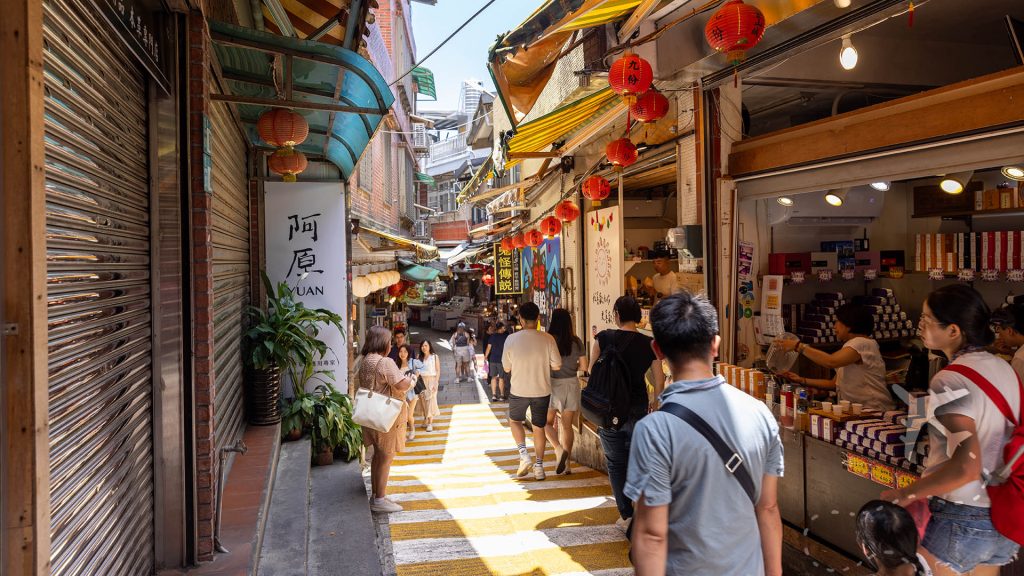
High in the misty, emerald hills of northern Taiwan, where the Pacific Ocean stretches endlessly in the distance, lies Jiufen Old Street. This captivating centuries-old mountain village, once a bustling gold mining town, has transformed into a vibrant magnet for travelers seeking to experience Taiwan's unique blend of tradition, poignant history, and a touch of modern-day enchantment. It’s a place that assaults the senses in the most delightful way imaginable: a chaotic, crowded labyrinth of narrow alleyways, fragrant street food stalls, glowing red lanterns, and panoramic vistas that will steal your breath away.
For many, Jiufen is more than just a destination; it’s an immersive journey back in time, a living museum of Taiwanese culture, and a cinematic landscape brought to life. Its distinctive charm has captured the imaginations of artists and filmmakers alike, with whispers of its resemblance to the spirit world in Miyazaki's "Spirited Away" drawing throngs of anime fans, while its poignant history was immortalized in Hou Hsiao-Hsien's "A City of Sadness." Whether you're a history buff, a foodie, a culture enthusiast, or simply a wanderer in search of beauty, Jiufen Old Street promises an unforgettable adventure.
A Glimpse into Jiufen's Golden Past
The story of Jiufen begins not with tourism, but with the glint of gold. In the late 19th century, during the Qing Dynasty, gold was discovered in the area, sparking a frenzied rush that transformed a sleepy nine-household village (hence the name "Jiufen," meaning "nine portions") into a prosperous mining boomtown. Miners flocked from all corners of Taiwan and beyond, creating a melting pot of cultures and an economic powerhouse that peaked during the Japanese colonial era. The village buzzed with activity, its streets lined with teahouses, brothels, and opera houses, catering to the needs and desires of a thriving, transient population.
However, like all booms, the gold rush eventually faded. By the 1970s, the mines were depleted, and Jiufen faced a period of decline. Many residents moved away in search of new opportunities, and the village seemed destined to fade into obscurity. Yet, fate had other plans. The release of Hou Hsiao-Hsien's critically acclaimed film, "A City of Sadness," in 1989, which was largely set and filmed in Jiufen, brought the village back into the national spotlight. Soon after, its unique architecture, misty atmosphere, and nostalgic charm began to attract tourists, particularly from Japan. The "Spirited Away" connection further cemented its global appeal, turning Jiufen into the iconic destination it is today.
Exploring the Labyrinthine Charms of Jiufen Old Street
The heart of Jiufen is its eponymous Old Street, a winding, multi-tiered maze of stone steps and narrow laneways. Prepare to get lost – it’s part of the experience! Here’s what you shouldn't miss:
The Main Thoroughfares: Jishan Street & Shuqi Road
- Jishan Street: This is the main artery of the Old Street, bustling with shops and food stalls. From dawn till dusk, and often late into the night, it’s alive with the chatter of vendors and visitors. You’ll find everything from traditional Taiwanese snacks to unique souvenirs and local handicrafts here.
- Shuqi Road (Stairway Street): Perhaps the most iconic image of Jiufen, this steep, stone staircase is lined with traditional teahouses and eateries, their glowing red lanterns casting an ethereal glow, especially after dusk. This is the spot that most closely evokes the magical atmosphere of "Spirited Away." Ascending or descending these steps offers stunning views of the surrounding hills and ocean.
Must-Visit Spots and Hidden Gems
- A-Mei Tea House (阿妹茶樓): Perched prominently on Shuqi Road, this is *the* teahouse that sparked the "Spirited Away" connection. Its distinctive architecture, intricate masks, and cascading red lanterns make it a photogenic marvel. Enjoy a traditional Taiwanese tea ceremony here while soaking in the panoramic views.
- Jiufen Goldore Museum (金瓜石黃金博物館): While not directly on the Old Street, a short journey away lies the Goldore Museum, located in the nearby Jinguashi area. It's an essential visit for understanding Jiufen's golden past. You can explore a real mine tunnel, learn about mining techniques, and even touch a colossal 220 kg pure gold brick!
- Shengping Theater (昇平戲院): Taiwan's oldest operating movie theater, Shengping Theater has been beautifully restored to its 1950s glory. Step inside to see vintage projectors, old movie posters, and learn about the entertainment culture during Jiufen’s heyday. It’s a wonderful nostalgic experience.
- Jiufen Observatory (九份觀景台): For the best unobstructed views of the coastline, the "yin-yang sea" (where two currents meet creating distinct color differences), and the surrounding mountains, head to one of the various lookout points or the official observatory. Sunrises and sunsets here are truly spectacular.
- Artist Alleys: Venture off the main drag into smaller, quieter alleyways where you might discover charming art studios, boutique cafes, or tranquil guesthouses.
A Gastronomic Adventure: What to Eat in Jiufen
Jiufen is a paradise for foodies, offering a delectable array of traditional Taiwanese snacks and delicacies. Prepare to eat your way through the Old Street!
- Taro Balls (芋圓 – Yu Yuan): This is Jiufen’s signature dish. These chewy, handmade balls, made from taro and sweet potato, are served hot or cold with sweet soup, red beans, and other toppings. Lai Ah Po Taro Balls (賴阿婆芋圓) and Ah Gan Yi Taro Balls (阿柑姨芋圓) are legendary.
- Fish Ball Soup (魚丸湯): Warm, comforting, and savory, this soup features bouncy fish balls, often filled with meat, served in a light broth with greens.
- Grass Jelly (仙草 – Xian Cao): A refreshing, slightly bitter dessert, often served with sweet toppings like taro balls, beans, or condensed milk.
- Taiwanese Meatballs (肉圓 – Ba Wan): A translucent, glutinous skin filled with savory pork and bamboo shoots, steamed and then often deep-fried, served with a sweet and spicy sauce.
- Mochi (麻糬): Soft, chewy glutinous rice cakes, often filled with sweet pastes like peanut or red bean.
- Peanut Ice Cream Roll (花生捲冰淇淋): A surprising but delightful combination of crushed peanut brittle, cilantro, and two scoops of taro ice cream, all wrapped in a thin popiah skin.
- Stinky Tofu (臭豆腐): For the adventurous palate, the pungent aroma of stinky tofu is unmistakable. Fried crispy and served with pickled cabbage and chili sauce, it’s a Taiwanese street food staple.
- Local Teas: Jiufen is a great place to sample and purchase high-quality Taiwanese teas, especially oolong.
Planning Your Jiufen Adventure: Essential Travel Information
To make the most of your trip to Jiufen, here’s some crucial practical advice.
Best Time to Visit
- Weather: Spring (March-May) and Autumn (September-November) offer the most pleasant weather, with cooler temperatures and less rain. Summers (June-August) can be hot and humid, while winters (December-February) are cool and often misty or rainy.
- Crowds: Jiufen is always popular, especially on weekends and public holidays. For a more tranquil experience, visit on a weekday morning or late afternoon.
- Day vs. Night: Jiufen is beautiful both during the day (for clear ocean views) and at night (when the lanterns glow). Many people visit in the late afternoon to experience both.
Accommodation in Jiufen
While many visit Jiufen as a day trip from Taipei, staying overnight offers a magical experience, allowing you to explore the quieter streets after the crowds depart and enjoy the lit-up lanterns. There are numerous charming guesthouses (minsu) and boutique hotels nestled within the village, many offering stunning views. Book well in advance, especially for weekends.
Best SIM Card for Tourists in Taiwan
Staying connected in Taiwan is easy and affordable. For tourists, a local SIM card is highly recommended for navigation, communication, and sharing your adventures.
- Major Providers: The three main telecommunication companies are Chunghwa Telecom, Far EasTone, and Taiwan Mobile. All offer excellent coverage and competitive tourist packages.
- Tourist SIM Packages: These typically include unlimited data for a set number of days (3, 5, 7, 10, 15, or 30 days) and some credit for local calls. Prices range from TWD 300-800 depending on duration.
- Where to Buy: The easiest place to purchase a SIM card is upon arrival at Taiwan Taoyuan International Airport (TPE) or Taipei Songshan Airport (TSA). Look for the booths of the major providers in the arrivals hall. You’ll need your passport and often a secondary ID (like a credit card or driver’s license) for registration. SIM cards can also be purchased at convenience stores (like 7-Eleven or FamilyMart) or official stores in the city, but airport counters are the most convenient for tourists as staff are accustomed to foreign travelers.
- eSIM Options: For travelers with compatible phones, eSIMs offer another convenient option, allowing you to activate a local data plan digitally without needing a physical SIM card. Providers like Holafly, Airalo, or local Taiwanese providers may offer eSIM plans. Check compatibility before you travel.
Public Transport Guide to Jiufen
Getting to Jiufen from Taipei is straightforward using public transportation.
- Option 1: Bus from Taipei (Most Direct):
- Bus 965 (Taipei Main Station/Banqiao): This is often considered the most convenient option. It departs from several stops, including Banqiao, Fuzhong, Wanhua, and Beimen MRT stations, and goes directly to Jiufen Old Street. The journey takes about 1-1.5 hours depending on traffic and departure point. Use your EasyCard.
- Bus 1062 (Zhongxiao Fuxing MRT): Depart from the bus stop near Exit 2 of Zhongxiao Fuxing MRT Station (Blue/Brown Line). This bus also goes directly to Jiufen Old Street. The journey is similar in length to the 965.
- Option 2: Train + Bus (Scenic Route):
- Take a train (TRA) from Taipei Main Station to Ruifang Station (瑞芳火車站). This journey takes about 40-50 minutes on an express train or 1 hour on a local train.
- From Ruifang Station, exit the station and turn left to find the bus stop. Take Bus 788, 827, 856 (Golden Fulong Shuttle Bus), 965, or 1062 to Jiufen Old Street (九份老街). The bus ride is about 15-20 minutes up the winding mountain road.
- Getting Around Within Jiufen: Jiufen Old Street is primarily a pedestrian area. The narrow alleyways and steep steps mean walking is the best – and often only – way to explore. Wear comfortable shoes! Local buses do run through the outer parts of the village, which might be useful if your accommodation is further away from the main tourist area.
Car Rental / Bike Rental Options
- Car Rental: While possible to rent a car in Taiwan, it's generally not recommended for visiting Jiufen Old Street itself. The village's streets are extremely narrow, traffic is often congested, and parking is very limited and expensive. Many car parks are a significant walk from the Old Street. If you plan to explore the broader Northeast Coast Scenic Area or the Pingxi Line villages extensively over several days, then renting a car might be suitable. However, for a direct trip to Jiufen, public transport is superior.
- Bike Rental: Given Jiufen's steep inclines and crowded pedestrian areas, bike rental is not a practical option for exploring Jiufen Old Street. You would spend more time pushing your bike than riding it. Electric scooters or motorbikes are popular among locals in Taiwan, but navigating Jiufen's specific terrain on a rental could be challenging and potentially unsafe for tourists unfamiliar with the area and local traffic.
Airport to City Transport Guide (Taipei)
Most international visitors arrive at Taiwan Taoyuan International Airport (TPE) and then travel to Taipei city before heading to Jiufen. Taipei Songshan Airport (TSA) is closer to the city center but handles fewer international flights.
- Taoyuan Airport MRT (Recommended): The most efficient way. Take the Express Train (purple line) to Taipei Main Station. The journey takes approximately 35-40 minutes and costs TWD 160. Trains run frequently.
- Buses: Several bus companies operate routes from TPE to various points in Taipei, including Taipei Main Station, Taipei City Hall, and other districts. This can be a cheaper option (around TWD 120-140) but takes longer (45-60+ minutes depending on traffic). Look for ticket counters and bus stops in the arrivals hall.
- Taxi: Taxis are available 24/7 outside the arrivals hall. A ride to central Taipei costs approximately TWD 1,200-1,500 and takes 40-60 minutes.
- Taipei MRT: TSA is directly connected to the Taipei Metro (Brown Line). It's incredibly convenient and quick to reach various parts of the city.
- Buses & Taxis: Abundant options right outside the terminal.
Budget Transport Tips for Jiufen & Taiwan
- EasyCard (悠遊卡): This is your best friend for budget travel in Taiwan. Purchase an EasyCard at any MRT station, convenience store (7-Eleven, FamilyMart), or airport MRT station. Load it with funds. It can be used on all MRT lines, city buses, some trains (TRA), and even for purchases at convenience stores. It saves you time and often offers small discounts on fares.
- Utilize Public Transport: Taiwan has an excellent, affordable, and extensive public transport network. Prioritize MRT and local buses over taxis for significant savings.
- Group Travel: If traveling in a group, taxis or ride-sharing services for shorter distances can sometimes be cost-effective, especially if the cost is split among several people. However, for Jiufen, buses remain cheaper.
- Off-Peak Travel: Traveling outside of rush hours can sometimes mean less crowded buses/trains and potentially faster journeys, though fare prices generally remain constant.
- Walking: Jiufen Old Street is best explored on foot. Embrace walking to discover hidden corners and save on any short local bus trips.
Frequently Asked Questions About Jiufen Old Street
Q: Is Jiufen worth a day trip from Taipei?
A: Absolutely! Jiufen is one of the most popular and rewarding day trips from Taipei, offering a unique cultural, historical, and scenic experience. Many visitors find it to be a highlight of their Taiwan itinerary.
Q: How much time should I allocate for Jiufen?
A: For a comprehensive visit, including exploring the Old Street, having a meal, enjoying a tea ceremony, and taking photos, plan for at least 3-5 hours. If you want to visit the Goldore Museum or stay for sunset/night, a full day or an overnight stay is recommended.
Q: What are the opening hours of Jiufen Old Street?
A: Jiufen Old Street doesn't officially "open" or "close" as it's a public area. However, most shops, food stalls, and teahouses typically operate from around 9 AM to 7 PM on weekdays, and often later (until 9 PM or 10 PM) on weekends and public holidays. Some teahouses may stay open even later.
Q: Is Jiufen accessible for people with mobility issues?
A: Jiufen Old Street involves many steep steps, narrow alleys, and uneven surfaces, making it challenging for people with significant mobility issues or those with strollers/wheelchairs. While some sections are flatter, much of the main area is not easily accessible.
Q: What should I wear when visiting Jiufen?
A: Wear comfortable walking shoes, as you’ll be doing a lot of walking on uneven surfaces and steps. Depending on the season, bring layers as the mountain weather can change quickly. A light rain jacket or umbrella is advisable, as Jiufen is known for its mist and occasional showers.
Q: Can I use credit cards in Jiufen?
A: While some larger teahouses and souvenir shops may accept credit cards, many food stalls and smaller vendors on Jiufen Old Street operate on a cash-only basis. It's highly recommended to carry sufficient Taiwanese Dollars (NTD) cash. ATMs are available, but it's best to withdraw cash in Taipei.
Q: Is Jiufen the same as the "Spirited Away" village?
A: While Studio Ghibli has never officially confirmed that Jiufen was the direct inspiration for the bathhouse town in "Spirited Away," the visual similarities – particularly the red lanterns and traditional architecture along Shuqi Road – are striking. This resemblance has significantly contributed to Jiufen's global fame, and it's easy to see why visitors feel transported into the movie's magical world.
A Farewell from Jiufen's Enchanting Lanes
As the mists roll in from the Pacific, shrouding the mountain peaks in an ethereal veil, Jiufen Old Street truly reveals its deepest magic. The echoes of a golden past blend seamlessly with the vibrant energy of the present, creating a destination that is both nostalgic and exhilarating. From the fragrant street food to the intricate history etched into every stone, and the breathtaking views that unfold at every turn, Jiufen offers a journey that stimulates all senses and leaves an indelible mark on the soul. So, pack your bags, prepare for a feast, and step into the timeless charm of Jiufen – Taiwan's unforgettable mountain gem.