Ujjain Unveiled: MPTDC's New Wellness Hub and Your Essential Travel Guide
Ujjain Unveiled: MPTDC's New Wellness Hub and Your Essential Travel Guide
Ujjain, a city steeped in ancient history, spirituality, and vibrant culture, is embarking on an exciting new chapter. Traditionally revered as one of India's seven sacred cities, home to the revered Mahakaleshwar Jyotirlinga, Ujjain is now positioning itself as a burgeoning hub for wellness tourism. The Madhya Pradesh Tourism Development Corporation (MPTDC) is spearheading this transformation with the strategic launch of a state-of-the-art wellness center at its newly opened heritage hotel. This move isn't just about expanding amenities; it's a forward-thinking initiative designed to cater to the global trend of mindful travel, anticipate surging tourist numbers, especially in the run-up to significant events like Simhastha, and significantly enhance the tourism infrastructure of the Indore-Ujjain corridor.
The decision by MPTDC to launch a dedicated meditation and therapy center within a heritage property is a masterstroke, blending Ujjain's timeless spiritual essence with the contemporary demand for holistic well-being. This expansion is poised to attract a new demographic of travelers – those seeking not just sightseeing but also spiritual rejuvenation, mental tranquility, and physical healing. It underscores a larger vision to elevate Ujjain from a pilgrimage destination to a comprehensive spiritual and wellness retreat, offering an immersive experience that nourishes the body, mind, and soul.
Ujjain: A Tapestry of Spirituality, History, and Now, Wellness
Ujjain, known as Ujjayini in ancient times, carries the weight of millennia within its narrow lanes and grand temples. It was once the capital of the Avanti kingdom, a center of learning, astronomy, and trade. The city's spiritual heart beats strongest at the Mahakaleshwar Temple, one of the twelve Jyotirlingas, where devotees flock year-round. But Ujjain's allure extends beyond this iconic shrine. It’s a city where every corner whispers tales of kings and sages, where ancient rituals are still performed with unwavering devotion, and where the cosmic dance of time is observed through centuries-old observatories.
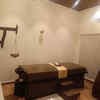
The introduction of a wellness center by MPTDC injects a fresh, contemporary dimension into this ancient narrative. By offering meditation and therapy services, the new heritage hotel is not merely providing accommodation but curating an experience. Imagine beginning your day with a guided meditation session overlooking a serene courtyard, followed by a therapeutic massage, before stepping out to explore the bustling ghats of the Shipra River or the architectural marvels of the city. This blend of spiritual pilgrimage and personal well-being is set to redefine the Ujjain tourist experience.
The Strategic Vision Behind MPTDC's Wellness Initiative
MPTDC's investment in wellness tourism is a calculated response to several converging trends. Firstly, the global wellness tourism market is booming, with travelers increasingly seeking experiences that promote health and well-being. Secondly, Ujjain periodically hosts the Simhastha Kumbh Mela, one of the largest peaceful gatherings on Earth, which draws millions of pilgrims. While the next Simhastha is still some years away, the anticipation and preparation bring increased tourist traffic and demand for high-quality amenities. By expanding room availability and offering specialized services now, MPTDC is laying the groundwork for sustainable growth.
The choice of a heritage property for this wellness center is also significant. Heritage hotels offer a unique charm, immersing guests in the local culture and history, a perfect complement to the spiritual quest. This combination creates an authentic and enriching environment conducive to healing and introspection, setting MPTDC's offering apart from generic wellness resorts. The holistic approach, integrating traditional therapies with modern comforts in a culturally resonant setting, is designed to appeal to both domestic and international visitors seeking a deeper connection with themselves and their surroundings.
Planning Your Spiritual & Wellness Journey to Ujjain
Embarking on a journey to Ujjain is an experience that resonates deeply. To make your trip smooth and memorable, here's an essential guide covering everything from getting there to navigating the city and staying connected.
Getting to Ujjain
Ujjain is well-connected by road and rail, with the nearest airport located in Indore.
- By Air: The closest airport is Devi Ahilyabai Holkar Airport (IDR) in Indore, approximately 55 km from Ujjain. It has excellent connectivity to major Indian cities like Delhi, Mumbai, Kolkata, Chennai, Hyderabad, and Bengaluru.
- By Rail: Ujjain Junction (UJN) is a major railway station, well-connected to various parts of India. Many express and passenger trains halt here.
- By Road: Ujjain is easily accessible by road from nearby cities like Indore, Bhopal, Ratlam, and Ahmedabad. Both private and state-run bus services operate regularly.
Airport to City Transport Guide (from Indore Airport to Ujjain)
Getting from Indore Airport to Ujjain requires a bit of planning, but several convenient options are available to suit various budgets and preferences.
Prepaid Taxis
Upon exiting the Indore airport terminal, you'll find prepaid taxi counters. This is often the most hassle-free option, especially if you have luggage or are traveling with family. The fare is fixed, and you won't need to negotiate. The journey to Ujjain takes approximately 1 to 1.5 hours, depending on traffic.
Ride-sharing from Airport
App-based taxi services like Ola and Uber operate extensively in Indore and can be booked directly from your smartphone. Simply download the app, set your destination as Ujjain, and a driver will pick you up from the designated ride-sharing zone. This option often offers competitive pricing compared to prepaid taxis and gives you the flexibility to track your ride.
Bus Services to Ujjain
For a more economical option, you can take a bus. From Indore Airport, you'll first need to reach the main Sarwate Bus Stand or Gangwal Bus Stand in Indore. You can do this via an auto-rickshaw or a local bus from the airport. From these bus stands, frequent MPTDC and private buses run to Ujjain. The bus journey from Indore to Ujjain usually takes around 1.5 to 2 hours. This option is suitable for budget travelers but may involve more transfers and travel time.
Train Options (Indore to Ujjain)
While not directly from the airport, you can also consider taking a train from Indore to Ujjain. From the airport, you'd need to travel to Indore Junction railway station (IDR). There are frequent local and express trains connecting Indore and Ujjain. This can be a comfortable and scenic option, especially if you prefer rail travel, but it does add an extra leg of transport from the airport to the railway station.
Public Transport Guide in Ujjain
Once you're in Ujjain, navigating the city's key attractions is relatively easy with its diverse public transport options.
Auto-rickshaws
Auto-rickshaws are the most common and convenient mode of transport for short to medium distances within Ujjain. They are readily available almost everywhere. It's advisable to negotiate the fare before starting your journey, especially if the auto doesn't have a meter or the driver is unwilling to use it. For popular routes, drivers often have fixed rates.
Cycle-rickshaws
For very short distances, especially in crowded market areas or narrow lanes where auto-rickshaws might struggle, cycle-rickshaws are a traditional and eco-friendly option. They offer a slower pace, allowing you to soak in the local atmosphere. Again, agree on the fare beforehand.
Local Buses
Ujjain has a local bus network that connects various parts of the city. While not as extensive or frequently used by tourists as auto-rickshaws, they are the cheapest mode of transport for longer routes if you are comfortable navigating local routes and crowds. Look for MPTDC city buses or private operators.
Ride-sharing Apps (Ola/Uber)
While not as ubiquitous as in larger metropolitan areas, Ola (and sometimes Uber) services are available in Ujjain, particularly for rides to and from key locations like the railway station, bus stand, or major temples. These apps offer transparent pricing and convenience, making them a good alternative to negotiating with auto-rickshaw drivers. However, availability can sometimes be inconsistent, especially in less central areas.
Car Rental / Bike Rental Options in Ujjain
For those who prefer independent travel or plan to explore areas outside the main city, car and bike rental options are available.
Self-drive Car Rentals
Several car rental agencies in Ujjain (and more extensively in Indore) offer self-drive cars. This option provides maximum flexibility to explore Ujjain and its surroundings at your own pace. You'll typically need a valid driving license (international driving permit for foreign tourists), ID proof, and a security deposit. It’s recommended to book in advance, especially during peak seasons.
Chauffeur-driven Cars
If you prefer not to drive, hiring a chauffeur-driven car is an excellent option. This allows you to relax and enjoy the scenery while a local driver navigates. You can hire them for a full day or for specific point-to-point transfers. Hotels, including MPTDC properties, can often assist with arranging reliable car rentals with drivers. This is a comfortable choice for families or groups.
Bike Rentals (Scooters, Motorcycles)
For solo travelers or couples looking for an adventurous and flexible way to explore, bike rentals are available in Ujjain. Scooters are popular for city commutes, while motorcycles can be rented for longer rides. Ensure you have a valid driving license (with a motorcycle endorsement), wear a helmet, and inspect the bike thoroughly before renting. Rental shops are typically found near the railway station or central market areas.
Budget Transport Tips for Ujjain
Traveling on a budget in Ujjain is entirely feasible with a few smart choices.
- Bargaining for Auto-rickshaws: Always negotiate the fare with auto-rickshaw drivers before you start your journey. A general rule of thumb is to try and get a price that feels reasonable for the distance, perhaps asking locals for typical rates.
- Utilize Local Buses: For longer routes, local buses are significantly cheaper than auto-rickshaws. While they may be slower and more crowded, they offer a genuine local experience.
- Consider Shared Autos/Vikrams: On popular routes, you might find shared auto-rickshaws (sometimes called Vikrams) that operate on fixed routes for a very nominal fare. They pick up and drop off multiple passengers.
- Walk Where Possible: Ujjain's central areas and temple precincts are often best explored on foot. This saves money and allows you to discover hidden gems and soak in the atmosphere.
- Book Return Trips: If you're hiring an auto for a round trip to a specific temple, sometimes negotiating a return fare upfront can be more economical than two separate one-way trips.
Staying Connected: Best SIM Card for Tourists in India
Staying connected is crucial for navigation, communication, and emergencies. Acquiring a local SIM card in India is relatively straightforward.
Major Providers (Airtel, Jio, Vodafone Idea)
The three largest telecom operators in India are Airtel, Reliance Jio, and Vodafone Idea (Vi). All offer excellent coverage in Ujjain and across India, with competitive data and call plans. Jio is known for its extensive 4G network and affordable data, while Airtel is often praised for its connectivity quality.
Documentation Required (Passport, Visa, Photo)
To purchase a SIM card as a tourist, you will typically need:
- Your original Passport: For identification.
- A valid Indian Visa: Or OCI card.
- One passport-sized photograph: Although some retailers might have cameras for instant photos.
- Local Address Proof: (Sometimes required, but often hotels can provide a letter).
- Flight Ticket/Boarding Pass: (Occasionally asked for as proof of recent arrival).
Activation Process
After submitting your documents and choosing a plan, the SIM card will be activated. This process usually involves a tele-verification step, where you call a toll-free number and confirm your details. Activation can take anywhere from a few hours to 24-48 hours. Ensure your phone is unlocked to accept Indian SIM cards.
E-SIM Options (if applicable for tourists)
Some providers, particularly Airtel and Jio, offer eSIM services. If your phone supports eSIM, this can be a convenient option as it eliminates the need for a physical SIM card. You can often activate it online or by visiting a store. However, purchasing a physical SIM card upon arrival is still the most common method for tourists.
Buying at Airport vs. City
You can purchase SIM cards at major international airports upon arrival (e.g., Delhi, Mumbai, Bengaluru). This is convenient but might be slightly more expensive. Alternatively, you can buy a SIM card from official stores of Airtel, Jio, or Vi in any major city like Indore or Ujjain. Buying from an authorized store ensures proper documentation and activation support. It's generally recommended to buy from official stores rather than small roadside vendors for reliability.
Ujjain's Spiritual Heartbeat: Must-Visit Attractions
While the new wellness center offers a tranquil retreat, Ujjain's spiritual and historical sites are the bedrock of its appeal.
- Mahakaleshwar Jyotirlinga Temple: The primary attraction, an ancient temple dedicated to Lord Shiva, one of the twelve Jyotirlingas. Experience the early morning Bhasma Aarti (ash ritual), a truly unique and powerful spiritual experience.
- Kal Bhairav Temple: Dedicated to the fierce manifestation of Lord Shiva, this temple is unique for its tradition of offering liquor to the deity.
- Harsiddhi Temple: One of the 51 Shakti Peeths, this temple is revered as the place where the elbow of Sati fell. It's particularly beautiful during evening aarti.
- Ram Ghat: Located on the banks of the Shipra River, this is where devotees take holy dips and perform various rituals. The evening aarti here is a mesmerizing spectacle of lamps and chants.
- Sandipani Ashram: The ancient abode where Lord Krishna, along with Balarama and Sudama, received his education from Guru Sandipani.
- Mangalnath Temple: Dedicated to Mars (Mangal), this temple is believed to be the birthplace of the planet according to Hindu mythology and is popular for astrological rituals.
- Vedh Shala (Jantar Mantar): An 18th-century observatory built by Maharaja Jai Singh II, used for astronomical calculations and studying planetary movements.
Embracing Ujjain's Culture and Cuisine
Ujjain's cultural fabric is rich and vibrant, deeply intertwined with its spiritual heritage.
- Local Markets: Explore the bustling markets around Mahakaleshwar Temple for religious paraphernalia, traditional handicrafts, textiles, and local snacks.
- Festivals: Ujjain comes alive during festivals like Shivratri, Diwali, and especially during the Simhastha Kumbh Mela, which occurs every 12 years.
- Cuisine: Being a pilgrimage city, Ujjain's culinary scene is predominantly vegetarian. Indulge in local delicacies like Poha, Jalebi, Kachori, and the traditional Malwi thali. Don't miss the refreshing local street food and sweets.
Accommodation in Ujjain
Ujjain offers a range of accommodation options, from budget guesthouses and dharamshalas to mid-range hotels and now, premium heritage properties with wellness facilities by MPTDC. Booking in advance, especially during peak pilgrimage seasons or festivals, is highly recommended. The MPTDC heritage hotel with its new wellness center is poised to be a top choice for those seeking comfort, cultural immersion, and holistic rejuvenation.
The Future of Tourism in Ujjain: A Holistic Vision
MPTDC's initiative marks a significant turning point for Ujjain tourism. By diversifying its offerings beyond traditional pilgrimage, the city is tapping into a global movement towards mindful travel. The blend of ancient spiritual practices, heritage hospitality, and modern therapeutic techniques makes Ujjain a unique destination for those seeking profound personal growth and tranquility.
The anticipation of increased tourist traffic, particularly before events like Simhastha, underscores the strategic importance of this development. It will not only enhance the visitor experience but also create economic opportunities for the local community, promoting sustainable tourism growth in the region. Ujjain is evolving, gracefully marrying its illustrious past with a promising future, inviting travelers to embark on a journey that soothes the soul and invigorates the spirit.
Frequently Asked Questions (FAQ) about Visiting Ujjain
Q1: What is the best time to visit Ujjain?
A1: The best time to visit Ujjain is during the winter months, from October to March, when the weather is pleasant and ideal for sightseeing. Summers (April to June) can be very hot, and the monsoon season (July to September) brings heavy rainfall.
Q2: What is the significance of the Mahakaleshwar Jyotirlinga Temple?
A2: The Mahakaleshwar Jyotirlinga Temple is one of the twelve most sacred shrines of Lord Shiva in India. It is unique as it is the only Jyotirlinga facing south (Dakshinamukhi). Devotees believe that visiting this temple grants liberation from the cycle of rebirth. The Bhasma Aarti (ash ritual) is a significant ceremony performed here daily before dawn.
Q3: How can I book a slot for the Bhasma Aarti at Mahakaleshwar Temple?
A3: Slots for Bhasma Aarti must be booked well in advance, either online through the official Mahakaleshwar Temple website or offline at the temple counter. Due to high demand, especially during festivals, it is crucial to book at least a week or two ahead. Dress code is strictly enforced (traditional attire, no leather products).
Q4: Is Ujjain a safe city for solo female travelers?
A4: Ujjain is generally considered safe for solo female travelers. However, like any travel destination, it's advisable to take standard precautions: avoid walking alone in secluded areas at night, be aware of your surroundings, and use reputable transport services. Dressing modestly is also recommended given the city's spiritual nature.
Q5: What kind of wellness therapies are offered at MPTDC's new center?
A5: MPTDC's new wellness center focuses on meditation and various therapies. While specific details would be available directly from the hotel, these typically include traditional Indian wellness practices such as Ayurvedic massages, yoga sessions, mindfulness meditation, detox programs, and perhaps other holistic healing modalities aimed at mental and physical rejuvenation.
Q6: What local food items should I try in Ujjain?
A6: Ujjain offers delicious vegetarian cuisine. Must-try local specialties include Poha (flattened rice dish), Jalebi (sweet pretzel-like dessert), Kachori (savory fried pastry), Sabudana Khichdi (tapioca pearl dish), and the authentic Malwi Thali, which is a platter of local breads, curries, and sweets.
Q7: Can I use digital payment methods (UPI) in Ujjain?
A7: Yes, India has widely adopted digital payment methods like UPI (Unified Payments Interface). Most shops, restaurants, auto-rickshaws, and even street vendors in Ujjain accept payments via UPI apps like Google Pay, PhonePe, or Paytm. It's highly convenient, but always good to carry some cash for smaller vendors or emergencies.
Q8: How far is Ujjain from Indore, and what are the transport options?
A8: Ujjain is approximately 55-60 kilometers from Indore. Transport options include prepaid taxis, app-based cabs (Ola/Uber), intercity buses (frequent services from Indore's main bus stands), and local trains from Indore Junction. The journey usually takes between 1 to 2 hours depending on the mode of transport and traffic.