Cape Town: Unveiling the Charms of South Africa's Mother City – A Comprehensive Travel Guide
Welcome to Cape Town: Where Mountains Meet the Ocean
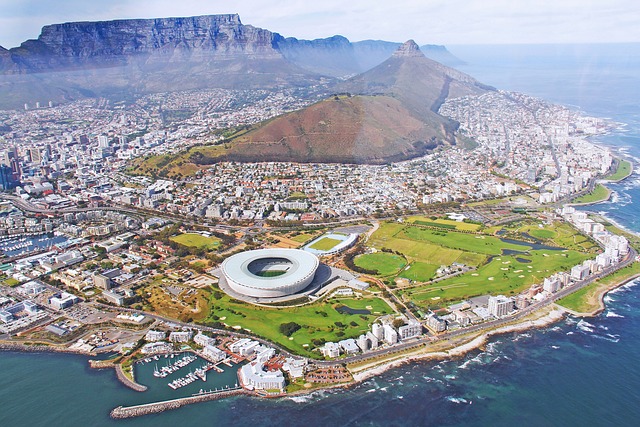
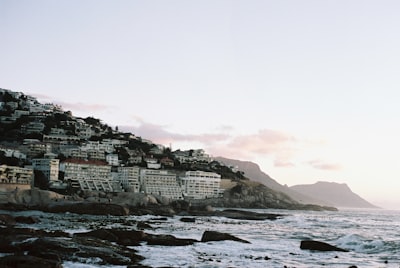
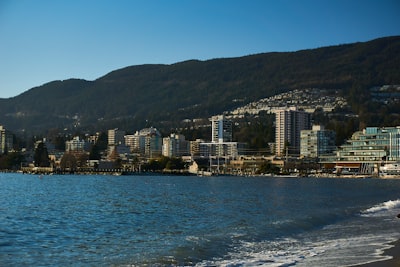
Cape Town, often hailed as South Africa's "Mother City," is an enchanting metropolis nestled at the continent's southern tip. It’s a city where dramatic, craggy mountains plunge into the vast expanse of the Atlantic and Indian Oceans, creating a landscape of breathtaking beauty that captivates every visitor. Beyond its stunning natural wonders, Cape Town boasts a rich tapestry of diverse cultures, a profound history, and a vibrant contemporary scene that ensures there's something for every kind of traveler. From the iconic flat-topped silhouette of Table Mountain to the poignant history of Robben Island, and from pristine white-sand beaches to bustling markets, Cape Town promises an adventure that will linger in your memory long after you've departed its shores.
Exploring Cape Town's Iconic Landmarks and Natural Wonders
Cape Town's allure lies in its ability to blend natural splendor with historical depth and modern vibrancy. Each corner turned reveals a new facet of its charm, inviting exploration and discovery.
Table Mountain: A Majestic Sentinel
Dominating Cape Town's skyline, Table Mountain is more than just a geological wonder; it's the city's undisputed heart and soul. Rising over 1,000 meters above sea level, its flat top offers panoramic views that are simply unparalleled.
Getting There: The most popular way to reach the summit is via the Table Mountain Aerial Cableway. Rotating cable cars provide 360-degree views as you ascend, making the journey an experience in itself. Booking tickets online in advance is highly recommended, especially during peak season, to avoid long queues.
Hiking: For the adventurous, numerous hiking trails lead to the top, ranging from the relatively easy Platteklip Gorge (a challenging but direct route) to more strenuous paths like Skeleton Gorge or Maclear’s Beacon. Always check weather conditions, carry water, and inform someone of your plans before embarking on a hike.
Views & Activities: Once at the top, explore the various walkways, soak in the breathtaking vistas of the city, coastline, and surrounding mountains, and keep an eye out for the unique fynbos vegetation and dassies (rock hyraxes). The best time to visit is often early morning or late afternoon to catch the magical light and avoid crowds.
Robben Island: A Journey Through History
A UNESCO World Heritage Site, Robben Island stands as a powerful symbol of human resilience and the triumph of democracy over oppression. It was here that Nelson Mandela, along with many other political prisoners, was incarcerated during the apartheid era.
The Experience: A visit to Robben Island is a profoundly moving experience. Ferries depart from the V&A Waterfront, and tours are led by former political prisoners, offering incredibly personal and authentic insights into the island's history. You’ll visit Mandela’s cell, the lime quarry where prisoners toiled, and learn about the daily struggles and spirit of defiance.
Booking: Due to its immense popularity and limited ferry capacity, booking your Robben Island tour several weeks in advance is absolutely essential, especially during high season.
V&A Waterfront: Hub of Activity
The Victoria & Alfred Waterfront is a bustling, world-class attraction that seamlessly blends historical charm with modern amenities. Once a working harbor, it's now a vibrant precinct offering an array of experiences.
Shopping & Dining: Indulge in retail therapy at designer boutiques and local craft markets, or savor diverse culinary delights at numerous restaurants, from casual eateries to fine dining establishments, many offering stunning harbor views.
Entertainment: The Waterfront is home to the Two Oceans Aquarium, offering a mesmerizing glimpse into the marine life of the Atlantic and Indian Oceans. You can also enjoy boat trips, harbor cruises, helicopter tours, or simply watch the seals play in the docks. There's often live music and street performers, creating a lively atmosphere.
Cape Point: Where Two Oceans Embrace
At the southernmost tip of the Cape Peninsula lies Cape Point, a dramatic and awe-inspiring nature reserve where rugged cliffs plunge into the tumultuous meeting point of the Atlantic and Indian Oceans.
Views & Wildlife: Take the Flying Dutchman Funicular or hike up to the old lighthouse for spectacular 360-degree views. Explore the diverse fynbos flora and keep an eye out for baboons, ostriches, and various antelope species. Be cautious with baboons; do not feed them and keep your distance.
Diaz Beach & Cape of Good Hope: Nearby, you’ll find the iconic sign marking the Cape of Good Hope, historically significant as a maritime landmark. A short walk leads to the pristine Diaz Beach, a secluded cove perfect for a quiet moment.
Boulders Beach: Meet the African Penguins
Located in the charming naval town of Simon's Town, Boulders Beach is home to a protected colony of adorable African Penguins. These charming creatures waddle, preen, and swim in the sheltered coves, offering a truly unique wildlife encounter.
Viewing: Boardwalks provide excellent viewing opportunities without disturbing the birds. You can often get incredibly close for fantastic photo opportunities.
Swimming: There are designated areas where visitors can swim alongside the penguins, though the water can be chilly! It's an unforgettable experience to share the ocean with these delightful birds.
Beyond the Icons: More Cape Town Experiences
- Bo-Kaap: Wander through the colorful streets of Bo-Kaap, a historic residential area famous for its vibrant houses and rich Cape Malay culture. Discover its unique culinary traditions and fascinating history.
- Kirstenbosch National Botanical Garden: Nestled on the eastern slopes of Table Mountain, this world-renowned garden showcases South Africa's indigenous flora in a spectacular setting. Perfect for leisurely strolls, picnics, or summer concerts.
- District Six Museum: A powerful and moving tribute to a vibrant community forcibly removed during apartheid, offering poignant insights into Cape Town’s social history.
- Chapman's Peak Drive: One of the most scenic coastal drives in the world, "Chappies" winds its way between Noordhoek and Hout Bay, offering breathtaking ocean views and dramatic cliff faces. A toll road, but worth every rand for the photo opportunities.
- Wine Tasting in Constantia: Just a short drive from the city center, the Constantia Valley is South Africa's oldest wine-producing region. Enjoy exquisite wine tastings amidst stunning vineyard landscapes.
Navigating Cape Town: Your Transport Guide
Getting around Cape Town can be an adventure in itself. Understanding your options will help you explore the city efficiently and safely.
Airport to City: Smooth Arrivals
Upon landing at Cape Town International Airport (CPT), you have several reliable options to reach your accommodation in the city center or surrounding suburbs.
- MyCiTi Airport Express: This is often the most cost-effective and efficient option. The MyCiTi bus service runs regularly from the airport terminal to the Civic Centre station in the city bowl. From there, you can connect to other MyCiTi routes or use a ride-hailing service for your final leg. You'll need to purchase a MyCiTi mPOS card (R35-R50) at the airport station, which you then load with value for your fare.
- Airport Shuttles: Various private shuttle companies offer direct transfers to hotels or specific addresses. These can be pre-booked online and are convenient, especially for groups or those with lots of luggage. Expect prices to be higher than MyCiTi but lower than private taxis.
- Ride-Hailing Apps (Uber/Bolt): Uber and Bolt are widely available and reliable in Cape Town. Simply request a ride via the app, and a driver will meet you at the designated pick-up zone outside the arrivals terminal. This offers convenience and transparent pricing. Fares vary based on demand and destination but are generally competitive.
- Metered Taxis: Licensed metered taxis are available at the airport. Always ensure the taxi is legitimate, has a meter, and agree on an approximate fare before starting your journey to avoid surprises.
Public Transport in the Mother City
While car rental offers flexibility, Cape Town's public transport system can be a good option for certain routes and for budget-conscious travelers.
MyCiTi Bus System: Modern & Efficient
The MyCiTi bus service is Cape Town’s flagship public transport system, designed with tourists and commuters in mind.
How it Works: The system uses dedicated bus lanes and modern, clean buses. To use it, you need to purchase a MyCiTi mPOS card (available at MyCiTi stations or participating retailers) and load it with money. You tap in when you board and tap out when you exit, and the fare is automatically deducted.
Routes & Coverage: MyCiTi covers key areas of the city, including the city bowl, V&A Waterfront, Sea Point, Camps Bay, Hout Bay, and the airport. It's an excellent way to reach many major tourist attractions.
Pros: Punctual, clean, relatively safe, and affordable.
Cons: Does not cover all areas of the city extensively, especially some southern suburbs. May require transfers.
Golden Arrow Bus Services & Metrorail Trains: Local Insights
- Golden Arrow Buses: These traditional buses serve a much wider network, connecting the city to surrounding townships and residential areas. While very affordable, they can be less intuitive for tourists to navigate and are primarily used by locals. Safety can be a concern in certain areas, especially after dark.
- Metrorail Trains: Cape Town has a commuter rail network, but it is generally not recommended for tourists due to safety concerns and unreliability. It serves mainly local commuters.
Ride-Hailing Apps: Convenience at Your Fingertips
Uber and Bolt (formerly Taxify) are extremely popular and widely used throughout Cape Town.
Pros: Convenient, often cheaper than metered taxis, transparent pricing, easy to use via smartphone app, good for reaching areas not covered by MyCiTi.
Cons: Can be affected by peak hour traffic, dynamic pricing ("surge" pricing) during high demand, requires a working smartphone and data.
Safety Tip: Always check the driver's details and vehicle license plate against the app before entering the car. Travel in groups at night if possible.
Car Rental & Bike Rental Options: Freedom to Explore
For ultimate flexibility, especially if you plan to explore beyond the immediate city center (like the Winelands, Garden Route, or West Coast), renting a car is highly recommended.
- Car Rental: Major international rental companies (Avis, Hertz, Europcar, Budget, Thrifty) and local providers have desks at the airport and city locations.
- Driving: South Africans drive on the left-hand side of the road. Roads are generally well-maintained, but be aware of traffic congestion in peak hours, especially around the city bowl.
- Parking: Parking can be challenging in popular areas. Look for designated parking garages or street parking with car guards (it’s customary to tip them R5-R10 when you leave).
- Considerations: A car provides freedom for day trips (e.g., Stellenbosch, Hermanus, Cape Point). However, it might be an unnecessary expense if you plan to stick mainly to the city center and use MyCiTi or ride-hailing. Ensure your rental includes sufficient insurance.
- City Bikes: Several companies offer bicycle rentals for exploring the city, beachfront promenades (like Sea Point), and local neighborhoods. E-bikes are also becoming popular for tackling Cape Town's hills.
- Cycling Tours: Guided cycling tours are a fantastic way to discover areas like Bo-Kaap, the Waterfront, or even longer routes along the coast.
- Mountain Biking: For avid mountain bikers, there are excellent trails on Table Mountain (with permits) and in surrounding areas.
Budget Transport Tips: Saving Rands on the Go
Traveling around Cape Town doesn't have to break the bank. Here's how to keep your transport costs down:
- Embrace the MyCiTi Card: If you plan to use MyCiTi regularly, loading a larger sum onto your mPOS card often provides better value per trip compared to buying single journey tickets.
- Walk Whenever Possible: Cape Town is a highly walkable city in many areas, particularly the city bowl, Bo-Kaap, and the V&A Waterfront. This is not only free but also the best way to soak in the atmosphere.
- Combine Modes of Transport: For longer distances, use MyCiTi for the main leg, then a short Uber/Bolt ride or a walk to your final destination.
- Free Waterfront Shuttle: Some hotels near the V&A Waterfront offer complimentary shuttle services to and from the precinct. Check with your accommodation.
- Consider Carpooling for Day Trips: If renting a car for day trips, share the cost with fellow travelers.
- Avoid Peak Hour Surges: If using ride-hailing apps, try to avoid travel during typical rush hours (7-9 AM and 4-6 PM) when surge pricing is most likely.
Staying Connected: Best SIM Card for Tourists
Staying connected is essential for navigation, booking, and keeping in touch. Getting a local SIM card is straightforward and highly recommended.
- Major Providers: South Africa has four main mobile networks: Vodacom, MTN, Cell C, and Telkom. Vodacom and MTN generally offer the widest coverage and most reliable service, especially outside major cities.
- Where to Buy: You can purchase SIM cards at dedicated stores for each network at the airport, shopping malls, or independent phone shops. They are also sometimes available at supermarkets and convenience stores.
- RICA Registration: By law, all SIM cards in South Africa must be "RICA" registered. This requires a valid passport and proof of address (your hotel booking or a letter from your accommodation is usually sufficient). This process is quick and done at the point of sale.
- Data Packages: Once your SIM is active, you can purchase various data bundles, often at much better rates than international roaming. Vodacom and MTN frequently offer special tourist SIM packages with generous data, calls, and SMS allowances. Expect to pay anywhere from R100-R300 for a decent data bundle lasting a few weeks.
Culinary Delights and Nightlife in Cape Town
Cape Town's food scene is a vibrant fusion of cultures and flavors, promising a gastronomic adventure.
- Diverse Cuisine: From fresh seafood caught daily to traditional Cape Malay curries in Bo-Kaap, and from international fine dining to casual street food, there’s something for every palate. Don't miss trying local specialties like bobotie, biltong, and malva pudding.
- Food Markets: Explore the buzzing markets like the Neighbourgoods Market at the Old Biscuit Mill (Saturdays) or the Oranjezicht City Farm Market (weekends) for artisanal produce, gourmet street food, and unique crafts.
- Winelands: Cape Town is the gateway to some of the world's most renowned wine regions. Beyond Constantia, day trips to Stellenbosch, Franschhoek, and Paarl offer exquisite wine tasting experiences, often paired with gourmet meals amidst stunning vineyard landscapes.
- Nightlife: Long Street and Bree Street in the city center are the epicenters of Cape Town's nightlife, boasting a wide array of bars, clubs, and live music venues catering to all tastes.
Practical Tips for Your Cape Town Adventure
- Best Time to Visit: The summer months (November to February) offer warm, sunny weather perfect for beaches, but also bring higher prices and larger crowds. Spring (September-October) and Autumn (March-April) offer pleasant temperatures, fewer tourists, and are often considered ideal. Winter (May-August) is cooler and wetter but can be great for whale watching and enjoys lower prices.
- Safety Advice: While generally safe in tourist areas, exercise caution. Be aware of your surroundings, avoid walking alone at night, keep valuables out of sight, and use reputable transport services. Consult with locals or your accommodation for specific safety tips in different areas.
- Currency & Tipping: The local currency is the South African Rand (ZAR). Credit cards are widely accepted. Tipping is customary; 10-15% for good service at restaurants, and a few Rands for car guards or petrol attendants.
- Water: Tap water in Cape Town is generally safe to drink, though bottled water is widely available.
- Sun Protection: The African sun can be intense. Always use high-SPF sunscreen, wear a hat, and stay hydrated, even on cloudy days.
Frequently Asked Questions (FAQ) About Cape Town
Q: Is Cape Town safe for tourists?
A: Cape Town is generally safe for tourists, especially in well-frequented areas like the V&A Waterfront, city bowl, and popular beaches. However, like any major city, petty crime can occur. It's advisable to be aware of your surroundings, avoid walking alone at night, secure your belongings, and use reputable transport options like Uber/Bolt or MyCiTi.
Q: How many days do I need in Cape Town?
A: To truly experience Cape Town's main attractions and get a feel for the city, a minimum of 5 to 7 days is recommended. This allows enough time for Table Mountain, Robben Island, Cape Point, and some leisure time, possibly including a day trip to the Winelands.
Q: What's the local currency?
A: The local currency is the South African Rand (ZAR). Credit cards are widely accepted throughout the city.
Q: Do I need a visa for South Africa?
A: Visa requirements vary by nationality. Many countries, including the USA, UK, Australia, and most EU nations, do not require a visa for stays up to 90 days. Always check the latest visa regulations with the South African embassy or consulate in your country before traveling.
Q: Can I drink tap water in Cape Town?
A: Yes, tap water in Cape Town is generally safe to drink. The city has good water treatment facilities. However, if you have a sensitive stomach or prefer, bottled water is readily available.
Q: What is the best way to get around Cape Town?
A: A combination of methods works best. For city exploration, the MyCiTi bus system is efficient and affordable. Ride-hailing apps (Uber/Bolt) are excellent for convenience and reaching specific destinations. For day trips outside the city (like the Winelands or Garden Route), renting a car offers the most flexibility.
Conclusion: Your Unforgettable Journey Awaits
Cape Town is more than just a destination; it's an experience that awakens the senses and nourishes the soul. With its majestic natural beauty, profound historical narratives, and vibrant contemporary culture, the Mother City offers an unparalleled travel adventure. From the heights of Table Mountain to the poignant shores of Robben Island, and from the bustling V&A Waterfront to the serene penguin colonies of Boulders Beach, every moment in Cape Town is an opportunity for discovery. Pack your bags, prepare for an immersive journey, and let Cape Town captivate you with its unique charm and indelible spirit. Your unforgettable South African adventure awaits!