info@24x7tt.com

info@24x7tt.com
Blog Detail


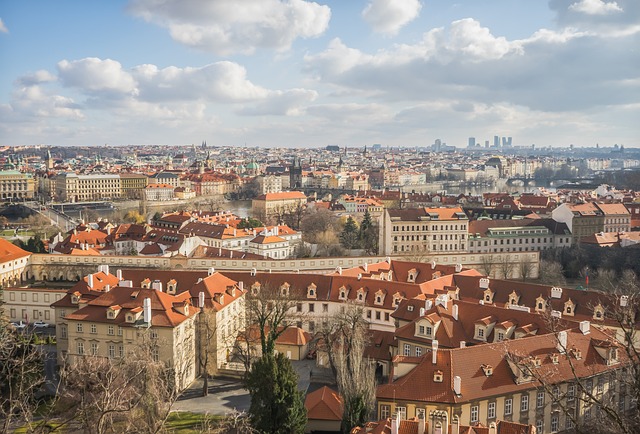
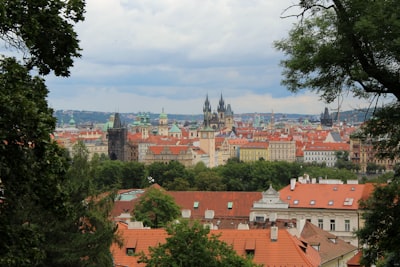
Nestled in the heart of Europe, Prague, the illustrious capital of the Czech Republic, isn't just a city; it's a living, breathing fairy tale. With its awe-inspiring medieval architecture, intricate cobblestone streets, and iconic bridges gracefully spanning the Vltava River, Prague exudes an old-world charm that captivates every visitor. This is a city where history doesn't just reside in museums but whispers from every gargoyle, every spire, and every ancient square. It’s a place where romance intertwines with centuries of history, creating an atmosphere that is both grand and intimately magical. From the majestic Prague Castle dominating the skyline to the bustling Old Town Square, prepare to be transported to an era of kings, alchemists, and timeless beauty. This comprehensive guide will help you navigate its wonders, from its most famous landmarks to the practicalities of a smooth and unforgettable journey.
Prague's allure lies in its incredibly preserved historical core, a UNESCO World Heritage site that beckons exploration. Each landmark tells a story, contributing to the city's rich tapestry.
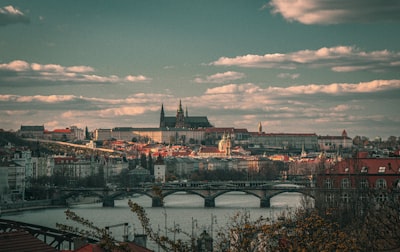
Dominating the city's skyline from its perch above the Vltava, Prague Castle is not merely a castle but an expansive complex of palaces, churches, gardens, and alleyways. Recognized by the Guinness Book of Records as the largest ancient castle in the world, its origins date back to the 9th century. Today, it serves as the official office of the President of the Czech Republic. A visit here demands several hours, as you explore St. Vitus Cathedral with its stunning stained-glass windows by Alfons Mucha, the Old Royal Palace, St. George's Basilica, and the charming Golden Lane. Golden Lane, with its tiny, colorful houses, once housed alchemists and later Franz Kafka, offering a glimpse into centuries of life within the castle walls. The panoramic views of the city from the castle grounds, especially at sunset, are simply breathtaking.
Connecting the Old Town with Malá Strana (Lesser Town), the Charles Bridge is more than just a crossing; it's an open-air gallery and a symbol of Prague. Commissioned by Emperor Charles IV in 1357, this pedestrian bridge is adorned with 30 Baroque statues of saints, each with its own story and artistic flair. As you stroll across, you'll encounter street artists, musicians, and vendors, adding to its vibrant atmosphere. Touching the statue of St. John of Nepomuk is said to bring good luck and ensure your return to Prague. Early mornings offer a serene experience, free from the bustling crowds, allowing you to appreciate the intricate details and the misty views of the castle and river.
At the very core of Prague's historic center lies the Old Town Square, a magnificent expanse surrounded by stunning architecture. This vibrant plaza has been the site of markets, political events, and public executions for centuries. Dominated by the Old Town Hall and the Church of Our Lady before Týn, the square is a feast for the eyes. You’ll find horse-drawn carriages, street performers, and numerous cafés perfect for people-watching. The square truly comes alive during festive seasons, hosting famous Christmas and Easter markets that fill the air with cheer and the scent of mulled wine.
Perched on the southern wall of the Old Town Hall, the Prague Astronomical Clock (Orloj) is an engineering marvel dating back to 1410, making it the third-oldest astronomical clock in the world and the oldest one still operating. Every hour, from 9 AM to 11 PM, crowds gather to watch "The Walk of the Apostles," a mechanical show where figures representing vanity, greed, death, and the Turk move, culminating in the chime of a rooster. Beyond the hourly show, the clock itself is a complex masterpiece, displaying the time, calendar, and astronomical positions, a testament to medieval ingenuity.
For those seeking respite from the city's hustle and bustle, Petřín Hill offers lush greenery and unparalleled panoramic views. Easily accessible via a funicular railway (covered by public transport tickets), the hill is home to several attractions. Climb the Petřín Lookout Tower, a mini Eiffel Tower replica, for the most expansive vistas of Prague Castle, the Vltava River, and the entire city. Other highlights include the beautiful Rose Garden, the Mirror Maze, and the Štefánik Observatory. It's an ideal spot for a leisurely walk, a picnic, or simply enjoying nature.
While the main landmarks are essential, Prague offers countless other treasures.
Explore the poignant history of Prague's Jewish community through its preserved synagogues, the Old Jewish Cemetery, and the Jewish Museum. It's a powerful experience offering insight into a significant part of the city's past.
Near Prague Castle, this magnificent monastery houses two stunning Baroque libraries – the Theological Hall and the Philosophical Hall – with ornate frescoes and ancient manuscripts. It's a serene escape and a marvel of intellectual history.
A boat cruise along the Vltava River offers a unique perspective of Prague’s landmarks. See the castle, Charles Bridge, and numerous other architectural gems from a different angle, especially enchanting during sunset with the city lights twinkling.
No trip to Prague is complete without indulging in its hearty and delicious cuisine. Traditional Czech food is rich, comforting, and pairs perfectly with the local beer.
The Czech Republic has the highest beer consumption per capita in the world, and Prague is its epicenter. Czech beer, particularly Pilsner Urquell, Staropramen, and Kozel, is world-renowned for its quality and affordability. Visit a traditional pub (hospoda) for an authentic experience, or explore one of the many microbreweries.
Staying connected in Prague is straightforward. You have several excellent options:
Prague boasts an efficient, extensive, and reliable public transport system (Pražská integrovaná doprava - PID) consisting of trams, metro, and buses. It’s highly recommended for navigating the city.
Tickets: Tickets are integrated and valid for all modes of transport. You can buy them for various durations:
Tickets can be purchased from:
Validation: Remember to validate your ticket immediately upon entering the metro station (before going down the escalator) or upon boarding a tram/bus. Look for small yellow boxes with a slot. Failure to validate can result in a hefty fine.
Car Rental: While car rental is available from major international companies (Hertz, Avis, Europcar, Sixt) at the airport and in the city center, it's generally *not recommended* for exploring central Prague. The city center is largely pedestrianized, parking is difficult and expensive, and public transport is excellent. A car might be useful for day trips outside Prague to explore the wider Czech Republic, but for the city itself, it's more of a hindrance than a help.
Bike Rental: Prague is becoming increasingly bike-friendly, especially along the Vltava River and in parks. You can rent bikes from various shops in the city center or use bike-sharing services like Rekola or Nextbike for shorter rides. This is a fantastic way to explore areas like the riverbanks, Letná Park, or Stromovka Park, offering a different perspective of the city.
Getting from Václav Havel Airport to the city center is straightforward with several options:
Prague truly is a city that captures the imagination. From its ancient castles and majestic bridges to its vibrant squares and delectable cuisine, every corner tells a story. Whether you're a history buff, a romantic soul, or an adventurous foodie, Prague offers an unforgettable journey into the heart of European charm. With efficient transport, welcoming locals, and a wealth of attractions, your Czech fairy tale is ready to unfold. Pack your bags, lace up your walking shoes, and prepare to be enchanted by the timeless beauty of Prague.
A1: Compared to Western European capitals like Paris or London, Prague is generally more affordable. Accommodation, food, public transport, and beer are all reasonably priced. However, prices in the immediate vicinity of major tourist attractions (like Old Town Square) can be higher. Sticking to local eateries and using public transport can help keep costs down.
A2: Spring (April-May) and Autumn (September-October) are often considered the best times due to pleasant weather, fewer crowds, and beautiful scenery (blossoms in spring, colorful foliage in autumn). Summer (June-August) is popular but can be very crowded and warm. Winter (November-March) offers magical Christmas markets and a chance to see the city under snow, though it can be very cold.
A3: A minimum of 3 full days is recommended to cover Prague's main highlights without feeling rushed. This allows for a day around Prague Castle and Malá Strana, a day exploring Old Town and the Jewish Quarter, and another day for Petřín Hill, a river cruise, or exploring other neighborhoods. If you plan day trips or want a more relaxed pace, 5-7 days would be ideal.
A4: While the official currency is the Czech Koruna (CZK), some larger shops, restaurants, and hotels in tourist areas might accept Euros. However, the exchange rate offered will likely be unfavorable. It's always best to pay in CZK. You can exchange currency at banks or reputable exchange offices, or simply withdraw CZK from ATMs.
A5: Absolutely! Prague's public transport system (metro, trams, buses) is very user-friendly, efficient, and well-signposted in English. Comprehensive maps are available, and apps like Google Maps provide accurate real-time directions. Remember to validate your ticket upon boarding or entering a metro station to avoid fines.
A6: Beyond typical souvenirs, look for Bohemian crystal and glassware, garnet jewelry, traditional wooden toys, local Czech beer, Becherovka (a traditional herbal liqueur), or local art. Marionettes and puppets are also a popular and unique souvenir from Prague.
A7: Tipping is customary but not mandatory. In restaurants, a tip of 10% is standard for good service. For small purchases, rounding up to the nearest 10 CZK or a small tip is common. For taxi drivers, rounding up is also appreciated. Always check if a service charge is already included, especially in restaurants.