Dubai: Where Desert Dreams Meet Futuristic Realities – An Ultimate Travel Guide
Dubai: Where Desert Dreams Meet Futuristic Realities – An Ultimate Travel Guide
Welcome to Dubai, a city that defies expectations, blossoming from the Arabian Desert into a global icon of innovation, luxury, and adventure. More than just a playground for the opulent, Dubai offers a mosaic of experiences, blending its rich Bedouin heritage with unparalleled modernity. From the world's tallest skyscrapers piercing the clouds to pristine man-made islands, thrilling desert safaris, and bustling traditional souks, this emirate promises an unforgettable journey.
This comprehensive guide will navigate you through Dubai’s most captivating attractions, unlock its practical travel secrets, and equip you with everything you need to explore this dazzling destination like a seasoned traveler. Get ready to discover why Dubai isn't just a city; it's a living marvel, constantly evolving and always enchanting.
The Dazzling Tapestry of Dubai’s Attractions
Dubai’s landscape is a testament to human ambition, boasting a collection of world-renowned landmarks and experiences that cater to every taste.
Architectural Wonders and Urban Grandeur
Dubai’s skyline is an ever-changing canvas of architectural brilliance. The city is a living museum of record-breaking structures that leave visitors in awe.
The Burj Khalifa: Reaching for the Stars
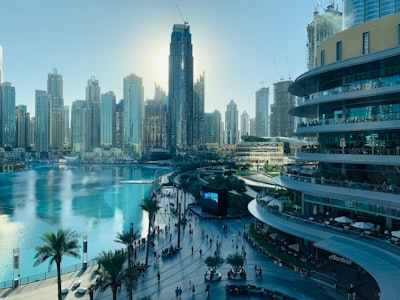
No visit to Dubai is complete without ascending the mighty Burj Khalifa, the tallest building in the world. Standing at an astonishing 828 meters, this architectural masterpiece offers unparalleled panoramic views of the sprawling city, the vast desert, and the shimmering Arabian Gulf. Choose from two observation decks: "At The Top" on levels 124 and 125, or the even more exclusive "At The Top SKY" on level 148, which also holds the record for the world's highest outdoor observation deck. Witnessing a sunset from here, as the city lights begin to twinkle, is an experience etched in memory forever. The surrounding Downtown Dubai area also hosts the spectacular Dubai Fountain show, a choreographed symphony of water, music, and light that dances at the foot of the Burj Khalifa, providing a mesmerizing free spectacle every evening.
The Dubai Mall: Beyond Retail Therapy
Adjacent to the Burj Khalifa lies The Dubai Mall, not merely a shopping destination but an entertainment complex in its own right. Boasting over 1,200 shops, it's one of the world's largest malls. But beyond high fashion and luxury brands, the mall offers an array of attractions: the Dubai Aquarium & Underwater Zoo, home to thousands of aquatic animals; the Olympic-sized Dubai Ice Rink; VR Park for virtual reality adventures; and KidZania, an interactive edutainment center for children. It’s a place where you can easily spend an entire day, blending shopping with world-class entertainment and dining.
Man-Made Marvels and Island Escapes
Dubai's innovative spirit extends to transforming its coastline, creating breathtaking artificial islands that host some of the world's most luxurious resorts and residential areas.
Palm Jumeirah: An Iconic Island Oasis
The Palm Jumeirah is a marvel of engineering, a colossal palm-tree-shaped archipelago visible from space. This iconic man-made island is home to some of Dubai's most extravagant resorts, including the Atlantis, The Palm, famous for its Aquaventure Waterpark and The Lost Chambers Aquarium. Visitors can explore the Palm via its monorail, offering stunning views of the luxury villas, private beaches, and the Dubai skyline. Whether you're staying in one of its opulent hotels, dining at a celebrity chef restaurant, or simply enjoying a stroll along its crescent, Palm Jumeirah epitomizes Dubai's audacious vision.
Dubai Marina: Urban Waterfront Lifestyle
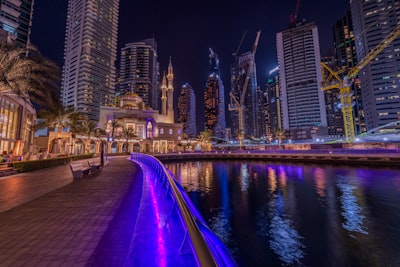
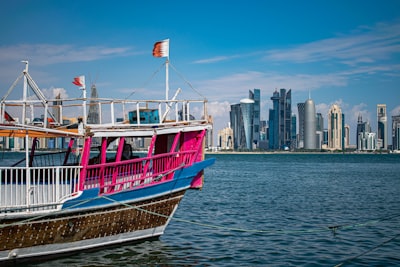
Dubai Marina is a vibrant, man-made canal city, renowned for its glittering skyscrapers, luxurious yachts, and bustling promenade. Here, you can enjoy a leisurely stroll along the waterfront, dine at world-class restaurants with stunning views, or embark on a yacht cruise to admire the skyline from the water. The Marina is also a hub for entertainment, with JBR (Jumeirah Beach Residence) offering a popular public beach, outdoor markets, and a lively atmosphere.
Desert Adventures: Embrace the Wilderness
Beyond the urban glitz, the vast Arabian Desert offers a thrilling contrast and a glimpse into Dubai's traditional Bedouin roots.
Dubai Desert Safari: An Adrenaline Rush and Cultural Immersion
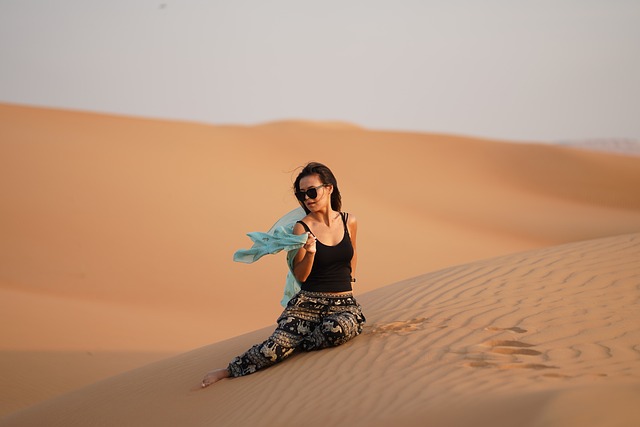
A desert safari is a quintessential Dubai experience. Professional drivers take you on an exhilarating dune bashing ride, navigating the golden sands in 4x4 vehicles. The adventure often includes opportunities for sandboarding down steep dunes, camel riding, and quad biking. As evening approaches, many safaris lead to a traditional Bedouin-style camp where you can enjoy a BBQ dinner under the stars, accompanied by live entertainment such as belly dancing and Tanoura shows, and the chance to get a henna tattoo. It’s a perfect blend of thrill, cultural immersion, and serene desert beauty.
Hot Air Balloon Ride: Sunrise Over the Dunes
For a truly magical perspective of the desert, consider a hot air balloon ride at sunrise. Drifting silently above the vast dunes as the sun paints the sky with vibrant hues is an unforgettable, serene experience that offers unparalleled photo opportunities and a sense of wonder.
Cultural Encounters and Heritage Trails
While often perceived as ultra-modern, Dubai cherishes its history and offers rich cultural experiences that connect visitors to its past.
Al Fahidi Historical Neighbourhood (Al Bastakiya)
Step back in time in the charming Al Fahidi Historical Neighbourhood, one of Dubai’s oldest residential areas. Wander through narrow lanes, admire traditional wind-tower architecture, and explore art galleries, quaint cafes, and the Dubai Museum, housed in the 18th-century Al Fahidi Fort. This area offers a tranquil escape from the bustling city and a profound insight into Dubai's heritage.
The Souks: A Feast for the Senses
Cross Dubai Creek on a traditional abra (water taxi) to explore the bustling souks of Deira. The Gold Souk glitters with an astonishing array of jewelry, while the Spice Souk tantalizes with exotic aromas of herbs and spices. Nearby, the Textile Souk offers colorful fabrics and traditional garments. Haggling is expected and part of the experience, offering a lively glimpse into traditional commerce.
Entertainment Extravaganza
Dubai’s commitment to entertainment is unmatched, with world-class theme parks, waterparks, and year-round events.
Theme Parks and Waterparks
Adrenaline junkies and families alike will love Dubai’s array of theme parks. IMG Worlds of Adventure, the world’s largest indoor theme park, features Cartoon Network and Marvel zones. Motiongate Dubai brings Hollywood to life, while Bollywood Parks Dubai celebrates Indian cinema. For aquatic fun, Aquaventure Waterpark at Atlantis, The Palm, and Wild Wadi Waterpark next to Burj Al Arab offer thrilling slides and rides.
Beaches and Relaxation
Dubai boasts beautiful public beaches along its coastline. JBR Beach is popular for its lively atmosphere, water sports, and beachside cafes. La Mer offers a more boutique beach experience with vibrant street art, trendy restaurants, and unique shops. For a quieter escape, Kite Beach is a favorite among watersports enthusiasts.
Culinary Journey: A Global Gastronomic Hub
Dubai's diverse population has cultivated a truly international food scene. From Michelin-starred restaurants helmed by celebrity chefs to authentic Emirati cuisine and vibrant street food, every palate is catered for. Don't miss trying traditional Emirati dishes like Al Harees (wheat and meat stew) or Machboos (rice with meat/fish), or indulging in a lavish Friday brunch, a popular Dubai institution.
Planning Your Dubai Adventure: Essential Practicalities
To make your trip seamless and enjoyable, here are some crucial practical tips for navigating Dubai.
Best Time to Visit Dubai
The ideal time to visit Dubai is during the cooler months, from
November to April. Temperatures are pleasant (20-30°C), perfect for outdoor activities, beach days, and exploring the city comfortably. The summer months (May to September) are extremely hot and humid, with temperatures often exceeding 40°C, making outdoor exploration challenging, though indoor attractions remain accessible thanks to widespread air conditioning.
Visa Requirements
Visa requirements vary by nationality. Many nationalities can obtain a visa on arrival, while others need to apply in advance. It's crucial to
check the latest visa regulations for your specific nationality with the official UAE government websites or your local embassy/consulate well before your travel date.
Currency and Budgeting
The local currency is the
United Arab Emirates Dirham (AED). Approximately 1 USD = 3.67 AED. Credit cards are widely accepted everywhere, but it's useful to carry some cash for smaller purchases or souk experiences. Dubai can be an expensive city, especially for luxury experiences. However, budget-conscious travelers can find ways to save on accommodation, dining, and activities by planning carefully and utilizing public transport.
Etiquette and Dress Code
Dubai is a modern city, but it's essential to respect local customs and Islamic traditions. While tourist areas are generally lenient, modest dress is appreciated, especially when visiting religious sites like mosques (women will typically need to cover their heads and wear loose-fitting clothing). Public displays of affection are frowned upon, and alcohol consumption is restricted to licensed venues. During the holy month of Ramadan, be mindful of fasting hours.
Getting Around Dubai: Your Ultimate Transport Guide
Navigating Dubai is surprisingly easy thanks to its modern and efficient public transportation network.
Airport to City Transport Guide
Upon arrival at Dubai International Airport (DXB), you have several convenient options to reach your accommodation:
1.
Dubai Metro: The most cost-effective and efficient way. Both Terminal 1 and Terminal 3 have direct access to the Red Line of the Dubai Metro. Simply purchase a Nol Card (see below) and board the train. It connects directly to many key areas like Downtown Dubai, Business Bay, and Dubai Marina.
2.
RTA Taxis: Readily available outside all terminals. These are metered, comfortable, and a reliable option, though more expensive than the Metro. Look for the cream-colored taxis with different colored roof trims (red, blue, yellow, green) indicating different operators.
3.
Ride-Sharing Apps (Uber/Careem): You can book a car through Uber or the local equivalent, Careem, which are widely used. Their designated pick-up points are usually well-marked at the airport.
4.
Public Buses: While available, buses from the airport can be less direct and take longer than the Metro or taxis, especially if you're unfamiliar with the routes.
5.
Hotel Transfers/Private Cars: Many hotels offer shuttle services or can arrange private transfers for an added cost.
Public Transport Guide: The Nol Card is Your Key
Dubai’s public transport system is integrated and user-friendly, centered around the
Nol Card. This smart card is essential for using the Metro, buses, trams, and even some water taxis.
- Red Ticket: A paper ticket, suitable for infrequent travelers, valid for up to 10 trips.
- Silver Card: A rechargeable plastic card, ideal for tourists. Offers lower fares than the Red Ticket and is valid for 5 years. You can load credit onto it at any Metro station, bus station, or supermarket.
- Gold Card: Offers access to the Gold Class cabins on the Metro, which are more spacious and less crowded, at a higher fare.
- Blue Card: Personalized card primarily for residents.
- Dubai Metro: The backbone of Dubai's public transport. It's a fully automated, driverless train system with two main lines (Red and Green) covering most major attractions and business districts. It’s clean, efficient, air-conditioned, and offers dedicated sections for women and children, and Gold Class.
- Dubai Buses: A comprehensive network of air-conditioned buses covers areas not reached by the Metro. They are modern, comfortable, and connect residential areas to key attractions and transport hubs. Use your Nol Card to tap in and out.
- Dubai Tram: Serves the Dubai Marina, Jumeirah Beach Residence (JBR), and Al Sufouh areas, connecting with the Red Line of the Metro at two stations (DMCC and Sobha Realty). Ideal for exploring the Marina area.
- Water Taxis & Abras: For a traditional experience and to cross Dubai Creek, hop on an Abra (traditional wooden boat) for a mere 1 AED. Modern water taxis and ferries also connect various points along the coast and Dubai Creek, offering scenic journeys.
Car Rental / Bike Rental Options
- Car Rental: Renting a car in Dubai offers flexibility, especially if you plan to explore areas outside the main public transport network or take day trips. Dubai has excellent roads, but traffic can be heavy during peak hours.
- Requirements: You'll typically need your passport, a valid international driving permit (IDP) along with your domestic driving license (for most non-GCC citizens), and a credit card for deposit.
- Operators: Major international car rental companies (Hertz, Avis, Europcar, Budget) and local providers are available at the airport and throughout the city.
- Parking: Ample parking is available at most malls and attractions, though it can sometimes be paid.
- Bike Rental / E-scooters: Dubai is becoming more cycling-friendly with dedicated bike paths in areas like Nad Al Sheba Cycle Park, Dubai Water Canal, and along some coastal stretches. Several companies offer bike rentals, and e-scooters are increasingly available for short distances in designated zones, particularly around Dubai Marina and Downtown. Always check local regulations for e-scooter usage.
Budget Transport Tips
- Get a Silver Nol Card: This is the most economical option for tourists for public transport. It offers significant savings compared to buying individual tickets or relying solely on taxis.
- Utilize the Metro: It’s fast, cheap, and covers most major tourist spots. Plan your accommodation near a Metro station for ease of access.
- Walk when possible: For short distances, especially around areas like Dubai Marina, Downtown Dubai, or the souks, walking is a great way to explore and save money.
- Avoid Taxis during peak traffic: While readily available, taxi fares can add up quickly, especially during rush hour when meters tick while stuck in traffic.
- Consider ride-sharing for groups: If traveling in a small group, splitting the cost of an Uber or Careem can sometimes be comparable to public transport, especially for direct routes or late-night travel.
- Abras are your friend: For just 1 AED, crossing Dubai Creek on an abra is not only cheap but also a charming cultural experience.
Connectivity: Best SIM Card for Tourists
Staying connected in Dubai is easy and affordable. You'll want a local SIM card for data, navigation, and local calls.
- Free Tourist SIM at Arrival: As a welcome gesture, many tourists arriving at Dubai International Airport (DXB) receive a free du tourist SIM card upon passport control, pre-loaded with some free data and calling minutes (this offer can vary, so check current availability). This is often sufficient for initial needs.
- Etisalat: The larger and older operator, generally known for wider coverage.
- Du: The second major operator, also offering competitive plans and good coverage.
- Airport: Both Etisalat and du have kiosks immediately after customs at DXB, offering various tourist-specific prepaid SIM plans. This is the most convenient option.
- Malls & Retail Outlets: You can also purchase SIM cards at official Etisalat and du stores located in major malls and throughout the city.
- Documents Required: You'll typically need your passport and visa for registration.
- What to Look For: Tourist SIM plans usually offer a bundle of data, local minutes, and sometimes international minutes, valid for a specific duration (e.g., 7, 14, 28 days). Choose a plan that aligns with your data and call needs.
- eSIMs: For newer phones, consider purchasing an eSIM online before you arrive. This offers immediate connectivity upon landing and avoids the hassle of physical SIM cards.
Conclusion: Your Dubai Adventure Awaits
Dubai is a destination that truly has it all – a glittering metropolis of futuristic wonders, a playground for adventure seekers, a hub for luxury, and a warm embrace of culture. Whether you're marveling at the Burj Khalifa, navigating the dunes on a desert safari, haggling in ancient souks, or simply relaxing on a pristine beach, Dubai promises a journey filled with awe and excitement. With this guide in hand, you’re now equipped to explore its diverse offerings, navigate its efficient transport, and stay connected throughout your unforgettable Arabian escapade.
Frequently Asked Questions (FAQ) about Visiting Dubai
Q1: Is Dubai an expensive city to visit?
A1: Dubai can be as expensive or as budget-friendly as you make it. Luxury experiences (high-end hotels, fine dining, exclusive tours) are plentiful and costly. However, it's possible to visit on a moderate budget by opting for mid-range hotels, utilizing public transport, dining at local eateries or food courts, and choosing free or low-cost attractions like beaches, the Dubai Fountain, or the souks.
Q2: What is the best time of year to visit Dubai?
A2: The best time to visit Dubai is from November to April when the weather is mild and pleasant (around 20-30°C), ideal for outdoor activities and sightseeing. The summer months (May to September) are extremely hot and humid, making outdoor exploration challenging, though indoor activities and air-conditioned spaces are always comfortable.
Q3: Do I need a visa to travel to Dubai?
A3: Visa requirements for Dubai (UAE) vary significantly by nationality. Citizens of many countries, particularly Western nations, can receive a visa on arrival. Others need to apply for a visa in advance. It is crucial to check the specific visa requirements for your nationality with the official UAE government immigration website or your local embassy/consulate well before planning your trip.
Q4: What should I wear in Dubai? Is there a dress code?
A4: While Dubai is generally modern and tolerant, it is a Muslim country, and respectful dress is appreciated. For tourists, generally, modest clothing is recommended, especially when visiting religious sites (like mosques, where women need to cover their heads and arms/legs) or traditional areas. In public spaces like malls and streets, cover your shoulders and knees. Swimwear is acceptable at beaches and hotel pools.
Q5: Is alcohol allowed in Dubai?
A5: Yes, alcohol is allowed in Dubai, but its consumption is restricted to licensed venues such as hotels, bars, clubs, and some restaurants. It is illegal to drink alcohol in public places or to be publicly intoxicated. Tourists can purchase alcohol from specific licensed stores by showing their passport and visa, or directly at licensed venues.
Q6: How many days are sufficient for a trip to Dubai?
A6: To experience Dubai's main attractions without feeling rushed,
5 to 7 days is generally recommended. This allows enough time to explore iconic landmarks, enjoy a desert safari, visit theme parks, and soak in the local culture. A shorter trip (3-4 days) is possible but would require a more focused itinerary, while longer stays (7+ days) allow for more in-depth exploration or day trips to neighboring emirates like Abu Dhabi.
Q7: What’s the best way to get around Dubai on a budget?
A7: The most budget-friendly way to get around Dubai is by utilizing the excellent public transport system. Purchase a Silver Nol Card for the Metro, buses, and trams. The Metro is efficient and covers most major attractions. For crossing Dubai Creek, the traditional Abra is incredibly cheap (1 AED) and offers a unique experience. Walking is also great for exploring compact areas like Al Fahidi or Dubai Marina.
Q8: Can I use my home country's SIM card in Dubai?
A8: Yes, you can use your home country's SIM card, but roaming charges can be very expensive. It is highly recommended to purchase a local tourist SIM card upon arrival at Dubai International Airport (DXB) or from official stores of Etisalat or du. Many tourists also receive a free du tourist SIM upon arrival, offering a good starter data package.