info@24x7tt.com

info@24x7tt.com
Blog Detail


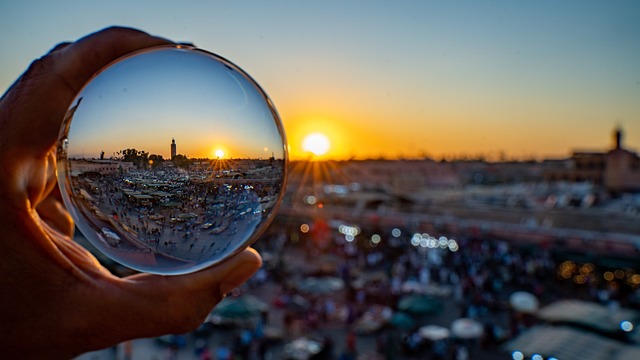
Marrakech, often affectionately dubbed the "Red City" thanks to the distinctive reddish-orange hue of its ancient buildings and city walls, stands as a vibrant testament to Morocco's rich history, enduring culture, and intoxicating charm. Nestled at the foot of the majestic Atlas Mountains, this imperial city is far more than just a destination; it's an unforgettable sensory journey that captivates the soul. From the intoxicating aromas of exotic spices wafting through labyrinthine souks to the mesmerizing sounds of street performers in its iconic squares, and the breathtaking beauty of its intricate palaces and serene gardens, Marrakech offers a kaleidoscope of experiences that blend age-old traditions with a contemporary pulse. It's a place where every corner turned reveals a new story, a new wonder, inviting travelers to lose themselves in its captivating embrace.
Prepare to wander through the bustling, narrow alleys of the ancient medina, where artisans ply their trades as they have for centuries. Discover hidden riads, luxurious oases of calm behind unassuming doors. Marvel at architectural masterpieces that tell tales of sultans and dynasties. Marrakech isn't just a city you visit; it's a city you experience with every one of your senses, leaving an indelible mark long after you've departed.
Marrakech’s allure lies in its ability to transport visitors to another time, even as it pulses with modern energy. Here are the essential experiences and landmarks that define the Red City.
No visit to Marrakech is complete without immersing yourself in the unparalleled spectacle of Jemaa el-Fnaa. This UNESCO World Heritage site is more than just a square; it's the living, breathing heart of the city, a grand stage where Moroccan life unfolds with dramatic flair. By day, it's a bustling market with orange juice stalls, snake charmers, and storytellers. As dusk descends, however, Jemaa el-Fnaa undergoes a magical transformation. Smoke rises from countless makeshift food stalls, filling the air with the tantalizing scents of tagines, grilled meats, and harira soup. Musicians, acrobats, henna artists, and traditional Moroccan entertainers emerge, creating an electric atmosphere of joyous chaos. Finding a spot on one of the many surrounding cafe terraces to watch the square come alive at sunset is a quintessential Marrakech experience, offering a panoramic view of this captivating human theatre.
In stark contrast to the lively energy of the medina, the Jardin Majorelle offers a serene escape. Created by French artist Jacques Majorelle over forty years and later restored and owned by fashion designer Yves Saint Laurent and his partner Pierre Bergé, this botanical garden is a vibrant masterpiece of art and horticulture. Its striking electric blue (Majorelle Blue) buildings provide a dramatic backdrop to an exotic collection of plants, including towering cacti, graceful bamboo groves, and vibrant bougainvillea. Strolling through its tranquil paths, listening to the gentle murmur of fountains, and admiring the vibrant colors is a soothing balm for the senses. The garden also houses the Berber Museum, showcasing traditional Berber artifacts and culture, offering a deeper insight into Morocco's indigenous people.
Dominating the Marrakech skyline, the Koutoubia Mosque's magnificent minaret is one of the city's most recognizable landmarks and a masterpiece of Hispano-Moresque architecture. Dating back to the 12th century, its name, meaning "booksellers' mosque," reflects the original market of manuscripts that once surrounded it. While non-Muslims cannot enter the mosque, its towering minaret, reaching almost 70 meters high, can be admired from afar and up close from the surrounding gardens. Its intricate geometric patterns, pointed merlons, and decorative arches are truly awe-inspiring, especially when illuminated at night. It serves as a spiritual compass for the city and a beautiful example of Almohad architectural brilliance.
Step into the opulent world of the 19th-century Moroccan elite at the Bahia Palace. Meaning "brilliance" or "beautiful," this sprawling palace lives up to its name, showcasing exquisite Islamic and Moroccan architecture. Built over 14 years for Si Musa, grand vizier of the sultan, and later expanded for his son and successor, Ahmed ben Musa (Ba Ahmed), the palace boasts 150 rooms, courtyards, and gardens. Wander through its richly decorated halls, marvel at the intricate cedarwood ceilings, vibrant zellige tilework, stucco carvings, and stained-glass windows. The serene courtyards, filled with orange trees and lush foliage, provide a tranquil counterpoint to the dazzling interior decorations. The harem quarters, the grand courtyard, and the private apartments offer a fascinating insight into the lavish lifestyle of Moroccan royalty.
Hidden for centuries and only rediscovered in 1917, the Saadian Tombs offer a captivating glimpse into the grandeur of the Saadian dynasty, which ruled Marrakech from 1578 to 1603. These meticulously preserved mausoleums house the remains of around 60 members of the Saadian royal family, including Sultan Ahmed al-Mansour al-Dhahabi, his mother, and his children. The most famous chamber, the Chamber of the 12 Pillars, is a breathtaking example of Islamic artistry, with its intricate honeycomb muqarnas (stalactite ceilings), Carrara marble columns, and detailed zellige tilework. Visiting the tombs provides a poignant and beautiful connection to Marrakech's rich historical tapestry.
Beyond specific landmarks, the entire Marrakech medina is an attraction in itself, a UNESCO-listed maze of narrow alleys, bustling squares, and vibrant souks (markets). Lose yourself willingly in this ancient walled city, where every turn presents new sights, sounds, and smells. The souks are a highlight, divided by specific trades: find leather goods in one section, spices and herbs in another, intricate metalwork, colorful textiles, fragrant argan oil, and traditional Moroccan slippers (babouches) elsewhere. Haggling is expected and part of the experience, so embrace it with a smile and a sense of humor. Even if you don't buy anything, the sheer energy and visual feast of the souks are unforgettable.
To ensure a smooth and enjoyable trip, here's essential information on getting around, staying connected, and more.
Marrakech Menara Airport (RAK) is conveniently located just 6 kilometers (about 4 miles) southwest of the city center and the medina. You have several reliable options to reach your accommodation:
This is the most common and often most convenient option, especially if you have luggage or are arriving late. "Grand taxis" (large Mercedes cars) wait outside the terminal. It's crucial to agree on a fare *before* you get in. The official fixed rate from the airport to the city center/Medina is usually around 70-100 MAD during the day and slightly more at night. Be prepared for drivers to quote higher initially, so politely negotiate. If you're staying within the medina, taxis will drop you at the nearest accessible point, as many riads are in pedestrian-only alleys.
The most budget-friendly option is the ALSA Airport Bus, Line 19. It runs approximately every 20-30 minutes from early morning until late evening (check current schedules upon arrival). The bus stops at several key locations, including Jemaa el-Fnaa, Gare Routière (main bus station), and Gueliz (new town). A single ticket typically costs around 30 MAD, and a round-trip ticket is about 50 MAD (valid for two weeks). This is a reliable and comfortable service with air conditioning and luggage space.
Many riads and hotels offer airport pick-up services, which can be a stress-free option, particularly for first-time visitors or those arriving late. While often slightly more expensive than a taxi, the convenience of having someone meet you with your name ensures a seamless transfer directly to your accommodation or its closest accessible point. You can also book transfers through various online platforms.
Navigating Marrakech can be an adventure, and understanding local transport options is key.
These small beige cars are ubiquitous in Marrakech and are ideal for getting around the new town (Gueliz) and to the edges of the medina. They are metered, but drivers often "forget" to turn them on. Always insist on the meter ("Le compteur, s'il vous plaît"). If they refuse, negotiate a fare *before* getting in. Fares are generally very reasonable for short distances (e.g., 15-25 MAD within Gueliz or from Gueliz to Jemaa el-Fnaa).
These larger, often older, Mercedes cars are primarily for inter-city travel or shared rides on fixed routes to nearby towns or outside the city center. Within the city, they can be hired privately for a higher negotiated fare, but petit taxis are usually more practical for most tourist needs.
ALSA also operates an extensive network of city buses. While cheap (around 4 MAD per ride), they can be crowded, slow, and confusing for tourists, especially due to routes and language barriers. However, if you're adventurous and know your route, they offer a very authentic local experience.
For a romantic and traditional way to see the city's sights, particularly around the Koutoubia and Menara Gardens, consider a calèche. Agree on the price and duration of your ride beforehand. It's a charming way to soak in the atmosphere at a leisurely pace.
Renting a car in Marrakech is generally not recommended for navigating the medina or the city center itself, as traffic can be chaotic, parking is difficult, and many areas are pedestrian-only. However, it can be an excellent option if you plan to take day trips or explore beyond Marrakech to places like the Atlas Mountains, Essaouira, or Ourika Valley. Major international rental companies (Hertz, Avis, Europcar, etc.) and local agencies operate at the airport and in Gueliz. Ensure you have international driving permits and comprehensive insurance. Be prepared for aggressive driving habits on Moroccan roads.
For exploring the new town of Gueliz, the Menara Gardens, or cycling along the city's main avenues, bikes can be a fun way to get around. Several rental shops exist in Gueliz. While a good option for specific areas, cycling within the medina is impractical due to crowds and narrow alleys.
To keep transport costs down in Marrakech:
Staying connected in Marrakech is easy and affordable. Having a local SIM card will allow you to use maps, stay in touch, and access information without relying on Wi-Fi.
Morocco has three main mobile network operators: Maroc Telecom, Orange Maroc, and Inwi. All offer good coverage, especially in urban areas like Marrakech, and competitive data packages.
You can purchase a SIM card directly at Marrakech Menara Airport upon arrival (look for booths from the providers) or at official stores in the city, especially in the Gueliz new town. You will need your passport for registration, as Moroccan law requires all SIM cards to be linked to an ID. Activation is usually immediate or takes a few minutes.
SIM cards themselves are often free or very cheap (e.g., 20-50 MAD) and come with a small amount of initial credit. Data packages are very reasonably priced. For example, you can get 10GB of data for about 100-150 MAD (roughly $10-15 USD), which should last most tourists for a week or two. You can top up credit at numerous small shops, kiosks, and official stores displaying the provider's logo. Just ask for "recharge" and specify your provider and the amount.
While Marrakech offers endless exploration, its surroundings provide opportunities for memorable day trips:
Marrakech is a city that defies simple description; it's an immersive experience that ignites the senses and leaves an indelible mark on your memory. From the ancient tales whispered through the medina's walls to the modern vibrancy of Gueliz, the Red City offers a profound journey into the heart of Moroccan culture. With its bustling souks, tranquil gardens, majestic palaces, and the vibrant spectacle of Jemaa el-Fnaa, Marrakech invites you to explore, discover, and fall in love with its unique magic. Equip yourself with these practical tips, open your mind to new experiences, and prepare for an adventure that will awaken your spirit and enchant your soul.
A1: Yes, Marrakech is generally very safe for tourists. Like any major city, it's wise to be aware of your surroundings, especially in crowded areas like Jemaa el-Fnaa and the souks, where petty theft can occur. Avoid walking alone in dimly lit, unfamiliar alleys at night. Common sense and basic travel precautions will ensure a safe trip.
A2: The ideal times to visit Marrakech are spring (March to May) and autumn (September to November). During these months, the weather is pleasantly warm (20-30°C / 68-86°F) with clear skies, perfect for exploring. Summers (June-August) can be extremely hot (often above 40°C / 104°F), while winters (December-February) are mild but can have chilly evenings and occasional rain.
A3: It is generally not recommended to drink tap water in Marrakech, especially for tourists, to avoid potential stomach upsets. Bottled water is widely available and inexpensive. Use bottled water for brushing your teeth as well.
A4: The local currency is the Moroccan Dirham (MAD). While major hotels and some larger restaurants and shops in the new town accept credit cards, cash is king, especially in the souks, smaller eateries, and for taxis. It's advisable to carry a good amount of small denominations of Dirhams. ATMs are readily available throughout the city.
A5: Visa requirements vary depending on your nationality. Many nationalities, including those from the EU, US, UK, Canada, and Australia, do not require a visa for stays up to 90 days. Always check the latest visa regulations with the Moroccan embassy or consulate in your country before traveling.
A6: The official languages of Morocco are Arabic and Berber. Moroccan Arabic (Darija) is the most commonly spoken dialect. French is widely spoken, especially in tourist areas and by educated Moroccans, due to historical ties. English is increasingly understood in major tourist hubs, hotels, and restaurants.
A7: Dress modestly out of respect for local customs, especially when exploring the medina or religious sites. For women, this typically means covering shoulders and knees. Loose-fitting clothing made of breathable fabrics like linen or cotton is ideal for the warm climate. Men should also opt for modest attire. Comfortable walking shoes are a must for navigating the city's labyrinthine streets.