info@24x7tt.com

info@24x7tt.com
Blog Detail


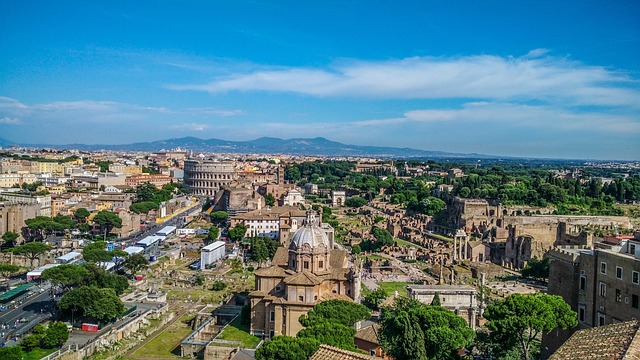
Welcome to Rome, a city where every cobblestone whispers tales of emperors and gladiators, popes and artists. More than just Italy's vibrant capital, Rome is a living museum, an open-air gallery, and an enduring testament to human ingenuity and ambition. From the colossal structures that defined an empire to the intimate trattorias serving culinary masterpieces, Rome offers an unparalleled journey through time and sensory delights. Prepare to be captivated by its ancient grandeur, spiritual majesty, artistic treasures, and the vibrant pulse of modern Italian life.
This comprehensive guide aims to arm you with everything you need to know for an unforgettable Roman adventure, from delving into its iconic landmarks to navigating its bustling streets like a seasoned local.
Rome's historical core is a labyrinth of ruins, each telling a profound story of power, faith, and daily life in antiquity. These sites are not merely relics; they are windows into a civilization that shaped the Western world.
No visit to Rome is complete without standing before the magnificent Colosseum. This iconic amphitheater, completed in 80 AD, once hosted gladiatorial contests, animal hunts, and public spectacles for up to 80,000 spectators. Walking through its arches, you can almost hear the roar of the crowd and feel the weight of history. Booking tickets in advance is essential, often combined with the Roman Forum and Palatine Hill, to avoid long queues and fully immerse yourself in its epic scale. Consider a guided tour to truly appreciate the engineering marvels and the brutal history it represents.
Adjacent to the Colosseum lies the Roman Forum, the bustling heart of ancient Roman public life. This sprawling complex of ruined temples, basilicas, and vibrant marketplaces was once the center of political, religious, and commercial activity. Above it, the Palatine Hill, one of Rome's seven hills, offers breathtaking panoramic views of the Forum and Circus Maximus, and is reputedly where Rome was founded by Romulus. Exploring these sites together provides a profound understanding of the city's origins and development. Allow at least 3-4 hours to properly wander through these hallowed grounds.
A true architectural masterpiece, the Pantheon stands remarkably preserved after nearly 2,000 years. Originally built as a temple to all gods, it was later converted into a church. Its colossal unreinforced concrete dome, with its famous oculus (a central opening to the sky), remains one of the greatest engineering feats of antiquity. The play of light inside is mesmerizing, and the sense of peace and awe it evokes is palpable. Entry is typically free, but be prepared for crowds, especially during peak season.
Originally Emperor Hadrian's mausoleum, Castel Sant'Angelo transformed over centuries into a formidable fortress and papal residence, connected to the Vatican by the Passetto di Borgo, a fortified elevated walkway. Its circular structure offers fantastic views of the Tiber River and St. Peter's Basilica. Explore its various levels, from the ancient burial chamber to the papal apartments and prison cells, for a glimpse into Rome's layered history.
Nestled within Rome, Vatican City is the smallest independent state in the world and the spiritual heart of the Roman Catholic Church. It is also an unparalleled repository of art and architecture.
The sheer scale and grandeur of St. Peter's Basilica are simply overwhelming. Designed by master architects like Bramante, Michelangelo, and Bernini, it is the largest church in the world and a pinnacle of Renaissance and Baroque artistry. Inside, marvel at Michelangelo's Pietà, Bernini's baldachin, and climb to the top of the dome for an unforgettable panoramic vista of Rome. Dress code is strictly enforced: shoulders and knees must be covered.
The Vatican Museums house one of the world's most extensive collections of art, accumulated by popes over centuries. Prepare for an epic journey through ancient Roman and Egyptian artifacts, classical sculptures, Renaissance paintings, and modern religious art. The grand finale is, of course, Michelangelo's breathtaking frescoes in the Sistine Chapel, including the iconic "Creation of Adam." Book tickets online weeks, if not months, in advance, and consider an early morning tour to beat the heaviest crowds.
Beyond its ancient ruins, Rome dazzles with its Baroque fountains, elegant squares, and vibrant street life, inviting you to slow down and soak in the atmosphere.
The magnificent Trevi Fountain is arguably the most famous fountain in the world. This dramatic Baroque masterpiece depicts Oceanus on his chariot, pulled by sea horses and tritons. Legend has it that tossing a coin over your shoulder into the fountain ensures your return to Rome. Be prepared for crowds, especially during the day; visiting early morning or late evening offers a more serene experience and magical lighting.
Built on the site of Domitian's 1st-century stadium, Piazza Navona is an elongated Baroque square adorned with three spectacular fountains. Gian Lorenzo Bernini's Fountain of Four Rivers (Fontana dei Quattro Fiumi) is its majestic centerpiece, surrounded by vibrant street artists, cafes, and restaurants. It's a perfect spot for people-watching, enjoying a gelato, or simply admiring the architectural splendor.
The elegant Spanish Steps cascade down from the Trinità dei Monti church to the Piazza di Spagna, home to the Fontana della Barcaccia. This grand staircase has been a popular meeting spot for centuries and offers wonderful views, especially at sunset. The surrounding area is also renowned for high-end shopping.
For a taste of authentic Roman daily life, head to Campo de' Fiori. By day, it hosts a lively open-air market selling fresh produce, flowers, spices, and local delicacies. By night, it transforms into a bustling hub of bars and restaurants. It's an excellent place to pick up picnic supplies or enjoy an aperitivo.
Rome isn't just about ancient stones; it's about the flavors, the neighborhoods, and the unique cultural tapestry that makes it so captivating.
Italian food needs no introduction, but Roman cuisine offers its own distinct delights. From classic pasta dishes like Cacio e Pepe, Amatriciana, Carbonara, and Gricia, to fried artichokes (carciofi alla giudia), saltimbocca alla romana (veal with prosciutto and sage), and supplì (fried rice balls), prepare for a feast. Don't forget to try authentic Roman pizza, thinner and crispier than its Neapolitan cousin, and finish with a rich espresso or a creamy gelato. Explore local trattorias away from the main tourist hubs for the most authentic experiences.
Cross the Tiber River to discover Trastevere, a charming, bohemian neighborhood characterized by narrow, winding cobblestone streets, ivy-clad buildings, and a lively atmosphere. By day, it's a picturesque area to wander; by night, it comes alive with countless trattorias, bars, and street performers. It's an ideal place for an evening stroll and a delicious Roman dinner.
Escape the urban bustle at the Villa Borghese Gardens, Rome's third-largest public park. Rent a rowboat on the lake, enjoy a leisurely picnic, or visit the Borghese Gallery and Museum (reservations essential), which houses an incredible collection of art by Bernini and Caravaggio. It's a perfect spot for relaxation and recreation.
For a truly unique historical experience, venture out to the Appian Way (Via Appia Antica), one of the earliest and most strategically important Roman roads. Rent a bike or take a leisurely walk along the ancient cobblestones, past Roman tombs, catacombs (like those of Callixtus or Domitilla), and ruins. It offers a fascinating glimpse into ancient Roman infrastructure and funerary customs, away from the city center's crowds.
Getting around Rome efficiently can significantly enhance your travel experience. Here’s what you need to know:
Staying connected is crucial for navigation, bookings, and emergencies. While Wi-Fi is available in many hotels and cafes, a local SIM card provides reliable data on the go.
Rome’s public transport system, managed by ATAC, includes metros, buses, and trams. It's extensive, though can be crowded and sometimes unreliable, but it's the most budget-friendly way to get around.
While convenient in many places, renting a car in Rome itself is generally NOT recommended for most tourists due to ZTLs (Limited Traffic Zones), heavy traffic, expensive parking, and narrow streets. However, it can be useful for day trips outside the city.
Rome is served by two main airports: Fiumicino (Leonardo da Vinci - FCO) and Ciampino (CIA).
Q: How many days do I need to see Rome?
A: To see the main highlights, a minimum of 3-4 full days is recommended. For a more relaxed pace and to explore beyond the major sites, 5-7 days would be ideal.
Q: Is Rome walkable?
A: Absolutely! Rome is best explored on foot, especially the historic center. Be prepared for cobblestones and some hills. Comfortable shoes are a must!
Q: Do I need to book attractions in advance?
A: Yes, absolutely! For the Colosseum, Roman Forum, Vatican Museums, and Borghese Gallery, pre-booking online is highly recommended to save time and guarantee entry, especially during peak season.
Q: What's the best way to get from Fiumicino Airport to the city center?
A: The Leonardo Express train to Termini Station is the quickest and most convenient option (around 32 minutes, €14). Buses are cheaper but slower due to traffic.
Q: What local foods should I try in Rome?
A: Don't miss pasta dishes like Cacio e Pepe, Carbonara, Amatriciana, and Gricia. Also try Roman-style pizza, supplì, fried artichokes (carciofi alla giudia), and of course, gelato and espresso.
Q: Is tap water safe to drink in Rome?
A: Yes, Rome's tap water is safe and delicious. Look for public drinking fountains (nasoni) throughout the city to refill your bottle.
Q: What are ZTLs in Rome?
A: ZTLs (Zone a Traffico Limitato) are Limited Traffic Zones, usually in historic city centers, where vehicle access is restricted at certain times, primarily to residents. Driving into a ZTL without a permit can result in hefty fines, so be cautious if renting a car.
Q: Is it customary to tip in Rome?
A: Tipping is not as common or expected in Italy as in some other countries. A service charge (coperto) may be added to your bill at restaurants. For excellent service, rounding up the bill or leaving a few euros is appreciated, but not mandatory.
Rome is more than a destination; it's an experience that awakens the senses and enriches the soul. From the grandeur of its ancient monuments to the intimate charm of its hidden piazzas, from the spiritual embrace of the Vatican to the irresistible allure of its cuisine, the Eternal City promises a journey unlike any other. Armed with this guide, you are ready to immerse yourself in the layers of history, art, and life that make Rome truly unforgettable. Go forth, explore, and let the magic of Rome unfold before you!