info@24x7tt.com

info@24x7tt.com
Blog Detail


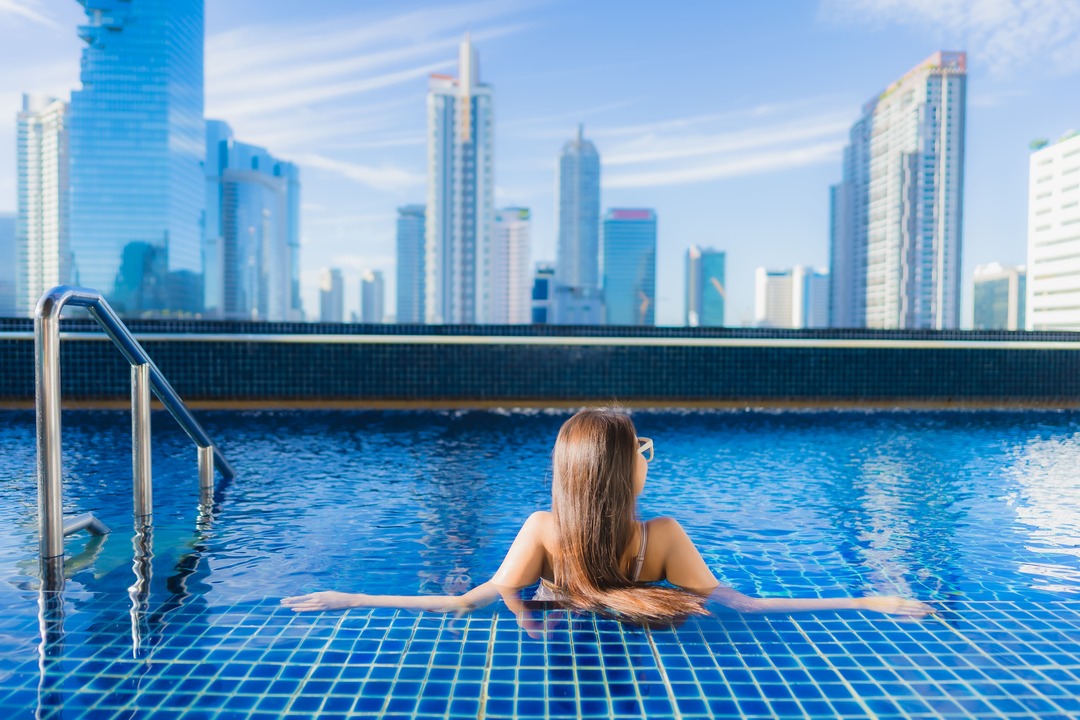
Dubai, a city that rises majestically from the Arabian Desert, is a testament to human ambition and innovation. More than just a gleaming metropolis, it's a vibrant tapestry woven from futuristic skyscrapers, ancient traditions, thrilling adventures, and unparalleled luxury. This emirate in the United Arab Emirates has transformed itself into a global hub for tourism, business, and extravagant experiences, attracting millions of visitors each year who come to witness its unique blend of opulence and dynamic energy. From the dizzying heights of the world's tallest building to the serene silence of the endless dunes, Dubai offers a spectrum of experiences that cater to every kind of traveler. Whether you seek adrenaline-pumping activities, world-class shopping, gourmet dining, or a deep dive into rich cultural heritage, Dubai promises an unforgettable journey where every moment is designed to awe and inspire.
Dubai's allure isn't just about its lavishness; it's about the unique combination of experiences it offers, making it a truly global destination.
Dubai has perfected the art of luxury, offering an experience that transcends the ordinary. From seven-star hotels like the Burj Al Arab, known for its distinctive sail-shaped silhouette, to designer boutiques in sprawling malls, every aspect of the city exudes grandeur. High-end spas, private yacht charters, and exclusive fine dining establishments contribute to an atmosphere where indulgence is not just an option, but a way of life. This dedication to luxury ensures that visitors seeking the finest things in life will find their desires not just met, but exceeded.
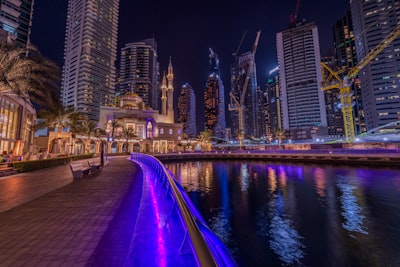
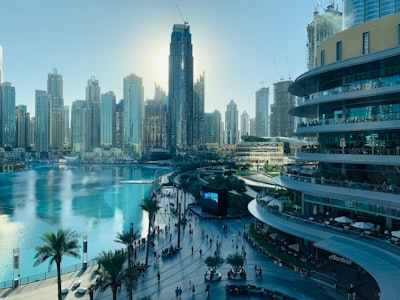
The city's skyline is a marvel, a collection of architectural masterpieces that push the boundaries of design and engineering. The Burj Khalifa dominates with its breathtaking height, but it's just one example among many. Structures like the Museum of the Future, the Dubai Frame, and the intricate designs of residential and commercial towers showcase a city constantly looking forward, embracing innovation, and shaping the future of urban living. Walking through Dubai feels like stepping into a vision of tomorrow, where impossible dreams become concrete realities.
For many, Dubai is synonymous with shopping. The city hosts some of the world's largest and most luxurious malls, including The Dubai Mall and Mall of the Emirates. These aren't just retail spaces; they are entertainment hubs offering everything from high-fashion brands to unique local products, alongside aquariums, theme parks, and indoor ski slopes. Beyond the malls, the traditional souks – the Gold Souk, Spice Souk, and Textile Souk – offer a sensory overload and a chance to haggle for authentic treasures, blending modern retail therapy with age-old trading traditions.
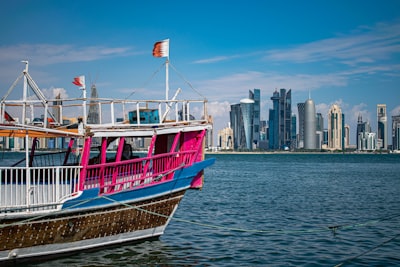
Dubai truly is a city of contrasts. Where else can you ski indoors on real snow in the morning and surf massive sand dunes in the desert by afternoon? The city caters to adventurers with desert safaris, skydiving over Palm Jumeirah, and thrilling water parks. Culture seekers can explore historical neighborhoods, ride traditional abra boats, and visit museums. Families will find endless entertainment options, from theme parks to vast recreational areas, ensuring that boredom is simply not an option.
Dubai is renowned for its low crime rate, making it one of the safest cities in the world for travelers. This sense of security, combined with the innate hospitality of Emirati culture and the city's diverse expatriate population, creates a welcoming and inclusive environment. English is widely spoken, and the city embraces visitors from all corners of the globe, offering a truly international experience rooted in strong local values.
Dubai's landscape is dotted with iconic landmarks and offers a myriad of experiences that promise to etch themselves into your memory.
A little planning goes a long way in ensuring your Dubai trip is as smooth and enjoyable as possible.
The ideal time to visit Dubai is during its cooler months, from November to March. Temperatures are pleasant (20-30°C / 68-86°F), making it perfect for outdoor activities, beach visits, and exploring. The peak season sees higher prices and more crowds. April-May and September-October are shoulder seasons, offering good weather but increasing temperatures. June-August is the hot and humid summer, best for indoor activities, but you can find good deals on hotels and flights.
Visa requirements vary greatly depending on your nationality. Many nationalities can obtain a visa on arrival (for a limited period), while others need to apply in advance. It's crucial to check the official UAE government websites or consult with your local embassy or consulate well in advance of your travel dates. Typically, you'll need a passport valid for at least six months beyond your intended stay.
The local currency is the United Arab Emirates Dirham (AED), pegged to the US Dollar (1 USD = approx. 3.67 AED). Credit cards are widely accepted everywhere, but it's useful to carry some cash for smaller purchases or at traditional souks. While Dubai can be expensive, it's possible to visit on a mid-range budget by utilizing public transport, eating at local eateries, and booking accommodations outside the most luxurious districts. However, for a true taste of Dubai's luxury, prepare to spend generously.
Dubai is a modern city, but it's important to respect local customs and Islamic traditions. While there's no strict dress code for tourists, dressing modestly is appreciated, especially in religious sites, government buildings, and older neighborhoods. Shoulders and knees should be covered when visiting a mosque. Beachwear is acceptable at beaches and hotel pools. During the holy month of Ramadan, be extra mindful of local customs, such as refraining from eating, drinking, and smoking in public during fasting hours.
Dubai is exceptionally safe, with very low crime rates. However, common sense precautions still apply: keep an eye on your belongings, especially in crowded areas like malls or souks. Be aware of your surroundings and avoid isolated areas late at night. The emergency number for police is 999. Taxis and ride-sharing services are safe and reliable.
Dubai boasts an excellent and efficient transportation network, catering to all budgets and preferences.
Dubai is primarily served by two international airports: Dubai International Airport (DXB) and Al Maktoum International Airport (DWC).
Dubai's public transport system is modern, clean, and efficient, centered around the Nol Card, a rechargeable smart card required for all public transport modes (Metro, bus, tram, water taxi). You can purchase different types of Nol cards (Red, Silver, Gold, Blue) at Metro stations, bus stations, and some supermarkets. The Silver card is generally recommended for tourists.
Both are highly reliable and widely available. Dubai Taxis are government-operated, metered, and identifiable by their cream color. They are affordable and easy to hail on the street or book via the RTA app. Uber and Careem (a popular Middle Eastern ride-sharing app, now owned by Uber) are also very active and offer various vehicle options, often slightly more expensive than standard taxis but with the convenience of in-app booking and cashless payment.
Staying connected in Dubai is easy and affordable, ensuring you can navigate, share your experiences, and keep in touch.
Upon arrival at Dubai International Airport (DXB), visitors (aged 18+) can receive a complimentary 'Tourist SIM' from Du or Etisalat, valid for a limited period (usually 24 hours to a few days) with a small data allowance. You can then top it up or purchase a more comprehensive plan. You'll need your passport and visa details for registration.
Both providers offer good coverage across the UAE, including 5G in many areas. You can purchase and activate SIM cards at airport kiosks, mall outlets, or official stores. Comparing their current tourist offers upon arrival is advisable.
For those with e-SIM compatible phones, several global e-SIM providers (e.g., Airalo, Holafly, Nomad) offer data-only plans for the UAE. This allows you to activate a local data plan before you even arrive, seamlessly switching to it without needing a physical SIM card. This can be a very convenient option, especially for short trips or if you prefer to keep your primary SIM active.
Dubai's dining scene is as diverse as its population, offering everything from Michelin-starred restaurants to authentic street food. The nightlife is vibrant, with options for every taste.
Dubai is a gastronomic paradise, home to world-renowned chefs and Michelin-starred restaurants. You'll find every cuisine imaginable, from exquisite Japanese and French to modern Emirati fusion. Many high-end restaurants are located in luxury hotels, offering stunning views and impeccable service. Don't miss dining experiences like dinner at Atmosphere in the Burj Khalifa or one of the many award-winning eateries at DIFC (Dubai International Financial Centre).
Beyond the glamour, explore authentic Emirati cuisine. Try traditional dishes like Harees (wheat and meat porridge), Machboos (spiced rice with meat), or Luqaimat (sweet dumplings). Casual eateries in areas like Al Fahidi Historical Neighbourhood, Deira, and Karama offer delicious and affordable options, including a wide array of Indian, Pakistani, and Lebanese street food. For a quick bite, shawarma stands are ubiquitous and highly recommended.
Friday brunch is a beloved institution in Dubai, offering lavish buffets with free-flowing drinks in a festive atmosphere. Many hotels and restaurants host these extravagant affairs, ranging from family-friendly options to sophisticated adult-only experiences. It's a fantastic way to indulge and experience a unique local tradition.
As the sun sets, Dubai transforms into a glittering playground. The city boasts an impressive array of rooftop bars with breathtaking skyline views, chic lounges, and high-energy nightclubs featuring international DJs. Many venues are located in hotels, offering sophisticated ambiance and top-notch entertainment. From live music venues to beach clubs, Dubai's nightlife caters to all preferences, ensuring your evenings are as exciting as your days.
While The Dubai Mall is a destination in itself, Dubai's shopping landscape offers much more.
Dubai is a city that never ceases to amaze, a destination where luxury is intertwined with adventure, and ancient traditions gracefully coexist with futuristic visions. From scaling the world's tallest building to navigating the golden dunes of the Arabian Desert, from indulging in world-class cuisine to exploring vibrant souks, every moment in Dubai is an experience designed to captivate and inspire. With its efficient transport, world-class hospitality, and a commitment to providing extraordinary experiences, Dubai truly stands out as a unique and unparalleled travel destination. Pack your bags, prepare for wonder, and embark on an unforgettable journey to the heart of the desert metropolis.
A1: Yes, Dubai is considered one of the safest cities in the world with extremely low crime rates. The local authorities maintain strict law and order, ensuring a secure environment for residents and tourists alike. However, it's always wise to practice general travel safety precautions.
A2: While Dubai is generally tolerant, it's advisable to dress modestly, especially when visiting religious sites, government buildings, or traditional neighborhoods. Shoulders and knees should be covered. Swimwear is acceptable at beaches and hotel pools. For general public areas, smart casual attire is usually appropriate.
A3: Yes, alcohol is available in Dubai. It is served in licensed hotels, restaurants, and clubs. Non-Muslim residents can apply for a liquor license. Tourists are permitted to purchase and consume alcohol in licensed venues. Public intoxication and drinking in public places are strictly prohibited.
A4: Dubai has an excellent public transport system. The Dubai Metro is highly recommended for its efficiency and coverage. Taxis and ride-sharing apps (Uber/Careem) are widely available and reliable. For specific areas, the Dubai Tram and traditional abras are great options. A Nol card is essential for public transport.
A5: The currency is the United Arab Emirates Dirham (AED), which is pegged to the US Dollar (1 USD = approx. 3.67 AED). Credit cards are widely accepted at almost all establishments, including hotels, restaurants, and shops. It's useful to carry some cash for smaller purchases or at traditional markets.
A6: Visa requirements depend on your nationality. Many nationalities can obtain a visa on arrival, while others need to apply in advance. It is crucial to check the latest visa regulations from the official UAE government website or your local embassy/consulate before planning your trip.
A7: The best time to visit Dubai is during the cooler months, from November to March. Temperatures are pleasant, making it ideal for outdoor activities, sightseeing, and enjoying the beaches. Summers (June to August) are extremely hot and humid, though many indoor attractions offer respite from the heat.
A8: Absolutely! A desert safari is a quintessential Dubai experience. It typically includes dune bashing, camel riding, sandboarding, a traditional BBQ dinner, and cultural performances under the stars. It offers a fantastic contrast to the city's urban landscape and is highly recommended for all visitors.