Unveiling Cairo: A Timeless Journey Through Ancient Wonders and Modern Marvels
Unveiling Cairo: A Timeless Journey Through Ancient Wonders and Modern Marvels
Cairo, the pulsating heart of Egypt, is more than just a city; it's a living, breathing testament to millennia of human civilization. A dazzling metropolis where the sands of time have converged, Cairo offers an unparalleled journey that transports visitors from the dawn of recorded history to the vibrant rhythm of 21st-century urban life. Often hailed as "the Gateway to Ancient Egypt," this sprawling capital serves as the perfect launchpad for exploring the world-famous pyramids and a treasure trove of ancient monuments. But Cairo is also a destination in itself, a sensory feast of bustling bazaars, aromatic street food, majestic Islamic architecture, and the ever-present, life-giving flow of the Nile River.
Prepare to have your senses awakened as you navigate its labyrinthine streets, witness architectural wonders that defy time, and delve into cultural experiences that linger long after you've departed. From the awe-inspiring grandeur of the Giza Plateau to the intimate charm of an ancient mosque, Cairo promises an unforgettable adventure through one of the world's most historically rich and dynamic cities.
The Unmissable Wonders: Giza Pyramids and Sphinx
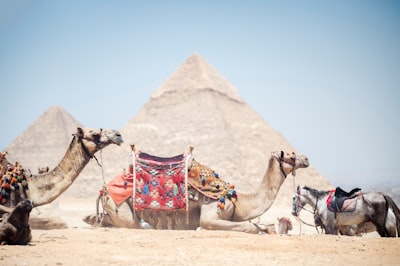
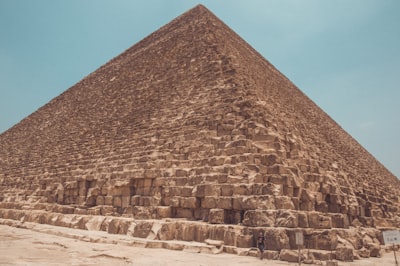
No visit to Cairo is complete without standing in the shadow of the Pyramids of Giza, the last remaining of the Seven Wonders of the Ancient World. These colossal structures, built as tombs for pharaohs, have captivated humanity for millennia, silently narrating tales of ancient engineering prowess, spiritual beliefs, and the sheer ambition of a civilization that flourished over 4,500 years ago.
The Great Pyramid of Khufu (Cheops), rising to an astounding 138 meters, is a marvel of precision and scale. Walking around its base, you'll feel an overwhelming sense of insignificance and wonder. Nearby stand the Pyramids of Khafre (Chephren) and Menkaure (Mycerinus), each with its own captivating history and story. Explore the interior of one of the pyramids (for an additional fee) to gain a deeper appreciation for their internal structure, though be prepared for narrow passages and a sense of confined space.
Guarding this iconic necropolis is the enigmatic Great Sphinx, a mythical creature with the body of a lion and the head of a human, believed to represent Pharaoh Khafre. Its stoic gaze has watched over the plateau for millennia, adding to the mystique of the site. Plan your visit for early morning to beat the heat and the crowds, and consider a camel or horse ride around the complex for a quintessential Egyptian experience (negotiate prices firmly beforehand). The plateau also hosts the Solar Boat Museum, housing a remarkably preserved cedarwood ship believed to have carried Khufu in the afterlife, offering fascinating insights into ancient Egyptian burial practices and beliefs.
Journey into Antiquity: The Egyptian Museum and the Grand Egyptian Museum (GEM)
For decades, the Egyptian Museum in Tahrir Square has been the unparalleled repository of ancient Egyptian artifacts, a veritable treasure chest housing over 120,000 items that trace the country's rich dynastic history. Its venerable halls overflow with statues, sarcophagi, mummies, and an astonishing array of everyday objects that shed light on the lives of pharaohs and commoners alike.
The undisputed highlight for many is the Tutankhamun collection. Discovered largely intact in 1922 by Howard Carter, the boy king's tomb yielded an unimaginable hoard of gold, jewels, and exquisite craftsmanship. The gleaming Golden Mask of Tutankhamun, along with his gilded sarcophagi and countless funerary items, is a breathtaking display of ancient artistry and wealth. Other must-sees include the Royal Mummies Room (an optional ticket) where you can come face-to-face with legendary pharaohs like Ramses II and Hatshepsut, and colossal statues of pharaohs, often larger than life.
While the Tahrir Museum remains a vital stop, the world is eagerly anticipating the full opening of the Grand Egyptian Museum (GEM), majestically situated near the Giza Pyramids. Poised to become the largest archaeological museum in the world, the GEM will house the entirety of the Tutankhamun collection under one roof for the first time, alongside thousands of other artifacts, many previously unseen. It promises a state-of-the-art immersive experience and will eventually become the primary destination for ancient Egyptian history in Cairo. Until its full inauguration, both museums offer distinct and equally compelling insights into Egypt's glorious past.
Cruising the Lifeline: The Majestic Nile River
The Nile River, the longest river in the world, is the undisputed lifeline of Egypt, nourishing its lands and its people for millennia. Experiencing Cairo from the tranquility of the Nile offers a refreshing contrast to the city's vibrant chaos and provides unique perspectives on its landmarks.
A Felucca ride is perhaps the most authentic and relaxing way to enjoy the Nile. These traditional wooden sailboats, powered only by the wind, offer a serene journey, particularly at sunset when the sky paints itself in hues of orange and purple. You can hire a felucca from various docks along the Corniche, often for an hour or two, simply drifting and absorbing the atmosphere.
For a more elaborate experience, consider a dinner cruise. These larger vessels typically offer a buffet dinner, live entertainment including belly dancing and traditional Tanoura (whirling dervish) shows, all while gliding past the illuminated city skyline. It's a popular choice for tourists seeking a memorable evening out. Whether it’s a quiet afternoon sail or a lively dinner cruise, the Nile provides a beautiful backdrop to your Cairo adventure, connecting you to the very source of Egyptian civilization.
A Taste of Authenticity: Khan El Khalili Bazaar
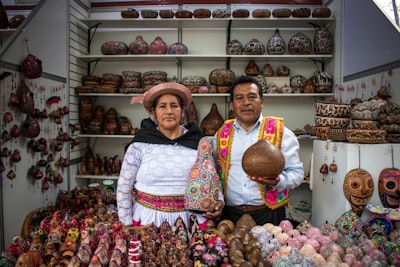
Step into the sensory wonderland of Khan El Khalili Bazaar, a historic souk dating back to the 14th century, and prepare to be enveloped by the sights, sounds, and smells of traditional Egyptian commerce. This labyrinthine market is a vibrant tapestry of narrow alleys, bustling stalls, and charming cafes, offering a truly immersive cultural experience.
Here, you can shop for an incredible array of traditional goods: intricate silver jewelry, hand-blown glass lamps, aromatic spices, fragrant perfumes, vibrant textiles, handcrafted leather goods, shisha pipes, and an abundance of souvenirs. Haggling is not just expected; it's an integral part of the shopping experience, so embrace the banter and enjoy the process.
Beyond the shopping, Khan El Khalili is a place to simply soak in the atmosphere. Stop at El Fishawy Café, Cairo’s oldest coffee house, which has been serving patrons for over 200 years, including literary giants like Naguib Mahfouz. Sip on mint tea or strong Turkish coffee, smoke a shisha, and watch the world go by. The bazaar is particularly enchanting in the evening when the shops are aglow and the energy is at its peak, making it an essential stop for anyone seeking an authentic slice of Egyptian life.
Stepping Back in Time: Exploring Islamic Cairo
To truly understand Cairo's layered history, a visit to Islamic Cairo is indispensable. This UNESCO World Heritage site is a treasure trove of mosques, madrasas (religious schools), palaces, and fortifications that narrate the story of a city that blossomed into one of the Islamic world's most influential centers.
Dominating the skyline is the majestic Citadel of Salah al-Din (Saladin), a medieval Islamic fortification offering panoramic views of the city, even allowing glimpses of the Giza Pyramids on a clear day. Within its walls stands the Mohamed Ali Mosque, an Ottoman-style alabaster masterpiece with its twin minarets piercing the sky, reminiscent of Istanbul's grand mosques. Its grand courtyard and intricate interior are truly awe-inspiring.
Wander through the historic Al-Muizz Street, often described as an open-air museum, where you'll encounter a stunning concentration of medieval Islamic architecture. Marvel at the intricate facades of the Mosque-Madrassa of Sultan Hassan and the nearby Al-Rifa'i Mosque, both monumental examples of Mamluk architecture. The thousand-year-old Al-Azhar Mosque, one of the oldest continually operating universities in the world, is another spiritual and intellectual landmark. Exploring Islamic Cairo is a journey through centuries of architectural brilliance, religious devotion, and the rich cultural heritage that defines the city.
Beyond the Major Sites: Other Cairo Gems
While the main attractions are captivating, Cairo offers even more layers to peel back for those with time and curiosity.
Coptic Cairo: Delve into the ancient Christian heritage of Egypt in Coptic Cairo, an area known as Old Cairo. Here, you'll find the Hanging Church (Saint Virgin Mary's Coptic Orthodox Church), one of Egypt's oldest churches, built atop the Roman Babylon Fortress. Nearby are the Church of Saints Sergius and Bacchus, believed to be a resting place for the Holy Family, and the Ben Ezra Synagogue, with its fascinating history linked to a trove of medieval Jewish manuscripts. This tranquil district offers a glimpse into a different facet of Egypt's diverse religious history.
Cairo Tower: For modern panoramic views of the entire sprawling city, ascend the Cairo Tower on Zamalek Island. Standing 187 meters tall, it offers a 360-degree vista, perfect for understanding the sheer scale of Cairo and spotting its various landmarks.
Zamalek Island: This affluent, leafy island in the middle of the Nile offers a more relaxed pace than mainland Cairo. Known for its art galleries, boutique shops, upscale cafes, and fine dining restaurants, Zamalek is a pleasant escape and a popular expatriate neighborhood.
Savoring Cairo: A Culinary Adventure
Egyptian cuisine is a delightful blend of Middle Eastern, Mediterranean, and African influences, and Cairo is the perfect place to embark on a culinary journey. Don't leave without trying these staples:
- Koshary: A quintessential Egyptian comfort food, this vegetarian dish is a hearty mix of rice, macaroni, and lentils, topped with chickpeas, a spicy tomato sauce, garlic vinegar, and crispy fried onions. It’s cheap, filling, and incredibly flavorful.
- Ful Medames: Stewed fava beans, often served for breakfast, seasoned with cumin, olive oil, and lemon juice. It's typically scooped up with fresh Egyptian bread (aish baladi).
- Ta’ameya (Egyptian Falafel): Unlike Levantine falafel made from chickpeas, Egyptian ta'ameya is made from fava beans, giving it a distinct green interior and a fluffier texture.
- Shawarma: Marinated meat (chicken or beef) cooked on a vertical spit, shaved off and served in a pita with tahini, pickles, and sometimes vegetables.
- Mahshi: Vegetables (peppers, zucchini, cabbage leaves, or vine leaves) stuffed with a flavorful rice mixture.
- Roz Bel Laban: A creamy, sweet rice pudding, often topped with nuts or cinnamon.
From bustling street food stalls to charming traditional restaurants, Cairo offers a diverse culinary scene. Be adventurous, try local recommendations, and savor the authentic flavors of Egypt.
Practical Travel Guide for Cairo
Navigating a city as vast and ancient as Cairo requires a bit of planning, especially when it comes to getting around and staying connected.
Getting Around Cairo: Your Transport Handbook
Cairo's traffic is legendary, but an efficient mix of transport options can help you explore the city effectively.
- Cairo Metro: Navigating the Underground
The Cairo Metro is arguably the most efficient and budget-friendly way to travel across the city, especially for reaching key attractions. It's clean, punctual (by Cairo standards), and air-conditioned. There are three lines currently, with more under construction. Look for signs in English. Women often have designated carriages, offering a more comfortable experience. Purchase tokens for single rides or a rechargeable smart card if you plan extensive travel. It’s a great way to bypass surface traffic congestion.
- Taxis and Ride-Hailing Apps: Convenience at Your Fingertips
Traditional white-and-black taxis (with no meter) require strong haggling skills, and it's essential to agree on a fare *before* starting the journey. Yellow taxis have meters but are less common. For reliability and transparency,
ride-hailing apps like Uber and Careem are highly recommended. They are widely used, affordable, provide fixed fares, and eliminate language barriers as destinations can be entered in the app. Always confirm the driver's name and license plate before getting in.
- Public Buses and Microbuses: A Local Experience
While incredibly cheap, public buses and microbuses (small vans that follow set routes) are best left to adventurous travelers or those with local knowledge. They can be crowded, confusing, and lack English signage, making them challenging for tourists.
- Car Rental: Is it for you?
Renting a car in Cairo is generally
not recommended for tourists. The traffic is notoriously dense and chaotic, driving styles are aggressive, and parking can be a nightmare. Roads are often poorly marked, and navigating without local knowledge can be very stressful. For day trips outside the city, hiring a car with a local driver is a far more relaxed and safer option.
- Bike Rental: Limited Options
Bike rental is not a common or practical option for general sightseeing in Cairo. The city's congested traffic, lack of dedicated bike lanes, and air quality make cycling largely unsafe and unpleasant for tourists. Some niche tour operators might offer guided bike tours in specific, less crowded areas (like along the Nile Corniche in certain spots or within Zamalek), but it's not a primary mode of transport.
- Budget Transport Tips: Saving Pounds in Cairo
- Utilize the Metro: It's by far the cheapest and most efficient way to cover long distances.
- Walk: For shorter distances within districts like Islamic Cairo, Coptic Cairo, or Zamalek, walking is the best way to soak in the atmosphere and save money.
- Ride-hailing Apps (Uber/Careem): While not as cheap as the Metro, they are significantly more affordable and reliable than haggling with traditional taxis, especially for groups.
- Negotiate Taxi Fares: If you must take a traditional taxi, always negotiate and agree on the price before getting in. Asking your hotel or a local for an estimated fare to your destination can help.
Connecting in Cairo: SIM Cards for Tourists
Staying connected is easy and affordable in Egypt. Upon arrival at Cairo International Airport (CAI) or at various shops across the city, you can purchase a local SIM card.
- Providers: The main mobile operators are Vodafone Egypt, Orange Egypt, and Etisalat by e&. All offer good coverage and competitive tourist packages.
- Where to Buy: You can buy SIM cards directly from official kiosks at the airport arrivals hall (often the most convenient, but potentially slightly pricier) or from official stores found in shopping malls and major streets throughout Cairo.
- Requirements: You will need your passport to register the SIM card.
- Packages: Look for "tourist SIM" or "data packages" which usually include a generous amount of data, some local calls, and sometimes international minutes, valid for 30 days. Prices are very reasonable. Expect to pay anywhere from EGP 150-300 (approx. USD 5-10) for a decent package.
- Activation: The staff at the store will usually activate the SIM card for you. It's best to have them test it before you leave.
Arrival and Departure: Cairo International Airport (CAI) to City
Cairo International Airport (CAI) is well-connected to the city center, offering several transport options:
- Taxi: Official airport taxis are readily available. Agree on the fare beforehand; it should be around EGP 200-300 to central Cairo depending on traffic and destination. Be prepared for some persistent drivers.
- Uber/Careem: This is often the most recommended option. Order your ride once you've collected your luggage and exited customs. The apps will direct you to designated pick-up points, usually clearly marked. Fares are transparent and typically range from EGP 150-250 to central areas.
- Airport Shuttle: Several private shuttle companies offer shared or private transfers. You can book these in advance online or at counters in the arrivals hall. These are convenient, especially for larger groups or if you prefer a pre-arranged pick-up.
- Public Bus/Metro: While the cheapest, this option involves transfers and can be cumbersome with luggage. A public bus connects the airport to various parts of the city, and from some bus stops, you can then connect to the Metro. However, for most tourists, direct options are preferred for convenience after a long flight.
Frequently Asked Questions (FAQ) about Visiting Cairo
Q1: Is Cairo safe for tourists?
A1: Yes, Cairo is generally safe for tourists. Like any large city, it's important to be aware of your surroundings, take standard precautions against petty crime (pickpocketing), and use reputable transportation. The local authorities prioritize tourist safety.
Q2: What is the best time of year to visit Cairo?
A2: The best time to visit Cairo is during the cooler months, from October to April. Temperatures are pleasant, making sightseeing more comfortable. Summers (May to September) can be extremely hot, with temperatures often exceeding 40°C (104°F).
Q3: What should I wear in Cairo?
A3: Egypt is a predominantly conservative country. While there's no strict dress code for tourists, it's advisable for both men and women to dress modestly. Lightweight, loose-fitting clothing made from breathable fabrics (like cotton or linen) is recommended. For women, covering shoulders and knees is respectful, especially when visiting mosques and religious sites. A headscarf is necessary for women to enter mosques.
Q4: Do I need a visa for Egypt?
A4: Most nationalities require a visa for Egypt. Many can obtain a visa on arrival at Cairo International Airport (currently USD 25 for a single-entry tourist visa, payable in cash). It's always best to check the latest visa requirements for your specific nationality with the Egyptian embassy or consulate in your country before traveling.
Q5: What currency is used in Egypt and should I bring cash?
A5: The currency is the Egyptian Pound (EGP). While credit cards are accepted in larger hotels, restaurants, and shops, cash is essential for smaller purchases, street vendors, local taxis, and tipping. ATMs are widely available. It's advisable to carry a mix of small and larger denominations.
Q6: Is tipping customary in Cairo?
A6: Yes, tipping (known as "baksheesh") is customary and expected for many services in Egypt, from waiters and taxi drivers to hotel staff and tour guides. It's usually a small amount, but it significantly supplements local wages. Keep small notes handy for this purpose.
Q7: Is it safe to drink tap water in Cairo?
A7: It is generally not recommended to drink tap water in Cairo. Stick to bottled water, which is widely available and inexpensive. Use bottled water even for brushing your teeth to be safe.
Q8: What is the electricity voltage and plug type in Egypt?
A8: The electricity voltage in Egypt is 220V at 50Hz. The standard plug types are Type C and Type F (two round pins), which are common in Europe. You may need a travel adapter for your electronic devices.
Conclusion
Cairo is a city of unparalleled historical depth and vibrant modern energy, a place where every corner turned reveals another layer of its magnificent story. From the timeless allure of the pyramids to the bustling charm of its ancient bazaars, from the serene flow of the Nile to the intricate beauty of Islamic architecture, Cairo offers a journey that is as enriching as it is exhilarating. It challenges your perceptions, awakens your senses, and leaves an indelible mark on your soul. Embrace its chaos, marvel at its history, savor its flavors, and connect with its warm-hearted people. Cairo is not just a destination; it's an experience, a bridge between epochs, waiting for you to cross.