The Ultimate Cape Town Travel Guide: Discover South Africa's Mother City Marvel
The Ultimate Cape Town Travel Guide: Discover South Africa's Mother City Marvel
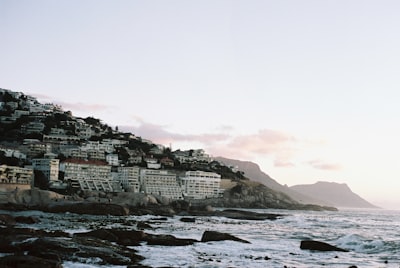
Cape Town, often hailed as one of the world's most beautiful cities, is a vibrant tapestry woven with breathtaking natural landscapes, a rich, layered history, and an effervescent cultural scene. Nestled beneath the iconic Table Mountain, this South African gem offers an unparalleled blend of adventure, relaxation, and profound discovery. From its dramatic coastlines and verdant vineyards to its bustling urban centers and poignant historical sites, Cape Town promises an unforgettable journey for every kind of traveler.
Prepare to be captivated by a city that truly has it all – whether you're a nature enthusiast eager to hike majestic peaks, a history buff keen to delve into stories of resilience, a foodie ready to explore diverse culinary landscapes, or simply someone seeking the warmth of African hospitality. This comprehensive guide will equip you with everything you need to navigate and experience the magic of the Mother City, ensuring your trip is as seamless as it is spectacular.
Iconic Landmarks & Experiences You Can't Miss
Cape Town's allure lies in its diverse array of attractions. Here are the cornerstone experiences that define a visit to this magnificent city.
Table Mountain: The Majestic Sentinel
Dominating the city's skyline, Table Mountain is more than just a mountain; it's a symbol of Cape Town itself and a designated New7Wonder of Nature. Reaching its flat-topped summit is an essential experience, offering unparalleled panoramic views that stretch across the city, the Atlantic Seaboard, and beyond.
The most popular way to ascend is via the
Table Mountain Aerial Cableway, which rotates 360 degrees as it glides upwards, providing ever-changing vistas. It's a truly spectacular ride, but be prepared for queues during peak season and favorable weather. Always check the cableway's operating status online, as it often closes in high winds.
For the more adventurous, numerous
hiking trails wind their way up the mountain. Platteklip Gorge is the most direct and challenging, a steep ascent that rewards with incredible views. Other routes like India Venster offer a more technical climb. Always hike with a companion, inform someone of your route, and carry enough water, especially during warmer months. The summit itself is a mini-ecosystem, home to unique fynbos flora and small dassies (rock hyrax). There are walkways, a shop, and a restaurant at the top, allowing you to fully soak in the views.
Pro Tip: Go early in the morning for fewer crowds and clearer views, or later in the afternoon to catch a magnificent sunset over the Atlantic Ocean (check cable car last descent times).
Robben Island: A Journey Through History
A UNESCO World Heritage Site, Robben Island is a poignant and powerful reminder of South Africa's tumultuous past and its triumph over apartheid. This small island in Table Bay served as a maximum-security prison for political prisoners, most notably Nelson Mandela, who spent 18 of his 27 years of imprisonment here.
Visiting Robben Island is a profoundly moving experience. The tour begins with a ferry ride from the V&A Waterfront, offering stunning views back towards Table Mountain. Upon arrival, you'll be guided through the prison by a former political prisoner, whose firsthand accounts bring the history to life with raw honesty and remarkable insight. You'll see Mandela's cell, the lime quarry where prisoners endured forced labor, and hear stories of resilience and hope.
Booking in advance is absolutely essential, as tours frequently sell out, especially during peak season. Allow half a day for the entire experience, including ferry travel.
V&A Waterfront: A Hub of Activity
The Victoria & Alfred Waterfront is arguably Cape Town's most popular tourist destination, a bustling harbor precinct where historic charm meets contemporary vibrancy. This working harbor is a melting pot of world-class shopping, diverse dining options, live entertainment, and a myriad of activities suitable for all ages.
Wander through its extensive
shopping malls, browse local craft markets, or indulge in duty-free luxury. The
dining scene is incredibly varied, from casual cafes and seafood shacks to gourmet restaurants with harbor views. Don't miss the chance to try fresh local seafood!
Beyond shopping and eating, the V&A offers much to do:
- Two Oceans Aquarium: Discover the rich marine life of the Atlantic and Indian Oceans.
- Boat Trips: Embark on harbor cruises, sunset sails, or even thrilling speed boat rides.
- Helicopter Tours: Get a bird's-eye view of Cape Town's stunning coastline.
- Watershed Market: Explore local artisan crafts and unique souvenirs.
- Clock Tower and Nelson Mandela Gateway: Learn about the area's history and its connection to Robben Island.
- Zeitz MOCAA: Africa's largest contemporary art museum is a short walk away.
It's a safe, family-friendly environment perfect for spending an afternoon or an entire day.
Cape Point & Cape of Good Hope: Where Two Oceans Meet
Embark on a scenic drive along the stunning coastal roads to the very southwestern tip of Africa, a dramatic landscape of rugged cliffs, pristine beaches, and rich biodiversity within the Table Mountain National Park.
Cape Point is famous for its powerful lighthouse and the iconic Flying Dutchman Funicular that takes you up to the viewing platform. From here, you can gaze out over the vast expanse of the Atlantic Ocean and truly feel like you're at the edge of the world. Just a short drive away lies the
Cape of Good Hope, a historic landmark that was once a crucial navigational point for sailors rounding Africa. Although it's a common misconception, Cape Agulhas is the true southernmost tip of Africa where the Indian and Atlantic Oceans officially meet; however, the wild beauty of Cape Point is undeniable.
The drive itself is spectacular, passing through picturesque towns like Simon's Town (home to the Boulders Beach penguin colony) and Hout Bay. Keep an eye out for baboons, ostriches, and various antelope species along the way. Remember to keep car windows closed and avoid feeding any wildlife.
Bo-Kaap: A Kaleidoscope of Culture
Tucked away on the slopes of Signal Hill, the vibrant neighborhood of Bo-Kaap is an explosion of color and culture. Known for its brightly painted houses, cobbled streets, and unique Cape Malay heritage, it's a photographer's dream and a living museum of history.
Originally settled by descendants of slaves brought to the Cape from Malaysia, Indonesia, and various African countries, Bo-Kaap is one of Cape Town's oldest residential areas. Its distinct architecture and predominantly Muslim community offer a fascinating glimpse into a rich cultural tapestry. Stroll through its streets, admire the unique facades, and soak in the lively atmosphere.
Tips for visiting:
- Photography: The colorful houses make for incredible photos, but remember this is a residential area, so be respectful of privacy.
- Food: Try authentic Cape Malay cuisine. Look for local eateries serving bobotie, samoosas, and koesisters.
- Museum: The Bo-Kaap Museum offers insights into the history and culture of the area.
- Guided Tours: Consider a walking tour led by a local resident to truly understand its heritage.
Beyond the Main Attractions: More to Explore
Cape Town's charm extends far beyond its most famous landmarks. Dive deeper to discover more of its diverse offerings.
Pristine Beaches: Sun, Sand, and Surf
Cape Town boasts some of the most beautiful urban beaches in the world, each with its own character.
- Clifton Beaches (1st, 2nd, 3rd, 4th): These four pristine white-sand beaches, separated by granite boulders, are protected from the notorious Cape Doctor wind and are popular for sunbathing and swimming (though the Atlantic water is bracingly cold!).
- Camps Bay: A lively beach strip with palm trees, trendy restaurants, and stunning sunset views over the Twelve Apostles mountain range.
- Boulders Beach (Simon's Town): Famous for its colony of endangered African penguins. Get up close (but not too close!) on the boardwalks and watch these adorable creatures waddle and swim. An absolute must-visit!
- Muizenberg Beach: Known for its iconic colorful beach huts and warmer Indian Ocean waters, making it ideal for swimming and learning to surf.
Winelands Wonders: Taste of the Cape
Just a short drive from the city, the Cape Winelands are a world-renowned region of picturesque vineyards, historic estates, and exquisite wines.
- Stellenbosch: South Africa's second-oldest town, famed for its oak-lined streets, Cape Dutch architecture, and over 150 wine farms.
- Franschhoek: The "French Corner" offers a gourmet experience with award-winning restaurants and luxurious wine estates. Take the Franschhoek Wine Tram for a hop-on, hop-off wine tasting adventure.
- Constantia: The oldest wine-producing region in South Africa, right on Cape Town's doorstep, known for its sweet wines like Vin de Constance and beautiful historic estates.
Embark on guided wine tours or rent a car for a self-drive adventure, but remember to have a designated driver.
Cultural Immersion & Museums
Delve into Cape Town's rich and complex history through its museums and cultural sites.
- District Six Museum: A powerful tribute to a vibrant community forcibly removed during apartheid, preserving its memory and advocating for justice.
- Iziko Museums: A network of national museums covering art, natural history, and social history, including the South African Museum and the National Gallery.
- Kirstenbosch National Botanical Garden: A breathtakingly beautiful garden nestled on the eastern slopes of Table Mountain, showcasing South Africa's diverse indigenous flora. Perfect for a leisurely stroll, picnic, or enjoying a summer concert.
- Greenmarket Square: A historic square now home to a vibrant craft market, offering African curios, jewelry, and clothing.
Adventure & Nature Escapes
For thrill-seekers and outdoor enthusiasts, Cape Town offers an abundance of adrenaline-pumping activities.
- Lion's Head Hike: A popular, relatively challenging hike offering 360-degree views of the city, Table Mountain, and the Atlantic Seaboard, especially stunning at sunrise or sunset.
- Shark Cage Diving: For the truly brave, an exhilarating encounter with great white sharks in Gansbaai (a few hours drive from Cape Town).
- Paragliding: Launch from Lion's Head or Signal Hill for an unforgettable tandem flight with spectacular aerial views.
- Surfing & Kitesurfing: Catch waves at Muizenberg or ride the winds at Bloubergstrand, known for its iconic postcard views of Table Mountain.
Culinary Delights: A Foodie's Paradise
Cape Town's food scene is as diverse as its population. From gourmet fine dining to casual street food, there's something to tantalize every palate.
- Local Cuisine: Try traditional Cape Malay curries, bobotie (a savory mince dish), boerewors rolls, or a Gatsby (a massive sandwich).
- Seafood: Fresh seafood is abundant, with options ranging from casual fish and chips at Kalk Bay harbor to upscale establishments at the V&A Waterfront.
- Fine Dining: Cape Town boasts several world-class restaurants, many offering incredible views and innovative menus.
- Markets: Explore food markets like the Neighbourgoods Market at Old Biscuit Mill (Saturdays) for artisanal foods, local produce, and live music.
Planning Your Cape Town Adventure
To make the most of your trip, consider these practical aspects.
Best Time to Visit
Cape Town experiences a Mediterranean climate.
- Summer (November - February): Warm, sunny, and dry. Ideal for beaches and outdoor activities. This is peak tourist season, so expect larger crowds and higher prices.
- Autumn (March - May): Pleasant temperatures, fewer crowds, and lush landscapes after winter rains. Excellent for hiking and wine tasting.
- Winter (June - August): Cooler and wetter, but often features clear, crisp days. Whale watching season begins, and accommodation prices are lower.
- Spring (September - October): Wildflowers bloom, temperatures are mild, and tourist numbers are picking up.
Safety Tips & Local Etiquette
Cape Town is generally safe for tourists, but like any major city, vigilance is key.
- Be Aware: Stay alert, especially in crowded areas and at night.
- Avoid Walking Alone at Night: Use reputable taxis or ride-sharing apps.
- Secure Valuables: Don't display expensive cameras or jewelry openly.
- Don't Flash Cash: Use ATMs during daylight hours and in well-lit, busy areas.
- Research Areas: Ask your accommodation about safe areas to explore.
- Don't Feed Baboons: Especially around Cape Point. They can be aggressive.
- Respect Local Customs: South Africans are generally friendly and welcoming. Acknowledge service staff, and remember "please" and "thank you" go a long way.
Accommodation Options
Cape Town offers a vast range of accommodation to suit every budget and style:
- Luxury Hotels: From five-star establishments at the V&A Waterfront to boutique hotels in Camps Bay.
- Mid-Range Hotels & Guesthouses: Numerous comfortable and charming options throughout the city and its suburbs.
- Hostels: Budget-friendly dorms and private rooms, particularly popular in the city center and Green Point.
- Self-Catering Apartments/Villas: Ideal for longer stays or groups, offering flexibility and local living.
Popular areas include Camps Bay, Clifton, Sea Point, Green Point, Gardens, and the City Bowl for proximity to attractions.
Getting Around Cape Town: Your Transport Guide
Navigating Cape Town is relatively easy with various transport options.
Airport to City Transport Guide
Cape Town International Airport (CPT) is well-connected to the city center, about 20-25 km away.
- MyCiTi Bus (Route A01): This is the most cost-effective and efficient option. The bus departs directly from the airport terminal and takes you to the MyCiTi Civic Centre station in the city center. From there, you can connect to other MyCiTi routes or use a taxi/ride-share to your final destination. You'll need a MyCiTi "myconnect" card, which can be purchased at the airport MyCiTi station.
- Shuttle Services: Numerous private shuttle companies offer direct transfers to your accommodation. These can be pre-booked online.
- Taxis: Registered airport taxis are available outside the terminal. Ensure it's a metered taxi or agree on a fare beforehand.
- Ride-Sharing Apps (Uber/Bolt): Widely used and reliable in Cape Town. Simply order through the app upon arrival. They have designated pick-up zones.
- Car Rental: Various car rental agencies operate at the airport.
Public Transport Guide
While not as extensive as some global cities, Cape Town's public transport system is improving.
- MyCiTi Bus: The flagship public transport system, offering clean, safe, and relatively efficient services. It covers major routes within the city center, Atlantic Seaboard (Camps Bay, Clifton), and extends to the airport. You *must* purchase a "myconnect" card (available at stations and some retailers) and load funds onto it to use the service. Plan your journey using the MyCiTi website or app.
- Golden Arrow Bus Services: Primarily serves local communities and is less tourist-friendly, but offers more extensive coverage to outer suburbs.
- Trains (Metrorail): Connects the city center to various suburbs. However, Metrorail has faced challenges with safety and reliability in recent years, and it's generally not recommended for tourists for primary sightseeing transport.
Car Rental / Bike Rental Options
- Car Rental: For ultimate flexibility, especially if you plan on exploring the Winelands, Cape Point, or driving scenic routes like Chapman's Peak Drive, renting a car is highly recommended. All major international car rental agencies (Hertz, Avis, Europcar, Budget, Thrifty, etc.) have offices at the airport and in the city.
- Pros: Freedom to explore at your own pace, access to areas not covered by public transport.
- Cons: Driving on the left, traffic congestion, finding parking, navigating unfamiliar roads (GPS is essential).
- Tips: Book in advance, get full insurance, and ensure you have an international driving permit if your license isn't in English.
- Bike Rental: Cycling is popular, especially along the Sea Point Promenade. You can rent bicycles from various outlets along the promenade or in the city center. For mountain biking, areas like Table Mountain National Park and Jonkershoek Nature Reserve in Stellenbosch offer dedicated trails, and you can rent specialized bikes from adventure outfitters. Scooter rentals are also an option for short distances.
Budget Transport Tips
Keeping transport costs down is achievable with smart planning.
- MyCiTi Bus is your best friend: For getting to and from the airport, and for popular routes within the city and along the Atlantic Seaboard, the MyCiTi bus is the cheapest and most reliable option.
- Walk wherever possible: Many central areas of Cape Town (City Bowl, V&A Waterfront) are highly walkable. Enjoy the scenery and save money.
- Utilize Ride-Sharing (Uber/Bolt) for group travel: If you're traveling with 2-3 people, dividing the cost of an Uber or Bolt can often be comparable to, or even cheaper than, individual MyCiTi fares for certain routes, especially late at night when MyCiTi services are limited.
- Consider a hop-on, hop-off bus: While not the cheapest per ride, the City Sightseeing red bus offers a comprehensive tour of major attractions with commentary, and you can use it as transport between sights for the day. Look for combo deals.
- Avoid taxis unless necessary: Traditional street taxis are generally more expensive than ride-sharing apps and require more negotiation or vigilance.
Best SIM Card for Tourists
Staying connected is easy and affordable in South Africa.
- Major Providers: Vodacom, MTN, Cell C, and Telkom are the main mobile network operators. Vodacom and MTN generally offer the best coverage, especially outside major cities.
- Where to Buy: You can purchase a prepaid SIM card ("Pay As You Go") directly upon arrival at Cape Town International Airport, usually from kiosks in the arrivals hall. Alternatively, visit official stores for any of the providers in shopping malls or at the V&A Waterfront.
- What You Need: You will need your passport for RICA registration (South Africa's SIM card registration process) and proof of address (your accommodation address in Cape Town is sufficient).
- Plans: Look for data bundles and voice/SMS packages designed for tourists. You can buy daily, weekly, or monthly bundles that are usually very good value. For most tourists, a data-heavy bundle (e.g., 5GB or 10GB) will suffice for maps, social media, and communication.
- Activation: The store attendant will usually activate the SIM card for you. It's often instantaneous.
- Cost: A basic SIM card is inexpensive (often less than R100), and you then add airtime/data bundles. Expect to spend R150-R300 for a decent data bundle lasting a week or two.
Essential Travel Tips for Cape Town
- Currency: South African Rand (ZAR). Credit cards are widely accepted, but it's good to carry some cash for smaller purchases or markets.
- Language: English is widely spoken, alongside Afrikaans and Xhosa.
- Electricity: Type M plug (three large round pins). Voltage is 220-240V. Bring an adapter.
- Tipping: Common practice. 10-15% for good service in restaurants. Tip petrol attendants, car guards (R5-R10), and tour guides.
- Water: Tap water in Cape Town is generally safe to drink, though bottled water is widely available.
Frequently Asked Questions (FAQ)
Is Cape Town safe for tourists?
Yes, generally Cape Town is safe for tourists, especially in major tourist areas. However, like any large city, it has crime. It's important to be vigilant, aware of your surroundings, avoid walking alone at night, and use reputable transport. Keep valuables out of sight.
How many days do I need to explore Cape Town?
To experience the main highlights and some surrounding areas, a minimum of 5-7 days is recommended. This allows for Table Mountain, Robben Island, V&A Waterfront, Cape Point, and a day trip to the Winelands. If you want to delve deeper into specific interests like hiking, surfing, or cultural immersion, consider 10-14 days.
What is the local currency and where can I exchange money?
The local currency is the South African Rand (ZAR). You can exchange money at the airport, major banks, or dedicated currency exchange bureaus (like Travelex) at the V&A Waterfront or in the city center. ATMs are widely available and offer good exchange rates.
Do I need a visa to visit South Africa?
Visa requirements depend on your nationality. Many countries, including the US, UK, EU countries, Australia, and New Zealand, do not require a visa for stays up to 90 days. Always check the latest visa regulations with the South African embassy or consulate in your country before traveling.
What is the weather like in Cape Town?
Cape Town has a Mediterranean climate. Summers (Dec-Feb) are warm and dry with average temperatures around 25-30°C. Winters (Jun-Aug) are cool and wet, with temperatures around 10-18°C. Spring (Sep-Nov) and Autumn (Mar-May) offer mild, pleasant weather. The "Cape Doctor" is a strong southeastern wind common in summer.
Can I drink the tap water in Cape Town?
Yes, tap water in Cape Town is generally safe to drink and meets international standards. The city has recovered from its past drought. However, if you have a sensitive stomach, bottled water is readily available.
Conclusion: Why Cape Town Should Be Your Next Destination
Cape Town is more than just a destination; it's an experience that will etch itself into your memory. Its dramatic natural beauty, from the commanding presence of Table Mountain to the rugged grandeur of Cape Point, is simply unparalleled. Coupled with a history that speaks volumes of both struggle and triumph, a vibrant multicultural identity, and a burgeoning culinary scene, the Mother City offers a depth of travel experiences rarely found elsewhere.
Whether you seek adventure on its hiking trails, solace on its pristine beaches, enlightenment in its historical sites, or simply the joy of discovery in its colorful neighborhoods, Cape Town invites you to explore, learn, and fall in love with its undeniable charm. Pack your bags and prepare for an adventure of a lifetime in South Africa's most scenic marvel.