Barcelona: The Ultimate Guide to Exploring Spain's Mediterranean Jewel
Barcelona: The Ultimate Guide to Exploring Spain's Mediterranean Jewel
Nestled on the sun-drenched coast of northeastern Spain, Barcelona is a city that pulsates with an energy unlike any other. A mesmerizing blend of ancient history, groundbreaking modernist architecture, and vibrant coastal living, it truly earns its moniker as the "Mediterranean Jewel." From the whimsical creations of Antoni Gaudí that punctuate the skyline to the labyrinthine alleys of the Gothic Quarter, and from the golden sands of Barceloneta Beach to the electric buzz of its nightlife, Barcelona offers an unparalleled travel experience. This comprehensive guide will help you navigate its charms, understand its pulse, and make the most of your adventure in this enchanting Catalan capital.
Barcelona is not just a city; it's an emotion. It’s the sound of flamenco guitar drifting from a hidden square, the aroma of paella wafting from a bustling terrace, the sight of children chasing pigeons in front of a thousand-year-old cathedral, and the feel of the Mediterranean breeze on your face. It’s a city that invites you to get lost in its beauty, to savor its flavors, and to dance to its rhythm. Whether you're a history buff, an art enthusiast, a beach lover, or a foodie, Barcelona promises a journey of discovery and delight.
Unveiling Barcelona's Iconic Attractions
Barcelona’s skyline is a canvas painted with architectural marvels, where the past seamlessly blends with the avant-garde. The city is a living museum, and its attractions are the masterpieces.
La Sagrada Familia: Gaudí's Unfinished Masterpiece
No visit to Barcelona is complete without standing in awe before the majestic La Sagrada Familia. Antoni Gaudí’s magnum opus, this basilica is not just a church but a symphony in stone, a testament to spiritual devotion and unparalleled artistic vision. Still under construction more than 140 years after the first stone was laid, its soaring spires reach for the heavens, each facade telling a different story – from the Nativity to the Passion. Inside, the forest-like columns and stained-glass windows create an ethereal glow, transforming sunlight into a kaleidoscope of colors that dance across the interior.
- Visitor Tips: Book your tickets online well in advance to secure your preferred time slot and avoid long queues. Consider an audio guide or a guided tour to fully appreciate the intricate symbolism and history.
Park Güell: A Whimsical Mosaic Wonderland
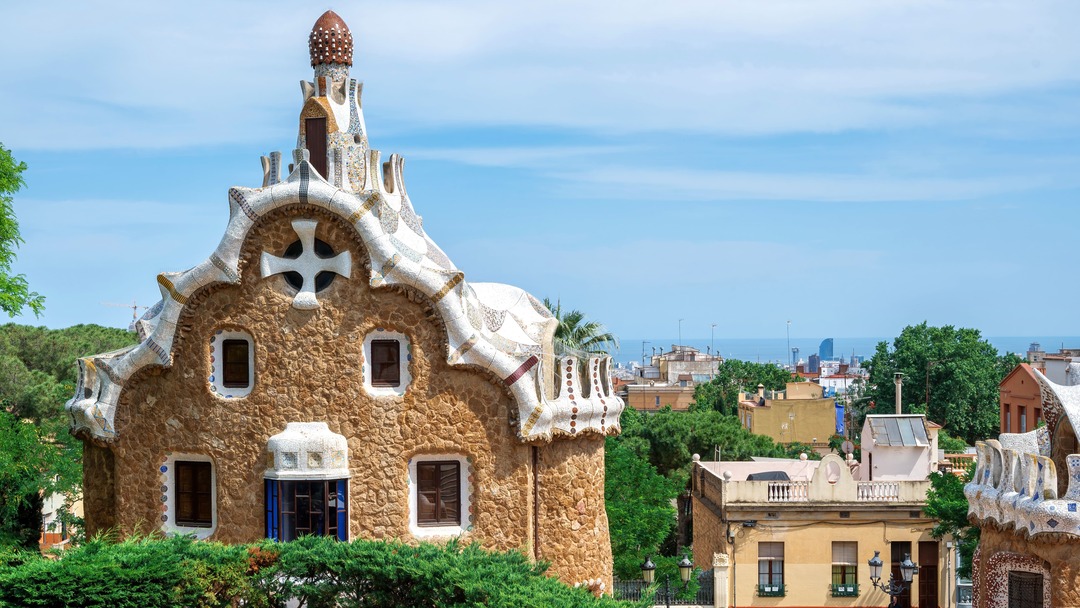
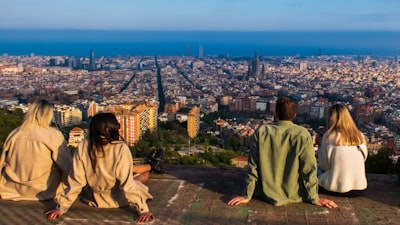
Another jewel in Gaudí’s crown, Park Güell is a public park system composed of gardens and architectural elements, blending seamlessly with nature. Perched on Carmel Hill, it offers breathtaking panoramic views of Barcelona and the sparkling Mediterranean Sea. The park is a riot of color, with whimsical structures, vibrant mosaic work (trencadís), and the iconic lizard fountain. From the undulating serpentine bench to the gingerbread-house-like gatehouses, every detail reflects Gaudí’s playful imagination and unique organic style.
- Visitor Tips: The Monumental Zone, where most of Gaudí’s famous elements are located, requires a timed ticket. Book online to guarantee entry, especially during peak season. Wear comfortable shoes as there's a fair bit of walking involved.
Gothic Quarter (Barri Gòtic): Stepping Back in Time
Lose yourself in the enchanting maze of the Gothic Quarter, Barcelona’s oldest and most atmospheric neighborhood. Its narrow, winding streets and hidden squares whisper tales of centuries past. Here, Roman walls meet medieval buildings, and grand cathedrals stand testament to a rich and sometimes tumultuous history. Explore Plaça Sant Jaume, the political heart of the city; marvel at the stunning Barcelona Cathedral; and discover charming boutiques, traditional tapas bars, and the remnants of the ancient Jewish Quarter (El Call).
- Exploration Tips: Allow yourself to wander without a strict itinerary. Look up to admire architectural details, and don't be afraid to duck into a side alley; you might discover a hidden gem.
Barceloneta Beach: Sun, Sand, and Sea
For those seeking relaxation and a taste of Barcelona’s coastal lifestyle, Barceloneta Beach is the place to be. This urban beach, easily accessible from the city center, offers golden sands, refreshing Mediterranean waters, and a lively promenade. Whether you want to sunbathe, swim, enjoy a leisurely stroll, or indulge in some fresh seafood at one of the chiringuitos (beach bars), Barceloneta provides the perfect escape.
- Activities: Rent a sun lounger, try paddleboarding, or simply enjoy people-watching. The promenade is also popular for cycling and jogging.
Magic Fountain of Montjuïc: A Spectacle of Light and Water
As dusk falls, head to Montjuïc hill for a truly magical experience at the Magic Fountain. Built for the 1929 International Exposition, this spectacular fountain offers a mesmerizing show of water acrobatics, light, and music. The choreographed display, set against the backdrop of the Palau Nacional, is a feast for the senses and a favorite for visitors of all ages.
- Show Times: Check the official schedule online as show times vary by season and day of the week. Arrive early to secure a good viewing spot, especially on weekends.
Beyond the Icons: More Barcelona Delights
- Las Ramblas: While often crowded, a stroll down this iconic tree-lined boulevard offers a glimpse into Barcelona's bustling street life, with flower stalls, street performers, and the famous La Boqueria market. *Caution: Be mindful of pickpockets.*
- La Boqueria Market: A vibrant explosion of colors, sounds, and aromas, this historic food market on Las Ramblas is a paradise for foodies. Sample fresh juices, exotic fruits, cured meats, and delicious tapas.
- El Born: Adjacent to the Gothic Quarter, El Born is a trendy neighborhood known for its independent boutiques, artisan workshops, and bustling nightlife. Don't miss the Picasso Museum and the beautiful Santa Maria del Mar church.
- Gràcia: Once a separate village, Gràcia retains its distinct bohemian charm. Explore its charming plazas, independent shops, and excellent restaurants. It's particularly lively during its annual street festival in August.
- Montjuïc Hill: Beyond the Magic Fountain, Montjuïc offers a wealth of attractions, including Montjuïc Castle, the Joan Miró Foundation, the Olympic Ring, and beautiful gardens, all accessible by cable car or Funicular.
- Picasso Museum: Located in El Born, this museum houses one of the most extensive collections of artworks by the 20th-century Spanish artist Pablo Picasso.
- Camp Nou Experience: For football fans, a visit to the iconic home stadium of FC Barcelona is a must. Take a stadium tour and explore the museum.
Savoring Barcelona: A Culinary Journey
Barcelona’s food scene is as diverse and vibrant as the city itself. From traditional Catalan dishes to innovative modern cuisine, your taste buds are in for a treat.
- Tapas: The quintessential Spanish experience. Head to local bars in the Gothic Quarter, El Born, or Gràcia for a variety of small, shareable dishes like patatas bravas, pimientos de padrón, jamón ibérico, and pan con tomate.
- Paella: While traditionally from Valencia, Barcelona offers excellent paella, especially seafood paella (paella de marisco). Look for restaurants near Barceloneta or in Port Olímpic.
- Fresh Seafood: Being a coastal city, Barcelona boasts an abundance of fresh seafood. Visit restaurants in the Barceloneta area or in markets like La Boqueria for the freshest catches.
- Catalan Specialties: Try Fideuà (a noodle paella), Esqueixada (salt cod salad), Escudella i carn d'olla (a hearty stew), and Crema Catalana for dessert.
- Markets: Beyond La Boqueria, explore other local markets like Mercat de Sant Antoni or Mercat de la Concepcio for a truly authentic food experience and fresh produce.
Navigating Barcelona: A Comprehensive Transport Guide
Getting around Barcelona is incredibly efficient, thanks to its extensive public transport network. Whether you're commuting from the airport or exploring the city's nooks and crannies, you'll find an option that suits your needs and budget.
Public Transport Guide: Metro, Bus, Tram & FGC
Barcelona boasts one of Europe's most user-friendly public transport systems, encompassing metro, buses, trams, and FGC commuter trains.
- Metro (Subway): The fastest and most convenient way to travel across the city. It’s extensive, clean, safe, and air-conditioned, with lines covering all major attractions. Operating hours are generally from 5:00 AM to midnight (Sunday to Thursday), extending until 2:00 AM on Fridays, and running continuously from Saturday morning until Sunday at midnight.
- Buses: An excellent way to see the city as you travel. Buses cover routes not served by the metro, and night buses (NitBus) operate after metro hours.
- Tram: A modern tram network serves specific areas, particularly along the Diagonal avenue and the eastern parts of the city.
- FGC (Ferrocarrils de la Generalitat de Catalunya): These regional trains operate within the metropolitan area and are useful for reaching destinations slightly outside the city center, like Tibidabo or the Montserrat mountain.
Tickets and Passes:
- Single Ticket: €2.40 (as of early 2024). Not recommended for multiple journeys.
- T-Casual (Zone 1): A personal travel card for 10 journeys on any public transport in Zone 1 (which covers the entire city center and most major attractions). It costs around €11.35 and is valid for a single user. This is often the most economical choice for most tourists.
- Hola Barcelona Travel Card: Offers unlimited journeys on all public transport (metro, bus, tram, FGC, and even the metro from the airport) for 2, 3, 4, or 5 consecutive days. Prices vary from approximately €16.30 (2 days) to €38 (5 days). Great value if you plan to use public transport extensively.
- Where to Buy: Tickets can be purchased at metro stations (from vending machines or ticket counters), FGC stations, and some bus stops.
Airport to City Transport Guide: Arriving in Barcelona
Barcelona-El Prat Airport (BCN) is well-connected to the city center, offering several convenient options.
1.
Aerobús: This express bus service connects both Terminal 1 (T1) and Terminal 2 (T2) directly to Plaça Catalunya in the city center, with a few intermediate stops (e.g., Plaça Espanya, Urgell).
- Frequency: Every 5-10 minutes.
- Journey Time: Approximately 35 minutes.
- Cost: Around €6.75 for a single ticket, €11.65 for a return. Tickets can be bought online, from machines at the stop, or from the driver.
- Pros: Fast, frequent, direct to city center, ample luggage space.
- Cons: Not covered by T-Casual (Hola Barcelona Travel Card does cover it).
2.
Metro (L9 Sud): The L9 Sud line connects both T1 and T2 directly to the city's metro network. You'll likely need to transfer to another line to reach your final destination.
- Frequency: Every 7 minutes.
- Journey Time: Approx. 30 minutes to Zona Universitaria (where you'd transfer), plus transfer time.
- Cost: Requires a special airport ticket (Billete Aeropuerto), costing around €5.50. This ticket *is not* covered by the T-Casual, but *is* included in the Hola Barcelona Travel Card.
- Pros: Integrated into the metro system, good for those with a Hola Barcelona Travel Card.
- Cons: Can involve transfers, longer journey time than Aerobús for some destinations.
3.
RENFE Train (R2 Nord): This train line connects Terminal 2 (T2) of the airport to several key stations in Barcelona, including Sants Estació (main train station) and Passeig de Gràcia. If you arrive at T1, you'll need to take a free airport shuttle bus to T2 to catch the train.
- Frequency: Every 30 minutes.
- Journey Time: Approx. 20-25 minutes to Passeig de Gràcia.
- Cost: A single ticket is around €4.60. It *is* covered by the T-Casual and Hola Barcelona Travel Card.
- Pros: Cheap, good for those staying near Sants or Passeig de Gràcia, covered by T-Casual.
- Cons: Only serves T2 (requires shuttle from T1), less frequent than Aerobús.
4.
Taxi/Ride-Sharing (Cabify/Free Now): Taxis are readily available outside both terminals. Ride-sharing apps like Cabify and Free Now (similar to Uber, but more integrated with local taxi services) also operate in Barcelona.
- Cost: Around €30-€40 to the city center, with potential surcharges for airport pick-up, luggage, or late-night travel.
- Pros: Door-to-door convenience, good for groups or heavy luggage.
- Cons: Most expensive option, can be subject to traffic delays.
Budget Transport Tips
- Embrace the T-Casual: If you're staying for a few days and planning to use public transport frequently but not excessively, the T-Casual is often the most cost-effective ticket. Remember it's for one person.
- Walk Everywhere You Can: Barcelona is a very walkable city, especially within neighborhoods. Many attractions are clustered together. Walking allows you to discover hidden gems and saves money.
- Hola Barcelona Travel Card for Intensive Use: If you plan on using public transport more than 4-5 times a day, especially including airport transfers, the Hola Barcelona Travel Card might be a better value than separate tickets.
- Avoid Taxis for Short Distances: Taxis are convenient but quickly add up. For short trips, consider walking or a metro ride.
- Free Airport Shuttle: If you're arriving at T1 and plan to take the RENFE train, remember to use the free shuttle bus to T2.
Car Rental / Bike Rental Options
Car Rental:
Renting a car in Barcelona is generally
not recommended for exploring the city itself.
- Why not: City traffic can be heavy, parking is expensive and difficult to find, and the public transport system is excellent. Most city attractions are within walking distance or easily accessible by metro.
- When it's useful: A car rental becomes valuable if you plan extensive day trips outside Barcelona to explore Catalonia’s beautiful countryside, coastal towns (like Sitges or the Costa Brava), or wineries.
- Rental Companies: Major international rental companies (Hertz, Avis, Europcar, Sixt) have desks at the airport and some city locations.
- Requirements: You'll typically need a valid driver's license (an International Driving Permit is highly recommended for non-EU citizens), a credit card, and be over 21 (sometimes 25) years old.
Bike Rental:
Barcelona is a surprisingly bike-friendly city, with numerous bike lanes and a relatively flat terrain in many areas.
- Rental Shops: You'll find many bike rental shops throughout the city, especially in tourist areas like the Gothic Quarter, El Born, and near Barceloneta. Prices typically range from €10-€20 for a half-day or full-day rental.
- Electric Bikes: Many shops also offer electric bikes, which are great for tackling Barcelona's hills (like Montjuïc or Park Güell).
- Bicing: Barcelona also has a public bike-sharing system called Bicing, but it's primarily designed for residents with an annual subscription and not easily accessible for short-term tourists. Stick to private rental shops.
- Popular Routes: Cycle along the Barceloneta promenade, through Ciutadella Park, or explore the less hilly neighborhoods.
Best SIM Card for Tourists in Barcelona
Staying connected is crucial for navigation, booking tickets, and sharing your travel experiences. Getting a local SIM card or an eSIM is highly recommended.
Local SIM Cards:
You can purchase physical SIM cards from major Spanish telecom providers.
- Providers: Orange, Vodafone, Movistar, and Yoigo are the main ones. Orange and Vodafone generally have good tourist plans.
- Airport: Kiosks in the arrivals hall (often more expensive but convenient).
- City Center Stores: Official stores of Orange, Vodafone, etc., are found on major streets like Passeig de Gràcia or near Plaça Catalunya. This is usually the best option for price and selection.
- Smaller Shops: Sometimes available in electronics stores or even tobacco shops (estancos), but selection might be limited.
- What to Expect: Look for "prepago" (prepaid) SIM cards. Plans typically include a generous amount of data (e.g., 20-50 GB), often with some international calls, for 15-30 days, costing between €15-€30. You'll need your passport for registration.
- Activation: Usually instant or within a few hours.
eSIM Options:
For newer phones that support eSIM technology, this is often the most convenient option, as you can purchase and activate it before you even arrive.
- Airalo: A popular global eSIM marketplace offering various plans for Spain and Europe. You can buy a data-only plan for a specific duration (e.g., 1 GB for 7 days, 5 GB for 30 days).
- Holafly: Specializes in unlimited data eSIMs for many countries, including Spain. Can be a bit pricier but offers peace of mind with unlimited connectivity.
- Local Providers: Some Spanish providers like Orange and Vodafone also offer eSIMs directly, but usually require an in-store visit for setup.
- Pros of eSIM: No physical card to swap, can be set up before arrival, multiple eSIMs can be stored.
- Cons of eSIM: Requires an eSIM-compatible phone, generally data-only (no local phone number unless specified), can be slightly more expensive than physical SIMs from local providers.
Recommendation: If your phone supports eSIM, consider Airalo or Holafly for convenience. If not, pick up a prepaid SIM from Orange or Vodafone at an official store in the city center for the best value and coverage.
When to Visit Barcelona: Seasons and Festivities
Barcelona enjoys a mild Mediterranean climate, making it an attractive destination year-round, though each season offers a different experience.
- Spring (March-May): Arguably the best time to visit. Pleasant temperatures (15-22°C), blooming flowers, and fewer crowds than summer. Ideal for sightseeing and enjoying outdoor terraces.
- Summer (June-August): Hot and humid (25-30°C+), with peak tourist crowds. Perfect for beach lovers and enjoying Barcelona's vibrant nightlife, but sightseeing can be sweaty. Prices are generally higher.
- Autumn (September-November): Another excellent period. Temperatures cool down (18-25°C), the sea is still warm enough for swimming in early autumn, and the intense summer crowds dissipate. September hosts La Mercè, the city's largest annual festival.
- Winter (December-February): Mild temperatures (10-15°C) and fewer tourists. Ideal for exploring museums, galleries, and enjoying cozy tapas bars without the hustle. Christmas markets and New Year's celebrations add a festive touch.
Major Festivals and Events:
- Sant Jordi (April 23rd): Catalonia's version of Valentine's Day, where people exchange books and roses. The city's streets are filled with stalls.
- La Mercè (September): Barcelona's grandest festival, featuring street parades, human towers (castells), concerts, and fireworks.
- Gràcia Festival (August): Known for its incredibly decorated streets, a vibrant and unique experience.
Accommodation in Barcelona: Where to Stay
Barcelona offers a diverse range of accommodation options, from luxury hotels to budget-friendly hostels. Choosing the right neighborhood can enhance your stay.
- Gothic Quarter / El Born: Central, historic, atmospheric. Ideal for first-timers who want to be close to major sights, but can be noisy.
- Eixample: Elegant, grid-patterned streets, home to Gaudí's Casa Batlló and La Pedrera. Offers a good mix of hotels, shopping, and excellent restaurants. More upscale and quieter than the old city.
- Gràcia: Bohemian charm, lively squares, independent boutiques. Great for those seeking a more local, relaxed vibe.
- Barceloneta: For beach lovers and those wanting to be near the sea, with plenty of seafood restaurants.
- Poble Sec / Sant Antoni: Up-and-coming neighborhoods known for their vibrant food scenes and independent bars, offering good value.
Safety Tips for Tourists
Barcelona is generally a safe city, but like any major tourist destination, it's wise to be aware of your surroundings.
- Pickpocketing: This is the most common crime, especially in crowded tourist areas like Las Ramblas, Sagrada Familia, Gothic Quarter, and on public transport. Keep bags zipped and in front of you, don't leave phones or wallets on tables.
- Nightlife: Be cautious when out late. Stick to well-lit areas and avoid walking alone in deserted streets.
- ATMs: Use ATMs during daylight hours and be aware of anyone standing too close.
- Valuables: Don't display expensive jewelry or electronics unnecessarily.
- Emergency Number: Dial 112 for all emergencies (police, fire, ambulance).
Frequently Asked Questions (FAQ) about Visiting Barcelona
Q1: Is Barcelona expensive to visit?
A1: Barcelona can cater to various budgets. While accommodation and dining in tourist hotspots can be pricey, there are plenty of affordable options. Public transport is economical, and many attractions offer free entry days or student discounts. Eating local tapas and using the T-Casual pass can help manage costs.
Q2: How many days do I need to visit Barcelona?
A2: A minimum of 3-4 full days is recommended to see the main attractions and get a feel for the city. If you want to include day trips, relax on the beach, or explore more deeply, 5-7 days would be ideal.
Q3: Is it safe to drink tap water in Barcelona?
A3: Yes, tap water in Barcelona is safe to drink. However, some visitors find the taste slightly chlorinated due to local treatment methods. Bottled water is widely available if you prefer.
Q4: Do people speak English in Barcelona?
A4: In major tourist areas, hotels, and popular restaurants, you'll generally find English speakers. However, in smaller local establishments or outside the main tourist zones, knowing some basic Spanish or Catalan phrases will be greatly appreciated and helpful.
Q5: What's the best way to book tickets for attractions like Sagrada Familia and Park Güell?
A5: Always book tickets online directly through the official websites of the attractions. This guarantees your entry, allows you to choose specific time slots, and helps you avoid long queues. Booking several days or even weeks in advance is highly recommended, especially during peak season.
Q6: What's the difference between Spanish and Catalan?
A6: Spanish (Castilian) is the official language of Spain. Catalan is a co-official language in Catalonia, spoken by a significant portion of the population. Most signs are in both languages, and people in Barcelona understand and speak Spanish, but Catalan is the local language and a source of regional pride.
Q7: What are the typical meal times in Barcelona?
A7: Meal times are generally later than in many other countries. Lunch (comida) is usually between 2:00 PM and 4:00 PM. Dinner (cena) typically starts around 9:00 PM or 10:00 PM, though many tourist-oriented restaurants will open earlier. Tapas bars might be busy earlier, from 7:00 PM onwards.
Conclusion: Your Barcelona Adventure Awaits
Barcelona is a city that captivates and charms, a vibrant tapestry woven with the threads of history, art, culture, and coastal allure. From the breathtaking innovation of Gaudí's masterpieces to the ancient whispers of the Gothic Quarter, and from the sun-kissed beaches to the tantalizing flavors of Catalan cuisine, every corner of this Mediterranean Jewel promises an unforgettable experience. With this guide in hand, you are now equipped to navigate its streets, savor its moments, and immerse yourself fully in the magic that is Barcelona. Pack your bags, open your mind, and prepare to fall in love with one of the world's most extraordinary cities.