Kyoto Travel Guide: Discover Japan's Ancient Capital & Cultural Heart
Kyoto: Journey into Japan's Timeless Soul
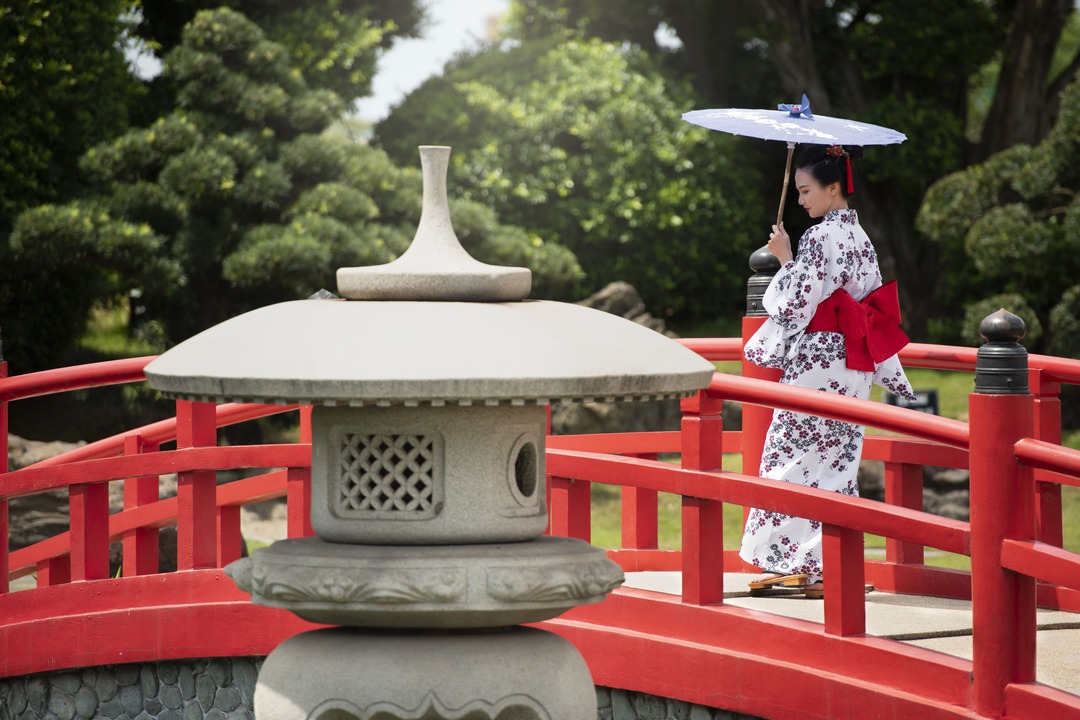
Nestled amidst rolling hills, Kyoto stands as a vibrant testament to Japan's profound cultural heritage. Once the imperial capital for over a millennium, this enchanting city effortlessly weaves together the threads of ancient traditions with the subtle hum of modern life. Unlike Tokyo's futuristic zeal, Kyoto invites you to slow down, to breathe deeply the scent of incense, and to wander through landscapes dotted with magnificent temples, serene Zen gardens, and the elusive charm of geisha districts. It's a place where every corner turned reveals a story, every stone pathway whispers of history, and every season paints a new masterpiece.
From the iconic golden shimmer of Kinkaku-ji to the thousands of vermilion gates of Fushimi Inari, Kyoto offers an unparalleled glimpse into the heart of traditional Japan. It’s a city where you can witness a traditional tea ceremony, stroll through an ethereal bamboo forest, or even spot a geisha gracefully making her way to an evening engagement. More than just a collection of sights, Kyoto is an immersive experience, a journey for the senses and the soul.
Top Locations & Unforgettable Moments in Kyoto
Kyoto is a treasure trove of experiences. While a lifetime might not be enough to uncover all its secrets, some locations are simply unmissable, offering quintessential Kyoto moments that will stay with you long after you've departed.
1. Kinkaku-ji (The Golden Pavilion): A Glimmering Masterpiece
Imagine a temple shimmering against the sky, its top two floors entirely covered in gold leaf, reflecting majestically in the tranquil pond before it. This is Kinkaku-ji, the Golden Pavilion, officially known as Rokuon-ji. Originally a retirement villa for Shogun Ashikaga Yoshimitsu, it was converted into a Zen temple after his death in 1408. The current structure, painstakingly rebuilt in 1955 after an arson incident, perfectly replicates its original design.
Strolling through the meticulously maintained traditional Japanese garden surrounding the pavilion, you’ll find numerous viewpoints offering breathtaking perspectives of Kinkaku-ji. The pavilion's distinct architectural styles – Shinden, Bukke, and Chinese Zen – blend harmoniously, creating a unique visual spectacle. The best time to visit is often early morning or late afternoon when the light enhances its golden brilliance, casting a magical glow.
2. Fushimi Inari Taisha Shrine: A Path Through Vermilion Gates
Prepare to be enchanted as you step into the world of Fushimi Inari Shrine, one of Kyoto’s most iconic and visually striking destinations. This expansive Shinto shrine is dedicated to Inari, the god of rice and sake, and is associated with prosperity and business. What makes it truly legendary are its thousands upon thousands of vibrant vermilion torii gates, donated by individuals and companies in gratitude or hope for good fortune.
The main draw is the path that winds up Mount Inari, leading visitors through a dense tunnel of these scarlet gates. The hike to the summit takes about 2-3 hours round trip, offering stunning views of Kyoto, smaller shrines, and fox statues (messengers of Inari) along the way. Even if you don't complete the entire hike, walking through the initial stretches of "Senbon Torii" (thousands of torii gates) is an unforgettable, almost surreal experience. Go early in the morning to avoid the largest crowds and capture some truly magical photographs.
3. Arashiyama Bamboo Grove: A Serene Symphony of Green
Escape the urban bustle and immerse yourself in the otherworldly beauty of the Arashiyama Bamboo Grove. Walking along the designated path, flanked by towering stalks of bamboo that seem to reach for the heavens, is an experience that transcends the ordinary. The sunlight filters through the dense canopy, creating dappled patterns on the ground, and the gentle sway of the bamboo generates a unique, calming rustling sound – so distinct it has been designated one of Japan’s "100 Soundscapes."
Beyond the main grove, Arashiyama offers a wealth of attractions. Visit the serene Tenryu-ji Temple, a UNESCO World Heritage site with a magnificent Zen garden, or cross the picturesque Togetsukyo Bridge over the Hozugawa River. For animal lovers, the Arashiyama Monkey Park Iwatayama offers stunning panoramic views of Kyoto and the chance to interact with wild macaque monkeys. The best time to visit the bamboo grove is early morning or late afternoon for a more tranquil experience.
4. Gion District: Where Tradition Lives On
Gion is Kyoto’s most famous geisha district, a place where time seems to slow down, and the echoes of ancient traditions resonate through narrow cobbled streets. It's an area famed for its beautifully preserved machiya (traditional wooden merchant houses), exclusive teahouses, and the occasional glimpse of a geiko (Kyoto dialect for geisha) or maiko (apprentice geiko) gracefully making her way to an evening appointment.
Exploring Gion means wandering down Hanamikoji Street, dining in traditional restaurants, or enjoying a cup of matcha at a local teahouse. In the evenings, the district comes alive with soft lantern light, creating an atmosphere of elegant mystery. Remember to be respectful and discreet if you spot a geiko or maiko; they are working professionals, not tourist attractions. For a deeper dive into the culture, consider attending a traditional performance at Gion Corner.
5. Cherry Blossom (Sakura) Viewing: Kyoto in Pink Hues
If you visit Kyoto in spring, you're in for an unparalleled spectacle: the cherry blossom season. Known as sakura, these delicate pink blooms transform the entire city into a living canvas of breathtaking beauty, embodying the Japanese concept of "mono no aware" (the pathos of things), appreciating fleeting beauty.
Popular spots for hanami (flower viewing) include the Philosopher's Path, a scenic canal walk lined with hundreds of cherry trees, and Maruyama Park, famous for its giant weeping cherry tree. The banks of the Kamo River, Arashiyama, and Kiyomizu-dera Temple also offer stunning vistas. Locals and tourists alike gather under the blossoms for picnics and celebrations, immersing themselves in this cherished annual tradition. Timing is crucial, as the peak bloom usually lasts only about a week, typically from late March to mid-April.
6. Kiyomizu-dera Temple: A Panoramic Vista
Another UNESCO World Heritage site, Kiyomizu-dera is one of Japan's most celebrated temples, famous for its dramatic wooden stage that juts out from the main hall, 13 meters above the hillside. Built without a single nail, this stage offers spectacular panoramic views of Kyoto city, especially during the cherry blossom and autumn foliage seasons.
The temple complex itself is vast, featuring several other shrines and waterfalls, including the Otowa Waterfall, where visitors can drink from three streams, each said to bestow a different benefit: longevity, success in studies, and a fortunate love life. The approach to Kiyomizu-dera, Sannenzaka and Ninenzaka streets, are charming, sloped pathways lined with traditional shops selling souvenirs, sweets, and pottery, perfect for a leisurely stroll.
7. Nishiki Market: Kyoto's Kitchen
Delve into the vibrant culinary heart of Kyoto at Nishiki Market, a narrow, five-block-long shopping street lined with over a hundred shops and restaurants. Known as "Kyoto's Kitchen," this bustling market has been supplying local restaurants and residents with fresh produce, seafood, and specialty foods for centuries.
It’s a fantastic place to sample local delicacies, from fresh sashimi and traditional pickles to matcha-flavored sweets and unique street food. Many stalls offer free samples, allowing you to taste your way through Kyoto’s rich gastronomic landscape. Don't miss trying local favorites like tamago (egg omelet), yuba (tofu skin), and various wagashi (traditional Japanese sweets). Nishiki Market offers an authentic, delicious insight into daily life in Kyoto.
Getting Around Kyoto: A Comprehensive Guide
Navigating Kyoto is surprisingly straightforward, thanks to its efficient and user-friendly public transport system. While walking is often the best way to soak in the atmosphere of specific districts, understanding your transport options will enhance your experience significantly.
Public Transport Guide
Kyoto's public transport primarily consists of buses and two subway lines, complemented by various private train lines that connect the city to its outskirts and neighboring prefectures.
Kyoto City Bus
Buses are the most comprehensive way to get around Kyoto, reaching virtually every major tourist attraction. The flat fare within the central city area makes it economical.
- IC Cards: For ultimate convenience, purchase an IC card like ICOCA (Kyoto's local card), Suica, or Pasmo. These rechargeable smart cards are accepted on all buses, subways, and most trains across Japan, eliminating the need to buy individual tickets. Just tap and go! You can buy them at major train stations.
- Kyoto City Bus & Subway Pass: If you plan extensive sightseeing, a one-day or two-day pass is a fantastic option. The one-day pass (Kyoto City Bus One-Day Pass) is usually cost-effective if you plan more than three bus rides. These passes offer unlimited travel on most city buses and the subway lines.
- How to Ride: Enter the bus from the rear door and exit from the front. Pay the fare (or tap your IC card) when exiting.
Kyoto Subway
The city has two subway lines: the Karasuma Line (north-south) and the Tozai Line (east-west). While not as extensive as the bus network, the subway is fast, efficient, and great for connecting between major hubs or reaching specific attractions like Nijo Castle or Kyoto Imperial Palace.
Private Train Lines
Several private train lines crisscross Kyoto, connecting to popular areas not directly served by the subway or bus network.
- Keihan Line: Runs along the Kamo River, convenient for Fushimi Inari, Gion, and Kiyomizu-dera (via transfers).
- Hankyu Line: Connects Kyoto to Osaka and serves areas like Arashiyama.
- JR Sagano Line: Connects Kyoto Station to Arashiyama.
Budget Transport Tips
- Walk, Walk, Walk! Many of Kyoto's attractions, especially within central districts like Gion or Higashiyama, are best explored on foot. It’s free, offers unexpected discoveries, and allows you to truly absorb the atmosphere.
- Kyoto City Bus One-Day Pass: If you're visiting 3+ attractions in a day that require bus travel, this pass is usually cheaper than individual fares.
- Utilize IC Cards: While not a "budget" option in terms of direct savings, IC cards prevent fumbling for change, speed up travel, and help you avoid overpaying if you miscalculate fares. The convenience can indirectly save time, which is valuable for budget travelers.
- Avoid Taxis: Taxis are comfortable but expensive. Reserve them for late-night travel or if you have heavy luggage and are heading directly to your accommodation from a station.
Car Rental / Bike Rental Options
Car Rental
Renting a car in Kyoto city center is generally
not recommended for exploring the main tourist areas due to:
- Excellent Public Transport: Buses and trains cover almost all attractions.
- Narrow Streets: Many historic districts have very narrow streets, making driving challenging.
- Expensive Parking: Parking is scarce and costly, especially near popular sites.
- Traffic Congestion: Kyoto can experience significant traffic.
However, a car might be useful if you plan day trips to more remote areas outside Kyoto, such as Amanohashidate or Lake Biwa.
- Requirements: You'll need an International Driving Permit (IDP) issued in your home country, along with your valid national driver's license. Japanese driving is on the left-hand side of the road.
- Rental Companies: Major international brands like Toyota Rent a Car, Nippon Rent-A-Car, and Orix Rent a Car have offices around Kyoto Station.
Bike Rental (Bicycle Rental)
Cycling is an increasingly popular and fantastic way to explore Kyoto, especially its flatter central and northern areas. It offers flexibility, allows you to cover more ground than walking, and provides an intimate connection with the city.
- Pros: Environmentally friendly, great for hidden gems, flexible schedule, good exercise.
- Cons: Not suitable for all areas (e.g., steep hills to Kiyomizu-dera), can be challenging with heavy traffic, limited bike lanes.
- Rental Shops: Numerous rental shops are located near Kyoto Station, along the Kamo River, and in tourist-heavy areas. Prices vary from ¥500-¥1500 per day.
- Rules: Always obey traffic laws, ride on the left side of the road, and use designated bicycle parking areas. Helmets are not mandatory but recommended.
Airport to City Transport Guide
Kyoto does not have its own international airport. Most international visitors arrive via Kansai International Airport (KIX) or occasionally Itami Airport (ITM) in Osaka.
From Kansai International Airport (KIX) to Kyoto
KIX is the primary gateway for international travelers.
- JR Haruka Limited Express: This is the most popular and efficient option. The Haruka train offers direct service from KIX to Kyoto Station in approximately 75-80 minutes. It's comfortable, reliable, and especially convenient if you have a Japan Rail Pass (which covers the fare). Non-JR Pass holders can purchase tickets at KIX.
- Limousine Bus: Airport limousine buses offer a direct connection from KIX to several major hotels and Kyoto Station. The journey takes about 90-120 minutes, depending on traffic. This is a good option if you have heavy luggage and your hotel is a designated stop.
- Local JR Trains (Cheaper Option): Take the JR Kansai Airport Rapid Service to Osaka Station, then transfer to a local JR train to Kyoto Station. This option is significantly slower (around 2 hours) but cheaper than the Haruka, making it a budget-friendly choice if you don't have a JR Pass.
From Itami Airport (ITM) to Kyoto
Itami Airport primarily handles domestic flights but can be used for connections.
- Limousine Bus: This is the most convenient option, offering direct service from Itami Airport to Kyoto Station (Hachijo Exit) in about 50-60 minutes.
- Train: Take the Osaka Monorail from Itami Airport to Minami-Ibaraki Station, then transfer to the Hankyu Kyoto Line to Kyoto-Kawaramachi Station. From there, you can easily reach Kyoto Station or other parts of the city via subway or bus. This option takes around 60-75 minutes.
Best SIM Card for Tourists
Staying connected in Japan is essential for navigation, translation, and sharing your experiences. Several options are available for tourists.
- eSIM (Embedded SIM): Increasingly popular and convenient. You can purchase and activate an eSIM online before you even arrive in Japan. No physical SIM card swapping is needed, just a QR code scan. Providers like Airalo, Ubigi, and Holafly offer various data plans specifically for Japan.
- Physical SIM Card: You can purchase a data-only SIM card upon arrival at major airports (KIX, ITM), electronics stores (e.g., Yodobashi Camera, Bic Camera), or convenience stores. Options include Docomo, Softbank, and various MVNOs (Mobile Virtual Network Operators) like Mobal or Japan Welcome SIM. Ensure your phone is unlocked.
- Pocket Wi-Fi Device: Renting a pocket Wi-Fi device is an excellent option for groups or if you have multiple devices. These portable routers provide a strong Wi-Fi signal wherever you go. You can pre-order online for pickup at the airport or delivery to your hotel. Providers like Japan Wireless and Ninja Wi-Fi are popular.
Recommendation: For single travelers with a compatible phone, an
eSIM offers the most hassle-free experience. For groups or heavy data users, a
pocket Wi-Fi is often the most cost-effective solution.
Practical Tips for Your Kyoto Journey
- Etiquette: Japanese culture values politeness and respect. Bowing is customary, removing shoes indoors is a must, and avoid loud conversations on public transport.
- Currency: The official currency is the Japanese Yen (JPY). While credit cards are increasingly accepted, cash is still king, especially in smaller shops, restaurants, and temples. Carry small denominations.
- Language: Japanese is the official language. While many tourist-facing staff speak some English, having a translation app (like Google Translate) is highly recommended. Learn a few basic phrases like "Arigato gozaimasu" (Thank you) and "Sumimasen" (Excuse me/Sorry).
- Spring (March-May): Cherry blossoms (late March-mid April) and mild weather. Very popular, expect crowds.
- Autumn (October-November): Vibrant fall foliage (mid-November) and comfortable temperatures. Also very popular.
- Summer (June-August): Hot and humid, with a rainy season in June. Fewer crowds, vibrant festivals like Gion Matsuri.
- Winter (December-February): Cold but often sunny. Occasional snow creates beautiful, serene landscapes. Least crowded.
- Accommodation: Kyoto offers a wide range of accommodation, from luxurious Western-style hotels to traditional Japanese ryokans (inns) and budget-friendly guesthouses. Book well in advance, especially during peak seasons.
FAQ: Your Kyoto Questions Answered
Q: How many days do I need to explore Kyoto?
A: To experience Kyoto's main highlights and soak in its atmosphere, a minimum of 3-5 full days is recommended. This allows you to explore different districts, visit key temples, and enjoy a cultural experience or two without feeling rushed.
Q: Is Kyoto expensive to visit?
A: Kyoto can be as expensive or as budget-friendly as you make it. Accommodation is usually the largest expense, but there are budget options. Public transport is affordable, and you can find delicious meals at various price points, from street food to Michelin-starred restaurants. Entrance fees to temples and shrines are generally modest.
Q: Do I need to book temples or attractions in advance?
A: Generally, no. Most temples and shrines in Kyoto do not require advance booking. You can pay the entrance fee upon arrival. However, some special events, particular tea ceremonies, or specific workshops might require reservations.
Q: Can I use my credit card everywhere in Kyoto?
A: While major hotels, department stores, and larger restaurants accept credit cards, many smaller shops, traditional eateries, and even some temple entrances still operate on a cash-only basis. It's always wise to carry enough Japanese Yen.
Q: What is the best way to get from Kyoto Station to Gion?
A: From Kyoto Station, the easiest way to get to Gion is by bus. Take bus routes 100 or 206, which directly go to the Gion area. The ride takes approximately 15-20 minutes depending on traffic. Alternatively, you can take a short subway ride on the Karasuma Line to Shijo Station, then transfer to the Hankyu Kyoto Line to Kyoto-Kawaramachi Station, which is a short walk from Gion.
Q: Is there a dress code for visiting temples and shrines?
A: While there isn't a strict dress code like in some other countries, it's respectful to dress modestly when visiting religious sites. Avoid overly revealing clothing. Comfortable shoes are a must, as you'll be doing a lot of walking.
Q: What are some unique cultural experiences in Kyoto?
A: Beyond sightseeing, consider a traditional tea ceremony, renting a kimono for a day, taking a Japanese cooking class, trying your hand at pottery, or attending a geisha/maiko performance at Gion Corner. These experiences offer deeper insights into Japanese culture.
Kyoto is more than just a destination; it's an immersion into the very soul of Japan. Its timeless beauty, profound history, and serene landscapes promise an unforgettable journey. Prepare to be captivated, enlightened, and utterly charmed by this magnificent ancient capital.