Your Ultimate Guide to New York City: Unforgettable Experiences in the Big Apple
Your Ultimate Guide to New York City: Unforgettable Experiences in the Big Apple
Welcome to New York City, a global icon that pulses with an energy unlike anywhere else on Earth. Affectionately known as "The City That Never Sleeps" and "The Big Apple," NYC is a vibrant tapestry woven with diverse cultures, groundbreaking art, world-class cuisine, and endless adventure. From the dazzling lights of Times Square to the tranquil pathways of Central Park, from historic landmarks to cutting-edge culinary scenes, New York promises an immersive experience that captivates every traveler. Whether you're a first-time visitor or a seasoned explorer, this comprehensive guide will equip you with everything you need to navigate, explore, and fall in love with one of the world's most dynamic metropolises. Get ready to discover the magic that makes New York City truly unforgettable.
Exploring NYC's Iconic Landmarks & Must-See Attractions
New York City boasts an unparalleled collection of landmarks, each telling a unique story of its rich history and vibrant present. Diving into these iconic sites is essential for any visitor looking to grasp the essence of the city.
Times Square: The Heartbeat of Brilliance
Step into Times Square and prepare to be overwhelmed by a sensory explosion of colossal digital billboards, Broadway marquees, and a constant buzz of humanity. Located at the intersection of Broadway and Seventh Avenue, this famous commercial intersection is a global hub of entertainment and a must-visit for its sheer spectacle. Day or night, the dazzling lights create an electric atmosphere, making it a prime spot for people-watching, snapping iconic photos, and soaking in the energy. Don't just rush through; take a moment to stand in the middle, look up, and truly absorb the incredible scale and energy. Nearby, you'll find flagship stores, renowned restaurants, and, of course, the heart of the Broadway theater district.
Central Park: An Urban Oasis
Amidst the urban jungle, Central Park offers a magnificent 843-acre green sanctuary, a masterpiece of landscape architecture designed by Frederick Law Olmsted and Calvert Vaux. More than just a park, it's a vital lung for Manhattan, providing a tranquil escape from the city's relentless pace. Spend an afternoon strolling along its winding paths, rent a rowboat on The Lake, or relax on Sheep Meadow. Iconic spots like Bethesda Terrace and Fountain, Strawberry Fields (a memorial to John Lennon), the Alice in Wonderland statue, and the Central Park Zoo offer unique experiences. Depending on the season, you can enjoy ice skating at Wollman Rink or catch a free performance at Shakespeare in the Park. It's a place where you can truly connect with nature without ever leaving the city.
Statue of Liberty & Ellis Island: Symbols of Freedom
No trip to New York is complete without a visit to the Statue of Liberty, an enduring symbol of freedom and democracy, standing proudly in New York Harbor. Lady Liberty, a gift from France, has welcomed immigrants to American shores for over a century. A ferry trip from Battery Park (Manhattan) or Liberty State Park (New Jersey) takes you to Liberty Island, where you can explore the statue's pedestal and crown (reservations essential, often months in advance). The same ferry also stops at Ellis Island, home to the Ellis Island National Museum of Immigration. This poignant museum provides a moving insight into the experiences of the millions of immigrants who passed through its doors, seeking a new life in America. It's a powerful and educational experience for all ages.
Broadway: The Grand Stage
The theatrical heart of the world, Broadway offers an unparalleled array of world-class performances, from long-running classics to groundbreaking new productions. Catching a Broadway show is an iconic NYC experience. The glittering marquees light up the Theater District, promising evenings of unforgettable storytelling, music, and dance. To secure tickets, you can purchase them in advance online for popular shows or try your luck at the TKTS booth in Times Square for discounted same-day tickets. Arrive early to soak in the pre-show atmosphere and enjoy the bustling energy of the district. From musicals to dramas, there's a show for every taste, guaranteeing an evening of pure theatrical magic.
Empire State Building: A Timeless Perspective
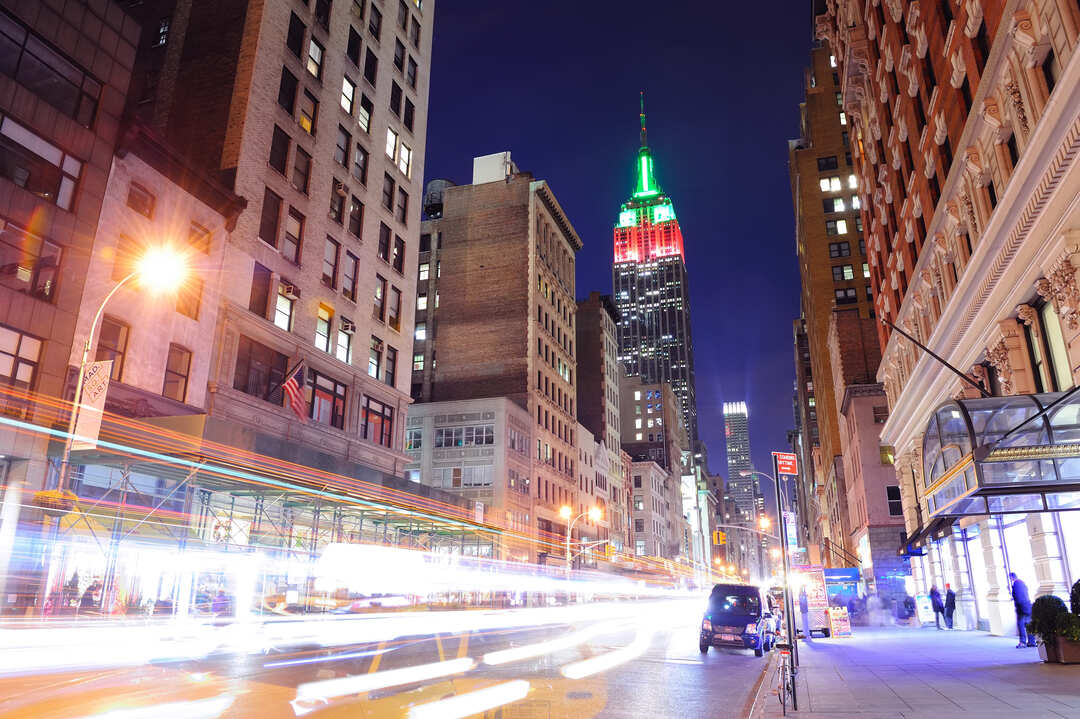
The Empire State Building, an Art Deco masterpiece, remains one of the most recognizable skyscrapers in the world and an essential part of the New York skyline. Its observatories on the 86th and 102nd floors offer breathtaking 360-degree panoramic views of the city, including Central Park, the Hudson River, the Brooklyn Bridge, and beyond. Visiting at sunset provides a spectacular transition from day to night. While the Empire State Building is iconic, consider other observation decks like Top of the Rock (Rockefeller Center) for stunning views *including* the Empire State Building itself, or One World Observatory (World Trade Center) for unparalleled modern vistas. Each offers a unique perspective on the city's impressive urban sprawl.
Museum Mile: A Cultural Journey
New York City is a global capital of art and culture, and its museums are among the best in the world. Along Fifth Avenue, from 82nd to 105th Street, you'll find "Museum Mile," home to a cluster of prestigious institutions. The Metropolitan Museum of Art (The Met) is a treasure trove of art spanning 5,000 years, offering everything from ancient Egyptian temples to European masterpieces. The Museum of Modern Art (MoMA) showcases seminal works of modern and contemporary art, including Picasso, Van Gogh, and Warhol. The American Museum of Natural History, located adjacent to Central Park, offers fascinating exhibits on natural history, anthropology, and space. Whether you're an art aficionado or a curious explorer, NYC's museums offer endless discovery.
Brooklyn Bridge: An Architectural Marvel
Connecting Manhattan and Brooklyn, the Brooklyn Bridge is not just a feat of engineering but also one of the most beautiful and romantic structures in the city. Walking or biking across its pedestrian pathway offers incredible views of the Manhattan skyline, the Statue of Liberty, and the East River. The walk takes about 30-60 minutes one way, depending on your pace and photo stops. Start from the Manhattan side (near City Hall) and walk towards Dumbo (Down Under the Manhattan Bridge Overpass) in Brooklyn, where you can explore charming cobblestone streets, enjoy delicious food, and capture iconic photographs of the Manhattan Bridge framed between buildings.
Greenwich Village & SoHo: Bohemian Charm & Chic Boutiques
Escape the skyscraper canyons and wander through the charming, tree-lined streets of Greenwich Village. Known for its bohemian past, jazz clubs, historic cafes, and off-Broadway theaters, "The Village" retains a unique character. Explore Washington Square Park, browse independent bookstores, and discover hidden gems. Just south lies SoHo (South of Houston Street), famous for its cast-iron architecture, high-end boutiques, art galleries, and trendy restaurants. These neighborhoods offer a different side of NYC, perfect for leisurely strolls, boutique shopping, and experiencing a more intimate, historic urban atmosphere.
One World Trade Center & 9/11 Memorial: Reflecting on Resilience
The somber yet profoundly moving 9/11 Memorial & Museum honors the lives lost in the terrorist attacks of September 11, 2001. Twin reflecting pools sit in the footprints of the former Twin Towers, surrounded by waterfalls and inscribed with the names of the victims. The museum offers a comprehensive and emotional tribute to the events of that day and the resilience of the city. Adjacent stands One World Trade Center, the tallest building in the Western Hemisphere, symbolizing hope and rebirth. Its One World Observatory provides breathtaking views and a powerful perspective on the city's enduring spirit.
Navigating the Big Apple: Your NYC Transport Guide
Getting around New York City is an adventure in itself. While the city's infamous traffic makes driving a nightmare for tourists, its robust public transport system makes exploration easy and efficient.
Public Transport: The Subway & Bus System
The MTA (Metropolitan Transportation Authority) operates New York's extensive subway and bus network, which is undoubtedly the best way for tourists to get around.
- The Subway: Running 24/7, the subway is the quickest way to cover long distances across Manhattan and connect to other boroughs. It can seem daunting at first, but with a good map (available at stations or via apps like "Citymapper" or "Google Maps"), you'll quickly get the hang of it. Pay attention to "Uptown" (north) and "Downtown" (south) directions, and express vs. local trains.
- Buses: NYC buses fill the gaps where the subway doesn't go and offer a great way to see the city above ground. They operate frequently, especially on major avenues.
- Fares: A single ride on the subway or bus costs $2.90. You can pay using a MetroCard (purchased at vending machines in subway stations) or by tapping your contactless credit/debit card or smartphone (Apple Pay/Google Pay) directly at the turnstile using OMNY (One Metro New York). OMNY is often more convenient as you don't need to buy a separate card.
- Budget Transport Tips: For extended stays or frequent use, consider buying an unlimited 7-day MetroCard ($34). This can save a significant amount compared to individual rides. Otherwise, using OMNY is usually the most convenient and cost-effective approach for casual use. Walking is also your best friend in NYC – many neighborhoods are best explored on foot, and it's free! Avoid taxis and ride-shares (Uber/Lyft) for daily commuting within Manhattan; they are expensive and often slower than the subway due to traffic. Use them for late nights or specific, less accessible destinations.
Airport to City: Seamless Arrivals
Navigating from the airport to your accommodation can be confusing. Here’s a breakdown for New York's three main airports:
- JFK (John F. Kennedy International Airport):
- AirTrain + Subway/LIRR (Long Island Rail Road): This is the most popular and budget-friendly option. Take the AirTrain from your terminal to either Jamaica Station (for the E, J, Z subway lines into Manhattan or LIRR to Penn Station/Grand Central) or Howard Beach Station (for the A subway line). AirTrain costs $8.50 (paid upon exit from AirTrain station), plus your subway/LIRR fare ($2.90 for subway, LIRR varies but is faster).
- Taxi/Ride-Share: Taxis have a flat fare of around $70-80 to Manhattan (plus tolls and tip). Ride-shares can vary widely based on demand.
- Bus + Subway: LGA currently does not have direct subway access. The most common public transport route is to take the M60-SBS (Select Bus Service) from your terminal to connect with various subway lines (N, Q, W, 4, 5, 6) in Astoria or Harlem. Fare is $2.90.
- Taxi/Ride-Share: Taxis are metered and typically cost $40-60 to Manhattan (plus tolls and tip). Ride-share prices fluctuate.
- EWR (Newark Liberty International Airport - New Jersey):
- AirTrain + NJ Transit Train: Take the AirTrain from your terminal to the Newark Airport Rail Station ($8.50). From there, catch an NJ Transit train to New York Penn Station ($15.75). This is a reliable and efficient option.
- Taxi/Ride-Share: Taxis are metered and usually cost $60-80 to Manhattan (plus tolls and tip). Ride-shares are also available.
Car Rental: Is it Worth It?
For most tourists visiting Manhattan,
car rental is strongly discouraged. Traffic is notoriously heavy, parking is expensive and scarce, and navigating one-way streets can be frustrating. You'll likely spend more time stuck in traffic or searching for parking than actually enjoying the city.
When it might be useful: If you plan extensive day trips outside the immediate NYC area (e.g., to the Hamptons, upstate New York, or other states) and are comfortable with city driving to get out of town. In such cases, picking up a rental car at an airport or a location outside of Manhattan after you've explored the city's core is advisable.
Bike Rental: Cycle Through the City
New York City is becoming increasingly bike-friendly, especially with dedicated bike lanes.
- Citi Bike: The city's official bike-share program, Citi Bike, is a fantastic option for short rides. You can rent bikes from hundreds of stations across Manhattan, Brooklyn, Queens, and Jersey City. Choose a single ride, a day pass, or an annual membership. It's ideal for exploring Central Park, riding along the Hudson River Greenway, or crossing the Brooklyn Bridge.
- Independent Rental Shops: Several shops offer daily or hourly rentals, often with more specialized bikes (e.g., road bikes, hybrids) if you plan longer excursions.
Cycling is a wonderful way to see specific neighborhoods or enjoy scenic routes without the limitations of public transport schedules or the cost of taxis.
Staying Connected: Best SIM Card Options for Tourists
Staying connected is crucial for navigation, communication, and sharing your amazing NYC moments. Here are your best options for a SIM card or mobile data:
- T-Mobile: Often a popular choice for tourists due to competitive prepaid plans and good coverage. You can typically find a SIM card with unlimited talk, text, and data for a reasonable price ($40-60 for 30 days).
- AT&T & Verizon: These also offer prepaid plans, but sometimes at a slightly higher price point. Coverage is generally excellent.
- Where to Buy: You can purchase prepaid SIM cards at official carrier stores (T-Mobile, AT&T, Verizon), electronics retailers (Best Buy), or even some convenience stores. Bring your unlocked phone and passport.
- eSIMs: For newer phones that support eSIM technology, this is often the most convenient option. You can purchase and activate an eSIM plan online before you even arrive in NYC. Providers like Airalo, Holafly, or GigSky offer various data packages specifically for the USA. This means you don't need to swap physical SIM cards, and you can retain your home country SIM for calls/texts if needed.
- Wi-Fi: Free Wi-Fi is widely available in many public spaces, cafes, restaurants, and subway stations. However, relying solely on public Wi-Fi can be unreliable and less secure.
Practical Tips for Your NYC Adventure
To make your trip as smooth and enjoyable as possible, keep these practical tips in mind:
- Spring (April-May) and Fall (September-October): These are generally considered the best times, offering pleasant weather for walking and outdoor activities, beautiful foliage in autumn, and fewer crowds than summer.
- Summer (June-August): Can be hot and humid, but vibrant with outdoor events and festivals.
- Winter (November-March): Cold, but magical during the holidays (November-December) with festive decorations, ice skating, and the Rockettes.
- Accommodation Tips: Book well in advance, especially during peak seasons. Consider staying outside prime Manhattan areas (e.g., Long Island City in Queens or parts of Brooklyn) for potentially better value and easy subway access.
- Food Scene: NYC is a food lover's paradise. Don't limit yourself to fine dining; explore street food vendors, grab a classic New York bagel or pizza slice, visit a Jewish deli for pastrami, and discover diverse ethnic cuisines in neighborhoods like Flushing (Queens) or Jackson Heights (Queens).
- Safety: New York City is generally safe for tourists, but like any major city, it's wise to be aware of your surroundings. Keep an eye on your belongings, especially in crowded areas. Avoid walking alone in poorly lit areas late at night. Trust your instincts.
- Tipping Etiquette: Tipping is customary in the U.S.
- Restaurants: 15-20% of the bill for good service (20%+ is common).
- Bars: $1-2 per drink, or 15-20% of the total bill.
- Taxis: 15-20% of the fare.
- Hotel Staff: $1-2 per bag for porters, $2-5 per day for housekeeping.
Frequently Asked Questions
Is New York City safe for tourists?
Yes, New York City is generally safe for tourists. Like any major urban area, it's important to be aware of your surroundings, especially in crowded tourist areas and on public transport. Keep valuables secure and avoid walking alone in deserted areas late at night.
How many days do I need to explore New York City?
To experience the main highlights without feeling rushed, a minimum of 5-7 days is recommended. This allows you to explore different neighborhoods, visit key landmarks, enjoy a show, and soak in the city's atmosphere. You could easily spend two weeks and still discover new things!
What's the best way to get around New York City?
The subway is by far the most efficient and cost-effective way to get around NYC. It runs 24/7 and covers most major attractions. Walking is also highly recommended for exploring neighborhoods and seeing the city up close. Taxis and ride-shares are convenient but expensive and often slower due to traffic.
What's the best time of year to visit New York City?
Spring (April-May) and Fall (September-October) offer the most pleasant weather for walking and sightseeing, with comfortable temperatures and beautiful scenery. The holiday season (November-December) is magical but very crowded and expensive.
Can I visit New York City on a budget?
Absolutely! While NYC can be expensive, there are many ways to save money. Utilize public transport, walk extensively, enjoy free attractions like Central Park, the Brooklyn Bridge, and window shopping. Many museums offer free days or "pay-what-you-wish" hours. Look for budget-friendly food options like pizza slices, street food, and ethnic eateries.
Conclusion
New York City is more than just a destination; it's an experience that will challenge, inspire, and captivate you. From its soaring skyscrapers to its hidden green spaces, from its world-renowned museums to its vibrant street art, every corner of the Big Apple tells a story. Armed with this guide, you're ready to embrace the energy, navigate the bustling streets, and create unforgettable memories. So, pack your bags, lace up your walking shoes, and prepare to be enchanted by the city that truly never sleeps. Your ultimate New York adventure awaits!