The Ultimate Guide to Komodo Village: Where Ancient Dragons and Humans Share a Home
The Ultimate Guide to Komodo Village: Where Ancient Dragons and Humans Share a Home
Nestled within the breathtaking expanse of Indonesia's Komodo National Park, lies a truly unique settlement known as Komodo Village, or Kampung Komodo. This isn't just any village; it's a living testament to an extraordinary coexistence, a place where the rhythmic daily lives of humans unfold against the backdrop of an ancient predator – the legendary Komodo dragon. For intrepid travelers, wildlife enthusiasts, and cultural explorers, Komodo Village offers an unparalleled journey into a world where danger, wonder, and tradition intertwine, promising an unforgettable adventure that transcends the ordinary.
From the moment you set foot in this remote corner of the Indonesian archipelago, the air hums with a sense of the wild. The turquoise waters, volcanic islands, and the whispers of the wind carry tales of giants – not mythical beasts, but the very real, awe-inspiring Komodo dragons that roam these lands. While the primary base for most visitors is the bustling town of Labuan Bajo on Flores, a visit to Komodo Village provides a profound, intimate perspective on the delicate balance of life in this UNESCO World Heritage Site.
Unveiling Komodo Village (Kampung Komodo): A Glimpse into a Timeless World
Komodo Village, often referring to Kampung Rinca on Rinca Island, is more than just a geographical location; it's a vibrant community sustained by fishing and tourism, deeply intertwined with its formidable neighbors. Unlike the designated ranger stations and viewing points on Komodo Island or Rinca Island, Kampung Komodo offers a rare opportunity to observe the daily lives of the local people – the Komodo people – who have adapted over centuries to share their homeland with the world's largest lizards.
The Heart of Komodo National Park
While Komodo National Park is vast, encompassing numerous islands like Komodo, Rinca, and Padar, the villages within it represent its human pulse. Kampung Rinca, for instance, serves as a crucial point of interaction, where visitors can disembark from their boats, stretch their legs, and begin their guided dragon trek. It's a place where children play football under the watchful eyes of their elders, and where the distinct rhythm of island life prevails, largely untouched by the modern world.
Life on the Dragon's Doorstep
The Komodo people live in traditional stilt houses, a practical measure that not only protects them from potential floods but also offers a slight elevation above the ground where dragons might occasionally roam. Their lives are characterized by resourcefulness and a deep respect for their environment. Fishing is the primary livelihood, with brightly painted wooden boats dotting the harbor, bringing in the day's catch. Handicrafts, made from shells, wood, and local materials, are also a significant source of income, providing visitors with tangible memories of their journey. The challenges of living so close to such powerful predators are immense, yet the villagers have cultivated an understanding and an almost symbiotic relationship with the dragons, a testament to human adaptability.
Cultural Immersion: Beyond the Dragons
While the dragons are undoubtedly the main draw, a visit to Komodo Village is incomplete without engaging with the local culture. The warmth and hospitality of the villagers are striking. Observing their traditions, learning about their beliefs, and even trying a local meal can be incredibly enriching. English is spoken by some, especially those involved in tourism, but a few basic Bahasa Indonesia phrases will go a long way in fostering genuine connections. This cultural exchange provides context to the wild beauty of the park, reminding visitors that it is not just a collection of animals and landscapes, but a living, breathing ecosystem with humans at its core.
Encountering the Legendary Komodo Dragons
The primary reason most travelers venture to Komodo National Park is, of course, to witness the magnificent Komodo dragons in their natural habitat. These apex predators, capable of reaching lengths of over 3 meters (10 feet) and weighing up to 70 kilograms (150 lbs), are a sight to behold.
Safe Encounters: Guided Tours and Ranger Protocols
Safety is paramount when encountering Komodo dragons. All treks on Komodo, Rinca, or Padar islands are strictly guided by experienced local rangers, often armed with forked sticks to keep dragons at a safe distance. Visitors are typically offered different trek lengths (short, medium, long) depending on their fitness level and time constraints. Rangers provide crucial information about dragon behavior, their hunting techniques, and the history of the park. It's imperative to follow their instructions implicitly. Staying in a group, not wandering off, and never attempting to approach or feed the dragons are non-negotiable rules.
Understanding Dragon Behavior
Komodo dragons are solitary creatures, skilled ambush predators. They possess a venomous bite and an incredible sense of smell, capable of detecting carrion from miles away. While they may appear lethargic, they can move with surprising speed when hunting. Observing them in their natural environment, whether basking in the sun or slowly patrolling their territory, is a humbling experience. Rangers will explain their diet (deer, wild boar, water buffalo, and even smaller dragons) and their unique reproductive habits.
Best Spots for Dragon Viewing
- Rinca Island (Loh Buaya): Often considered one of the best places to see dragons due to its higher population density and more open terrain, offering better visibility. This is where Kampung Rinca (Komodo Village) is located.
- Komodo Island (Loh Liang): The namesake island, also offers excellent dragon viewing opportunities, albeit sometimes requiring slightly longer treks.
- Padar Island: While not home to dragons, Padar offers the iconic panoramic view of three crescent-shaped beaches with different sand colors (white, pink, and black), a must-visit for photographers.
Beyond the Dragons: Exploring Komodo Village and Its Surroundings
Komodo National Park is not just about dragons; it's a treasure trove of biodiversity and breathtaking landscapes, offering a plethora of activities.
Village Life: Fishing, Handicrafts, and Daily Rhythms
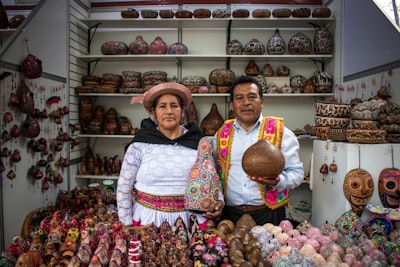
Spend time observing the daily life in Komodo Village. Watch the fishermen mend their nets, children play, and women weave intricate baskets or carve wooden souvenirs. The simplicity and resilience of their lifestyle offer a refreshing contrast to the modern world. Purchasing handicrafts directly supports the local economy and provides authentic mementos.
Pink Beach (Pantai Merah): A Natural Wonder
One of only a few pink beaches in the world, Pantai Merah is a stunning spectacle. Its unique hue comes from microscopic organisms called Foraminifera, which produce a red pigment on the coral reefs. When tiny fragments of these red corals mix with white sand, they create a soft, alluring pink. It's a fantastic spot for swimming, sunbathing, and snorkeling in crystal-clear waters.
Padar Island: Iconic Panoramas
A hike up Padar Island is arguably the most rewarding view in the entire park. After a relatively short but steep climb, you're greeted with an unparalleled 360-degree vista of rugged hills, and three distinct crescent beaches each with different colored sand. It's a photographer's paradise and a highlight of any Komodo itinerary.
Manta Point: Underwater Encounters
For snorkelers and divers, Manta Point offers an incredible opportunity to swim alongside majestic manta rays. These gentle giants congregate here to feed on plankton, and encountering them in their natural habitat is an experience that stays with you long after you've left the water.
Snorkeling and Diving Hotspots
The waters of Komodo National Park are part of the Coral Triangle, one of the most biodiverse marine areas on Earth.
- Kanawa Island: Features vibrant coral gardens just offshore.
- Taka Makassar: A tiny, uninhabited sandbar that emerges at low tide, surrounded by teeming marine life.
- Siaba Kecil: Known for its strong currents and rich pelagic life, a favorite among divers.
- Numerous other spots offer incredible visibility, diverse coral reefs, and a chance to spot turtles, reef sharks, and countless species of colorful fish.
Planning Your Adventure to Komodo Village
A trip to Komodo National Park requires some planning to ensure a smooth and enjoyable experience.
Best Time to Visit
The dry season, from April to December, is generally considered the best time to visit Komodo National Park. The weather is sunny, and the seas are calmer, making boat travel and island hopping more comfortable. The peak season is July and August, so expect more crowds and higher prices. The rainy season (January to March) can bring rough seas and disrupt travel plans.
Permits and Fees
All visitors to Komodo National Park must pay an entrance fee, which includes various components like conservation fees, trekking fees, and potentially photography fees. These fees are subject to change, so it's advisable to check the latest rates before your trip. Additionally, you will need to pay for a local ranger/guide on Komodo and Rinca islands. Most tour operators will bundle these fees into their package prices.
Accommodation Options
While there are no hotels within Komodo Village itself, the vast majority of visitors base themselves in
Labuan Bajo, the bustling gateway town on the western tip of Flores Island. Labuan Bajo offers a wide range of accommodation, from budget hostels to luxury resorts. From Labuan Bajo, day trips and multi-day liveaboard tours depart daily for the national park. For those seeking a more immersive experience, a few eco-lodges or guesthouses exist on some of the smaller islands outside the main dragon zones.
What to Pack
- Light clothing: Breathable fabrics like cotton or linen are ideal for the tropical climate.
- Swimwear: Essential for beach time and snorkeling.
- Sturdy walking shoes: For treks on the islands.
- Sandals/flip-flops: For relaxing.
- Hat, sunglasses, and reef-safe sunscreen: Protection from the sun.
- Insect repellent: Especially for evenings.
- Reusable water bottle: To stay hydrated and reduce plastic waste.
- Camera: To capture the incredible scenery and wildlife.
- Small backpack: For day trips.
- Basic first-aid kit: Including any personal medications.
- Cash: For local purchases, tips, and small expenses (ATMs are limited to Labuan Bajo).
Safety Tips
- Listen to your guide/ranger: Their knowledge of the dragons and local conditions is invaluable.
- Maintain a safe distance: Never approach a dragon, even if it appears docile.
- Do not provoke or feed dragons: This can be dangerous and disrupts their natural behavior.
- Be aware of your surroundings: Dragons can be well-camouflaged.
- If you are menstruating: Inform your guide discreetly, as dragons are attracted to blood.
- Stay hydrated: The tropical sun can be intense.
- Protect yourself from the sun: Sunburn can quickly ruin a trip.
- Marine safety: Ensure your boat tour operator has proper safety equipment.
Navigating Komodo National Park: Your Essential Transport Guide
Getting around Komodo National Park and its gateway, Labuan Bajo, involves a mix of land and sea travel.
Getting to Komodo National Park: Airport to City Transport Guide (Labuan Bajo)
The primary entry point for Komodo National Park is
Komodo Airport (LBJ) in Labuan Bajo, Flores Island.
- Taxis: Upon arrival, you'll find numerous taxis (often private cars operating as taxis) outside the airport. Fares to the town center are relatively fixed but always confirm the price before you get in. It's a short 10-15 minute drive.
- Ojek (Motorcycle Taxis): For solo travelers on a budget, ojeks are a quicker and cheaper option, but remember to negotiate the fare beforehand.
- Hotel Shuttles: Many hotels and guesthouses in Labuan Bajo offer complimentary or paid airport pick-up services. Arrange this in advance if available.
- Walking: If you're staying very close to the airport, walking is an option, but not recommended with heavy luggage or in the midday sun.
Public Transport Guide within Labuan Bajo and to the Islands
- Ojek (Motorcycle Taxis): The most common and convenient way to get around Labuan Bajo town for short distances. Always negotiate the price first.
- Bemos (Minivans): These small public minivans operate on fixed routes but are less common for tourists unless you know the local routes. They are very cheap.
- Walking: Labuan Bajo town center is relatively compact and walkable, especially along the main street with shops and restaurants.
- To the Islands (Komodo National Park): There is no traditional "public transport" system to the islands. Instead, you'll rely on boat tours.
- Private Boat Tours: Offer flexibility in itinerary, speed, and comfort. You can rent a wooden boat or a speed boat (RIB) with a crew. This is the most expensive option but ideal for groups or those seeking a customized experience.
- Shared Boat Tours: The most popular and budget-friendly option. These tours depart daily from Labuan Bajo, visiting multiple islands (Komodo, Rinca, Padar, Pink Beach, Manta Point, snorkeling spots) over a day or multiple days (liveaboard trips). Prices vary based on duration, boat quality, and inclusions. Book through your hotel, a travel agent in Labuan Bajo, or directly at the harbor.
Car Rental / Bike Rental Options
- Car Rental: Car rental in Labuan Bajo usually comes with a driver, which is highly recommended due to challenging road conditions, unfamiliar traffic laws, and lack of clear signage outside the main town. Renting a car with a driver is ideal for exploring mainland Flores, visiting waterfalls, traditional villages, or spiderweb rice fields. Prices are typically for a full day.
- Scooter/Motorbike Rental: Scooters are readily available for rent in Labuan Bajo, offering a cost-effective way to explore the immediate surroundings of the town, like Bukit Amelia (sunset point) or local beaches.
- Considerations: Roads can be unpaved, steep, or busy. An international driving permit is legally required. Always wear a helmet. Ensure the bike is in good condition and take photos before renting. Only rent if you are an experienced rider.
Budget Transport Tips for Komodo Adventures
- Shared Boat Tours: By far the most economical way to explore Komodo National Park. Shop around in Labuan Bajo for the best deals, comparing itineraries and boat quality.
- Negotiate Ojek Fares: Always agree on a price before hopping on an ojek.
- Walk Whenever Possible: Explore Labuan Bajo on foot to save money on short distances.
- Eat Local: Street food and local warungs (restaurants) offer delicious and cheap meals, reducing your overall budget.
- Book in Advance (Peak Season): While spontaneity is fun, booking your shared boat tour or airport transfer a day or two in advance during peak season can secure better prices and availability.
Staying Connected: Best SIM Card for Tourists
Staying connected is crucial for planning, navigation, and sharing your incredible journey.
- Major Providers: Indonesia has several reliable mobile network providers.
- Telkomsel: Generally considered to have the widest and most reliable coverage, especially in more remote areas like parts of Komodo National Park. It's often slightly more expensive but worth it for connectivity.
- Indosat Ooredoo & XL Axiata: Also popular providers offering competitive data packages and good coverage in populated areas like Labuan Bajo.
- Komodo Airport (LBJ): You can often find kiosks selling SIM cards directly at the airport upon arrival. This is convenient but might be slightly more expensive.
- Official Stores: In Labuan Bajo, you'll find official outlets for Telkomsel, Indosat, and XL. These offer the best prices and staff can assist with registration (which often requires your passport).
- Local Kiosks/Mini-marts: Many small shops sell SIM cards, but activation and package selection might be more challenging without staff assistance.
- Data Packages and Costs: Various data packages are available, ranging from small daily bundles to larger monthly plans. Expect to pay around IDR 50,000 - 150,000 (approx. USD 3-10) for a decent amount of data (e.g., 10-20GB) valid for 30 days.
- Coverage: While Labuan Bajo has good 4G/5G coverage, connectivity can be patchy or non-existent once you are out on the islands within Komodo National Park. Telkomsel usually offers the best chance of signal in some spots.
- eSIM options: Some international eSIM providers now offer data plans for Indonesia. Check compatibility with your phone and plan options before you travel. This can be a convenient way to get connected instantly without needing a physical SIM card.
Responsible Tourism in Komodo National Park
Visiting such a unique and fragile ecosystem comes with a responsibility to minimize your impact.
Respecting Wildlife and Local Culture
- Do not litter: Carry out everything you carry in. Dispose of waste responsibly in designated bins back in Labuan Bajo.
- Do not disturb wildlife: Observe animals from a distance. Do not feed them or attempt to touch them.
- Stay on marked trails: To protect flora and fauna.
- Respect local customs: Dress modestly, especially when visiting villages. Ask permission before taking photos of people. Support local businesses.
Waste Management
Plastic pollution is a significant threat to marine ecosystems. Minimize your use of single-use plastics by bringing a reusable water bottle and shopping bag. Many boats offer water refills.
Supporting Local Communities
Choose locally-owned tour operators, guesthouses, and restaurants. Buy handicrafts directly from the villagers. Your tourism dollars can make a real difference in supporting their livelihoods and preserving their unique way of life.
Conclusion: An Unforgettable Journey
A visit to Komodo Village and the surrounding Komodo National Park is more than just a vacation; it's an expedition into the heart of wild Indonesia, a chance to witness a natural wonder, and an opportunity to connect with a culture that lives in harmony with some of the planet's most formidable creatures. From the adrenaline rush of encountering a Komodo dragon to the serene beauty of Pink Beach and the panoramic vistas of Padar Island, every moment in this magical archipelago is a testament to the raw, untamed splendor of our world. Prepare to be amazed, to be humbled, and to leave with memories that will last a lifetime.
Frequently Asked Questions (FAQ) about Komodo Village & National Park
Q: Is Komodo Village safe to visit?
A: Yes, Komodo Village (Kampung Rinca) is safe for tourists when visited as part of an organized tour with a local guide/ranger. The villagers have lived alongside dragons for centuries and take precautions, such as building houses on stilts. Always follow your guide's instructions when on dragon-inhabited islands.
Q: Can you sleep in Komodo Village?
A: No, there are no tourist accommodations (hotels or guesthouses) directly within Komodo Village (Kampung Rinca) itself. Most visitors stay in Labuan Bajo on Flores Island and take day trips or multi-day liveaboard tours into the national park.
Q: How do locals coexist with dragons?
A: Locals in Komodo Village (Kampung Rinca) have developed strategies like building stilt houses, understanding dragon behavior, and maintaining a respectful distance. While encounters can occur, they have learned to live cautiously alongside these predators.
Q: What's the best way to see Komodo dragons?
A: The best way to see Komodo dragons is by taking a guided trek on Rinca Island (Loh Buaya) or Komodo Island (Loh Liang). All treks must be accompanied by an official park ranger for safety and guidance.
Q: Do I need a guide to visit Komodo National Park?
A: Yes, absolutely. For treks on Komodo and Rinca islands, an official park ranger is mandatory. For boat tours, you'll have a boat crew, and often a tour guide, but the park ranger is specific to the dragon-trekking islands.
Q: What currency is used in Komodo?
A: The official currency is the Indonesian Rupiah (IDR). It's advisable to carry some cash for local purchases, tips, and small expenses, as ATMs are only available in Labuan Bajo.
Q: Is there an ATM in Komodo Village?
A: No, there are no ATMs in Komodo Village (Kampung Rinca) or on any of the islands within Komodo National Park. The nearest ATMs are in Labuan Bajo. Ensure you withdraw enough cash before heading out to the park.
Q: What language do they speak in Komodo Village?
A: The local language spoken by the villagers is a dialect of Indonesian, Bima, or Manggarai, but Bahasa Indonesia is the official language. Many people involved in tourism in Komodo Village and Labuan Bajo speak some English.
Q: Is it expensive to visit Komodo?
A: The cost of visiting Komodo National Park can vary. Park entrance fees, guide fees, and boat tour costs are the main expenses. Shared boat tours offer a more budget-friendly option compared to private tours. Accommodation and food in Labuan Bajo can range from budget to luxury. Overall, it can be a mid-range to expensive destination depending on your choices.