Marrakech Tourism Guide 2026 – Hotels, Food & Attractions
Welcome to Marrakech: My Insider's Guide to the Red City!
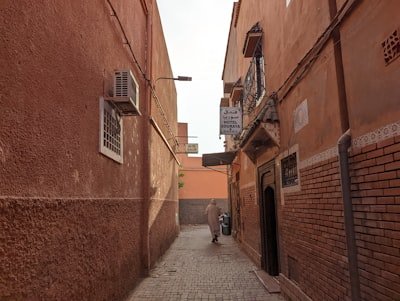
Alright, fellow travelers, buckle up! If you're anything like me, you've probably dreamt of stepping into a real-life kaleidoscope of colors, sounds, and smells. And let me tell you, Marrakech delivers on that promise and then some. I've spent enough time getting delightfully lost in its winding medina, sipping sweet mint tea with locals, and dodging motorbikes (it's an art form, really) to confidently say I've got some serious insider tips to share. This isn't just a city; it's an experience that grabs you by the senses and doesn't let go. So, forget the generic guides, because I'm about to take you on a personal tour of Marrakech, sharing everything I've learned, from the absolute must-dos to the hidden corners only locals know, and yes, how to avoid those pesky tourist traps!
Marrakech is a city that vibrates with life, a place where ancient traditions blend seamlessly with a modern pulse. It can be overwhelming, exhilarating, and utterly magical all at once. My goal here is to equip you with the knowledge to navigate its charms like a seasoned pro, so you can fall in love with its chaotic beauty just like I did.
Best Time To Visit
Timing your trip to Marrakech is crucial for maximizing your enjoyment. Trust me, you don't want to be baking under the summer sun or shivering in an unexpected winter chill.
- Spring (March to May): This is, hands down, my favorite time. The weather is absolutely perfect – warm, sunny days in the mid-20s to low-30s°C (70s-80s°F) and cool, pleasant evenings. The gardens are in full bloom, and the city buzzes with a comfortable energy. It's prime time, so expect more tourists and slightly higher prices.
- Autumn (September to November): Another fantastic window, very similar to spring. The intense summer heat has receded, leaving behind lovely warm days and crisp nights. The light is beautiful for photography, and the crowds are a little less intense than spring.
- Winter (December to February): If you're looking for cooler weather, this can be a good option, especially if you plan to venture into the Atlas Mountains for some snow. Daytime temperatures are mild, around 18-22°C (60s-70s°F), but evenings can get surprisingly chilly, dipping to single digits. You'll need layers! It's also generally less crowded.
- Summer (June to August): Honestly? Avoid it if you can. It gets blisteringly hot, often exceeding 40°C (100°F). While you might snag a deal on accommodation, you'll spend most of your days seeking shade or pool time. Sightseeing becomes a sweaty chore. I made the mistake once; never again!
Insider Tip: If Ramadan falls during your visit, be aware that many places might operate on reduced hours, and eating/drinking in public during fasting hours is considered disrespectful. Plan accordingly!
Visa Information
Okay, let's get the boring but important stuff out of the way. For many nationalities, including those from the US, Canada, EU countries, UK, Australia, and New Zealand, you won't need a visa for stays up to 90 days. You just need a valid passport with at least six months of validity remaining from your entry date.
Practical Hack: Always, *always* double-check the official visa requirements for your specific nationality before you travel. Government websites are your best friend here, as rules can change. Don't rely on travel blogs (even mine!) for definitive visa info, as it's subject to frequent updates.
Airport Guide: Marrakech Menara (RAK)
Marrakech Menara Airport (RAK) is a pretty modern and efficient airport, especially for one serving such an ancient city. It's not huge, which makes navigating it relatively easy.
Upon arrival, you'll go through immigration. Sometimes there are queues, but generally, it moves pretty quickly. Have your passport and the arrival card (usually handed out on the plane, or available in the arrivals hall) ready. Once you're stamped in, you'll pick up your luggage and head out. There are ATMs, currency exchange desks, and often SIM card sellers right in the arrivals hall.
Tourist Mistake: Getting overwhelmed by the taxi drivers immediately outside arrivals. They *will* try to get your attention. Have a plan before you step out.
Airport To City Transport
Getting from RAK to the city center (whether it's the Medina or Gueliz) is fairly straightforward, but knowing your options will save you hassle and money.
1.
Pre-booked Private Transfer: This is my personal go-to, especially after a long flight. It's hassle-free, comfortable, and someone is waiting for *you* with your name on a sign. Many riads and hotels offer this service, often for around 150-250 MAD (15-25 EUR). It's worth it for the peace of mind, especially if you're staying deep in the Medina where cars can't go – they'll often arrange for someone to walk you to your riad.
2.
Grand Taxi: These are the larger Mercedes taxis. You'll find them right outside the terminal. You *must* agree on a price before you get in. The official rate *should* be around 70-100 MAD to the Medina/Gueliz, but drivers often try to charge 150-200 MAD or more for tourists. Bargain hard!
3.
Airport Bus (ALSA Bus N°19): This is the most budget-friendly option. The bus stop is just outside the arrivals hall. It runs roughly every 20-30 minutes from early morning until around 11:30 PM. A ticket costs 30 MAD for a one-way trip or 50 MAD for a return (valid for two weeks). It stops at various key points, including Jemaa el-Fnaa and the main bus station in Gueliz. If you're comfortable navigating a bit on foot or catching a petit taxi from a bus stop, this is a great option.
Real-world Transport Issue: Taxi drivers at the airport are notorious for overcharging. Be firm, know the approximate fair price, and don't be afraid to walk away and try another driver or opt for the bus/pre-booked transfer.
Public Transport Guide
Inside Marrakech, especially in the Medina, your feet are your best friends.
- Walking: The Medina is a pedestrian's paradise (and sometimes a maze!). You'll discover so much more on foot. Wear comfortable shoes!
- Petit Taxis: These are the smaller, beige cars (usually Dacias or Fiats) with a roof sign. They operate *within* the city limits. They *should* use a meter, but many drivers will try to agree on a flat fare, especially with tourists. Insist on the meter ("le compteur, s'il vous plaît!"). If they refuse, find another one. A short ride within Gueliz or from Gueliz to the edge of the Medina typically costs 10-30 MAD. If you're paying more than 50 MAD for a short city ride, you're likely being overcharged.
- Local Buses (ALSA): Marrakech has an extensive public bus network (ALSA). A single ticket costs around 4-5 MAD. While they can get crowded and might not be intuitive for first-timers (routes aren't always clearly marked in English), they're incredibly cheap and efficient for getting between major areas like Gueliz, the New Town, and specific attractions further out. Google Maps usually has accurate bus routes.
Travel Hack: For taxis, if the driver refuses the meter, offer them a slightly inflated but still fair price (e.g., 20 MAD for a ride that should be 15 MAD on the meter). If they still say no, walk to the next taxi. There are plenty!
SIM Card Guide
Staying connected is a must for navigation, communicating with your riad, and sharing those amazing photos!
You have three main options for mobile operators in Morocco: Maroc Telecom, Orange, and Inwi. All offer decent coverage, especially in Marrakech.
- Where to buy: You can buy SIM cards directly at the airport upon arrival, in phone shops in Gueliz, or at small kiosks throughout the city. I recommend buying from an official store if possible, as activation is smoother.
- What to expect: You'll need your passport to register the SIM card. A basic tourist SIM with a good amount of data (e.g., 10-20 GB) usually costs around 50-100 MAD. They'll activate it for you on the spot.
- Top-ups: You can easily top up your data at small shops and kiosks by asking for a "recharge." Just tell them your provider and the amount.
Local Recommendation: I usually go with Maroc Telecom or Orange; their networks tend to be very reliable.
Currency Exchange Tips
Morocco's currency is the Moroccan Dirham (MAD). Roughly 10 MAD is about 1 USD or 1 EUR (this fluctuates, so check current rates).
- ATMs: Widely available, especially in Gueliz and around the main square in the Medina. This is generally the easiest and best way to get cash. Inform your bank before you travel to avoid card blocks.
- Exchange Offices (Bureaux de Change): You'll find these everywhere. Compare rates, but generally, they are competitive outside the airport.
- Avoid Airport Exchange: Like most airports worldwide, the rates here are usually the worst. Get a small amount if you need it, but plan to exchange more in the city.
- Cash is King: While some larger hotels and restaurants accept cards, many smaller shops, cafes, street vendors, and taxi drivers operate cash-only. Always carry small denominations.
Practical Hack: When using an ATM, always choose to be charged in the local currency (MAD), not your home currency. Your bank will give you a better exchange rate.
Best Local Food
Oh, the food! Marrakech is a culinary adventure. Forget what you think you know, and get ready for a flavor explosion.
- Tagine: The iconic slow-cooked stew, prepared in an earthenware pot. You'll find endless variations: chicken with preserved lemon and olives, beef with prunes and almonds, kefta (meatballs) with egg, or vegetarian versions. My absolute favorite is a simple lamb tagine.
- Tanjia: This is Marrakech's *other* signature dish, often overshadowed by tagine. It's a succulent, slow-cooked lamb or beef dish, traditionally prepared in an amphora-like pot and cooked overnight in the embers of a public hammam furnace. It's incredibly tender and flavorful. Look for restaurants specializing in it, or ask locals.
- Pastilla (Bastilla): A savory-sweet pastry pie, typically made with shredded pigeon (or chicken) mixed with spices, almonds, and sugar, encased in crispy warqa dough, and dusted with icing sugar and cinnamon. It sounds unusual, but it's heavenly!
- Harira Soup: A hearty, traditional Moroccan soup, especially popular during Ramadan. It's made with tomatoes, lentils, chickpeas, and often lamb or beef. Perfect for a chilly evening.
- Mint Tea: More than just a drink, it's a symbol of Moroccan hospitality. You'll be offered it everywhere. It's typically very sweet, served from a height to create foam. Don't refuse it!
- Street Food in Jemaa el-Fnaa: As the sun sets, the square transforms into a massive open-air restaurant. Head to the numbered stalls for grilled meats (brochettes), snail soup (trust me, try it!), harira, or sheep's head (if you're brave!). Just ensure the stall looks clean and busy.
Hidden Gem Food Spots:
1.
Chez Chegrouni (Jemaa el-Fnaa): Yes, it's on the square, but it's a solid, no-frills local spot that's been around forever. Great for a classic tagine or couscous with a view of the square without being a full-on tourist trap.
2.
Snack Toubkal (Jemaa el-Fnaa): Another old-school Jemaa el-Fnaa staple, popular with locals for cheap, tasty Moroccan fast food like sandwiches, grilled meats, and simple tagines. Perfect for a quick, authentic bite.
3.
Maison Arabe Cooking Class: Not a restaurant, but an experience! They have an excellent cooking school. Learning to make a tagine or pastilla is a fantastic way to immerse yourself in the local food culture and take recipes home.
4.
Local Bakeries (e.g., in Bab Doukkala): Wander into any local bakery ( فرن - farn) and grab some fresh Moroccan bread (khobz) or sweet pastries. They’re incredibly cheap and delicious.
5.
Derb Fahl Tanjia Stalls: Head into the small alleyways around Derb Fahl (just west of Jemaa el-Fnaa) in the late morning/early afternoon. You might find tiny, unassuming places selling Tanjia directly from the pots. It's incredibly authentic and usually just a few tables.
Hidden Gems In Marrakech
Beyond the main attractions, Marrakech holds a trove of less-visited wonders.
1.
Almoravid Koubba (Koubba Ba'Adiyn): Tucked away near the Ben Youssef Madrasa, this is the last remaining monument of the Almoravid dynasty (11th-12th century), which founded Marrakech. It's a small, intricately carved dome that provides a fascinating glimpse into early Islamic architecture. Most tourists rush past.
2.
Mellah (Jewish Quarter): While the main souks are bustling, the Mellah offers a quieter, more reflective atmosphere. Explore its narrow streets, visit the beautiful Slat Al Azama Synagogue, and check out the Jewish cemetery. It’s a stark contrast to the rest of the Medina and a poignant reminder of Marrakech's diverse past.
3.
Cyber Park Arsat Moulay Abdeslam: Yes, a "cyber park"! Located in Gueliz, it’s a beautifully landscaped garden with ancient olive trees, fountains, and even free Wi-Fi zones (hence "cyber"). It's a peaceful escape from the city chaos, beloved by locals for evening strolls and picnics.
4.
Musée de la Confluence (Dar El Bacha): This recently restored palace is a stunner! It showcases Moroccan art, history, and craftsmanship, but it's the palace itself that's the real star, with exquisite zellige tile work, carved cedar ceilings, and tranquil courtyards. It's less crowded than Bahia Palace and offers a more intimate experience.
5.
Le Jardin Secret: While not *completely* hidden anymore, it’s still often overlooked compared to Majorelle. This renovated riad garden is a serene oasis, offering stunning Islamic and exotic gardens, a beautiful tower with panoramic views, and a lovely cafe. It’s perfect for a quiet escape.
Places Tourists Usually Miss
- Marrakech Museum (Dar Menebhi Palace): Housed in a stunning 19th-century palace, the museum itself has a modest collection, but the architecture of the building (especially the central courtyard with its massive chandelier) is absolutely breathtaking. Many just see it from the outside or don't realize its beauty.
- The Tanneries: While not for the faint of nose, visiting the tanneries near Bab Debbagh is an authentic, albeit pungent, experience. You'll see traditional leather production, a trade that's barely changed for centuries. Be prepared for aggressive "guides" and offer a small tip for mint sprigs.
- A Local Hammam: Skip the fancy spa hammams (unless that's what you want) and try a public hammam. It’s a deep cultural experience. You'll need to go with a local friend or be very brave, as it's a no-frills, communal bathing experience. It's not about luxury, but raw authenticity.
- Palais de la Bahia's Gardens: Everyone rushes to see the main courtyards of Bahia Palace, but don't miss wandering into the extensive, often quieter, gardens and lesser-known rooms. They're equally beautiful and offer a moment of peace.
Tourist Scams To Avoid
Marrakech is wonderful, but like any popular tourist destination, it has its share of opportunists. A little awareness goes a long way!
1.
"Closed Street" or "Closed Attraction": The classic. Someone (often a seemingly helpful local) will tell you the attraction you're heading to is closed for prayer, renovation, or a special event. They'll then "guide" you to an alternative (usually a shop where they get commission). Ignore them politely and confidently continue your way.
2.
"False Guides": People claiming to be official guides will offer to show you around. They might be charming, but they're not licensed, often lead you to shops where they get kickbacks, and then demand exorbitant fees. If you want a guide, book one through your riad or a reputable tour company.
3.
Spice Shop Pressure: You'll be invited for "free tea" and then given a hard sell on overpriced spices, argan oil, or remedies. It's an experience, but be firm if you're not buying.
4.
Tannery "Guides": Similar to spice shops, you might be offered a "free" tour of the tanneries. Be ready to give a small tip (10-20 MAD) for the mint sprigs, and be prepared for pressure to buy leather goods afterwards.
5.
Overpriced Taxis: Covered this already, but it's a common one. Always negotiate, or insist on the meter!
6.
Henna Ladies: In Jemaa el-Fnaa, women offering henna can be very aggressive. They might grab your hand and start applying it without asking, then demand payment. Be firm and keep your hands to yourself if you're not interested.
7.
Snake Charmers / Monkey Handlers: They're a traditional part of Jemaa el-Fnaa, but if you take a photo or even get too close, they will immediately demand payment. Be aware if you point your camera in their direction.
Practical Tourist Mistake: Being overly trusting or overly aggressive. Find a balance. Be polite but firm in your refusals. A simple "La shukran" (no, thank you) with a confident stride usually works.
Safety Tips
Marrakech is generally safe for tourists, but common sense is key.
- Pickpocketing: Like any crowded place, pickpocketing can happen, especially in the busy souks and Jemaa el-Fnaa. Keep your valuables secure, preferably in a money belt or a cross-body bag worn in front.
- Walking at Night: The main squares and well-lit streets are fine. However, some of the narrower, darker alleys of the Medina can feel a bit intimidating late at night. If you're unsure, take a taxi or ask your riad to arrange a pick-up.
- Solo Female Travelers: You might receive more attention (stares, catcalls) than men. Dress respectfully (shoulders and knees covered) to minimize unwanted attention, and walk confidently. Ignoring is often the best strategy.
- Don't Flash Valuables: Keep expensive jewelry, cameras, and phones discreet.
- Trust Your Gut: If a situation feels off, remove yourself from it.
Local Etiquette
Respecting local customs enriches your experience and shows goodwill.
- Dress Modestly: This is key. For both men and women, covering shoulders and knees is advisable, especially in religious sites and the Medina. It shows respect and can help you blend in more. Lightweight, loose-fitting clothing is perfect.
- Photography: Always ask permission before taking photos of people, especially women. A simple gesture and a smile often work. If they say no, respect it.
- Bargaining (Haggling): It's not just expected; it's a part of the shopping experience in the souks. Start at about 50% of the asking price and work your way up. Be polite, friendly, and have fun with it. Don't haggle if you have no intention of buying.
- Greetings: A simple "Salam Alaikum" (peace be upon you) is always appreciated.
- Public Displays of Affection: Keep them to a minimum.
- Left Hand: Avoid using your left hand for eating or passing things, as it's traditionally considered unclean.
- Ramadan: If visiting during Ramadan, be extra sensitive. Avoid eating, drinking, or smoking in public during fasting hours. Many restaurants will be closed during the day but open for Iftar (breaking the fast) in the evening.
Best Instagram Spots
Marrakech is a photographer's dream!
- Jardin Majorelle: The iconic blue villa and cactus gardens. Get there early to beat the crowds!
- Bahia Palace: Stunning courtyards, intricate tile work, and painted ceilings. Every corner is a shot.
- Ben Youssef Madrasa: The recently reopened Koranic school is a masterpiece of Islamic architecture, with breathtaking zellige tiles and carved cedar.
- Jemaa el-Fnaa (Sunset): Head to a rooftop cafe overlooking the square as the sun sets and the food stalls light up. The energy is palpable, and the view is spectacular.
- Le Jardin Secret: Beautiful serene gardens and the tower views are fantastic.
- The Souks: Capture the vibrant chaos, the colorful stalls, and the intricate craftsmanship. Just be mindful of people's privacy.
- Any Riad Courtyard: The typically tranquil, tiled courtyards of riads are incredibly photogenic.
Budget Travel Tips
Marrakech can be done on a shoestring or in luxurious style. Here’s how to save dirhams:
- Eat Local: Skip the touristy restaurants. Head to local snack stalls, small eateries in the Medina, or the Jemaa el-Fnaa food stalls for delicious, cheap meals.
- Walk Everywhere: Especially in the Medina, walking is free and the best way to explore.
- Haggle: For souk purchases and taxis, always bargain.
- Stay in a Hostel or Budget Riad: There are plenty of charming, affordable options.
- Use Public Transport: The ALSA buses are super cheap.
- Buy Water from Supermarkets: Avoid buying small, overpriced bottles from vendors near attractions.
Hotels & Accommodation
Your choice of accommodation can really shape your Marrakech experience.
- Riads (Medina): My personal recommendation! These are traditional Moroccan guesthouses, often beautifully restored, with an interior courtyard or garden. They offer a tranquil escape from the Medina's chaos and provide an authentic experience. Many are boutique, family-run, and offer incredible hospitality.
- Hotels (Gueliz & Hivernage): If you prefer modern amenities, swimming pools, and easy car access, the new town areas of Gueliz and Hivernage offer international hotel chains and contemporary hotels.
- Hostels: Plenty of budget-friendly hostels are available in the Medina, perfect for solo travelers or those on a tight budget. They often have communal areas and organize tours.
Travel Hack: Book a riad with a rooftop terrace for evening relaxation and stunning views. Many offer breakfast included.
Bike Rental / Car Rental
- Bike Rental: You *can* rent bikes in Marrakech, primarily for exploring Gueliz or the areas outside the Medina. However, I wouldn't recommend cycling *in* the Medina due to the narrow, crowded, and chaotic streets. It's just not practical or safe.
- Car Rental: Unless you're planning extensive day trips into the Atlas Mountains or to other cities like Essaouira, I wouldn't recommend renting a car for use *within* Marrakech. Driving in the city is hectic, parking is difficult, and the Medina is largely pedestrianized anyway. For day trips, it can be a good option, but be prepared for adventurous driving!
Best Cafes
Marrakech has a fantastic cafe scene, from traditional spots to trendy hangouts.
- Café des Épices: A classic, iconic spot right in the heart of the souks. Great for people-watching from its rooftop terrace. It's popular, so it can get busy.
- Nomad: Another rooftop favorite with fantastic views of the Medina and delicious modern Moroccan cuisine. Great for sunset drinks.
- Atay Cafe Food: A charming, multi-level cafe near the Ben Youssef Madrasa, offering great food and lovely views.
- Bacha Coffee (Dar El Bacha): Located within the beautiful Musée de la Confluence, this cafe offers an opulent experience with a staggering variety of coffees from around the world. It’s a splurge but a unique one.
- The Henna Café: A social enterprise that offers traditional henna designs in a hygienic environment, along with simple, tasty food, and supports local women. It's a peaceful haven.
Best Nightlife Areas
Marrakech isn't exactly a rave city, but it offers a range of evening entertainment.
- Jemaa el-Fnaa: This is the heart of the city's nightlife in a traditional sense. Storytellers, musicians, food stalls, and performers create an incredible, vibrant atmosphere until late.
- Rooftop Bars/Terraces: Many riads and restaurants in the Medina (like Nomad, Café des Épices, Atay Cafe) have rooftop terraces perfect for a relaxed evening drink and dinner with stunning views.
- Gueliz & Hivernage: The new town districts are where you'll find more modern bars, lounges, and nightclubs (like Theatro, 555 Famous Club). These are often attached to hotels and cater to a more international crowd. Expect higher prices.
- Hotel Bars: Many of the larger, upscale hotels in Gueliz and Hivernage have excellent bars, offering a more refined drinking experience.
Shopping Guide
Get ready to flex your bargaining muscles! Marrakech is a shopper's paradise.
- The Souks (Medina): This is the ultimate shopping experience. You'll find everything from leather goods (bags, shoes, poufs) to ceramics, spices, argan oil, textiles, lamps, carpets, jewelry, and much more. It's a labyrinth, so embrace getting lost!
- Bargaining: Start low, be friendly, and be prepared to walk away if the price isn't right. It's part of the game.
- Ensemble Artisanal: Located near the Koutoubia Mosque, this is a government-run complex of artisan workshops and fixed-price shops. It's a great place to see artisans at work and buy quality goods without the need to haggle. Prices are slightly higher than in the souks, but you're guaranteed authenticity.
- Marrakech Plaza (Gueliz): For modern retail therapy, head to Gueliz. Marrakech Plaza has international brands, cafes, and fixed-price shops.
- Leather: Bags, shoes (babouches), poufs, jackets. Check quality carefully.
- Spices: Saffron, ras el hanout, cumin. Buy from dedicated spice shops.
- Argan Oil: Pure argan oil (culinary and cosmetic) is a must. Ensure it's authentic.
- Ceramics: Tagines, bowls, plates.
- Carpets: A big purchase, but beautiful. Be prepared for serious haggling and research.
- Lamps/Lanterns: Intricately carved metal lanterns cast beautiful shadows.
Practical Tourist Mistake: Buying too quickly or not checking quality. Take your time, compare prices from a few stalls, and inspect items for flaws.
Internet & WiFi Availability
You'll generally find it easy to stay connected in Marrakech.
- Riads & Hotels: Almost all accommodation options offer free Wi-Fi, though the speed can vary.
- Cafes & Restaurants: Many cafes and restaurants, especially in Gueliz and tourist areas of the Medina, provide free Wi-Fi for customers.
- SIM Cards: As mentioned, buying a local SIM card is your best bet for consistent internet access on the go.
- Cyber Parks: Cyber Park Arsat Moulay Abdeslam offers free Wi-Fi zones if you need a quick connection while enjoying the outdoors.
Best Apps For Travelers
These apps will make your Marrakech adventure smoother:
- Google Maps (Offline Maps): Absolutely essential. Download the offline map of Marrakech *before* you arrive. It’s a lifesaver for navigating the Medina's labyrinthine alleys and finding your way around the new city.
- Careem / inDrive: These are ride-hailing apps available in Marrakech. While not always as prevalent as in some other cities, they can be great for getting a fair price on a taxi, especially for longer distances or when you want to avoid haggling. Check real-time availability.
- Google Translate: Handy for quick translations, especially if you want to chat with locals whose English might be limited, or to understand menus.
- XE Currency Converter: Quick and easy way to convert MAD to your home currency, helping you budget and haggle effectively.
- WhatsApp: Many riads, tour operators, and even some taxi drivers use WhatsApp for communication. It's good to have it installed.
One Day Budget Estimate
This is a rough guide, as individual spending habits vary wildly!
| Category | Budget Traveler (MAD) | Mid-Range Traveler (MAD) | Luxury Traveler (MAD) |
| :------------------ | :-------------------- | :----------------------- | :-------------------- |
|
Accommodation | 200 - 400 | 600 - 1000 | 1500+ |
|
Food | 100 - 200 | 250 - 400 | 500+ |
|
Transport | 50 - 100 | 100 - 150 | 150+ |
|
Activities/Entry | 50 - 150 | 200 - 400 | 500+ |
|
Misc./Shopping | 50 - 100 | 150 - 300 | 400+ |
|
Total Daily |
450 - 950 MAD |
1300 - 2250 MAD |
3050+ MAD |
*Note: 100 MAD is roughly 10 USD/EUR, but check current exchange rates.*
Local Transportation Costs
Knowing these averages will help you avoid overpaying.
| Transport Type | Typical Cost (MAD) | Notes |
| :---------------------------------- | :----------------- | :---------------------------------------------------------------------------------- |
|
Petit Taxi (short ride < 15 min) | 10 - 30 | Insist on meter, or agree price beforehand. Night rates (after 8-9 PM) are 50% higher. |
|
Grand Taxi (Airport to Medina) | 70 - 100 | Negotiate hard! Can also be shared for longer inter-city routes. |
|
ALSA Airport Bus (N°19) | 30 (one-way) | Cheapest option, direct to Jemaa el-Fnaa and other key stops. |
|
Local City Bus (ALSA) | 4 - 5 | Fixed price, great for longer distances if you know the routes. |
|
Pre-booked Transfer (Airport) | 150 - 250 | Hassle-free, direct to your accommodation, worth it for peace of mind. |
|
Horse-drawn Carriage (Caleche) | 100 - 200/hour | Negotiate fare for a tour around the city walls/Gardens. |
FAQ Section
Here are some common questions I hear from travelers heading to Marrakech:
- Is Marrakech safe for solo female travelers?
Yes, generally. I've done it! You'll likely receive more attention and catcalls than men, but it's usually harmless. Dress modestly, walk confidently, and avoid walking alone in dark, deserted alleys at night. Trust your gut.
It's generally advised *not* to drink tap water. Stick to bottled water to avoid any stomach upsets.
Modest is best for both men and women. Cover shoulders and knees, especially in the Medina and religious sites. Loose-fitting clothing is also more comfortable in the heat.
Absolutely! In the souks and with street vendors, it's part of the culture and expected. Start low, be respectful, and have fun with it. For food and official shops, prices are usually fixed.
In tourist areas, many people (especially shopkeepers, riad staff, and guides) speak English. Arabic is the official language, and French is widely spoken (due to historical ties). Learning a few basic Arabic or French phrases (hello, thank you, no thank you) goes a long way.
Tipping is appreciated. For restaurant meals, 10% is standard. For taxi drivers, round up the fare. Small tips (5-10 MAD) for services like carrying luggage to your riad or a quick photo with a performer are common.
- Should I carry cash or use cards?
Carry plenty of cash in small denominations. While some larger hotels and upscale restaurants accept cards, many places operate cash-only, especially in the souks and for taxis.
Phew! That was a lot, but I truly hope this guide helps you feel more prepared and excited for your adventure in Marrakech. It's a city that will challenge you, charm you, and ultimately leave an indelible mark on your soul. Go with an open mind, a curious spirit, and a willingness to embrace the unexpected. You're going to have an incredible time!
Explore More
About The Author
Devendra is a travel researcher and tourism content creator
sharing practical international travel guides,
budget travel tips,
visa information,
and destination insights for travelers worldwide.