info@24x7tt.com

info@24x7tt.com
Blog Detail


Nestled gracefully in the majestic foothills of the Himalayas, Rishikesh is more than just a destination; it's an experience. Revered globally as the "Yoga Capital of the World," this sacred city on the banks of the mighty Ganges River beckons spiritual seekers, wellness enthusiasts, and thrill-seekers alike. With its ancient ashrams, world-renowned yoga schools, serene meditation centers, and rejuvenating Ayurvedic retreats, Rishikesh offers a profound sanctuary for holistic rejuvenation of both mind, body, and soul. Yet, its spiritual aura is beautifully complemented by an exhilarating array of adventure sports, making it a truly unique blend of profound tranquility and adrenaline-pumping excitement. From witnessing sacred rituals at dawn to conquering the rapids of the Ganges, Rishikesh promises a journey that is as enlightening as it is unforgettable.
The sacred Ganges River, Ganga Maa as it's affectionately known, forms the spiritual lifeline of Rishikesh. Its pristine, turquoise waters, originating from the glacial heights of the Himalayas, flow with a palpable energy that imbues the entire city with a sense of holiness. For centuries, sadhus, yogis, and pilgrims have been drawn to its banks, believing a dip in its waters purifies the soul and washes away sins. The daily Ganga Aarti (river worship ceremony) at various ghats, particularly Triveni Ghat and Parmarth Niketan, is a truly mesmerizing spectacle of light, sound, and devotion, a sensory feast that encapsulates the spiritual heartbeat of Rishikesh. Beyond the river, countless temples and ashrams dot the landscape, each contributing to the city's profound spiritual tapestry. These institutions offer traditional yoga and meditation programs, philosophy lectures, and opportunities for introspection, drawing students and practitioners from every corner of the globe seeking authentic spiritual knowledge and inner peace.
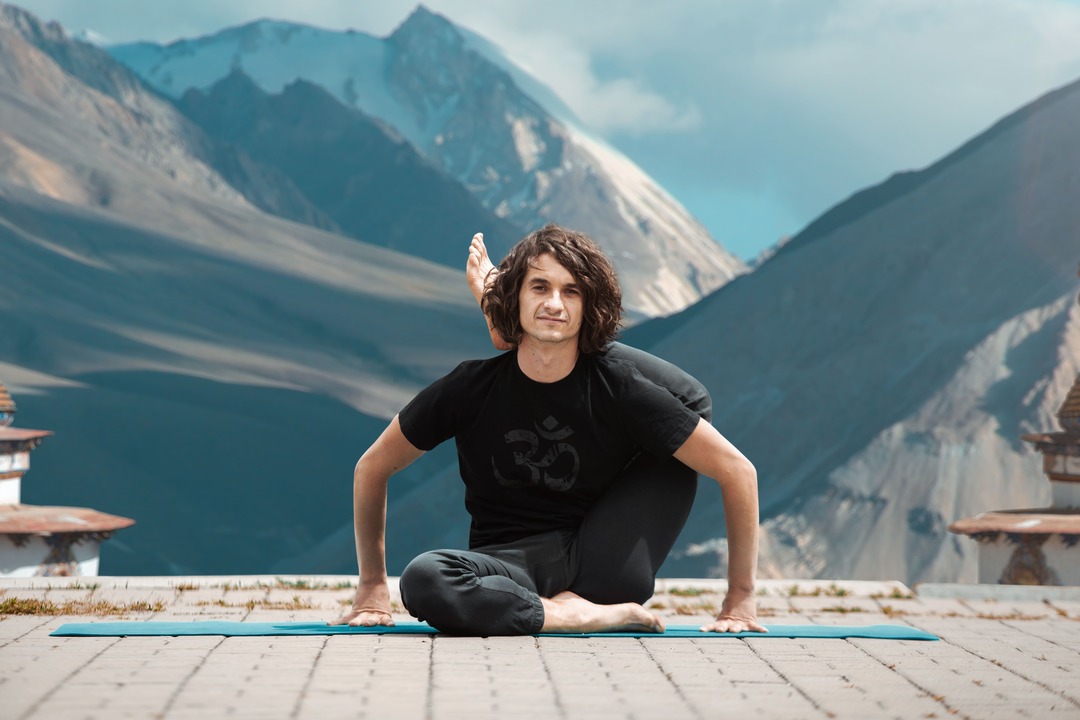
Rishikesh holds a special place in the hearts of yogis worldwide. It’s here that many feel a strong connection to the ancient roots of yoga, practiced in an environment where spiritual pursuit is interwoven into daily life. From traditional Hatha and Ashtanga to Vinyasa and Kundalini, the city offers a diverse spectrum of yoga teacher training courses (YTTCs) and drop-in classes catering to all levels. Reputable ashrams and yoga centers like Parmarth Niketan, Sivananda Ashram, and various schools around Laxman Jhula and Ram Jhula provide immersive experiences. Beyond the physical postures, meditation is an integral part of the Rishikesh experience. Vipassana, transcendental meditation, and guided mindfulness sessions are widely available, often held in serene settings overlooking the Ganges or tucked away in tranquil caves like Vashishta Gufa, offering a perfect environment for deep contemplation and inner silence. Engaging in these practices here feels particularly potent, surrounded by the spiritual vibrations of the Himalayas.
Complementing its yoga and meditation offerings, Rishikesh is also a significant center for Ayurveda, the ancient Indian system of medicine. Numerous Ayurvedic clinics and wellness centers provide consultations, therapeutic massages, detox programs (Panchakarma), and herbal treatments aimed at restoring the body's natural balance. These centers often emphasize diet, lifestyle modifications, and natural remedies, drawing upon the abundance of medicinal herbs found in the Himalayan region. Visitors can indulge in rejuvenating oil massages, explore personalized dietary plans, and experience therapies designed to address specific ailments or simply enhance overall well-being. The holistic approach of Ayurveda, combined with the clean mountain air and pure Ganga water, creates an ideal environment for profound healing and revitalization.
While Rishikesh is synonymous with spirituality and wellness, it also serves as a thrilling playground for adventure enthusiasts. Its geographical location at the confluence of mountains and rivers makes it a prime spot for a variety of exhilarating activities that appeal to the daring spirit.
The Ganges River, famed for its spiritual significance, transforms into an adrenaline-pumping arena for white-water rafting. Rishikesh is renowned as one of India's premier rafting destinations, offering stretches suitable for both beginners and experienced rafters. The season typically runs from September to June, with different stretches providing varying grades of rapids (Grade I to IV). Popular starting points include Shivpuri, Marine Drive, and Kaudiyala, offering trips ranging from 9 km to 36 km. Navigating through rapids with names like 'Roller Coaster,' 'Golf Course,' and 'Three Blind Mice' is an unforgettable experience, combining the thrill of the ride with breathtaking views of the surrounding Himalayan landscape. Safety is paramount, with professional guides and well-maintained equipment ensuring a secure adventure.
The hills surrounding Rishikesh are crisscrossed with numerous trekking trails, offering opportunities to explore the region's natural beauty and serene villages. From gentle walks to challenging multi-day treks, there's something for every fitness level. Popular short treks include the journey to Neer Garh Waterfall, a refreshing hike through lush greenery leading to a series of cascades. For more adventurous souls, treks to Kunjapuri Temple offer panoramic sunrise views of the Himalayan peaks, including Chaukhamba, Swargarohini, and Bandarpunch. Longer expeditions can take you to remote spiritual sites or picturesque mountain villages, providing a glimpse into the local Garhwali culture and pristine natural landscapes. Many local guides are available to lead these excursions, sharing their knowledge of the flora, fauna, and local legends.
Camping by the Ganges is another popular activity, offering a chance to reconnect with nature and enjoy the tranquility of the river under a canopy of stars. Numerous campsites along the river banks provide comfortable tents, bonfires, and often include meals and evening activities, creating a perfect retreat after a day of adventure. For those seeking the ultimate thrill, Rishikesh is home to India's highest bungee jumping platform. Operated by Jumpin Heights in Mohan Chatti, this professionally managed facility offers bungee jumping, giant swing, and flying fox experiences from a height of 83 meters over a rocky cliff. It's an exhilarating way to challenge your limits and experience an unparalleled rush amidst stunning natural surroundings.
Rishikesh is dotted with landmarks that are both spiritually significant and historically fascinating, offering visitors a rich tapestry of experiences.
Triveni Ghat is one of the most sacred ghats in Rishikesh, believed to be the confluence of three holy rivers – Ganga, Yamuna, and Saraswati. Every evening, as dusk descends, the ghat comes alive with the captivating Ganga Aarti, a ceremonial worship of the river. Hundreds of devotees and tourists gather to witness priests chanting mantras, ringing bells, and offering lamps (diyas) and flowers to the flowing river. The collective devotion, the flickering lamps on the water, and the rhythmic chanting create an incredibly moving and spiritual atmosphere that is truly unforgettable. Arriving early to secure a good spot is recommended, and participating by floating a small diya on the Ganges is a cherished experience.
These two iconic suspension bridges are not just engineering marvels but also central to Rishikesh's identity. Legend has it that Lord Lakshman, brother of Lord Rama, crossed the Ganges on a jute rope at the spot where Laxman Jhula now stands. The original bridge was built in 1929, while Ram Jhula, a slightly newer and larger bridge, was constructed in 1980. Both bridges offer pedestrian access and bike crossings, connecting various ashrams, temples, and markets on either side of the river. Walking across them provides stunning panoramic views of the Ganges, the surrounding mountains, and the bustling spiritual life below. The areas around both bridges are vibrant hubs, teeming with cafes, shops selling spiritual items, Ayurvedic products, and local crafts. The famous Tera Manzil Temple (Thirteen Story Temple) is located near Laxman Jhula, offering multi-level shrines and breathtaking views from its upper floors.
Once the International Academy of Meditation, this abandoned ashram gained worldwide fame when The Beatles, along with other celebrities like Mia Farrow and Donovan, visited in 1968 to study Transcendental Meditation under Maharishi Mahesh Yogi. Their stay here was incredibly productive, with many songs for 'The White Album' and 'Abbey Road' being composed during their time. Today, the ashram is largely reclaimed by nature but remains open to visitors as a unique cultural site. Its crumbling buildings, meditation domes, and walls adorned with vibrant graffiti and artwork by international artists create an ethereal atmosphere. Exploring its silent grounds offers a fascinating glimpse into a pivotal moment in music history and spiritual exploration, making it a must-visit for both Beatles fans and those interested in its historical significance.
Perched at an altitude of 1330 meters amidst the picturesque forests of the Garhwal Himalayas, Neelkanth Mahadev Temple is a revered Hindu pilgrimage site dedicated to Lord Shiva. Legend states that this is the spot where Lord Shiva consumed the poison Halahala that emerged during the Samudra Manthan (churning of the cosmic ocean), turning his throat blue (hence 'Neelkanth' – blue throat). The temple's intricate architecture, vibrant sculptures, and the natural spring where devotees take a holy dip add to its allure. The journey to the temple, approximately 32 km from Rishikesh, is an adventure in itself, involving a scenic drive or a challenging uphill trek through dense forests, offering spectacular views and a sense of profound peace upon arrival. It is particularly popular during the Maha Shivaratri festival.
To make your Rishikesh trip as smooth and enjoyable as possible, here's some essential practical information.
The ideal time to visit Rishikesh is from September to November and February to May.
Rishikesh offers a wide range of accommodation to suit every budget and preference:
Rishikesh is officially a vegetarian and alcohol-free city, reflecting its spiritual ethos. The food scene is a delightful blend of traditional Indian cuisine and international flavors, catering heavily to the health-conscious and spiritual visitors.
Shopping in Rishikesh is an experience in itself, with bustling markets offering a variety of spiritual items, local crafts, and wellness products.
Navigating Rishikesh is relatively easy, with various options catering to different budgets and travel styles. The city itself is quite walkable, especially the main spiritual areas, but transport is needed for longer distances or reaching specific attractions.
Rishikesh's public transport system is largely informal but efficient for short to medium distances within and around the town.
For more independence and flexibility, renting a car or a bike is a viable option, especially if you plan to explore beyond the immediate vicinity of Rishikesh.
The nearest airport to Rishikesh is Jolly Grant Airport (DED) in Dehradun, approximately 20-25 km away.
Traveling in Rishikesh doesn't have to break the bank. Here are some tips to keep your transport costs low:
Rishikesh truly offers a transformative experience, seamlessly weaving together the threads of ancient spirituality, profound wellness, and thrilling adventure. Whether you come to delve deep into the philosophy of yoga, seek solace by the sacred Ganges, challenge yourself with white-water rapids, or simply unwind amidst the serene Himalayan backdrop, Rishikesh promises a journey that resonates long after you've left its sacred banks. It's a place where every sunrise brings an opportunity for spiritual growth, and every sunset paints a picture of tranquil beauty. Come, discover the magic of Rishikesh, and let this spiritual haven awaken your senses and rejuvenate your soul.
A1: Yes, Rishikesh is generally considered safe for solo female travelers. However, like any travel destination, it's advisable to exercise standard precautions: avoid walking alone in secluded areas at night, dress modestly, be aware of your surroundings, and trust your instincts. Stick to well-lit and populated areas.
A2: When visiting temples, ashrams, or participating in religious ceremonies, it's respectful to dress modestly. This generally means covering your shoulders and knees. Loose-fitting, comfortable clothing like long pants, skirts, or salwar kameez are ideal. Remove your shoes before entering temples.
A3: Yes, many devotees and visitors take holy dips in the Ganges, particularly at the ghats like Triveni Ghat. The water in Rishikesh is considered relatively clean compared to downstream sections. However, always exercise caution due to strong currents, especially during monsoon season. It's best to swim only in designated safe areas and avoid going too deep.
A4: No, Rishikesh is a holy city and is officially declared a vegetarian and alcohol-free zone. You will not find non-vegetarian food or alcohol served in restaurants or shops within the city limits. This policy reflects the spiritual ethos of the region.
A5: For popular yoga teacher training courses (YTTCs) and stays at well-known ashrams (like Parmarth Niketan), it is highly recommended to book several months in advance, especially during peak season (September-November and February-May). For drop-in yoga classes, booking on the day or a day prior is usually sufficient.
A6: You can reach Rishikesh from Delhi by:
A7: Rishikesh offers a range of spiritual experiences: