Brisbane Budget Travel Guide For First Time Travelers
Brisbane: My Unfiltered Guide to Queensland's Laid-Back River City
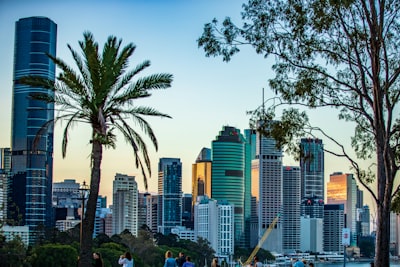
Alright, fellow wanderlusters! If you're anything like me, you're always on the hunt for that perfect blend of vibrant city life and chilled-out vibes, right? Well, let me tell you, Brisbane, Australia's sun-kissed river city, absolutely nails it. I've spent so much time exploring this place – not just the flashy tourist spots, but the nooks and crannies locals adore – and trust me, it’s a gem. Forget what you think you know about sleepy state capitals; Brissy (as we affectionately call it) has a pulse that's both energetic and incredibly relaxed.
From its buzzing culinary scene to its lush parklands and that ever-present sunshine, Brisbane just *gets* you. It’s got a big-city feel without the overwhelming rush, and a genuine friendliness that makes you feel right at home. This isn't just a guide; it's an invitation to experience Brisbane through my eyes, complete with all the practical hacks, hidden gems, and honest advice I've gathered over the years. So, let’s dive in, shall we?
Best Time To Visit Brisbane
Honestly, Brisbane is pretty great year-round, but if you want to hit that sweet spot, here’s my take:
- Autumn (March to May): This is my absolute favourite. The humidity drops, the days are still warm and sunny (averaging 20-28°C / 68-82°F), and the nights are pleasantly cool. It’s perfect for exploring, dining al fresco, and just enjoying the outdoor lifestyle. Plus, you avoid the school holiday crowds of summer.
- Winter (June to August): Think mild, sunny days (10-22°C / 50-72°F) and crisp, clear nights. Rain is rare, making it ideal for outdoor activities without the sweat. It can get a bit chilly in the evenings, so pack a light jacket. This is also whale watching season if you're planning a day trip!
- Spring (September to November): Warm up again, similar to autumn but with a slight increase in humidity towards the end. It's beautiful, with flowers blooming and a buzz returning to the city. Average temps are around 20-28°C (68-82°F).
- Summer (December to February): It gets hot and humid (25-35°C / 77-95°F), with frequent afternoon thunderstorms, which can be quite dramatic but often bring a welcome cool down. If you're planning a summer visit, embrace the heat, pack light, and make good use of the city's pools and air-conditioned spaces. It's also peak tourist season, so expect higher prices and more crowds.
Local Travel Hack: No matter when you visit, always carry sunscreen, a hat, and a reusable water bottle. The Aussie sun is no joke!
Visa Information for Australia
Okay, before you even start dreaming of koalas and beaches, let’s get the boring but crucial stuff out of the way. Most non-Australian citizens will need a visa to enter Australia.
- ETA (Electronic Travel Authority): For passport holders from many countries (including the US, Canada, EU, UK, Japan, Singapore), an ETA is the quickest and easiest option for short tourist or business visits (up to 3 months). You apply online, it’s usually processed within minutes, and costs around AUD$20.
- eVisitor Visa: If you’re from an EU country, you’ll typically apply for an eVisitor visa, which is free and also allows stays of up to 3 months.
- Visitor Visa (Subclass 600): For those not eligible for an ETA or eVisitor, or if you plan to stay longer than 3 months, you'll need to apply for a Visitor Visa. This is a bit more involved, requires supporting documents, and has a fee.
Insider Tip: Always apply for your visa well in advance through the official Australian Department of Home Affairs website (immi.homeaffairs.gov.au). Beware of third-party sites that charge exorbitant fees for services you can do yourself for much cheaper or free. I've heard too many stories of people getting ripped off.
Brisbane Airport (BNE) Guide
Brisbane Airport (BNE) is pretty user-friendly, one of the best in Australia in my opinion. It has two main terminals: International and Domestic, which are about a 2km (1.2 miles) drive from each other. Don’t panic if you have a connecting flight, there’s a free terminal transfer bus that runs frequently, and the Airtrain also connects them.
You’ll find all the usual amenities: duty-free, plenty of food options (from fast food to sit-down meals), ATMs, currency exchange, and free Wi-Fi for up to 3 hours. It’s clean, modern, and generally efficient.
Airport To City Transport
Getting from BNE into the city is a breeze, with a few solid options depending on your budget and preference.
- Airtrain: This is my go-to for speed and convenience. It runs every 15-30 minutes and takes about 20 minutes to get to Brisbane Central or Roma Street stations. It's comfortable, reliable, and air-conditioned.
- Cost: A single adult fare is around AUD$19.80 if you buy a paper ticket, or slightly cheaper (around $17.50) if you use a *Go Card* (more on that later). Booking online in advance can also save you a few dollars.
- Bus (Con-X-ion Shuttle): A good option if you have a lot of luggage or want a direct transfer to your hotel. It’s cheaper than a taxi but takes longer as it makes multiple stops.
- Cost: Around AUD$25 for a one-way trip. Book online beforehand.
- Taxi/Rideshare (Uber/Didi/Ola): Convenient if you’re travelling with a group or have a lot of bags, taking you directly to your door. The rideshare pick-up zones are clearly marked outside both terminals.
- Cost: Approximately AUD$45-60 to the CBD, depending on traffic.
Practical Tourist Mistake: Don't just hop into the first taxi you see at the airport without considering rideshare apps. Uber/Didi are usually cheaper and you can see the fare upfront. Always confirm the price range for a taxi before setting off, especially late at night.
Public Transport Guide
Brisbane's public transport system, managed by TransLink, is surprisingly efficient and easy to navigate, especially once you get your head around the *Go Card*.
- The Go Card: This is your absolute best friend for public transport here. It's a reusable smart card that gives you cheaper fares (up to 30% less than paper tickets) on buses, trains, and CityCat ferries.
- How to get it: Buy one at convenience stores (like 7-Eleven), train stations, or the airport. You pay a refundable AUD$10 deposit for the card, then load it with credit.
- How to use it: "Tap on" at the start of your journey and "tap off" at the end. Forgetting to tap off means you'll be charged the maximum fare, which is a classic rookie error I’ve made myself!
- Buses: Extensive network, covering most of the city and suburbs. Look for the "Busway" stations for rapid routes.
- Trains: Connect the city centre to wider Brisbane and regional areas.
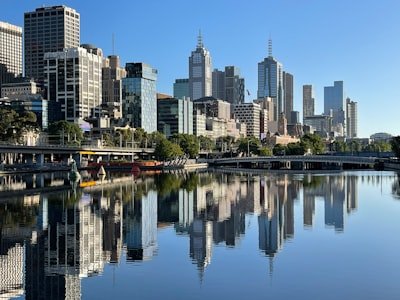
- CityCat Ferries: These are fantastic! They cruise along the Brisbane River, offering incredible views of the city skyline. It’s part transport, part scenic tour. I highly recommend taking one even if just for the experience.
- CityHopper: And here's a local travel hack that’s essentially a free river cruise! The bright red CityHopper ferries run every 30 minutes between North Quay and Sydney Street, stopping at key points like South Bank, Riverside, and Kangaroo Point. Perfect for sightseeing on a budget.
- Free City Loop Bus: A free bus service that circles the CBD, stopping at major attractions and business areas. Runs every 10 minutes.
Best App For Travellers: Download the
TransLink app. It's brilliant for planning your journey, checking timetables, and finding real-time updates.
SIM Card Guide
Staying connected is a must, and getting a local SIM card in Australia is straightforward.
- Where to buy: You can pick one up at the airport (though prices might be slightly higher), at phone provider stores (Telstra, Optus, Vodafone) in the CBD or major shopping centres, or even at supermarkets (Woolworths, Coles) and convenience stores (7-Eleven).
- Telstra: Best coverage, especially if you plan to venture outside the city, but generally the most expensive.
- Optus: Good coverage in urban areas, often a good balance of price and performance.
- Vodafone: Competitive prices, decent urban coverage, but might struggle in very rural areas.
- Plans: Look for pre-paid tourist SIMs or short-term plans. You can usually get unlimited calls/texts within Australia and a decent chunk of data (e.g., 20-40GB for 28 days) for around AUD$30-50.
Practical Tourist Mistake: Don't just grab the first SIM card at the airport without comparing prices and data allowances. A quick online search or asking at a few different stores in the city can save you money.
Currency Exchange Tips
Australia uses the Australian Dollar (AUD).
- ATMs: My preferred method. They're widely available and offer decent exchange rates, though your bank might charge a transaction fee. Check with your bank before you leave.
- Banks: You can exchange currency at major banks (Commonwealth Bank, Westpac, ANZ, NAB), but hours are usually standard business hours.
- Avoid: Currency exchange kiosks at the airport or in tourist-heavy areas. Their rates are often much worse.
- Credit/Debit Cards: Most places accept Visa and MasterCard. American Express is less common and might incur a surcharge. Contactless payment (tap-and-go) is standard and super convenient. Carry a small amount of cash for smaller purchases or markets.
Best Local Food in Brisbane
Brisbane's food scene is vibrant and diverse, far beyond just BBQ (though we do that well too!). Here’s what my taste buds recommend:
- Moreton Bay Bugs: Not actually bugs, but a delicious type of slipper lobster found in Moreton Bay. They're sweet, tender, and best enjoyed grilled with a squeeze of lemon. You’ll find them at good seafood restaurants.
- Fresh Seafood: Beyond the bugs, try local barramundi (barra), prawns, and oysters. Head to Fish Lane in South Brisbane for some fantastic dining, or Gambaro Seafood Restaurant for a more upscale experience.
- Vietnamese Food in Inala or Darra: This is a hidden gem for foodies! Brisbane has a large Vietnamese community, and you'll find incredibly authentic and affordable pho, banh mi, and rice paper rolls in these western suburbs. It's a bit of a trip, but so worth it for the flavour experience locals cherish.
- Café Culture: Brisbane takes its coffee seriously. Expect excellent flat whites, lattes, and more. Pair it with a smashed avo on toast – it’s an Aussie brunch staple!
- Craft Beer Scene: The Valley (Fortitude Valley) and West End are brimming with independent breweries and craft beer bars. Check out Newstead Brewing Co. or Felons Brewing Co. for locally brewed goodness.
- Lamingtons: Okay, you *have* to try this iconic Aussie sponge cake coated in chocolate and desiccated coconut. So simple, so delicious. Grab one from a local bakery.
Local Recommendation: For a proper Brisbane foodie experience, go to
Eat Street Northshore on a Friday or Saturday night. It's an outdoor market made from shipping containers, serving up an incredible array of international street food, desserts, and live music. It’s absolutely buzzing with locals.
Hidden Gems In Brisbane
These are the spots I love showing friends who think they've seen it all.
1.
Mount Coot-tha Botanic Gardens & Planetarium: Everyone goes to the lookout (which *is* lovely), but few explore the expansive Botanic Gardens below. They’re free, beautifully landscaped, and home to a Japanese Garden, a Tropical Dome, and a vast collection of native plants. The Sir Thomas Brisbane Planetarium is also right there, offering fascinating shows.
2.
West End's Davies Park Market: Forget the tourist markets. Every Saturday morning, Davies Park in West End transforms into a vibrant, eclectic market. You'll find organic produce, handmade crafts, incredible international street food (the haloumi burger is a must!), and a genuinely bohemian, local atmosphere.
3.
Newstead House: Queensland’s oldest surviving residence. This beautiful colonial home, nestled on the banks of the Brisbane River, offers a fascinating glimpse into Brisbane's past. The grounds are stunning for a picnic, and it’s usually much quieter than other historical sites.
4.
Kangaroo Point Cliffs (for the experience, not just the view): While the lookout is popular, many miss out on the activities *at* the cliffs. You can rock climb or abseil them, or just grab some fish and chips and have a picnic while watching the sunset over the city. It's a local favourite for active types.
5.
Street Art & Laneways (specifically Fish Lane & Bakery Lane): Beyond the main thoroughfares, Brisbane has some incredible street art tucked away in its laneways. Fish Lane in South Brisbane is not just for food; its walls are a canvas. Bakery Lane in Fortitude Valley is another colourful spot, often with live music and unique boutiques.
Places Tourists Usually Miss
Expand your horizons beyond South Bank and Queen Street Mall!
- North Stradbroke Island (Minjerribah): A short ferry ride away, "Straddie" is an absolute paradise. Think pristine beaches, stunning coastal walks, kayaking with dolphins, and sleepy townships. It’s less developed and more authentically Australian than the Gold Coast, and a favourite weekend escape for Brisbanites.
- Brisbane Powerhouse: Located in New Farm Park, this converted power station is now a dynamic arts centre hosting live music, comedy, theatre, and visual arts. Even if you don't catch a show, its industrial chic vibe, riverside location, and Sunday markets are worth a visit.
- The Collective Markets (South Bank, weekend evenings): While South Bank is touristy, these markets are a bit different. They offer unique artisan crafts, local art, and live entertainment. It’s a great spot to find a truly local souvenir.
Tourist Scams To Avoid
Australia is generally very safe, but it's always good to be aware.
- "Free" Wildlife Photos: Particularly around South Bank, you might encounter people offering to let you hold a koala or snake for a "free" photo. This usually leads to high-pressure sales for overpriced photo prints or trinkets. Legitimate wildlife encounters (like Lone Pine Koala Sanctuary) have clear pricing and ethical animal handling.
- Unlicensed Taxis: While rare, always ensure your taxi is metered and has official branding. Use ride-sharing apps if you're unsure.
- Overpriced Tour Packages: Be wary of individuals approaching you on the street offering "amazing deals" on tours. Always book through reputable tour operators or your accommodation.
- Online "Visa Services": As mentioned, only use the official government website for visas. Third-party sites often charge significantly more for the same service.
- ATM Skimming: Always check the card reader for anything suspicious before inserting your card, especially in less secure locations. Stick to ATMs at banks or inside shopping centres.
Safety Tips
Brisbane is a safe city, but common sense applies.
- Sun Protection: I cannot stress this enough. Slip (on a shirt), Slop (on sunscreen SPF30+), Slap (on a hat), Seek (shade), Slide (on sunglasses). The UV index can be extreme.
- Stay Hydrated: Especially in summer. Carry water, drink often.
- Swimming Safety: If you're heading to the beach, always swim between the red and yellow flags. These areas are patrolled by lifeguards. If you're at the South Bank Lagoon, follow the rules.
- Nightlife: Stick with friends, don't walk alone in dark or unfamiliar areas. Watch your drinks.
- Wildlife: While you're unlikely to encounter dangerous wildlife in the city centre, if you go hiking in bushland, be aware of snakes and spiders. Most are more scared of you than you are of them, but know what to do if you encounter one (don't approach, seek medical attention for bites).
Local Etiquette
Aussies are generally laid-back and friendly.
- Casualness: Life in Brisbane is pretty casual. Dress codes are relaxed, and informal greetings are common.
- Queuing: We like an orderly queue. Don't push in!
- Tipping: Not mandatory or expected in Australia. If you receive exceptional service, a small tip (rounding up the bill, or 5-10%) is appreciated but entirely optional. Waitstaff and hospitality workers are paid a decent minimum wage.
- "G’day": Don't be shy to use it, especially with older locals. It's a friendly greeting.
- "No worries": A common response meaning "you're welcome" or "it's no problem." Embrace it!
- Sustainable travel: Aussies are environmentally conscious. Be mindful of waste, conserve water, and respect nature.
Best Instagram Spots in Brisbane
Get those cameras ready!
- Story Bridge Adventure Climb: The views from the top are epic, especially at sunrise or sunset.
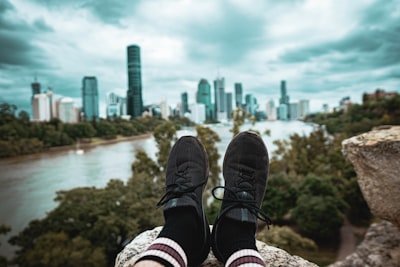
- Kangaroo Point Cliffs: For that dramatic city skyline shot with the river winding through it.
- South Bank Parklands: The Ferris Wheel, the Arbour, and Streets Beach (a man-made beach in the city!) offer countless photo ops.
- CityCats on the River: Capture the city from a different perspective as you cruise along.
- Street Art Laneways: Fish Lane, Bakery Lane, and Winn Lane for vibrant, colourful backdrops.
- Mount Coot-tha Lookout: The classic panoramic shot of Brisbane.
- New Farm Park: With its iconic jacaranda trees (when in bloom) and the Brisbane Powerhouse in the background.
Budget Travel Tips
Brisbane can be pricey, but it doesn't have to break the bank.
- Utilise Free Transport: Seriously, the CityHopper and City Loop Bus are incredible for seeing the city without spending a cent on transport.
- Free Activities: Explore the Botanic Gardens, Roma Street Parkland, South Bank Parklands, QAGOMA (Queensland Art Gallery | Gallery of Modern Art – free entry to permanent collections), and walk across the Story Bridge.
- Cook Your Own Meals: Stay in accommodation with a kitchen and hit up supermarkets (Coles, Woolworths, Aldi) for groceries. This is a huge money-saver.
- "BYO" Restaurants: Many restaurants, especially smaller ones, are "Bring Your Own" alcohol, meaning you can buy a bottle of wine from a bottle shop and bring it along for a small corkage fee, saving a lot on drink markups.
- Look for Lunch Specials: Many cafes and restaurants offer cheaper lunch deals compared to dinner prices.
- Hostels: Brisbane has some excellent hostels (e.g., City Backpackers HQ, Brisbane City YHA) that are clean, social, and offer dorms or private rooms.
Local Travel Hack: Check out
Brisbane Greeters. These free, volunteer-led walking tours are fantastic for getting an authentic local perspective and discovering hidden gems you wouldn't find otherwise.
Hotels & Accommodation
Brisbane offers a range of options for every budget and style.
- CBD (Central Business District): Great for business travellers and those who want to be in the heart of the action, close to shopping and transport. Lots of hotels, from luxury to mid-range.
- South Bank: My personal favourite. Across the river from the CBD, it's buzzing with restaurants, cultural institutions (QAGOMA, Queensland Performing Arts Centre), and the beautiful parklands. Excellent for families and those who want a lively atmosphere.
- Fortitude Valley ("The Valley"): Known for its nightlife, live music venues, trendy bars, and boutique shopping. Ideal for younger travellers or those looking for a vibrant, slightly edgy vibe.
- West End: Bohemian, eclectic, and full of independent cafes, restaurants, and quirky shops. More of a local neighbourhood feel, good for budget travellers and those wanting something a bit different.
- Spring Hill/Roma Street: Often a bit quieter and more affordable than the CBD, but still very central and walkable.
Bike Rental / Car Rental
- Bike Rental: Brisbane is becoming increasingly bike-friendly with dedicated paths along the river and through parks.
- CityCycle: Brisbane’s public bike-sharing scheme. You can rent bikes from stations around the city. It’s affordable for short rides.
- Private Rentals: Several shops offer daily or weekly rentals if you want a more robust bike or longer excursions.
Local Travel Hack: For a truly scenic ride, hire a bike and cycle the dedicated paths around South Bank and across the Goodwill Bridge towards the Botanic Gardens. It's flat and beautiful.
- Car Rental: If you plan on sticking to the city, I'd say skip the car. Parking is expensive and traffic can be annoying. However, if you're planning day trips to the Gold Coast, Sunshine Coast, Toowoomba, or the hinterland, then a car is essential.
- Major Companies: Hertz, Avis, Budget, Europcar, Enterprise all have offices at the airport and in the CBD.
- Local Tip: Book in advance, especially during peak seasons. Remember we drive on the left!
Best Cafes in Brisbane
Prepare for some seriously good coffee and brunch!
- Felix For Goodness (CBD): A personal favourite. Incredible breakfast and lunch, focus on fresh, healthy ingredients. The coffee is spot on.
- John Mills Himself (CBD): Tucked away down a laneway, this place is a Brisbane institution. Great coffee, relaxed vibe, and a small but delicious food menu.
- Nodo Donuts (Various locations, including CBD, Newstead): Gluten-free baked donuts that are genuinely delicious. Their coffee is excellent too.
- Merriweather (South Brisbane): Casual, friendly, and always buzzing, perfect for a post-QAGOMA coffee or a relaxed brunch.
- Bunker Coffee (Milton): A truly unique spot in an old air raid shelter. Amazing coffee, often with a rotating selection of beans.
Best Nightlife Areas
Brisbane knows how to have a good time.
- Fortitude Valley ("The Valley"): This is Brisbane's main entertainment precinct. It’s got everything: mega nightclubs, live music venues (The Tivoli, The Zoo), dive bars, rooftop bars (e.g., Cielo Rooftop), and plenty of trendy restaurants. Expect it to be lively, especially on weekends.
- West End: A more relaxed, bohemian nightlife scene. Think cosy pubs, craft beer bars, and smaller live music venues. Boundary Street is the main artery here.
- South Bank: Offers a more sophisticated experience with riverside bars and restaurants, perfect for a cocktail with a view (e.g., Riverbar & Kitchen).
- CBD: A mix of sophisticated cocktail bars and traditional pubs. Check out Eagle Street Pier for riverfront dining and drinks.
Shopping Guide
Whether you're after high fashion or quirky souvenirs, Brisbane has you covered.
- Queen Street Mall (CBD): The heart of Brisbane's retail. It's a pedestrian mall with major department stores (Myer, David Jones), international brands, and a variety of boutiques.
- James Street (Fortitude Valley): My go-to for more curated, upscale shopping. Think designer boutiques, independent fashion labels, homeware stores, and excellent cafes. It’s a beautifully styled precinct.
- Davies Park Market (West End, Sat mornings): For local produce, crafts, and food stalls.
- The Collective Markets (South Bank, weekend evenings): For artisan goods, jewellery, and unique gifts.
- Eat Street Northshore (Hamilton, Fri/Sat/Sun evenings): More about food, but there are often craft stalls too.
Internet & WiFi Availability
You'll generally find it easy to stay connected.
- Free City Wi-Fi: Brisbane offers free public Wi-Fi hotspots in the CBD, South Bank, and other major public areas. It's usually good enough for checking emails and light browsing.
- Cafes & Restaurants: Most cafes, restaurants, and bars offer free Wi-Fi for customers. Just ask for the password.
- Accommodation: Hotels and hostels almost always provide Wi-Fi, though sometimes it's an extra charge in budget hotels.
- Shopping Centres: Most large shopping centres offer free Wi-Fi.
- SIM Card: As mentioned, getting a local SIM is the most reliable way to have consistent internet access on the go.
Best Apps For Travelers
Streamline your Brisbane adventure with these essential apps:
- TransLink: For all public transport planning, timetables, and real-time updates. An absolute must-have.
- Google Maps: For walking directions, public transport, driving, and finding everything from cafes to ATMs.
- Uber/Didi/Ola: For rideshare services, often cheaper than taxis and very reliable.
- TableCheck / OpenTable / TheFork: For making restaurant reservations, especially for popular spots on weekend evenings.
- Weatherzone / BOM (Bureau of Meteorology): For accurate weather forecasts, essential for planning outdoor activities and knowing about those afternoon storms.
- Wikicamps Australia: If you're venturing out of the city in a campervan, this is invaluable for finding campsites, water, and facilities.
One Day Budget Estimate (Per Person)
This is a realistic estimate for a mid-range traveller, assuming you're not going crazy but also not strictly backpacking.
| Category | Low Budget (AUD) | Mid-Range (AUD) | High-End (AUD) |
| :--------------------- | :--------------- | :-------------- | :------------- |
| Accommodation (Hostel/Budget Hotel) | 35-60 | 80-150 | 200+ |
| Food (3 meals + coffee) | 30-50 (supermarket/street food) | 60-100 (cafes/restaurants) | 120-200+ (fine dining) |
| Local Transport | 10-15 (Go Card) | 10-15 (Go Card) | 20-30 (occasional taxi/rideshare) |
| Activities/Sightseeing | 0-20 (free parks/galleries) | 30-70 (museum/tour) | 80-150+ (Story Bridge climb/day trip) |
| Miscellaneous | 5-10 | 10-20 | 20-50+ |
|
Total Daily Estimate |
80-155 |
190-355 |
440-630+ |
Practical Example: On a mid-range budget, you might stay in a nice boutique hotel in South Bank (AUD$120), have breakfast at a cafe (AUD$20), grab a casual lunch (AUD$25), take a CityCat ferry for sightseeing (AUD$5 with Go Card), visit QAGOMA (free), have dinner at a mid-range restaurant (AUD$40), and maybe a drink (AUD$15). Total: AUD$225.
Local Transportation Costs (Go Card Fares for 1 Zone)
Brisbane is mostly a 1-zone city for core tourist activities. Fares are based on zones travelled.
| Journey Type | Go Card (Peak) | Go Card (Off-Peak) | Paper Ticket (Full Fare) |
| :--------------------- | :------------- | :----------------- | :----------------------- |
| Adult Single | AUD$3.36 | AUD$2.68 | AUD$5.10 |
| Concession Single | AUD$1.68 | AUD$1.34 | AUD$2.50 |
| Daily Cap (Adult) | AUD$10.08 | AUD$10.08 | AUD$12.00 |
| Weekly Cap (Adult) | AUD$50.40 | AUD$50.40 | N/A |
- Peak times: 6am-8:30am and 3:30pm-6pm on weekdays.
- Off-peak times: All other times, including weekends and public holidays.
Practical Tourist Mistake: Don't buy paper tickets if you plan to use public transport more than once. The savings with a Go Card are significant, even for just a few trips. The AUD$10 refundable deposit is quickly recouped.
FAQ Section
Q: Is Brisbane walkable?
A: The CBD and South Bank areas are very walkable, and connecting bridges make it easy to cross the river on foot. To explore further or between major precincts, you'll want to use public transport.
Q: What's the deal with tipping in Australia?
A: Tipping is not customary or expected. Wages are generally fair. If you receive exceptional service, you can leave a small tip (e.g., rounding up the bill), but it's entirely up to you.
Q: Are there dangerous animals I need to worry about in the city?
A: In the city centre, no. You might see a few harmless lizards. If you venture into more natural bushland areas, be aware of snakes and spiders, but they usually avoid humans. Always be mindful of magpies swooping during nesting season (August-October), though they're more annoying than dangerous.
Q: What should I pack for Brisbane?
A: Light, breathable clothing (cotton, linen), swimwear, good walking shoes, a hat, sunglasses, sunscreen, and a reusable water bottle. In autumn/winter, add a light jacket or jumper for evenings. Don't forget bug repellent if you plan on being near water, especially at dusk!
Q: Is it safe to drink tap water?
A: Absolutely! Australian tap water is safe and of excellent quality. Bring a reusable bottle and fill up often.
Q: How many days should I spend in Brisbane?
A: I'd recommend at least 3-4 full days to cover the main city attractions and get a feel for its vibe. If you want to include day trips (like to North Stradbroke Island or the Gold Coast), plan for 5-7 days.
There you have it, folks – my comprehensive, real-talk guide to Brisbane. This city truly offers something for everyone, and I hope this helps you uncover its unique charm, just as I have. Go explore, eat delicious food, soak up the sun, and make some incredible memories. Brisbane is waiting for you!
Explore More
About The Author
Devendra is a travel researcher and tourism content creator
sharing practical international travel guides,
budget travel tips,
visa information,
and destination insights for travelers worldwide.