Lima Tourism Guide 2026 – Hotels, Food & Attractions
Welcome to Lima: My Honest, Unfiltered Guide to Peru's Culinary Capital!
Alright, fellow adventurers, let's talk about Lima. When most people think of Peru, their minds often leap straight to Machu Picchu and the Inca Trail, right? But trust me, skipping Lima would be like going to Paris and missing the Louvre – it’s a huge, vibrant, often misunderstood city that’s absolutely bursting with flavor, history, and a uniquely Peruvian charm that will totally get under your skin.
I've spent a lot of time exploring Lima, getting lost in its sprawling districts, navigating its insane traffic, and (most importantly) eating my way through its incredible food scene. It’s not always polished, sometimes it’s a bit gritty, but it’s real, it’s alive, and it offers an authentic slice of Peruvian life you won't find anywhere else. Forget what you think you know about capital cities; Lima is a beast of its own, and I'm here to help you tame it (and love every minute!).
Best Time To Visit
Honestly, Lima's weather is a bit… moody. It sits right on the coast, so it’s often blanketed in a fine mist known as *garúa* from April/May through October/November. During these months, expect cooler temperatures, overcast skies, and a damp chill that might surprise you. Don't worry, it rarely rains *hard*, but it can feel perpetually grey.
- Summer (December to March): This is when Lima truly shines! The *garúa* lifts, the sun comes out, and the city transforms. Temperatures are warm and pleasant, perfect for strolling along the *malecón* (cliffside promenade) or hitting the beach (though Lima's beaches are more for surfing than sunbathing). This is peak season, so expect more crowds and slightly higher prices.
- Shoulder Seasons (April-May & November-December): These are fantastic times if you want to avoid the peak summer crowds but still catch some good weather. May can still offer sunny days before the *garúa* fully settles in, and early December often sees clearer skies before the full summer rush.
My Personal Take: If you can swing it, aim for summer. The energy is different, more vibrant, and the city just feels happier under the sun. Otherwise, pack layers and embrace the atmospheric *garúa* – it has its own melancholic beauty, especially overlooking the Pacific.
Visa Information
For most visitors from North America, Europe, Australia, and many other countries, you won't need a visa for tourist stays of up to 90 days. You'll typically get a stamp upon arrival at the airport.
Always check the latest requirements with your country's Peruvian embassy or consulate before you travel, as rules can change. Make sure your passport is valid for at least six months beyond your planned departure date. It’s pretty straightforward for most, but a quick check saves a world of hassle.
Airport Guide: Jorge Chávez International Airport (LIM)
Lima's airport, Jorge Chávez International (LIM), is fairly modern and efficient, especially for South American standards. It’s about 10-15 kilometers from the main tourist areas like Miraflores and Barranco, but don't let that short distance fool you – traffic can make it feel a lot further!
- Arrivals: Once you clear immigration and customs, you'll find the typical amenities: duty-free shops, currency exchange booths (rates aren't great, more on that later), and car rental desks. There are also official taxi stands just outside customs.
- Departures: LIM has a good selection of shops, restaurants (including some well-known Peruvian chains), and cafes both before and after security. There's usually free Wi-Fi, though it can be spotty.
Pro-Tip: Don't linger too long in the arrivals hall. Get your bags and head out. It can get quite crowded and chaotic.
Airport To City Transport: Don't Get Scammed!
This is where your Lima adventure truly begins, and where your first tourist mistake can easily happen if you're not careful.
- Official Airport Taxis (Tourist Mistake #1 Avoidance!): As you exit customs, you'll be bombarded by drivers offering taxis. DO NOT take unofficial taxis from random people shouting "taxi!" Look for the official airport taxi company kiosks (e.g., Taxi Green, CMV). They have fixed rates to different districts (e.g., Miraflores, Barranco) and their cars are secure. Expect to pay S/60-S/80 (about $16-$22 USD) to Miraflores or Barranco. This is the safest and most reliable option, especially if it's your first time or you're arriving late.
- Airport Express Lima Bus: This is a fantastic, budget-friendly option. It's a comfortable, air-conditioned bus that runs regularly between the airport and various stops in Miraflores (including right by Kennedy Park) and San Isidro. It costs around S/20-S/25 ($5-7 USD) one-way. You can buy tickets online or at their desk in the arrivals area. It's safe, reliable, and has free Wi-Fi. I've used it countless times and highly recommend it, especially if your accommodation is near one of its stops.
- Ride-Sharing Apps (Local Hack #1): If you have a working SIM card and data (we'll get to that!), Uber, Didi, and InDriver are widely used and often cheaper than official airport taxis, usually around S/40-S/60. The trick is that ride-share drivers *cannot* pick up directly outside the airport terminal. You'll need to walk a few minutes *outside* the airport grounds to a designated pick-up point (often near the 'Grifo' or gas station across the street). This takes a bit of local know-how, so I'd only recommend it if you're comfortable navigating a bit immediately after arrival.
My Experience: I usually go for Airport Express Lima if I'm solo and my hostel is near a stop. If I'm with friends or arriving late, an official airport taxi is worth the extra cost for peace of mind. Never, ever, take a random street taxi from the airport.
SIM Card Guide
Getting a local SIM card is essential for navigating Lima, especially if you plan to use ride-sharing apps, Google Maps, or look up restaurant reviews on the go.
- Where to Buy: Avoid buying at the airport; the prices are inflated, and often the activation process is rushed or incomplete. Local Hack #2: Head to an official store of a major provider like Claro or Movistar in any shopping mall (Larcomar in Miraflores, Jockey Plaza, etc.) or on major streets.
- What to Ask For: Ask for a "chip prepago" (prepaid SIM card) with a data package. Tell them how many gigabytes you think you'll need. A 5GB or 10GB package is usually more than enough for a week or two and costs around S/30-S/50 ($8-$14 USD).
- Activation: They will usually activate it for you in the store, using your passport for registration. Make sure they test it before you leave!
- Claro: Generally considered to have the best coverage and speed, especially outside the city. My personal favorite.
- Movistar: Also very good, comparable to Claro.
- Bitel/Entel: Often cheaper, but coverage can be patchier in some areas.
Tourist Mistake #2: Buying a SIM card from a random kiosk or street vendor. These might not be properly registered, could stop working, or charge you more. Stick to official stores!
Currency Exchange Tips
Peru's currency is the
Sol (S/). Always carry some cash, especially smaller denominations (S/10, S/20 bills, and S/1, S/2, S/5 coins).
- ATMs: Widely available in tourist areas and shopping centers. Look for ATMs inside banks for better security (avoid standalone ones on the street). GlobalNet and BCP are common banks. Beware of high transaction fees (S/15-S/20 per withdrawal) and always decline the ATM's offer to convert to your home currency – your bank at home will give you a better rate.
- Casas de Cambio (Exchange Houses): You'll find many legitimate exchange houses on major streets like Avenida Larco in Miraflores. Their rates are generally better than the airport or hotels. Always count your money carefully before leaving the counter.
- Street Exchangers: You'll see people on the street (often wearing vests) exchanging money. While often legitimate and offering decent rates, I personally avoid them due to security concerns. It's safer to use an official *casa de cambio*.
- Credit Cards: Accepted in most hotels, upscale restaurants, and major stores. However, many smaller eateries, market stalls, and independent shops are cash-only.
Local Hack #3: Always carry small bills (S/10, S/20) and coins. Many taxi drivers, street vendors, and small shops won't have change for S/50 or S/100, which can be frustrating. "No tengo cambio" (I don't have change) is a common phrase you'll hear.
Public Transport Guide: The Lima Hustle
Navigating Lima's public transport can be an experience in itself! It's chaotic but efficient once you get the hang of it.
- Metropolitano: This is Lima's Bus Rapid Transit (BRT) system. It runs on dedicated lanes, making it the fastest way to travel north-south through the city, connecting Barranco, Miraflores, San Isidro, and the historic center. You need a reloadable card (tarjeta del Metropolitano) which costs S/4.50 and can be purchased and topped up at any station. Each ride costs S/3.20. It gets *very* crowded during rush hour, but it’s clean and reliable.
- "Combis" and "Micros": These are the ubiquitous vans and small buses that weave through every street. They're cheap (S/1-S/3 per ride, depending on distance), often loud, and can be an adventure. They usually have a person hanging out the door yelling destinations. While an authentic experience, they can be confusing for non-Spanish speakers and aren't always the safest in terms of driving style. I recommend starting with the Metropolitano or ride-sharing apps first.
- Taxis / Ride-Sharing Apps: Your best friend for getting around comfortably and safely, especially after dark.
- Uber, Didi, InDriver: These are the most common. InDriver allows you to propose your fare, which can sometimes get you a better deal, but Uber and Didi offer fixed, transparent prices. I always use these for convenience and safety.
- Street Taxis: These are unmarked cars or cars with a "Taxi" sign. If you hail one, always agree on the price *before* getting in. They rarely use meters. Bargain hard, especially if you're obviously a tourist. For safety, especially at night, stick to ride-sharing apps.
Real-World Transport Issue: Traffic in Lima is LEGENDARY. What looks like a 15-minute drive on a map can easily take an hour during peak times. Always factor in extra travel time, especially if you have a flight or tour to catch. Plan your movements strategically.
Safety Tips: Be Smart, Not Scared
Lima is generally safe in the main tourist areas like Miraflores, Barranco, and San Isidro, but like any big city, petty crime is prevalent.
- Vigilance is Key: Always be aware of your surroundings, especially in crowded areas (markets, bus stations, busy streets).
- Keep your phone secure, not casually in your back pocket.
- Wear a cross-body bag or a money belt under your clothes.
- Don't flash expensive jewelry, cameras, or large sums of cash.
- Be extra careful when using your phone or camera in public, especially for photos – sometimes snatch-and-grabs happen.
- Night Safety: Stick to well-lit, populated areas at night. Always take a registered taxi or ride-sharing app (Uber/Didi/InDriver) after dark, even for short distances. Avoid walking alone in unfamiliar areas at night.
- Don't Resist: If, God forbid, you are robbed, do not resist. Your safety is worth more than your belongings.
- Trust Your Gut: If a situation feels off, remove yourself from it.
- Common Tourist Scams to Avoid:
- The "Friendly Local" Diversion: Someone might try to distract you (e.g., "Oh, you dropped something!" or splashing something on you) while an accomplice pickpockets you. Be wary of unsolicited help or distractions.
- Fake Police Officers: Very rare, but it happens. A "plainclothes officer" might ask to see your passport or wallet to check for drugs. Never hand over your wallet. Ask to go to the nearest police station (they usually back off). Real police officers will be in uniform.
- Overpriced Taxis: As mentioned, always agree on a price *before* getting into a street taxi.
- "Helpful" ATM Strangers: Decline help from anyone offering assistance at an ATM. They might be trying to skim your card or see your PIN.
Local Etiquette: Blending In
Peruvians are generally warm and friendly, and a little effort on your part goes a long way.
- Greetings: A simple "Hola" or "Buenos días/tardes/noches" is always appreciated. If you're introduced to someone, a handshake is standard.
- Punctuality: Latin American "hora" (time) is often more flexible than in other cultures. Don't be offended if someone is a little late, especially for social gatherings.
- Respectful Dress: While Lima is a modern city, especially in the more upscale districts, dressing respectfully (no overly revealing clothes, especially in churches or older neighborhoods) is generally appreciated.
- "Por favor" and "Gracias": Basic manners go a long way.
- Photography: Always ask permission before taking photos of people, especially in markets or more traditional areas.
- Restaurants: 10% is standard if a service charge isn't already included. In fancier places, 15% for excellent service.
- Taxis: Not expected to tip if you agreed on a price.
- Tour Guides: Around S/10-S/20 per person for a half-day tour, more for full-day.
Best Local Food: Beyond the Michelin Stars!
Lima is *the* culinary capital of South America, no exaggeration. While its world-renowned restaurants like Central and Maido are incredible (and worth the splurge if you can get a reservation!), the real magic often happens on the street, in local markets, and in humble *huariques*.
- Ceviche (Hidden Gem Food!): Yes, it's famous, but where do locals eat it? Local Recommendation: Head to Mercado de Surquillo N°1 (near Miraflores). Inside, you'll find small, bustling stalls serving incredibly fresh ceviche and *leche de tigre* for a fraction of the restaurant price. Try "Cevichería Bam Bam" – it’s legendary, no frills, just pure seafood bliss.
- Lomo Saltado: A Chinese-Peruvian (Chifa) stir-fry with beef, onions, tomatoes, and fries, usually served with rice. Comfort food perfection. Try it at a local *chifa* (Chinese restaurant) rather than a tourist trap.
- Aji de Gallina: Shredded chicken in a creamy, mildly spicy yellow pepper sauce, often served with rice, potatoes, and olives. So comforting!
- Anticuchos: Grilled beef heart skewers. Sounds adventurous, tastes absolutely delicious. Look for street vendors in Barranco in the evenings; they're often charcoal-grilled and served with a potato and corn.
- Chicharron Sandwich: A classic breakfast or lunch. Crispy fried pork, often served in a bun with sweet potato slices and a vibrant onion salsa (*salsa criolla*). Try a *chicharronería* like El Chinito (they have a few branches).
- Butifarra: A simple, yet divine, sandwich with jamón del país (country ham), *salsa criolla*, and sometimes lettuce, on a freshly baked bread roll. Perfect for a quick bite.
- Juice Stalls: In any market, you'll find incredible fresh fruit juice stalls. Try *maracuyá* (passion fruit), *lucuma* (a native fruit), or *chicha morada* (a sweet, spiced purple corn drink).
Local Hack #4: Ask hotel/hostel staff or friendly locals for their favorite "huariques." These are hole-in-the-wall eateries known only by word-of-mouth, serving incredible, authentic, and affordable food. Often they specialize in just one or two dishes.
Hidden Gems In Lima / Places Tourists Usually Miss
Beyond the main sights of Miraflores, Barranco, and the Historic Center, Lima has so much more to offer.
1.
Museo Pedro de Osma (Barranco): While you're in artsy Barranco, step into this stunning mansion. It houses an exquisite collection of colonial art, furniture, and silver from the 16th to 19th centuries. The building itself is a masterpiece, and it's far less crowded than other museums. It offers a peaceful glimpse into Lima's aristocratic past.
2.
Mercado Central and Barrio Chino (Chinatown): Forget the touristy souvenirs for a moment and dive into the bustling, vibrant Mercado Central. It's an assault on the senses (in the best way!) with everything from spices to clothing. Adjacent to it is Lima's vibrant Chinatown (*Barrio Chino*). It's one of the oldest Chinatowns in South America, packed with *chifas* (Chinese-Peruvian restaurants), unique shops, and a beautiful archway. It's a fantastic place for lunch and a sensory overload.
3.
Convento de Los Descalzos (Rímac): Tucked away in the Rímac district (a short, safe taxi ride from the historic center), this Franciscan convent dates back to the 16th century. It features beautiful cloisters, an impressive art gallery with colonial paintings, and a serene atmosphere. It feels like stepping back in time, far from the modern hustle.
4.
Parque de la Reserva & Circuito Mágico del Agua (The Magic Water Circuit) - beyond the show: While the water show itself is popular, the true "hidden gem" aspect is visiting the park during the day, or just before sunset, to experience it more like a local. Families stroll, couples relax, and the atmosphere is wonderfully unhurried. The fountains are still beautiful, and you can appreciate the scale without the evening rush. It's a great place for a picnic or a quiet walk.
5.
The Murals of Callao Monumental: A bit further afield, but absolutely worth the trip for art lovers and those seeking an edgier, revitalized neighborhood. Callao Monumental is an old, historic port area that has undergone an incredible transformation through street art and galleries. Take an Uber/Didi (it’s about a 30-45 min drive from Miraflores depending on traffic) and explore the vibrant murals, art galleries, and cafes. It still has a rough charm, so go during the day and stick to the main rehabilitated areas.
Best Instagram Spots
- Barranco's Puente de los Suspiros (Bridge of Sighs) and its colorful streets: A classic for a reason. The pastel colonial buildings, intricate street art, and the ocean views make for stunning photos.
- Parque Kennedy (Miraflores): Famous for its cat population, you can get some adorable candid shots here.
- Malecón de Miraflores: The cliffside promenade offers breathtaking views of the Pacific Ocean, especially at sunset. Look for the "Parque del Amor" with its Gaudí-esque mosaic benches and the famous "El Beso" statue.
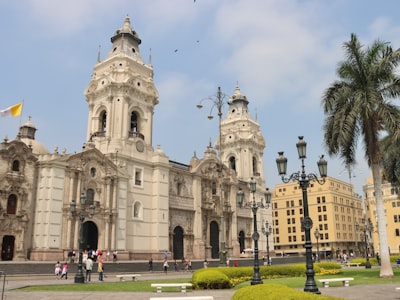
- Historic Center's Plaza Mayor (Plaza de Armas): The Presidential Palace, Cathedral, and beautiful colonial architecture create a grand backdrop.
- Huaca Pucllana (Miraflores): An ancient pre-Inca pyramid smack dab in the middle of a modern city. The contrast is fantastic for photos. Go for a sunset tour for epic lighting!
Budget Travel Tips
Lima doesn't have to break the bank, but you can definitely spend a lot if you're not careful.
- Food is Your Friend: Eat at *mercados* (markets) and *huariques* for incredible, authentic food at local prices. Look for "menú del día" (set lunch menu) specials for S/10-S/20.
- Public Transport: Utilize the Metropolitano bus system (S/3.20 per ride) and ride-sharing apps (Uber, Didi, InDriver) for competitive pricing.
- Accommodation: Hostels are plentiful and often high quality. Look for places in Miraflores or Barranco. Consider booking a place with a kitchen to cook some of your own meals.
- Walk the Malecón in Miraflores.
- Explore Parque Kennedy and Barranco's streets.
- Visit Plaza Mayor in the Historic Center.
- Beach strolls (though often grey and rocky, they're free!).
- Negotiate (Tourist Mistake #3 Avoidance!): In markets, especially for souvenirs, polite haggling is expected and often leads to a better price. Don't be rude, but don't accept the first price either.
Hotels & Accommodation
- Miraflores: This is the most popular district for tourists. It's safe, upscale, has plenty of restaurants, shops, and direct access to the oceanfront *malecón*. Great for first-timers. You'll find everything from luxury hotels to boutique hostels.
- Barranco: The bohemian, artsy neighborhood. It's full of colorful colonial mansions, street art, lively bars, and independent cafes. Great for nightlife, culture, and a slightly more "local" feel than Miraflores, while still being very safe. Excellent for boutique hotels and trendy hostels.
- San Isidro: More of a business district, but also very safe, green, and home to some of Lima's fanciest hotels and restaurants. Quieter than Miraflores or Barranco.
- Historic Center (Cercado de Lima): While it's great for sightseeing during the day, it's generally not recommended for accommodation, especially at night, as it can be less safe and lacking in evening amenities.
My Pick: For a good balance of safety, nightlife, and culture, I usually split my time between Miraflores and Barranco or just stay in one and explore the other daily.
Bike Rental / Car Rental
- Bike Rental: Yes, in Miraflores and Barranco, you can easily rent bikes (often hourly or daily). It's a fantastic way to explore the *malecón* and the two districts' interconnected paths. Some hotels and hostels offer rentals, or look for small shops near Parque Kennedy or along the *malecón*.
- Car Rental: I strongly advise against renting a car in Lima. The traffic is insane, driving culture is aggressive, parking is a nightmare, and navigating can be extremely stressful. Stick to ride-sharing apps and public transport. Unless you're planning extensive road trips *outside* Lima, it's simply not worth the headache.
Best Cafes
Lima has an emerging coffee scene!
- Tostaduría Bisetti (Barranco): A classic. Known for roasting their own beans and having a cozy, old-school vibe. Great for a proper coffee experience.
- Neira Café Lab (Miraflores): Modern, minimalist, and focuses on high-quality Peruvian specialty coffees. A fantastic spot for serious coffee lovers.
- Puku Puku Cafe (Various locations, including Miraflores & Barranco): Another excellent choice for specialty coffee from various Peruvian regions. They're environmentally conscious too.
- El Pan de la Chola (Miraflores): Not just a cafe, but a popular bakery with incredible sourdough bread and pastries. Their coffee is also top-notch.
Best Nightlife Areas
Lima really comes alive after dark!
- Barranco: This is my absolute favorite for nightlife. It's got a more bohemian, artistic vibe. You'll find lively bars with live music (especially *peñas* for traditional Peruvian folk music), trendy cocktail lounges, and casual pubs. Start around the main plaza and explore the streets around Puente de los Suspiros.
- Miraflores: Offers a more upscale and international nightlife scene. Larcomar (the cliffside shopping mall) has several bars and clubs, and there are many pubs and discos around Parque Kennedy. It caters more to a tourist crowd, but you can still find good spots.
- Calle de las Pizzas (Miraflores): A bit of a tourist trap these days, but still bustling with bars and clubs, often with promotions. Can be fun for a rowdy night out, but be extra vigilant about your belongings here.
Shopping Guide
- Mercado Inca (Miraflores): Your go-to for souvenirs! It's an outdoor market near Kennedy Park with countless stalls selling alpaca sweaters, textiles, pottery, jewelry, and other handicrafts. Local Hack #5: Haggle politely!
- Artesanías Paso Obligado (Barranco): A more curated selection of artisan goods than the Mercado Inca, often with higher quality and unique designs.
- Larcomar (Miraflores): An upscale, cliffside shopping mall with international and national brands, restaurants, and a cinema, all with stunning ocean views. Good for mainstream shopping.
- Jockey Plaza: One of the largest malls in Lima, located further inland. If you need anything specific or want serious retail therapy, this is your spot.
- Local Food Markets (e.g., Mercado de Surquillo N°1): Not just for food! You can find unique spices, local produce, and sometimes even small craft items. A true local experience.
Internet & WiFi Availability
Lima is well-connected.
- Hotels & Hostels: Almost all offer free Wi-Fi, usually decent speed.
- Cafes: Most cafes have free Wi-Fi for customers.
- Public Wi-Fi: Some parks (like Parque Kennedy) and shopping centers offer free Wi-Fi, but it can be less secure and unreliable.
- SIM Card: As mentioned, getting a local SIM card with data is the best way to ensure you're always connected.
Best Apps For Travelers
- Uber / Didi / InDriver: Essential for safe, reliable, and fairly priced transport.
- Google Maps: Invaluable for navigation (download offline maps!).
- Google Translate: Download Spanish for offline use. Super helpful for menus, conversations, and signs.
- WhatsApp: Peruvians use WhatsApp for everything – communication with tour guides, hostels, new friends.
- Rappi / PedidosYa: Local food delivery apps. Great for trying local restaurants without leaving your accommodation.
One Day Budget Estimate (Realistic, Mid-Range)
This is a rough estimate for one person focusing on good experiences without breaking the bank, assuming you're not staying in a luxury hotel or eating at Michelin-starred restaurants for every meal.
| Category | Cost (S/) | Cost (USD ~3.7 S/ to $1) | Notes |
| :------------------- | :-------- | :----------------------- | :------------------------------------------------------------------ |
|
Accommodation | S/80-150 | $22-40 | Mid-range hostel or budget hotel |
|
Breakfast | S/15-25 | $4-7 | Cafe or local breakfast spot |
|
Lunch (Menu del Día) | S/15-30 | $4-8 | Local eatery, market, or casual restaurant |
|
Dinner | S/40-80 | $11-22 | Good mid-range restaurant |
|
Drinks/Snacks | S/15-25 | $4-7 | Coffee, water, street snacks |
|
Local Transport | S/20-40 | $5-11 | 2-3 Metropolitano rides, 1-2 Uber/Didi rides |
|
Activities/Entry | S/30-60 | $8-16 | Museum entry, Huaca Pucllana tour, etc. |
|
Miscellaneous | S/20-40 | $5-11 | Souvenir, extra tip, unplanned small expense |
|
TOTAL (per day) |
S/235-450 |
$63-122 | This is a comfortable range. You can do it cheaper, or much more expensive! |
Local Transportation Costs
| Mode of Transport | Typical Cost (S/) | Notes |
| :------------------- | :---------------- | :--------------------------------------------------------------------------- |
|
Metropolitano Bus | S/3.20 | Requires a pre-paid card (S/4.50 one-time purchase). Fast, dedicated lanes. |
|
Local Bus/Combi | S/1-S/3 | Varies by distance. Cash only. Can be confusing. |
|
Uber/Didi/InDriver | S/10-S/30 | Short-medium distances (e.g., Miraflores to Barranco). Varies by demand/traffic. |
|
Taxi (Street Hailed) | S/10-S/40 | Always negotiate price BEFORE getting in. Riskiest option. |
|
Airport Express Lima | S/20-S/25 | Fixed rate from airport to Miraflores/San Isidro. |
|
Official Airport Taxi | S/60-S/80 | Fixed rate from airport to Miraflores/Barranco. Safest option from airport. |
FAQ Section
Q: Is Lima safe for solo female travelers?
A: Yes, generally. Stick to well-trafficked, tourist-friendly areas like Miraflores and Barranco, especially at night. Use ride-sharing apps, be aware of your surroundings, and trust your instincts. I've personally felt safe exploring these areas solo.
Q: Do I need to speak Spanish?
A: While many people in tourist areas (hotels, main restaurants) speak some English, knowing basic Spanish phrases will significantly enhance your experience and help you navigate local markets and eateries. Locals really appreciate the effort!
Q: What's the tap water situation?
A: Do not drink tap water in Lima. Always stick to bottled water. Many hotels provide complimentary water or have filtered water stations.
Q: What about altitude sickness?
A: Lima is at sea level, so you won't experience altitude sickness here. However, if you're heading to Cusco or other Andean regions afterwards, be prepared for it.
Q: How many days should I spend in Lima?
A: I'd recommend at least 2-3 full days to truly experience the highlights and get a taste of its diverse districts. If you're a major food or history buff, you could easily fill 4-5 days.
Q: Are there beaches in Lima?
A: Yes, there are beaches, mostly rocky and popular with surfers. They're not the white-sand, sunbathing type of beaches you might imagine. They can be good for a stroll or watching the waves, but generally, swimming isn't highly recommended due to pollution in some areas.
There you have it, folks – my honest, no-holds-barred guide to Lima. It’s a city that asks you to lean in, to embrace the chaos, and to taste everything. If you do, I promise it’ll reward you with an unforgettable adventure. Go forth, explore, and eat well!
Explore More
About The Author
Devendra is a travel researcher and tourism content creator
sharing practical international travel guides,
budget travel tips,
visa information,
and destination insights for travelers worldwide.