Sydney Budget Travel Guide 2026 – Complete Australia Travel Guide
Sydney on a Shoestring: Your Ultimate Budget Travel Guide to Australia's Iconic City
Sydney, Australia – the very name conjures images of sparkling harbours, iconic sails, and sun-drenched beaches. It’s a city that tops many a bucket list, promising unforgettable experiences. However, it also carries a reputation for being one of the world's most expensive cities, a notion that often deters budget-conscious travellers. But what if we told you that experiencing the magic of Sydney doesn't have to drain your savings? With careful planning, savvy choices, and a bit of insider knowledge, you can absolutely explore Sydney on a shoestring, enjoying its world-class attractions, stunning natural beauty, and vibrant culture without breaking the bank.
This comprehensive guide is your essential companion for navigating Sydney’s wonders economically. From finding affordable accommodation and feasting on cheap eats to uncovering free activities and mastering budget-friendly transportation, we'll equip you with all the practical tips and detailed insights you need to make your Sydney adventure both unforgettable and affordable. Get ready to discover how to embrace the laid-back Aussie lifestyle, soak in breathtaking views, and create lasting memories in one of the world's most beautiful cities, all while keeping a healthy tab on your wallet.
Is Sydney *Really* That Expensive? Dispelling the Myths
Let's address the elephant in the room: yes, Sydney can be pricey if you don't know where to look. Accommodation, fine dining, and specific tours can indeed come with a hefty price tag. However, much of Sydney's true charm lies in its natural beauty and accessible public spaces, many of which are completely free to enjoy. The city boasts an incredible array of parks, beaches, coastal walks, and world-class museums with free general admission, proving that many of its best experiences don't cost a cent.
The perception of Sydney's expense often comes from luxury travellers or those who don't research budget alternatives. With this guide, we'll show you how to bypass the high-end traps and dive into the authentic, affordable Sydney that many locals and seasoned backpackers cherish. It's about smart choices, embracing public transport, enjoying picnics with harbour views, and soaking up the atmosphere rather than paying for every single attraction.
When to Visit Sydney on a Budget
Timing your trip can significantly impact your budget. Sydney experiences four distinct seasons, each with its pros and cons for budget travellers:
- Summer (December-February): Peak season. Hot, humid, and bustling with tourists. Accommodation and flight prices soar, especially around Christmas, New Year's Eve, and the Australian Open. Unless you're specifically coming for these events, it's best to avoid if budget is your priority.
- Autumn (March-May): Often considered the sweet spot. The weather is beautiful – warm, sunny days and mild evenings – perfect for exploring. Tourist numbers begin to dwindle after the summer rush, leading to potentially lower prices for flights and accommodation. Look out for Vivid Sydney in May/June, which is mostly free to experience, but accommodation can be pricey.
- Winter (June-August): Off-peak season. Cooler temperatures, but often sunny and crisp days, perfect for walking and sightseeing without the summer heat. This is typically the cheapest time to visit, with fewer crowds and better deals on flights and hotels. Pack layers!
- Spring (September-November): Another excellent shoulder season. Similar to autumn, with warming temperatures, blooming gardens, and fewer crowds than summer. Prices are more manageable, making it an ideal time for budget exploration before the peak season begins.
Budget Tip: Aim for the shoulder seasons (autumn or spring) for a balance of good weather and reasonable prices. If you don't mind cooler temperatures, winter offers the best potential for savings. Always check for major events that might inflate prices, regardless of the season.
Budget Accommodation in Sydney: Where to Rest Your Head Without Breaking the Bank
Finding affordable lodging is often the biggest hurdle for budget travellers in Sydney. While luxury hotels abound, plenty of budget-friendly options exist if you know where to look. The key is often to book well in advance, especially during popular seasons, and be open to staying slightly outside the immediate city centre.
Hostels: The Backpacker's Best Friend
Sydney boasts a fantastic array of hostels, catering to solo travellers, groups, and even couples looking for private rooms. They offer not just a bed but also a community, often with shared kitchens (huge for saving on food!), common areas, and organised activities.
- YHA Australia: Renowned for its clean, reliable, and well-located hostels. The Sydney Harbour YHA in The Rocks offers unparalleled views and a fantastic location, while Sydney Central YHA is right above Central Station, perfect for transport.
- Wake Up! Sydney Central: Consistently rated highly, located opposite Central Station. Known for its lively atmosphere, modern facilities, and on-site bar/cafe.
- The Pod Sydney: A newer option offering capsule-style beds for a bit more privacy and a modern feel, located near Town Hall.
- Bondi Beach Hostels: If you dream of waking up near the sand, hostels like Noah's Bondi Beach or Bondi Backpackers offer direct access to the iconic beach, though they can be pricier than city alternatives.
Budget Tip: Look for hostels with free breakfast, communal kitchens, and laundry facilities. Consider a private room in a hostel if travelling as a couple – it can sometimes be cheaper than a budget hotel.
Budget Hotels and Motels
While a central hotel might seem out of reach, you can find decent budget hotels and motels, especially if you venture a little further from the absolute core of the CBD (Central Business District). Suburbs like Ultimo, Chippendale, Surry Hills, Glebe, and Potts Point are good starting points. They offer good public transport links and a more local vibe. Look for independent motels or smaller chains that might offer better rates. Booking sites often have "secret deals" or last-minute discounts worth checking.
Airbnb/Guesthouses: A Homely Touch
Airbnb can be a mixed bag for budget travellers. Entire apartments can be expensive, but renting a private room in a local's home can be incredibly cost-effective. This option often provides a more authentic experience and access to kitchen facilities. Look for hosts with good reviews and locations slightly outside the CBD but close to public transport. Guesthouses or B&Bs in residential areas can also offer charm and value.
Unique Budget Stays
For the truly adventurous or those with a car, consider camping in national parks just outside Sydney, such as those in the Royal National Park (though transport might negate some savings). During university holidays, some student accommodation might become available for short-term stays, offering basic but affordable rooms.
Savoring Sydney on a Shoestring: Cheap Eats and Culinary Adventures
Sydney's food scene is vibrant and diverse, but dining out can quickly deplete your budget. The trick is to eat like a local, embracing supermarkets, food courts, and budget-friendly eateries.
Supermarket Savvy: Your Kitchen Away from Home
This is your number one weapon against high food costs. Supermarkets like
Coles and
Woolworths are abundant, offering fresh produce, pantry staples, and ready-to-eat meals.
ALDI is an even more budget-friendly option, though less common in central Sydney.
- Breakfast & Lunch: Stock up on cereal, milk, bread, spreads, fruit, and ingredients for sandwiches. Making your own meals, even just breakfast and lunch, will save you a fortune.
- Dinner: Plan simple meals in your hostel kitchen. Pasta, rice dishes, salads, and grilled items are easy and cheap. Look for specials and clearance items at supermarkets, especially towards closing time.
Food Courts & Markets: Global Flavours on a Budget
Sydney's food courts are a treasure trove of affordable and delicious meals, offering a vast range of cuisines from around the world.
- Spice Alley (Central Park, Chippendale): An absolute must-visit. This outdoor food court offers incredible Asian street food from various vendors at very reasonable prices. It's BYO alcohol too!
- Paddy's Markets Food Court (Haymarket): Below the famous markets, you'll find a bustling food court with cheap and cheerful Asian fare, perfect for a quick, filling meal.
- Westfield Sydney/Pitt Street Mall Food Courts: Upscale shopping centres often have extensive food courts with diverse options, many offering lunch deals.
- Local Markets: Check out local weekend markets (e.g., Glebe Markets, Bondi Markets) for food trucks and stalls offering unique and often cheaper eats than traditional restaurants.
BYO Restaurants: Bring Your Own Booze
Many restaurants in Sydney operate on a "BYO" (Bring Your Own) basis, meaning you can bring your own wine or beer for a small corkage fee (usually $2-$5 per person). This is a massive money-saver, as alcohol markups in restaurants are substantial. Look for the "BYO" sign when scouting for dinner spots, particularly in areas like Surry Hills, Glebe, and Newtown.
Street Food & Takeaways
Embrace classic takeaway options:
- Fish & Chips: A quintessential Aussie experience. Grab some from a local fish & chip shop and enjoy them by the beach or a park.
- Kebabs & Bánh Mì: Fast, flavourful, and filling, these are excellent budget options.
- Bakery Treats: Australian bakeries offer delicious and affordable pies, sausage rolls, and sweet treats.
Happy Hour & Lunch Deals
Keep an eye out for happy hour specials (often 4-6 PM) at pubs and bars for discounted drinks and sometimes bar snacks. Many restaurants also offer special lunch menus or set prices that are significantly cheaper than their dinner counterparts.
Free & Frugal Fun: Unlocking Sydney's Best Experiences Without the Price Tag
Sydney shines brightest when it comes to free activities. Many of its most iconic sights and experiences don't cost a single cent, allowing you to soak in the city's beauty and culture without ever opening your wallet.
Iconic Walks & Scenic Views
- Bondi to Coogee Coastal Walk: This 6km clifftop path offers breathtaking ocean views, passing through stunning beaches, dramatic cliffs, and picturesque parks. It’s absolutely free and one of Sydney's most popular activities.
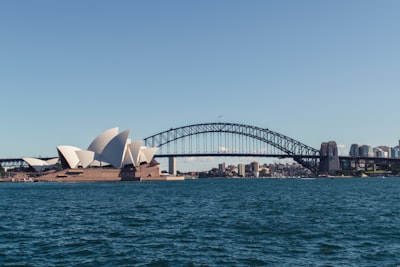
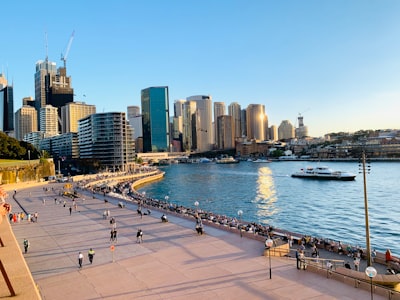
- Sydney Harbour Bridge Walk: Walk across the pedestrian pathway of the Sydney Harbour Bridge for incredible, panoramic views of the Opera House, Circular Quay, and the city skyline. Far cheaper than the Bridge Climb!
- Royal Botanic Garden Sydney: A tranquil oasis right next to the Opera House. Spend hours wandering through diverse plant collections, enjoying harbour views, and picnicking on the lawns. Free guided walks are often available.
- The Rocks Walking Tour (Self-Guided): Explore Sydney's oldest neighbourhood with its cobbled laneways, historic pubs, and convict history. There are free self-guided walking maps available online or at the visitor centre.
- Observatory Hill Park: Offers some of the best free views of the Harbour Bridge and Luna Park, especially at sunset. A perfect picnic spot.
Beach Bliss
Sydney is synonymous with beaches, and enjoying them is completely free!
- Bondi Beach: Iconic and bustling. Spend a day sunbathing, swimming (between the flags!), or people-watching.
- Manly Beach: A beautiful ferry ride away (more on that in transport), Manly offers a relaxed vibe, great surfing, and a charming beachfront promenade.
- Coogee Beach: The southern end of the famous coastal walk, perfect for a swim or relaxing by the ocean.
- Gordon's Bay: A hidden gem along the Bondi to Coogee walk, a picturesque small bay perfect for snorkelling.
Cultural Gems & Museums
Many of Sydney's top cultural institutions offer free general admission:
- Art Gallery of New South Wales (AGNSW): Home to an impressive collection of Australian, European, Asian, and Aboriginal art. General admission to permanent collections is free.
- Museum of Contemporary Art Australia (MCA): Located at Circular Quay, offers free entry to most of its exhibitions of contemporary Australian and international art.
- Australian National Maritime Museum (Darling Harbour): Free entry to the main galleries, with paid entry for specific exhibitions and vessels.
- Hyde Park Barracks Museum: Offers insights into Sydney's convict history; check for specific free entry days or events.
Window Shopping & People-Watching
- Circular Quay & Darling Harbour: Bustling hubs perfect for soaking up the atmosphere, watching ferries, street performers, and taking in the iconic sights.
- The Rocks: Explore its historic streets, browse artisan shops, and enjoy the weekend markets.
- Paddington Markets: On Saturdays, browse unique stalls, local crafts, and soak in the bohemian vibe.
Parks & Picnics
- Centennial Parklands: A massive urban park perfect for cycling, walking, picnicking, or just relaxing.
- Hyde Park: Sydney's oldest park, featuring the Anzac Memorial and Archibald Fountain, a great spot for a city escape.
Free Events & Festivals
Sydney's calendar is packed with free events. Check local listings, council websites, or "What's On" guides for free concerts in parks, public art installations, festivals (like Fringe Festival events, parts of Vivid Sydney), and community markets.
Getting Connected: Best SIM Card in Australia for Tourists
Staying connected is crucial for navigating, researching, and sharing your adventures. Australia has three main mobile network providers: Telstra, Optus, and Vodafone. All offer prepaid SIM cards that are ideal for tourists.
- Telstra: Generally considered to have the widest and most reliable coverage, especially if you plan to travel beyond major cities into more regional areas. However, their plans can be slightly more expensive.
- Optus: Offers excellent coverage in metropolitan areas and along major highways. Often seen as a good balance between coverage and price, with competitive prepaid plans.
- Vodafone: Strong coverage in urban centres and popular tourist destinations. Tends to offer some of the most budget-friendly plans with generous data allowances, making it a popular choice for city-focused travellers.
What to Look For in a Tourist SIM:
1.
Data Allowance: This is usually the most important factor. Look for plans with at least 20GB for a month if you plan to use maps, social media, and some streaming.
2.
Calls & Texts: Most prepaid plans include unlimited standard national calls and texts.
3.
Validity: Plans typically last 28 or 30 days, which is perfect for most tourist stays.
4.
International Calls: Some plans include a small allowance for international calls, which can be handy.
Where to Buy a SIM Card:
- Sydney Airport: You'll find stores for Telstra, Optus, and Vodafone right in the arrivals hall. While convenient, airport prices can sometimes be slightly higher.
- Supermarkets: Woolworths and Coles sell their own branded SIM cards (Woolworths Mobile, Boost Mobile - which uses Telstra's network, and Optus SIMs) which can be very competitive. ALDI also offers ALDI Mobile (on Telstra network).
- Telco Stores: Visit a dedicated Telstra, Optus, or Vodafone store in any shopping centre or on major streets. Staff can help you activate the SIM and choose the best plan.
- Convenience Stores/Newsagents: Some small shops also sell SIM cards, but the range might be limited.
Recommendation: For budget travellers primarily staying in Sydney and major cities,
Optus or
Vodafone often provide the best value with strong coverage. If you plan extensive regional travel, Telstra or Boost Mobile (which uses the Telstra network) might be worth the extra cost for peace of mind. Expect to pay around AUD $25-40 for a decent prepaid plan lasting 28-30 days. Remember to bring your passport for registration!
Navigating Sydney: Budget-Friendly Transport Options
Getting around Sydney efficiently and affordably is key to a successful budget trip. The city boasts an excellent public transport network that covers most major attractions.
Public Transport in Sydney: Your Lifeline to the City
Sydney's public transport system, managed by Transport for NSW, is integrated and efficient, comprising trains, buses, ferries, and light rail.
- The Opal Card: This is your best friend for public transport. It's a reusable smart card that you tap on and off when entering and exiting services.
- Daily and Weekly Travel Caps: You'll never pay more than a set amount per day or week, regardless of how much you travel. This is a huge saving! (e.g., around $17.80 daily cap, $50 weekly cap for adults as of writing, check latest rates).
- Sunday Cap: There's an incredible Sunday cap (around $8.05) allowing you to travel all day across the network for a flat fee – perfect for a day trip to Manly, Blue Mountains (via train), or just extensive city exploration.
- Off-Peak Fares: Get a 30% discount on train travel outside peak hours (weekdays 6:30-9:00 AM and 4:00-6:30 PM).
- Transfer Discounts: A discount applies when transferring between different modes of transport (e.g., bus to train) within a certain timeframe.
- Where to Buy/Top Up: Opal cards can be purchased and topped up at train stations, convenience stores (7-Eleven), newsagents, and some supermarkets. A minimum top-up of $20 is usually required initially.
- Contactless Payment: You can also use your contactless credit/debit card (Visa, Mastercard, Amex) or mobile wallet (Apple Pay, Google Pay) to tap on and off. The system automatically applies the same Opal fares and caps. This is a great option if you don't want to commit to an Opal card, but be aware of potential international transaction fees from your bank.
- Trains: The backbone of the network, connecting the CBD to surrounding suburbs and regions. Ideal for longer distances.
- Buses: Extensive network, great for getting to areas not covered by trains or for shorter hops within the city.
- Ferries: An iconic way to see Sydney Harbour! Essential for trips to Manly, Taronga Zoo, or just a scenic cruise. Often referred to as "the cheapest harbour tour."
- Light Rail: Connects the CBD with areas like Surry Hills, Central, Chinatown, and Dulwich Hill. Convenient for specific routes.
How to Use: Always remember to
tap on when starting your journey and
tap off when ending it. Forgetting to tap off will charge you the maximum fare.
Budget Transport Tips
- Walk, Walk, Walk: Sydney is incredibly walkable, especially around the CBD, Circular Quay, The Rocks, and Darling Harbour. Embrace walking to save money and discover hidden gems.
- Utilise Daily & Weekly Caps: Plan your travel to maximise the Opal card's daily or weekly caps. If you know you'll be travelling extensively, hitting the cap means free travel for the rest of that period.
- Sunday Funday: Take advantage of the super cheap Sunday cap for a big day of exploration.
- Off-Peak Travel: If your schedule allows, travel outside peak hours on trains to get the 30% discount.
- Ferry as a Sightseeing Tour: Instead of expensive harbour cruises, take a regular ferry service (e.g., to Manly or Watsons Bay) for stunning views at public transport prices.
- Avoid Taxis/Rideshares: Taxis and rideshare services like Uber and Didi are very expensive in Sydney, especially during surge pricing. Reserve them only for emergencies or late-night travel when public transport is limited.
Airport to City Transport Guide: Arriving Without the Hefty Price Tag
Getting from Sydney Airport (SYD) to the city centre can be surprisingly costly if you're not careful.
- Sydney Airport Link Train:
- Pros: Fastest option (around 13 minutes to Central Station). Trains run frequently.
- Cons: Very expensive due to an additional "station access fee." A single adult fare to Central can be around AUD $19-20. This quickly adds up for multiple people.
- Budget Tip: To save money, you can take the Airport Link one stop to Mascot or Wolli Creek stations (approx. $4-5), then switch to a regular public bus (e.g., Route 400 from Mascot) or a normal train service that doesn't incur the airport access fee. This requires a short walk or transfer but can save you significantly.
- Pros: Cheapest option. Takes you to Bondi Junction, passing through Mascot, Kingsford, and Randwick.
- Cons: Slower than the train (can take 45-60+ minutes depending on traffic and destination), less direct for the CBD.
- How to use: Tap on with your Opal card or contactless payment. From International Terminal, the bus stop is outside Arrivals.
- Shuttle Services (e.g., Airport Express, Con-x-ion):
- Pros: Door-to-door service, often cheaper than a taxi for solo travellers, especially if pre-booked.
- Cons: Slower than the train as it makes multiple stops, might involve waiting for other passengers.
- Budget Tip: Shop around online for the best deals and pre-book to guarantee a spot.
- Pros: Convenient, direct, good for groups splitting the fare.
- Cons: Most expensive option. Expect to pay AUD $45-70+ depending on traffic and destination.
- Budget Tip: Only consider if you are a group of 3-4 people and can split the cost, making it comparable to the Airport Link Train per person.
Overall Airport Strategy: For the absolute budget traveller, a combination of the Airport Link to Mascot/Wolli Creek then a bus or non-airport train offers the best value. For slightly more convenience without breaking the bank, a pre-booked shuttle is a good compromise.
Car Rental / Bike Rental options in Sydney
While public transport is excellent for exploring Sydney itself, you might consider renting a car or bike for specific purposes.
- When it makes sense: Primarily for day trips outside Sydney (e.g., Blue Mountains, Hunter Valley, Royal National Park) where public transport might be less convenient or involve long travel times. It's also suitable if you're travelling with a family or a group and can split fuel and rental costs. Driving within central Sydney is generally not recommended due to heavy traffic, expensive parking, and good public transport.
- Companies: Major international companies like Hertz, Avis, Budget, Thrifty, and Europcar operate at the airport and various city locations. For more budget-friendly options, look into local companies like Bargain Car Rentals or East Coast Car Rentals, but always check reviews and insurance details.
- Costs: Rental fees vary widely by vehicle type and duration. Factor in mandatory insurance (or excess reduction), fuel costs (petrol can be expensive), and critically, parking costs. Parking in Sydney CBD and popular areas is notoriously expensive (often $20-$30+ per hour or $50-$80+ per day), which can quickly negate rental savings.
- Car-Sharing: For very short-term needs (a few hours), car-sharing services like GoGet or Flexicar might be a more economical option if you're already a member or can sign up easily.
- When it makes sense: Excellent for exploring specific areas like Centennial Park, the foreshores of Sydney Harbour (e.g., around Olympic Park or Balmain), or a leisurely ride along the coastal paths (where permitted). It’s a fantastic way to get exercise and cover more ground than walking, especially on car-free routes.
- Rental Shops: You can find bike rental shops near major parks (e.g., Centennial Park), some hostels, and along popular cycling routes. Bike share schemes like Lime operate in some areas via an app.
- Safety: Sydney has some dedicated bike paths, but traffic can be busy elsewhere. Always wear a helmet (it's mandatory in Australia) and be aware of your surroundings.
- Pros: Environmentally friendly, great exercise, offers flexibility to stop wherever you like, can be cheaper than public transport for short distances if you're renting for a full day.
Budget Tip: For exploring Sydney city, stick to walking and public transport. Only consider car rental if you have specific out-of-city day trips planned and factor in all costs, especially parking. Bike rental is a fun, active way to explore specific scenic routes, not for general city commuting.
Smart Spending & Saving Strategies Across the Board
Beyond specific categories, here are general tips to keep your Sydney budget in check:
- Discount Passes & Vouchers: While multi-attraction passes (like the Sydney Pass or Merlin Annual Pass) can seem tempting, calculate if they genuinely save you money for *your specific itinerary*. If you plan to focus on free activities and only visit one or two paid attractions, individual tickets might be cheaper. Look for online discounts or combo deals directly from attraction websites.
- Tap Water is Safe: Australia has excellent quality tap water. Bring a reusable water bottle and refill it frequently to avoid buying expensive bottled water.
- ATMs & Currency Exchange: Avoid exchanging currency at the airport where rates are poor. Use ATMs at major banks (Commonwealth, Westpac, NAB, ANZ) for withdrawals, but be aware of potential fees from your home bank. Consider travel-friendly debit cards with no international transaction fees.
- Budgeting App: Use a budgeting app or a simple spreadsheet to track your daily expenses. This awareness can help you stay within your limits.
- Duty-Free: If you're a non-resident leaving Australia, you might be eligible for a refund of the Goods and Services Tax (GST) paid on goods over AUD $300 purchased from a single retailer. Look into the Tourist Refund Scheme (TRS).
- Travel Insurance: Never skimp on travel insurance. It's a crucial budget saver in case of emergencies, medical issues, or lost luggage, which can be far more expensive than the policy itself.
Itinerary Snapshot: A Budget-Friendly 3-Day Sydney Plan
Here’s an example of how you can experience Sydney’s highlights without spending a fortune over three days:
- Day 1: Iconic Harbour & History
- Morning: Arrive at Circular Quay (via public transport). Marvel at the Sydney Opera House and Sydney Harbour Bridge from the outside (free!). Stroll through the Royal Botanic Garden Sydney (free).
- Lunch: Picnic in the Botanic Gardens or grab a cheap bite at a supermarket.
- Afternoon: Explore The Rocks with a self-guided walking tour (free). Walk across the Sydney Harbour Bridge pedestrian path for incredible views (free).
- Evening: Enjoy the sunset from Observatory Hill Park (free). Dinner at Spice Alley for delicious and affordable Asian street food.
- Morning: Take a bus to Bondi Beach (Opal card). Swim, sunbathe, and soak in the famous atmosphere (free).
- Lunch: Grab a takeaway fish & chips or bring your own picnic to enjoy on the beach.
- Afternoon: Embark on the stunning Bondi to Coogee Coastal Walk (free). Enjoy the views and stop at various beaches along the way.
- Evening: Head back to the city. Visit the Art Gallery of New South Wales or the Museum of Contemporary Art (free general admission) before closing. Dinner at a BYO restaurant in Surry Hills or Glebe.
- Day 3: Manly & City Exploration
- Morning: On a Sunday (for the cheap cap!) or use your Opal daily cap, take the scenic ferry to Manly from Circular Quay. Enjoy the harbour views, then explore Manly's beach, shops, and promenade (ferry is public transport price).
- Lunch: Grab a cheap burger or bakery item in Manly, or a picnic by the beach.
- Afternoon: Return to the city. Explore Darling Harbour – watch street performers and enjoy the lively atmosphere (free).
- Evening: Walk through Hyde Park and see the Anzac Memorial. Enjoy your final budget-friendly meal, perhaps trying a different food court or a Happy Hour deal.
FAQs: Your Sydney Budget Travel Questions Answered
Q: Is Sydney walkable?
A: Yes, very! The CBD, Circular Quay, The Rocks, and Darling Harbour are all easily explored on foot. Many attractions are clustered together, and walking is the best way to discover the city's charm.
Q: What's the cheapest way to eat in Sydney?
A: Buying groceries from supermarkets (Coles, Woolworths, ALDI) and cooking in your hostel kitchen. Next best are food courts (Spice Alley, Paddy's Markets), street food, bakeries, and looking for lunch specials/happy hour deals.
Q: Can I see the Opera House for free?
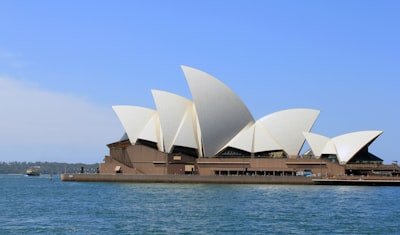
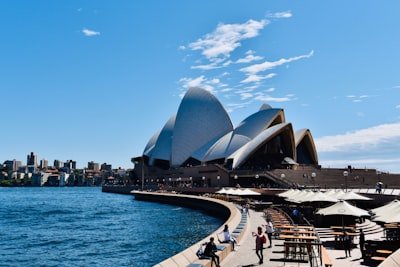
A: Absolutely! You can walk around its exterior, sit on its steps, and enjoy the views from Circular Quay, the Botanic Gardens, or the Harbour Bridge. Interior tours cost money, but the exterior experience is truly iconic and free.
Q: Is tipping customary in Australia?
A: No, tipping is not expected or customary in Australia. Service charges are included in prices, and staff are paid fair wages. You can round up or leave a small tip if you feel the service was exceptional, but it's entirely optional.
Q: What's the best time of year for budget travel to Sydney?
A: Winter (June-August) generally offers the lowest prices for flights and accommodation, though the weather is cooler. The shoulder seasons of autumn (March-May) and spring (September-November) offer a good balance of pleasant weather and reasonable prices compared to peak summer.
Q: How much money do I need per day for budget travel in Sydney?
A: A super-tight budget traveller staying in hostels, cooking most meals, and focusing on free activities could get by on AUD $50-70 per day. A more comfortable budget, allowing for some cheap meals out, public transport, and perhaps one paid attraction, would be AUD $80-120 per day. This excludes international flights.
Q: Do I need a visa for Australia?
A: Yes, most international visitors need a visa to enter Australia. Check the Australian Department of Home Affairs website for specific requirements based on your nationality. The Electronic Travel Authority (ETA) is available for eligible passport holders and is usually quick and inexpensive to obtain online.
Conclusion
Sydney on a budget isn't just possible – it's an incredibly rewarding way to experience this magnificent city. By embracing smart strategies for accommodation, food, transport, and activities, you can unlock Sydney's unparalleled beauty and vibrant culture without the hefty price tag. From soaking up the sun on Bondi Beach to marvelling at the Opera House from a free vantage point, enjoying cheap and delicious meals, and navigating the city like a local with your Opal card, you'll discover that Sydney’s best experiences are often the most affordable.
So, ditch the misconception that Sydney is only for the big spenders. Pack your bags, plan your adventures with this guide, and get ready to create incredible memories in one of the world's most captivating cities, all while keeping your budget happily intact. Your Sydney adventure awaits!