Santiago Travel Guide 2026 – Complete Chile Travel Guide
Discover Santiago, Chile: Your Ultimate Travel Guide to the Vibrant Capital
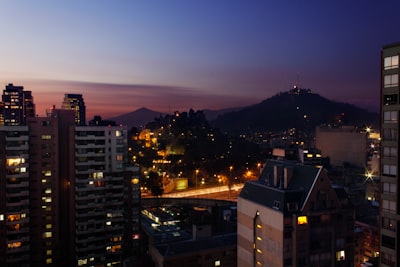
Nestled in a valley surrounded by the majestic snow-capped Andes Mountains to the east and the Chilean Coastal Range to the west, Santiago, Chile, is a city of stunning contrasts and vibrant energy. As one of South America's most modern and safest capitals, Santiago offers an intoxicating blend of colonial charm, cutting-edge gastronomy, world-class museums, bustling markets, and a thriving arts scene. It's a city where historic plazas meet sleek skyscrapers, bohemian neighborhoods buzz with creativity, and the crisp mountain air provides a constant reminder of nature's grandeur just beyond the urban sprawl.
Whether you're an intrepid backpacker, a culture enthusiast, a food lover, or a family seeking adventure, Santiago serves as the perfect starting point for exploring the diverse wonders of Chile. From its vibrant street art and historic churches to its burgeoning wine regions and proximity to renowned ski resorts, Santiago promises an unforgettable journey. This comprehensive travel guide is designed to equip you with all the practical information you need to navigate Santiago like a local, ensuring your visit is seamless, enjoyable, and packed with memorable experiences.
Introduction: Why Santiago Should Be Your Next South American Adventure
Santiago de Chile isn't just a stopover; it's a destination in itself, beckoning travelers with its unique rhythm and captivating beauty. The city’s dynamic culinary scene, influenced by indigenous traditions and international flavors, offers everything from delectable street food to Michelin-star-worthy dining experiences. Its cultural landscape is equally rich, boasting an impressive array of museums, theaters, and art galleries that tell the story of Chile's complex history and vibrant artistic spirit. Beyond the urban core, Santiago offers easy access to breathtaking natural landscapes – from the verdant vineyards of the Maipo Valley to the rugged beauty of Cajón del Maipo and the world-class ski slopes of Valle Nevado and Portillo. With its efficient public transport, friendly locals, and a growing tourism infrastructure, Santiago provides a welcoming and exciting entry point into the heart of South America.
Getting There: Your Gateway to Santiago
Your journey to Santiago will almost certainly begin at its modern international airport.
Santiago International Airport (SCL) – Arturo Merino Benítez International Airport
Santiago's airport, officially known as Arturo Merino Benítez International Airport (SCL), is the largest and busiest airport in Chile and a major hub for South America. Located about 15 kilometers (9 miles) west of downtown Santiago, SCL is well-equipped with amenities including duty-free shops, restaurants, currency exchange offices, ATMs, and car rental agencies. Upon arrival, you'll find various ground transportation options to take you to your accommodation.
Airport to City Transport Guide
Getting from Santiago's airport to the city center or your accommodation is straightforward, with several reliable and efficient options to suit different budgets and preferences.
- Shared Vans/Shuttles (TransVIP, Delfos):
- Description: These services offer shared rides directly to your hotel or address. You'll share the van with other travelers heading in the same general direction.
- Cost: Approximately CLP 7,000 - 9,000 (around USD $8-$10) per person.
- Journey Time: 45 minutes to 1.5 hours, depending on traffic and the number of stops.
- Pros: Door-to-door service, convenient if you have luggage, often cheaper than a private taxi.
- Cons: Can take longer due to multiple drop-offs, might wait for the van to fill up.
- How to Book: Booths are located just after customs in the arrivals hall. It's recommended to book inside the official booths to avoid unofficial touts.
- Buses (Centropuerto, Turbus):
- Description: The most economical option. Two main companies, Centropuerto and Turbus, operate regular bus services between the airport and various points in Santiago.
- Centropuerto: Buses depart every 10-15 minutes and terminate at Los Héroes Metro station (Line 1/2) in downtown Santiago, with several stops along Alameda Avenue (the main thoroughfare).
- Cost: Approximately CLP 2,000 (around USD $2.50) for a one-way ticket.
- Journey Time: 30-45 minutes to Los Héroes, depending on traffic.
- Turbus: Similar service, also going to Alameda Terminal and other key points.
- Cost: Similar to Centropuerto.
- Journey Time: Similar to Centropuerto.
- Pros: Very affordable, frequent departures, takes you to a major Metro hub for easy onward travel.
- Cons: Not door-to-door, requires an additional transfer (Metro or taxi) if your accommodation isn't near a bus stop.
- How to Book: Tickets can be purchased directly from the drivers or kiosks just outside the arrivals hall. The bus stops are well-marked.
- Taxis / Ride-sharing (Uber, Cabify, Didi):
- Official Taxis: You'll find authorized taxi booths inside the airport arrivals hall where you can pre-pay for a ride. This is safer than hailing an unofficial taxi outside.
- Cost: CLP 20,000 - 30,000 (around USD $22-$33) depending on your destination and traffic.
- Journey Time: 25-40 minutes.
- Ride-sharing Apps (Uber, Cabify, Didi): These are widely used in Santiago and generally offer competitive pricing. You'll need a local SIM card or airport Wi-Fi to request a ride.
- Cost: Usually CLP 15,000 - 25,000 (around USD $17-$28), varying with demand and time of day.
- Journey Time: Similar to official taxis.
- Pros: Direct to your destination, comfortable, convenient for groups or those with lots of luggage.
- Cons: Most expensive option, ride-sharing pick-up points at the airport can sometimes be a bit confusing (often they pick up from the departure level).
- How to Book: For official taxis, book at the authorized booths. For ride-sharing, use the respective app.
- Budget Transport Tips (combining bus and metro):
For the most budget-friendly option, take the Centropuerto or Turbus from the airport to a Metro station (e.g., Los Héroes, Pajaritos, or Estación Central). From there, you can connect to Santiago's extensive Metro system to reach your final destination. This combination is significantly cheaper than a taxi or shuttle and often just as fast, especially during peak traffic. You'll need to purchase a "Bip!" card for the Metro (see Public Transport section).
Getting Around Santiago: Navigating the City Like a Local
Santiago boasts an excellent public transportation system, making it easy and affordable to explore the city.
Public Transport in Santiago: Metro, Buses, and the Bip! Card
Santiago's public transport system, known as Red Movilidad (formerly Transantiago), is efficient, extensive, and relatively easy to use. It consists of a modern Metro (subway) system and a network of buses.
- Description: Santiago's Metro is the fastest, cleanest, and safest way to travel across the city. It has seven lines (L1-L7), each color-coded, covering most major attractions and neighborhoods. The trains are modern, and stations are generally well-maintained.
- Operating Hours: Roughly 6:00 AM to 11:00 PM on weekdays, with slightly different hours on weekends and holidays. Check the official Metro de Santiago website for precise times.
- Frequency: Trains are frequent, especially during peak hours (every 2-4 minutes).
- Avoid peak hours (7:30-9:30 AM and 5:30-7:30 PM) on Line 1 if possible, as it can get extremely crowded.
- Keep an eye on your belongings, especially in crowded stations and trains.
- Many stations feature public art installations, making them interesting to explore.
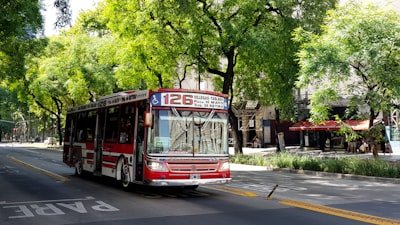
- Description: Buses complement the Metro, reaching areas not served by the subway and providing a comprehensive network. Buses are green, and routes are clearly displayed on electronic signs.
- Operating Hours: Generally from 5:30 AM to midnight, with some night services (buses with "N" prefix).
- Frequency: Varies by route, but generally frequent on major arteries.
- Google Maps is excellent for planning bus routes in Santiago.
- Always board at designated stops.
- You cannot pay cash on buses; you *must* use a Bip! card.
- Description: The Bip! card is Santiago's reloadable smart card that is essential for using both the Metro and bus system. You cannot pay with cash on buses, and Metro stations require the card for entry.
- Metro stations: Purchase from ticket booths or automated machines.
- Red Movilidad (formerly Transantiago) customer service centers.
- Some pharmacies and convenience stores (look for the Bip! sign).
- Cost: The card itself costs around CLP 1,550. You then load it with credit.
- Fares: Fares vary based on time of day (peak, normal, off-peak), ranging from CLP 640 to CLP 780 per journey. You can make transfers between buses and/or Metro within a 120-minute window, paying only one or a reduced additional fare for the subsequent trips.
- How to Use: Tap your Bip! card on the reader at the Metro entrance turnstile or when boarding a bus. Make sure you have sufficient balance.
- Recharging: You can recharge your Bip! card at Metro stations (booths or machines) or authorized points.
Car Rental / Bike Rental Options in Santiago
While public transport is excellent, sometimes a car or bike can offer more flexibility for specific excursions.
- Options: All major international car rental companies (Hertz, Avis, Budget, Europcar, Alamo, Sixt) have offices at Santiago Airport and in various city locations. Local companies are also available.
- Pros: Ideal for day trips outside Santiago (e.g., wine valleys, coast, mountains) or if you plan to explore remote areas. Offers maximum flexibility.
- Cons: Driving in Santiago can be challenging due to heavy traffic, aggressive drivers, and limited/expensive parking. An international driving permit (in addition to your home country's license) is often recommended or required. Theft can be a concern, so secure parking is vital.
- Tips: Book in advance, especially during peak season. Ensure your rental includes insurance. Be aware of toll roads ("Autopistas Urbanas") which use an electronic tag system (TAG). Rental cars typically come with a TAG, but confirm how tolls are paid (often added to your rental bill).
- Options: Santiago is becoming more bike-friendly, especially in certain neighborhoods. You can find independent bike rental shops in areas like Providencia, Lastarria, and Bellavista. Some hotels also offer bike rentals. There are also bike-sharing programs like "Bike Santiago" (though primarily aimed at residents with local bank cards).
- Pros: A fantastic way to explore parks, specific barrios, and bike paths (ciclovías). Environmentally friendly, allows you to exercise, and experience the city at a slower pace.
- Cons: Traffic can be intimidating on main roads. Bike theft is a concern; always use a strong lock. Not all areas are equally bike-friendly.
- Tips: Stick to designated bike paths and quieter streets. Always wear a helmet. Consider guided bike tours for a safer and more informative experience. Popular areas for cycling include Parque Metropolitano (Cerro San Cristóbal), Parque Forestal, and along the Mapocho River.
Taxis and Ride-Sharing Apps
- Taxis: Black cars with yellow roofs are official taxis. Ensure the meter is running, or agree on a price before starting the journey. Ride-sharing apps have largely replaced traditional street taxis for many tourists due to transparency.
- Ride-sharing Apps (Uber, Cabify, Didi): These are very popular, reliable, and often more affordable than traditional taxis. They offer upfront pricing, GPS tracking, and cashless payments, adding a layer of safety and convenience. You will need a local SIM card for these apps to work effectively.
Walking
Many central neighborhoods of Santiago are incredibly walkable. Areas like Lastarria, Bellavista, Providencia, and the historic center are best explored on foot, allowing you to discover hidden cafes, street art, and boutique shops. Always wear comfortable shoes!
Where to Stay in Santiago: Neighborhoods for Every Traveler
Santiago offers a diverse range of neighborhoods, each with its own character and appeal. Choosing the right base can significantly enhance your travel experience.
Bellavista
- Vibe: Bohemian, lively, artistic, nightlife-focused.
- Best For: Young travelers, party-goers, foodies, those interested in street art and vibrant culture.
- Highlights: Patio Bellavista (restaurants, bars, shops), La Chascona (Pablo Neruda's house museum), Cerro San Cristóbal access, abundant street art, diverse culinary scene.
- Accommodation: Hostels, boutique hotels, guesthouses.
Lastarria
- Vibe: Chic, bohemian, cultural, sophisticated.
- Best For: Culture vultures, couples, those seeking boutique hotels, art galleries, and upscale dining.
- Highlights: Museo de Bellas Artes, Parque Forestal, Cerro Santa Lucía, numerous independent cinemas, theaters, cafes, and restaurants. Weekend artisan market.
- Accommodation: Boutique hotels, charming guesthouses.
Providencia
- Vibe: Modern, safe, commercial, residential, excellent transport links.
- Best For: Families, business travelers, those seeking comfort, convenience, and a good balance of dining and shopping without the intense nightlife.
- Highlights: Costanera Center (tallest building in South America), Parque Metropolitano, upscale shops, wide range of restaurants, easy Metro access.
- Accommodation: Mid-range to upscale hotels, serviced apartments.
Vitacura / Las Condes
- Vibe: Upscale, luxurious, modern, business district.
- Best For: Luxury travelers, business travelers, those seeking high-end shopping, fine dining, and quieter, more manicured surroundings.
- Highlights: Parque Araucano, high-end boutiques, gourmet restaurants, modern architecture, safe and tranquil.
- Accommodation: Luxury hotels, international chains.
Centro Histórico (Historic Center)
- Vibe: Bustling, historic, traditional, some grittiness.
- Best For: Budget travelers, history buffs, those who want to be close to major landmarks.
- Highlights: Plaza de Armas, Santiago Cathedral, La Moneda Palace, Mercado Central, many museums.
- Accommodation: Budget hotels, hostels. Can be less charming in the evenings.
Top Things to Do in Santiago: Must-See Attractions & Hidden Gems
Santiago offers a wealth of attractions catering to all interests. Here's a curated list of experiences not to miss.
Iconic Landmarks & Panoramic Views
- Cerro San Cristóbal (San Cristóbal Hill): Part of Parque Metropolitano, this hill offers the most iconic panoramic views of Santiago and the Andes. Reach the summit via funicular, cable car, or by hiking/biking. Don't miss the Virgin Mary statue at the top.
- Santa Lucía Hill (Cerro Santa Lucía): A beautifully landscaped urban park with fountains, staircases, and historic structures built on a volcanic hill. It offers excellent city views and is easily accessible from the Lastarria neighborhood.
- Plaza de Armas & Santiago Cathedral: The historical heart of Santiago, surrounded by significant buildings like the Metropolitan Cathedral, Central Post Office, and Palacio de la Real Audiencia. It's a bustling hub of city life, often filled with street performers and vendors.
- La Moneda Palace: The presidential palace, an imposing neoclassical building. Catch the ceremonial changing of the guard, which takes place on specific days (check schedule online). Don't miss the cultural center beneath the palace, Centro Cultural La Moneda.
Museums & Culture
- Museo Chileno de Arte Precolombino: A world-class museum showcasing indigenous art and artifacts from across Central and South America. A must-visit for anyone interested in pre-Columbian cultures.
- Museo de la Memoria y los Derechos Humanos (Museum of Memory and Human Rights): A poignant and powerful museum dedicated to the victims of the military dictatorship (1973-1990), serving as a reminder of Chile's struggle for democracy. Essential for understanding modern Chilean history.
- Museo Nacional de Bellas Artes: Located in Parque Forestal, this beautiful Beaux-Arts building houses an impressive collection of Chilean and some international art.
- La Chascona (Pablo Neruda's House Museum): One of three eccentric and fascinating homes of Nobel laureate poet Pablo Neruda. Located in Bellavista, it offers a personal glimpse into his life and passions.
Food & Drink Experiences
- Mercado Central & La Vega Central: Immerse yourself in the bustling atmosphere of these vibrant markets. Mercado Central is famous for its seafood restaurants (try a *caldillo de congrio*), while La Vega Central is an enormous produce market offering a sensory overload of sights, sounds, and smells.
- Wine Tours (Maipo Valley): Just a short drive from Santiago, the Maipo Valley is one of Chile's oldest and most renowned wine regions. Many vineyards offer tours and tastings, producing excellent Cabernet Sauvignon. Concha y Toro is the most famous, but smaller, boutique wineries also offer fantastic experiences.
- Barrio Bellavista: This neighborhood comes alive at night with an endless array of restaurants, bars, and clubs. It's the perfect place to sample traditional Chilean cuisine or enjoy international flavors.
Parks & Green Spaces
- Parque Metropolitano (Metropolitan Park): One of the largest urban parks in the world, encompassing Cerro San Cristóbal, a botanical garden, a zoo, and numerous swimming pools (open seasonally). Great for hiking, biking, or simply relaxing.
- Parque Forestal: A long, narrow park stretching along the Mapocho River, connecting the Lastarria neighborhood to the Bellas Artes Museum. Perfect for a leisurely stroll, people-watching, or enjoying a picnic.
Day Trips from Santiago
- Valparaíso & Viña del Mar: A popular full-day trip to the Pacific coast. Valparaíso is a UNESCO World Heritage site known for its colorful hillside houses, winding alleys, and vibrant street art. Viña del Mar is a more upscale beach resort town.
- Cajón del Maipo: A stunning Andean canyon offering opportunities for hiking, hot springs (Termas Colina), rafting, and exploring picturesque mountain villages. A perfect escape for nature lovers.
- Ski Resorts: During the winter months (June-September), Santiago serves as a gateway to world-class ski resorts like Valle Nevado, La Parva, El Colorado, and Portillo, all within a few hours' drive.
Culinary Delights: What to Eat and Drink in Santiago
Chilean cuisine is a delicious blend of Spanish, indigenous, and European influences, with a strong emphasis on fresh seafood and produce.
Traditional Chilean Dishes
- Empanadas: Savory pastries, often baked or fried, with various fillings. The most classic is "pino" (ground beef, onions, olives, and a hard-boiled egg slice).
- Pastel de Choclo: A savory corn casserole topped with a sweet corn purée, typically containing a "pino" base of meat, onion, and spices. A comforting and hearty dish.
- Completo: Not just a hot dog, it's a culinary experience! Topped with avocado, mayonnaise, tomato, and sometimes sauerkraut or other sauces.
- Cazuela: A hearty and flavorful stew, usually with a large piece of meat (beef, chicken, or pork), potatoes, corn on the cob, rice, and various vegetables.
- Mariscal: A cold seafood cocktail, a refreshing and zesty mix of various raw seafood (clams, mussels, shrimp, octopus) marinated in lemon juice, onion, and cilantro.
- Machas a la Parmesana: Razor clams baked with Parmesan cheese – a beloved seafood appetizer.
Drinks
- Pisco Sour: Chile's national cocktail (shared with Peru), made from pisco (grape brandy), lemon juice, simple syrup, and egg white.
- Mote con Huesillo: A unique non-alcoholic drink, especially popular in summer. It consists of dried peaches ("huesillos") cooked in sugar and cinnamon, served chilled with husked wheat ("mote").
- Chilean Wine: Chile is renowned for its excellent wines, particularly Cabernet Sauvignon, Carménère, and Sauvignon Blanc. A glass of local wine is a must with any meal.
- Terremoto: A potent and sweet cocktail, often found in traditional Chilean bars, made with "pipeño" (fermented sweet wine), pineapple ice cream, and grenadine.
Where to Eat
- Mercado Central: For fresh seafood and lively atmosphere.
- Lastarria & Bellavista: For a wide array of trendy restaurants, international cuisine, and traditional Chilean eateries.
- Providencia & Las Condes: For upscale dining, international chains, and modern Chilean cuisine.
- Street Food: Don't be afraid to try street vendors for empanadas, completos, or "sopaipillas" (fried pumpkin fritters often served with pebre sauce).
Practical Information for Travelers
A few essential tips to make your trip to Santiago smoother.
Best SIM Card in Chile for Tourists
Having mobile data is almost essential for navigation, ride-sharing, and staying connected. Getting a local SIM card in Chile for tourists is straightforward.
- Entel: Widely considered to have the best coverage, especially outside of major cities.
- Movistar: Good coverage, strong in urban areas.
- Claro: Decent coverage and competitive prices.
- WOM: Known for offering competitive data packages and often targets younger users. Coverage can be slightly less extensive than Entel or Movistar in very remote areas, but excellent in cities.
- At the Airport (SCL): You might find kiosks for some providers in the arrivals hall. While convenient, prices might be slightly higher, and options more limited.
- Official Stores: The best place to buy a SIM card is at an official store of your chosen provider. You'll find these in shopping malls (e.g., Costanera Center, Parque Arauco, Alto Las Condes) or major commercial streets. Staff can help with activation and choosing a plan.
- Supermarkets/Pharmacies: Some supermarkets (like Lider/Walmart, Jumbo) or pharmacies (Salcobrand, Cruz Verde) sell SIM cards, but you'll likely need to activate it yourself online or via phone.
- You'll typically need your passport for registration.
- The SIM card will usually come pre-loaded with a small amount of credit or a basic plan.
- You then add "bolsas" (packages) of data, calls, and SMS. These are usually valid for a certain number of days (e.g., 7, 15, 30 days).
- Recharging can be done online, at official stores, supermarkets, or convenience stores by providing your phone number.
- If your phone supports eSIM, consider international eSIM providers like Airalo, Holafly, or GigSky. These allow you to activate a data plan digitally before you even arrive, avoiding the need to swap physical SIMs. This can be more expensive than a local physical SIM but offers ultimate convenience.
- Check your phone's compatibility: Ensure your phone is unlocked and supports the frequencies used in Chile (mostly 3G/4G/LTE).
- Consider your usage: If you're mostly staying in Santiago, any provider will have good coverage. If you plan extensive travel to remote areas, Entel is generally recommended.
- Compare data packages: WOM often has the most generous data offerings for the price.
Currency & Tipping
- Currency: The official currency is the Chilean Peso (CLP). You'll find ATMs widely available, and credit cards are accepted in most established businesses.
- Restaurants: A 10% tip is customary and often suggested on the bill ("propina"). It's polite to pay this if service was good.
- Taxis/Ride-sharing: Not usually expected to tip.
- Hotel staff: A small tip for porters or housekeepers is appreciated.
- Tour guides: Tipping is customary for good service.
Safety Tips
Santiago is generally safe, especially in tourist areas, but like any large city, it has its share of petty crime.
- Be aware of your surroundings: Especially in crowded areas like Plaza de Armas, Mercado Central, and on public transport.
- Protect valuables: Keep your phone, wallet, and passport secure. Avoid flashing expensive items.
- Avoid walking alone at night: Especially in less crowded or dimly lit areas. Take ride-sharing or official taxis.
- Be wary of distractions: Thieves often work in pairs, one distracting you while the other picks your pocket.
- Use official transport: When arriving at the airport, use authorized shuttles, buses, or pre-paid taxis.
Best Time to Visit
- Spring (September-November): Pleasant temperatures, flowers blooming, and the Andes still have snow caps. Ideal for city exploration and wine tours.
- Summer (December-February): Warm to hot, sunny days. Good for outdoor activities but can be very hot in the city. Many locals go on vacation, making some parts of the city quieter.
- Autumn (March-May): Mild temperatures, beautiful fall foliage, and grape harvest season in the wine regions. Great for hiking and cultural visits.
- Winter (June-August): Cool to cold, some rain in the city, but prime time for skiing in the nearby Andes. The air quality in the city can be poorer in winter.
Language
Spanish is the official language. While you'll find English speakers in major hotels and tourist attractions, learning a few basic Spanish phrases will greatly enhance your experience and is appreciated by locals.
Visa Requirements
Check the specific visa requirements for your nationality before traveling. Most Western nationalities (US, Canada, UK, EU, Australia, New Zealand) do not require a visa for tourist stays up to 90 days.
Electrical Outlets
Chile uses Type L sockets with two or three round pins. The standard voltage is 220V at 50Hz. You'll need an adapter and potentially a voltage converter if your devices aren't dual-voltage.
Budget Transport Tips for Santiago
Navigating Santiago on a budget is very achievable by making smart choices with your transportation.
- Airport to City: The most economical way is the Centropuerto or Turbus from the airport to a Metro station (e.g., Los Héroes, Pajaritos, or Estación Central). This costs around CLP 2,000 per person. From there, use the Metro with your Bip! card. This combination is significantly cheaper than a shuttle or taxi, often saving you 70-80% on airport transfers.
- Rely on Metro & Bus for City Travel: Once in the city, the Metro and bus system are your best friends. Invest in a Bip! card immediately. Individual rides are inexpensive (CLP 640-780), and transfers within 120 minutes are free or heavily discounted. This will be far cheaper than taking taxis or ride-sharing for every trip. Plan your routes using Google Maps, which integrates Santiago's public transport system effectively.
- Walk Whenever Possible: Santiago's central neighborhoods (Lastarria, Bellavista, Historic Center) are very walkable. Not only is walking free, but it also allows you to discover hidden gems, street art, and local life that you might miss otherwise. Pair walking with short Metro rides to cover longer distances.
- Consider Bike Rental for Specific Areas: For exploring parks like Parque Metropolitano or designated bike paths, renting a bike for a few hours or a day can be a fun and affordable way to get around. It's often cheaper than multiple short taxi rides, and gives you exercise. Focus on areas known for good bike infrastructure rather than busy main roads.
- Avoid Taxis for Long Distances Unless Necessary: While convenient, traditional taxis and even ride-sharing apps can add up quickly, especially during peak hours or for longer journeys across the city. Reserve them for late nights or when carrying heavy luggage if public transport isn't feasible.
- Travel During Off-Peak Hours: If your schedule allows, traveling on the Metro during off-peak hours can slightly reduce your fare and also make the experience more comfortable due to fewer crowds.
By strategically combining the Centropuerto bus with the Metro, mastering the Bip! card, and embracing walking and cycling, you can explore Santiago extensively without breaking the bank on transport.
Frequently Asked Questions (FAQ) about Santiago
Here are answers to some common questions about visiting Santiago.
Is Santiago safe for tourists?
Yes, Santiago is generally considered one of the safest capitals in South America. However, like any large city, petty crime (pickpocketing, bag snatching) can occur, especially in crowded tourist areas like Plaza de Armas, Mercado Central, and on busy public transport. It's important to be aware of your surroundings, protect your valuables, and avoid walking alone in poorly lit areas at night. Using official transport (pre-booked taxis, ride-sharing apps) at night is recommended.
How many days do I need in Santiago?
To experience Santiago comfortably and see its main attractions, 3-4 full days are ideal. This allows you to explore the different neighborhoods, visit key museums, enjoy the culinary scene, and take in the panoramic views. If you plan to include a day trip (e.g., to Valparaíso/Viña del Mar or a wine tour), you should extend your stay to 5-7 days.
Can I drink tap water in Santiago?
Yes, the tap water in Santiago is generally safe to drink for most people. The city has modern water treatment facilities. However, some travelers with sensitive stomachs may prefer bottled water, especially for the first day or two, or if traveling outside the immediate city center.
What are the best souvenirs from Santiago?
Popular souvenirs include Chilean wine (especially Carménère), alpaca wool products (sweaters, scarves), lapis lazuli jewelry (Chile is one of the world's main sources of this blue stone), traditional pottery from Pomaire, and local crafts. You can find these at artisan markets (like those on Cerro Santa Lucía or in Lastarria), Patio Bellavista, or dedicated souvenir shops.
Is Santiago expensive?
Santiago can be moderate to expensive, depending on your travel style. Accommodation ranges from budget hostels to luxury hotels. Public transport is very affordable. Food can be budget-friendly if you eat at local "picadas" (small, traditional eateries) or markets, but upscale restaurants can be comparable to major North American or European cities. Day trips and specialized tours will add to your cost. Generally, it's more affordable than cities like Paris or New York but can be pricier than some other South American capitals.
Do people speak English in Santiago?
While Spanish is the official language, you'll find English speakers in major hotels, upscale restaurants, and main tourist attractions. Tour guides often speak English. However, outside of these areas, especially in local shops, public transport, or less touristy neighborhoods, English proficiency is less common. Learning a few basic Spanish phrases will be very helpful and appreciated by locals.
Conclusion: Your Santiago Adventure Awaits!
Santiago, Chile, is a city that truly offers something for everyone. From its dramatic Andean backdrop and rich historical tapestry to its flourishing contemporary art scene and world-class culinary offerings, the Chilean capital promises a journey of discovery and delight. Equipped with this detailed guide, you're now ready to navigate its vibrant streets, savor its unique flavors, and immerse yourself in the warmth of Chilean culture. So pack your bags, embrace the spirit of adventure, and prepare to be captivated by Santiago – a city that will undoubtedly leave a lasting impression on your South American travels. ¡Buen viaje!