Chicago Visa Guide 2026 – Complete USA Travel Guide
Your Ultimate Chicago Travel Guide: Navigating Visas, Transport, and Staying Connected in the Windy City
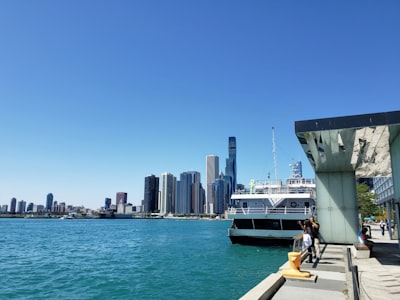
Chicago, the vibrant heart of the American Midwest, beckons travelers with its stunning architecture, world-class museums, legendary deep-dish pizza, and a vibrant arts scene. From the towering skyscrapers of the Loop to the tranquil shores of Lake Michigan, the Windy City offers an unforgettable experience for every visitor. But before you can immerse yourself in its unique charm, understanding the practicalities of travel—from visa requirements to getting around and staying connected—is crucial.
This comprehensive guide is designed to be your go-to resource for planning an epic trip to Chicago. We'll demystify the U.S. visa process, help you choose the best SIM card for seamless connectivity, provide an in-depth look at Chicago's extensive public transport system, and share insider tips for budget-friendly travel. Get ready to explore one of America's most iconic cities with confidence!
Navigating Your Entry: The USA Visa Guide for Chicago Tourists
Traveling to the United States, including Chicago, requires careful consideration of entry requirements. For most non-U.S. citizens, this means obtaining a visa or qualifying for the Visa Waiver Program (VWP). Understanding which category applies to you is the first and most critical step in planning your trip.
Do You Need a Visa for Chicago (USA)?
Yes, generally, all non-U.S. citizens require either a visa or an approved Electronic System for Travel Authorization (ESTA) to enter the United States. The specific requirement depends on your country of citizenship. The U.S. Department of State determines which countries participate in the Visa Waiver Program.
The Visa Waiver Program (VWP) and ESTA
The Visa Waiver Program (VWP) allows citizens of certain eligible countries to travel to the United States for tourism or business (B-1/B-2 visa purposes) for stays of 90 days or less without obtaining a visa. Instead, these travelers must obtain an approved Electronic System for Travel Authorization (ESTA) prior to their travel.
Who is eligible for VWP/ESTA?
As of my last update, citizens of 40 countries participate in the VWP. These include many European Union countries (e.g., France, Germany, Italy, Spain, UK), Australia, New Zealand, Japan, South Korea, Singapore, Chile, and others. Always check the official U.S. Department of State website for the most current list of eligible countries.
What is ESTA and how to apply?
ESTA is an automated system that determines the eligibility of visitors to travel to the U.S. under the VWP.
- Application Process: You must apply online through the official U.S. Customs and Border Protection (CBP) website. Be wary of third-party websites that charge exorbitant fees; the official application has a modest fee.
- Information Required: The application asks for personal details, passport information, travel plans, and a series of security questions.
- Approval: Most ESTA applications are processed within minutes, though it's recommended to apply at least 72 hours before your travel date, or even earlier. Once approved, your ESTA is generally valid for two years or until your passport expires, whichever comes first, allowing for multiple entries into the U.S. during this period, provided each stay is 90 days or less.
- Purpose of Travel: ESTA is strictly for tourism, business, or transit. It does not permit employment, study, or permanent residence in the U.S.
- Ineligibility: Certain factors can make you ineligible for ESTA, even if you are a citizen of a VWP country, such as a criminal record, previous visa overstays, or travel to certain restricted countries (e.g., Iran, Iraq, Sudan, Syria, Libya, Somalia, Yemen since March 2011, or Cuba since January 2021). In such cases, you would need to apply for a traditional visa.
Applying for a B1/B2 Tourist Visa
If your country is not part of the Visa Waiver Program, or if you are ineligible for ESTA, you will need to apply for a non-immigrant B1 (Business Visitor) or B2 (Tourist Visitor) visa. These are often combined into a B1/B2 visa.
Step-by-Step Application Process:
1.
Complete the DS-160 Form: This is the Online Nonimmigrant Visa Application. You'll need to fill out this detailed form electronically on the U.S. Department of State's Consular Electronic Application Center (CEAC) website. It requires extensive personal, family, and travel history information, as well as a digital photo that meets specific requirements.
2.
Pay the Visa Application Fee: Once you've completed the DS-160, you'll be instructed to pay the non-refundable visa application fee (typically around $185 USD for B1/B2 visas, but always check current fees). The payment method varies by country.
3.
Schedule Your Interview: After paying the fee, you can schedule an interview at a U.S. Embassy or Consulate in your country of residence. Interview wait times can vary significantly, so apply well in advance of your intended travel date.
4.
Gather Required Documents: This is a crucial step. You must bring all necessary documents to your interview. These typically include:
- A valid passport (valid for at least six months beyond your intended period of stay in the U.S.).
- Your DS-160 confirmation page.
- Your visa interview appointment confirmation page.
- One 2x2 inch (5x5 cm) color photograph (taken within the last six months) that meets U.S. visa photo requirements.
- Proof of sufficient funds to cover your expenses in the U.S. (bank statements, pay stubs, tax returns).
- Evidence of strong ties to your home country (proof of employment, property ownership, family commitments) to demonstrate your intent to return.
- Your travel itinerary (flight reservations, hotel bookings).
- Letters from family/friends in the U.S. if you are staying with them, or an invitation letter for business purposes.
5.
Attend the Visa Interview: The interview is a formal process where a Consular Officer will ask questions about your travel plans, financial situation, and ties to your home country to assess your eligibility and intent. Be honest, concise, and polite.
6.
Visa Decision: If approved, your passport will be kept by the embassy/consulate for visa stamping and returned to you via mail or courier. If denied, the officer will explain the reasons.
Key Tips for a Successful Visa Interview:
- Be prepared to explain the purpose of your trip to Chicago and the U.S.
- Clearly demonstrate that you have strong ties to your home country and no intention of overstaying your visa or seeking unauthorized employment.
- Have all your documents organized and easily accessible.
Key Considerations for All Travelers
- Passport Validity: Ensure your passport is valid for at least six months beyond your planned departure date from the U.S. (this is known as the "six-month rule," though some countries are exempt by agreement).
- Travel Insurance: While not mandatory, comprehensive travel insurance is highly recommended. It can cover medical emergencies, trip cancellations, lost luggage, and other unforeseen events.
- Customs and Border Protection (CBP): Upon arrival at Chicago O'Hare (ORD) or Midway (MDW) airports, you will undergo inspection by a CBP officer. They will verify your identity, documents (passport, ESTA/visa), and purpose of travel. Be prepared to answer questions.
- Overstaying: Overstaying your authorized period of stay can have severe consequences, including future bars from entering the U.S. Always adhere to the dates stamped in your passport or noted on your I-94 record.
Always consult the official U.S. Department of State website or the website of the U.S. Embassy/Consulate in your country for the most accurate and up-to-date visa information.
Staying Connected: Best SIM Card in USA for Tourists
Having reliable internet and phone service is essential for navigating a new city like Chicago, from using maps and booking rides to staying in touch with loved ones. While international roaming is an option, a local SIM card or an eSIM often provides more affordable and convenient connectivity.
Why Get a Local SIM Card?
- Cost-Effectiveness: Local prepaid plans are significantly cheaper than international roaming charges from your home provider.
- Local Number: A U.S. number can be useful for making local reservations, communicating with tour operators, or for emergencies.
- Reliable Data: Access fast 4G/5G data for navigation, streaming, social media, and communication apps.
- Emergency Access: Direct access to local emergency services if needed.
Alternatives: While roaming can be convenient, it's typically expensive. Portable Wi-Fi hotspots are another option, but add an extra device to carry and charge, and incur rental fees. Public Wi-Fi is available but often insecure and unreliable.
Major US Carriers & Tourist Plans
The main mobile network operators (MNOs) in the U.S. are T-Mobile, AT&T, and Verizon. All offer various prepaid plans suitable for tourists.
- Pros: Often considered the most tourist-friendly. They offer a range of prepaid plans, some including unlimited talk/text and varying data allowances, often with decent 5G coverage in urban areas like Chicago. Their "Connect by T-Mobile" plans or general prepaid options are popular. They also tend to have better international calling/texting add-ons.
- Cons: Coverage can be spotty in very rural areas compared to Verizon, but within Chicago, it's excellent.
- Best For: Budget-conscious travelers, those who need moderate to high data, and good urban coverage.
- Pros: Strong network coverage, generally reliable. They also offer prepaid plans (e.g., AT&T PREPAID) with various data options.
- Cons: Slightly higher prices than T-Mobile for comparable data, and prepaid plans might be less flexible for short-term visitors.
- Best For: Travelers prioritizing strong, consistent coverage, even if slightly more expensive.
- Pros: Renowned for having the widest and most reliable network coverage across the U.S., including many rural areas.
- Cons: Often the most expensive, and their prepaid plans might not be as generous with data for the price. Historically, Verizon used CDMA technology, meaning older unlocked phones might not be compatible; however, most modern unlocked phones support both CDMA and GSM.
- Best For: Travelers venturing outside major cities or prioritizing absolute top-tier coverage, regardless of cost.
Mobile Virtual Network Operators (MVNOs): These smaller carriers use the networks of the major MNOs but often offer cheaper plans. Examples include Mint Mobile (T-Mobile network), Cricket Wireless (AT&T network), and Visible (Verizon network). They can be excellent value but might require a bit more research to ensure compatibility and activation.
Where to Buy a SIM Card
- Airport Kiosks: Convenient at O'Hare (ORD) or Midway (MDW), but often have higher prices and limited plan options.
- Carrier Stores: Visiting an official T-Mobile, AT&T, or Verizon store in Chicago is recommended. Staff can help you choose the right plan, activate the SIM, and ensure your phone is compatible.
- Retailers: Large electronics stores (Best Buy) and supermarkets (Walmart, Target) sell prepaid SIM card starter kits for various carriers. You'll then typically need to activate and top up online or through the carrier's app.
- Online Before You Travel: Some providers allow you to order a physical SIM card to be delivered to your home address before your trip, though this is less common for U.S. carriers directly. This option is more popular for eSIMs.
eSIM Options for Seamless Connectivity
eSIMs (embedded SIMs) are a fantastic option for modern smartphones that support them (e.g., iPhone XR/XS and newer, Google Pixel 3 and newer, Samsung Galaxy S20 and newer).
- What is an eSIM? It's a digital SIM that allows you to activate a cellular plan without a physical SIM card.
- Instant Activation: Purchase and activate a plan online or via an app before or during your trip.
- No Physical SIM: No need to swap cards, risking loss.
- Dual SIM Functionality: Keep your home SIM active for calls/texts while using the eSIM for data.
- Multiple Plans: Store several eSIM profiles on your phone.
- Popular eSIM Providers for Tourists:
- Airalo: Offers various regional and country-specific data plans for the USA. Very popular for short-term travel.
- Holafly: Known for unlimited data plans, which can be great for heavy users, though they might throttle speeds after a certain usage.
- Nomad: Another provider offering a range of data plans.
- Ubigi: Also offers data-only eSIM plans.
Compatibility Check: Always verify your phone supports eSIMs before purchasing an eSIM plan.
Tips for Choosing Your SIM/eSIM
- Unlocked Phone: Your phone must be unlocked by your home carrier to accept a new SIM card.
- Coverage Map: Check the coverage maps of your chosen carrier for Chicago and any other areas you plan to visit.
- Data Needs: Estimate how much data you'll need. Light users might be fine with 3-5 GB, while heavy users or those who stream might need 10 GB or more, or even an unlimited plan.
- Activation: Understand the activation process. Physical SIMs usually activate within minutes after purchase and registration. eSIMs can be activated instantly via a QR code or manual setup.
Getting Around Chicago: A Comprehensive Transport Guide
Chicago boasts an excellent public transportation system, making it easy and affordable to explore the city without a car. Understanding your options, especially the CTA, will save you time and money.
Public Transport in Chicago: CTA – Your Best Bet
The
Chicago Transit Authority (CTA) operates the city's extensive network of 'L' trains (elevated and subway lines) and buses. It's the primary way locals and tourists get around.
- Your Key to CTA: The Ventra Card is a reloadable fare card used for all CTA trains and buses. You can buy a disposable paper ticket for single rides, but a reloadable Ventra Card is more economical and convenient for multiple journeys.
- Where to Buy: Purchase a Ventra Card at Ventra vending machines located at all 'L' stations, at participating retailers (like most Walgreens), or order one online. There's a small fee for the card itself, which can often be refunded as transit credit if you register it.
- Loading Money: You can load money (transit value) onto your Ventra Card or purchase passes.
- Passes: For tourists, multi-day passes offer the best value:
- 1-Day Pass: Unlimited rides for 24 hours.
- 3-Day Pass: Unlimited rides for 72 hours.
- 7-Day Pass: Unlimited rides for 168 hours.
- These passes activate on first use and provide significant savings if you plan to use public transport frequently.
- Contactless Payment: You can also tap a contactless credit/debit card or a mobile wallet (Apple Pay, Google Pay) directly at the turnstile or on the bus for a single fare, but this won't offer the multi-day pass savings.
- Chicago's iconic 'L' (short for elevated) system is a rapid transit network operating above and below ground. It's fast, efficient, and serves most major attractions.
- Red Line: Runs 24/7, connecting the North Side (Wrigleyville, Lincoln Park) through the Loop to the South Side. Essential for downtown attractions.
- Blue Line: Runs 24/7, directly connecting O'Hare International Airport (ORD) to the Loop and then northwest to neighborhoods like Logan Square and Wicker Park.
- Orange Line: Connects Midway International Airport (MDW) to the Loop.
- Brown Line: Serves the North Side and the Loop, offering scenic elevated views.
- Green Line: Connects the South Side and West Side to the Loop.
- Pink Line & Purple Line: Also serve various parts of the city and suburbs, connecting to the Loop.
- Frequency: Trains run frequently, especially during peak hours, and Red and Blue lines operate 24/7, which is a major convenience.
- Complementing the 'L', Chicago's bus network is extensive and covers areas not served by the trains. Buses are great for shorter distances, local neighborhood exploration, and getting to specific addresses.
- How to Ride: Tap your Ventra Card or contactless payment method as you board.
- Real-time Tracking: Use apps like Google Maps or the official CTA Tracker app for real-time bus locations and schedules.
- While CTA covers the city, Metra is the commuter rail system connecting downtown Chicago (Union Station, Ogilvie Transportation Center, Millennium Station) to its vast suburbs.
- For Tourists: Primarily useful if you're planning day trips to specific suburban attractions (e.g., Botanic Garden, Frank Lloyd Wright Home & Studio in Oak Park) or visiting friends/family outside the immediate city center. It uses a separate fare system, though a Ventra Card can sometimes be used to buy Metra tickets at stations.
- This is the suburban bus division of the regional transit authority, operating primarily in the suburbs. Tourists generally won't use Pace unless traveling extensively outside the city.
Airport to City Transport Guide (Chicago O'Hare ORD & Midway MDW)
Getting from Chicago's two major airports to the city center is straightforward with public transport.
- O'Hare International Airport (ORD):
- CTA Blue Line (Highly Recommended): This is the most economical and often the quickest way to get downtown.
- Location: The Blue Line station is located in the lower level of Terminal 2 (follow signs for "CTA Trains" or "Trains to City"). There are free shuttle trains to connect you from Terminals 1, 3, and 5 to Terminal 2 if you arrive there.
- Journey Time: Approximately 45-60 minutes to the Loop.
- Cost: A standard CTA fare (covered by Ventra Pass or single fare).
- Taxi/Rideshare (Uber/Lyft):
- Convenience: Door-to-door service, ideal if you have a lot of luggage or are traveling in a group.
- Cost: Significantly more expensive, usually $40-$60+ depending on traffic and destination.
- Journey Time: 30 minutes to 1.5 hours, heavily dependent on traffic. Rideshare pickup zones are typically designated outside terminals.
- Airport Shuttles: Shared-ride services (like GO Airport Express) are available, offering a balance between cost and convenience. Book in advance or find them at the airport.
- Midway International Airport (MDW):
- CTA Orange Line (Highly Recommended): Similar to O'Hare, the Orange Line offers direct, affordable access to downtown.
- Location: The Orange Line station is connected to the airport terminal.
- Journey Time: Approximately 20-30 minutes to the Loop.
- Operating Hours: Daily, but not 24/7 (typically 4:00 AM to 1:00 AM).
- Taxi/Rideshare (Uber/Lyft):
- Cost: Around $30-$40+ to the Loop.
- Journey Time: 20 minutes to 1 hour, depending on traffic.
- Airport Shuttles: Also available for Midway.
Car Rental / Bike Rental options in Chicago
- When It's Useful: Renting a car is generally not recommended for exploring Chicago's city center due to high parking costs, heavy traffic, and excellent public transport. However, it can be useful for:
- Day trips outside Chicago: Visiting attractions like Starved Rock State Park, the Indiana Dunes, or specific suburban destinations not easily accessible by Metra.
- Specific Business Needs: If you have multiple meetings in spread-out locations in the suburbs.
- Companies: Major rental companies (Hertz, Avis, Enterprise, Budget, National, Alamo) have desks at both O'Hare and Midway, and some locations downtown.
- Requirements: You typically need to be at least 21 (often 25 to avoid young driver fees), have a valid driver's license (an International Driving Permit is recommended for non-English licenses), and a major credit card.
- Insurance: Consider purchasing rental car insurance, either through the rental company, your personal auto insurance, or your credit card benefits.
- Bike Rental (Divvy Bikes):
- System: Divvy is Chicago's official bike-share program, with thousands of bikes and hundreds of docking stations across the city.
- How to Use: Download the Divvy app, purchase a single ride, a day pass, or an annual membership. You unlock a bike from any station and can return it to any other station.
- Benefits: Excellent for exploring parks (Lincoln Park, Grant Park), the Lakefront Trail, or simply getting around popular neighborhoods. It's a fun, active, and eco-friendly way to see the city.
- Safety: Chicago has a growing network of bike lanes. Always wear a helmet (if available/brought), obey traffic laws, and be aware of your surroundings.
Rideshare Services (Uber/Lyft)
- Uber and Lyft are widely available in Chicago and operate similarly to other major cities.
- Convenience: Easy to book via apps, good for late-night travel, or when public transport isn't direct.
- Cost: Generally more expensive than public transport, but often cheaper than traditional taxis. Surge pricing can significantly increase fares during peak hours or bad weather.
- Safety: Both platforms have safety features, including driver background checks, GPS tracking, and the ability to share your trip details.
Taxis
- Traditional yellow taxis are still available in Chicago. You can hail them on the street, find them at designated taxi stands (especially at hotels and major attractions), or call for one.
- Cost: Typically higher than rideshare services.
- Use Cases: Good for very short trips or if you prefer not to use a rideshare app.
Walking
- Chicago is a highly walkable city, especially in the downtown Loop, Magnificent Mile, Riverwalk, and many residential neighborhoods.
- Benefits: It's free, allows you to soak in the stunning architecture, discover hidden gems, and get a better feel for the city's vibe.
- Considerations: Wear comfortable shoes, check the weather, and plan your routes, especially if covering long distances.
Budget Transport Tips for Chicago
Traveling on a budget in Chicago is entirely possible, especially when it comes to transportation.
- Prioritize CTA Ventra Passes: For any stay longer than a day, a 3-day or 7-day Ventra Pass is the most cost-effective option for unlimited rides on buses and trains. This significantly cuts down per-ride costs.
- Walk Whenever Possible: Many of Chicago's key attractions are relatively close to each other, especially in the Loop, River North, and Magnificent Mile areas. Enjoy the architecture and save money by walking.
- Utilize Divvy Bikes: For medium distances or scenic routes like the Lakefront Trail, a Divvy day pass offers excellent value and a unique way to see the city.
- Use Rideshares Sparingly: Reserve Uber/Lyft for late-night travel when public transit is less frequent (though Red/Blue lines are 24/7) or when splitting fares among a group makes it comparable to multiple individual transit fares. Avoid surge pricing if possible.
- Avoid Taxis: Unless it's an emergency or you have no other option, taxis are generally the most expensive form of urban transport in Chicago.
- Skip Car Rental for City Exploration: The cost of renting a car, coupled with exorbitant parking fees (easily $30-$70 per day in downtown garages), makes it impractical and expensive for city-centric tourism. Only consider it for specific day trips outside the city.
Exploring Chicago: Must-See Attractions and Experiences
With your visa secured and transport figured out, you're ready to dive into Chicago's iconic sights. Here's a brief taste of what awaits you:
- Millennium Park: Home to "The Bean" (Cloud Gate), Crown Fountain, and Jay Pritzker Pavilion. A must-visit for photos and people-watching.
- Art Institute of Chicago: One of the oldest and largest art museums in the U.S., boasting an incredible collection from around the world.
- Navy Pier: A bustling entertainment complex with rides, restaurants, shops, and stunning views of the skyline and Lake Michigan.
- Skydeck Chicago (Willis Tower): Step out onto The Ledge, a glass balcony extending from the 103rd floor, for unparalleled city views.
- Architecture River Cruise: An absolute essential. Glide along the Chicago River as expert guides narrate the history and design of the city's legendary skyscrapers.
- Deep-Dish Pizza: Indulge in Chicago's culinary icon. Lou Malnati's, Giordano's, and Pizzeria Uno are classic choices.
- Magnificent Mile: A premier shopping district on North Michigan Avenue, lined with upscale stores, boutiques, and historic landmarks.
- Museum Campus: Home to the Field Museum, Shedd Aquarium, and Adler Planetarium, all offering enriching experiences with spectacular lakefront views.
Frequently Asked Questions (FAQ)
Q: Is Chicago safe for tourists?
A: Like any major city, Chicago has areas with higher crime rates. Tourist areas, especially downtown, the Magnificent Mile, River North, and major parks, are generally very safe, particularly during the day and early evening. Exercise standard urban precautions: be aware of your surroundings, avoid walking alone late at night in unfamiliar areas, and secure your valuables.
Q: What's the best time to visit Chicago?
A: Late spring (May-June) and early autumn (September-October) offer the most pleasant weather, with comfortable temperatures for sightseeing and fewer crowds than the peak summer season. Summer (July-August) is vibrant with festivals and outdoor activities, but can be hot, humid, and crowded. Winters (November-April) are cold with snow, but offer unique experiences like ice skating and festive lights.
Q: How many days do I need in Chicago?
A: A minimum of 3-4 full days is recommended to cover the main attractions and get a good feel for the city. If you want to explore more neighborhoods, visit several museums, or take a day trip, 5-7 days would be ideal.
Q: Can I use my foreign driving license in Chicago?
A: Generally, you can use a valid foreign driver's license for up to 90 days in Illinois, provided it's in English or accompanied by an International Driving Permit (IDP). An IDP is highly recommended if your license is not in English, as it provides a translation. Always carry your passport and actual driver's license together.
Q: What currency is used in Chicago?
A: The official currency is the United States Dollar (USD).
Q: Do I need cash in Chicago?
A: Most establishments in Chicago (restaurants, shops, attractions, public transport) accept major credit and debit cards. While it's always good to have some small denominations of cash for very small purchases or tips, you can comfortably get by with very little cash.
Q: Is it easy to find vegetarian/vegan food in Chicago?
A: Absolutely! Chicago has a fantastic and diverse food scene, with numerous restaurants offering excellent vegetarian and vegan options across various cuisines. Many establishments are very accommodating to dietary restrictions. Use apps like HappyCow or Yelp to find suitable restaurants.
Conclusion
Chicago is a city of superlatives—stunning architecture, world-class culture, and an undeniable Midwestern charm. With this detailed guide covering everything from essential visa requirements and staying connected with the best SIM card options, to mastering its efficient public transport and navigating to and from its airports, you are now well-equipped to plan a smooth, enjoyable, and memorable trip.
So, go ahead, apply for that visa or ESTA, plan your Ventra card strategy, and get ready to be captivated by the Windy City. Chicago awaits your discovery!