info@24x7tt.com

info@24x7tt.com
Blog Detail


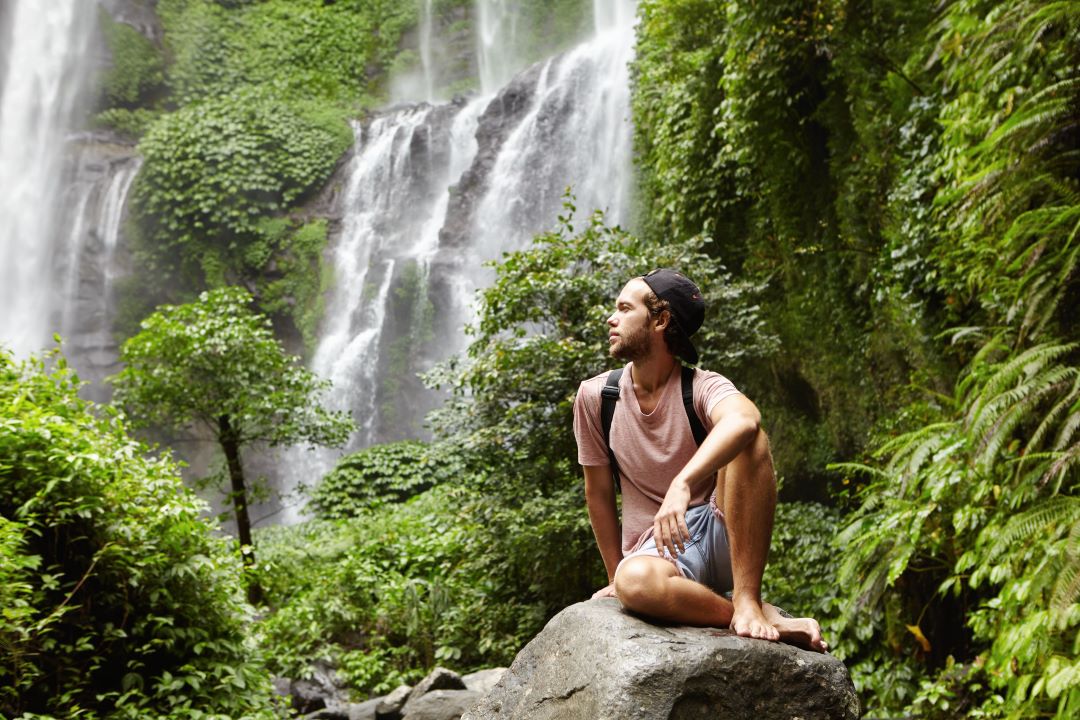
Kerala, reverently known as "God's Own Country," is a captivating tapestry woven with emerald landscapes, serene backwaters, pristine coastlines, and a vibrant cultural heritage. Far from the chaotic pace of modern life, this southwestern Indian state offers a sanctuary for the soul, a place where time slows down, and nature's symphony plays on. From the misty peaks of the Western Ghats to the tranquil Arabian Sea, Kerala promises an unforgettable escape, a journey into a land where ancient traditions, holistic wellness, and breathtaking beauty converge to create a truly unique experience.
The moniker "God's Own Country" is not merely a marketing slogan but a deeply felt truth for anyone who has experienced Kerala's profound beauty. Its diverse geography and rich cultural fabric set it apart, making it a microcosm of India's natural splendor and traditional wisdom.
The majestic Western Ghats, a UNESCO World Heritage site, form Kerala's eastern frontier, cradling verdant tea plantations, dense spice gardens, and exotic wildlife sanctuaries. The air here is crisp, carrying the scent of cardamom, pepper, and coffee. Hill stations like Munnar and Wayanad are swathed in mist and verdant foliage, offering breathtaking panoramic views and a refreshing escape from the tropical heat. These mountains are not just scenic; they are biodiversity hotspots, home to numerous endemic species of flora and fauna, making them a paradise for nature lovers and trekkers.
Perhaps the most iconic image of Kerala, the intricate network of backwaters is a labyrinth of lakes, lagoons, canals, and rivers running parallel to the Arabian Sea coast. Cruising through these tranquil waters on a traditional Kettuvallam (houseboat) is an experience of unparalleled serenity. You glide past emerald paddy fields, coconut groves, and quaint villages, witnessing local life unfold along the banks – fishermen casting their nets, children playing, and women washing clothes. The backwaters of Alappuzha (Alleppey) and Kumarakom are world-renowned for offering this idyllic, slow-paced charm.
Kerala's coastline stretches for nearly 600 kilometers, dotted with some of the most beautiful beaches in India. From the dramatic red cliffs of Varkala, offering stunning sunset views and a bohemian vibe, to the palm-fringed sands of Kovalam, perfect for relaxation and water sports, the beaches here cater to every mood. Kannur's uncrowded shores, Bekal's fort-backed sands, and Marari's quiet fishing villages all offer unique coastal experiences, inviting visitors to swim, sunbathe, or simply unwind to the rhythmic lull of the waves.
Kerala's culture is a vibrant mosaic of ancient traditions, performing arts, and festivals. The elaborate Kathakali dance-drama, with its captivating facial expressions, intricate costumes, and mythical narratives, is a hallmark of Kerala's artistic legacy. Other art forms like Mohiniyattam (classical dance) and Theyyam (ritualistic folk art) offer deep insights into the state's spiritual and cultural ethos. Festivals such as Onam and Thrissur Pooram are celebrated with immense fervor, showcasing grand processions, elephant parades, and traditional music, providing a kaleidoscope of colors and sounds.
Kerala is the birthplace and a leading global center for Ayurveda, the ancient Indian system of medicine that emphasizes holistic healing and well-being. Numerous Ayurvedic resorts and wellness centers offer traditional therapies, rejuvenation packages, and detoxification programs. Under the guidance of experienced practitioners, visitors can indulge in therapeutic massages, herbal treatments, and dietary regimens designed to balance mind, body, and spirit. It's a journey not just for physical healing but also for profound inner peace.
Each region of Kerala offers a distinct flavor, from bustling cities steeped in history to serene natural retreats.
Known as the "Venice of the East," Alleppey is the heart of Kerala's backwaters. A houseboat cruise here is an essential experience, allowing you to float past sleepy villages, lush paddy fields, and coconut groves. Explore the narrow canals, witness local life, and savor traditional Kerala meals prepared on board. Beyond houseboats, Alleppey offers beautiful beaches, the Punnamada Lake (famous for the Nehru Trophy Boat Race), and the peaceful Marari Beach nearby.
Nestled in the Western Ghats, Munnar is a breathtaking hill station famous for its sprawling tea plantations, misty mountains, and cool climate. Visit the Tata Tea Museum to learn about tea processing, trek through the rolling hills, and explore attractions like the Eravikulam National Park (home to the endangered Nilgiri Tahr), Anamudi Peak (South India's highest), and scenic waterfalls like Attukal and Lakkam. Munnar is a haven for nature lovers and photographers.
Varkala stands out with its dramatic red cliffs rising majestically from the Arabian Sea, offering panoramic views of the ocean. This laid-back coastal town is a popular spot for yoga, surfing, and sunbathing. The North Cliff is lined with quaint cafes, guesthouses, and shops, creating a bohemian atmosphere. Don't miss the ancient Janardanaswamy Temple, a significant pilgrimage site, and the natural spring believed to have medicinal properties.
A vibrant port city with a rich colonial past, Kochi is a melting pot of cultures. Explore Fort Kochi, known for its iconic Chinese fishing nets, the historic Mattancherry Palace (Dutch Palace), the Paradesi Synagogue in Jew Town, and the charming streets lined with art galleries and cafes. Catch a Kathakali performance, stroll along the waterfront, and soak in the unique blend of Portuguese, Dutch, British, and Jewish influences that define this enchanting city.
Home to the Periyar Wildlife Sanctuary, Thekkady offers a thrilling encounter with nature. Take a boat safari on Periyar Lake to spot wild elephants, tigers, sambar deer, and various bird species. Beyond wildlife, Thekkady is renowned for its spice plantations. Take a guided tour to learn about the cultivation of cardamom, pepper, vanilla, and cinnamon, and enjoy the aromatic sensory experience.
Just a short drive from the capital, Kovalam is a popular beach destination known for its crescent-shaped beaches – Lighthouse Beach, Hawah Beach, and Samudra Beach. The iconic lighthouse offers stunning views. Kovalam is ideal for swimming, sunbathing, surfing, and indulging in Ayurvedic massages by the sea. It’s a perfect spot for relaxation and rejuvenation.
Kerala's capital, Thiruvananthapuram, is a city where tradition meets modernity. It is home to the magnificent Sree Padmanabhaswamy Temple, an architectural marvel known for its immense wealth. Other attractions include the Napier Museum and Art Gallery, the Thiruvananthapuram Zoo, and the charming Kuthiramalika Palace Museum. It serves as a gateway to Kovalam and other southern Kerala attractions.
A little preparation goes a long way in ensuring a smooth and enjoyable journey through God's Own Country.
The ideal time to visit Kerala is from October to March when the weather is pleasant, cool, and less humid, making it perfect for sightseeing, backwater cruises, and beach activities. The monsoon season (June to September) transforms Kerala into a lush, green paradise, and while it's less ideal for beaches, it's considered the best time for Ayurvedic treatments due to the cool, moist atmosphere that helps the body absorb herbal oils better. April and May are hot and humid.
Most foreign nationals require a visa to enter India. An e-Visa facility is available for citizens of many countries, allowing for online application and quicker processing. Ensure your passport has at least six months of validity beyond your intended stay and at least two blank pages. Check the official Indian government visa website for the latest requirements specific to your nationality.
Navigating Kerala is relatively straightforward, with various options catering to different budgets and travel styles.
Upon arrival, it's advisable to purchase a local SIM card for connectivity. Major providers in India are Airtel, Jio, and Vodafone Idea (Vi). They offer good coverage across Kerala, including data and calling plans.
Public transport in Kerala is extensive and budget-friendly, connecting almost every corner of the state.
The Kerala State Road Transport Corporation (KSRTC) operates a vast network of buses, including ordinary, fast, superfast, express, and luxury AC services. They are the most common and cheapest way to travel between towns and cities, as well as within urban areas. Private buses also operate on many routes, sometimes offering slightly faster service. While crowded, they offer an authentic local experience.
Indian Railways provides a comfortable and efficient way to travel longer distances within Kerala, connecting major cities like Thiruvananthapuram, Kochi, Thrissur, and Kozhikode. Booking tickets in advance, especially for AC classes, is highly recommended. The train journey offers scenic views, particularly through the coastal stretches and parts of the Western Ghats.
In the backwater regions, especially Alappuzha and Kochi, public ferries are an integral part of daily life and a delightful way to explore. They are incredibly cheap and offer a unique perspective of local life along the waterways. In Kochi, the local ferry service connects various islands and parts of Fort Kochi and Ernakulam.
For greater flexibility and comfort, rental options are available.
Several national and international rental agencies like Zoomcar, Avis, and local providers offer self-drive cars. An International Driving Permit (IDP) is essential for foreign tourists. Be aware that driving in India can be challenging due to varying road conditions, aggressive driving styles, and unfamiliar traffic rules. It's recommended for experienced drivers only.
This is often the most recommended option for tourists. Hiring a car with a local driver offers comfort, safety, and the added benefit of local knowledge. Drivers can act as informal guides, suggesting places to visit and good local eateries. Negotiate the price beforehand, whether it's for a full day, specific routes, or the entire duration of your trip.
For adventurous travelers, especially in popular tourist hubs like Varkala, Munnar, or Fort Kochi, motorcycles and scooters can be rented for local exploration. You will need a valid international motorcycle driving permit. Always wear a helmet and ensure the vehicle is in good condition before renting.
Kerala has three international airports: Kochi (Nedumbassery), Thiruvananthapuram, and Kannur.
Located about 30 km from Kochi city center.
Conveniently located just 6 km from the city center.
Located approximately 28 km from Kannur city.
Dive deep into the heart of Kerala by experiencing its rich cultural tapestry and diverse culinary delights.
Witnessing a Kathakali performance is a mesmerizing experience. These traditional dance-dramas tell stories from Hindu epics through intricate mudras (hand gestures), elaborate make-up, vibrant costumes, and expressive facial movements, accompanied by classical music. Many cultural centers in Kochi, Munnar, and Thekkady offer evening shows, often with a demonstration of the makeup process. Other significant art forms include Mohiniyattam (the graceful dance of the enchantress) and Theyyam (a ritualistic art form performed in North Kerala temples).
Kerala is synonymous with Ayurveda. Indulge in rejuvenating Ayurvedic treatments, from relaxing oil massages (Abhyanga) to comprehensive Panchakarma detoxification therapies. Many resorts and clinics offer personalized wellness programs focusing on diet, yoga, meditation, and herbal remedies. It's an opportunity to harmonize your mind and body amidst serene natural surroundings.
Kerala's cuisine is a celebration of flavors, primarily influenced by its abundant use of coconut, rice, and spices.
If your visit coincides with a festival, you're in for a treat. Onam, the harvest festival, is celebrated with grand feasts, snake boat races, and cultural performances. Thrissur Pooram is a spectacular temple festival known for its magnificent elephant processions, traditional music ensembles (Panchavadyam), and vibrant fireworks. These festivals offer a deep dive into the state's spiritual and community life.
As you explore this beautiful state, remember to travel responsibly to preserve its natural beauty and cultural integrity.
Kerala is generally a safe destination for tourists, but it's always wise to exercise standard travel precautions.
A1: Yes, Kerala is generally considered one of the safest states in India for solo female travelers. However, like any travel destination, it's always advisable to exercise caution, avoid walking alone in secluded areas at night, be aware of your surroundings, and trust your instincts. Dress modestly, especially in rural areas or religious sites, to show respect for local customs.
A2: The official language of Kerala is Malayalam. While Malayalam is widely spoken, English is understood and spoken by many people in tourist areas, hotels, restaurants, and by educated individuals, making communication relatively easy for international travelers.
A3: Kerala can cater to various budgets. It's possible to travel on a tight budget by using public transport, staying in guesthouses or homestays, and eating local food. Mid-range options are plentiful, and luxury travel with boutique resorts and private transport is also available. Generally, it offers good value for money compared to many Western destinations.
A4: It is generally not recommended to drink tap water in India, including Kerala. Always opt for bottled water, filtered water, or boiled water to avoid stomach upsets. Many hotels and homestays provide filtered water for guests.
A5: Kerala is famous for its spices (cardamom, pepper, cinnamon), tea, coffee, Ayurvedic products, coir products (mats, rugs), traditional Kathakali masks, wooden carvings, Nettipattom (decorative elephant caparison replicas), Kasavu sarees (traditional Kerala sarees with gold borders), and handicrafts made from coconut shells.
A6: Bargaining is common and expected in local markets, street stalls, and for auto-rickshaw fares (if the meter isn't used). However, prices in larger shops, supermarkets, and established restaurants are usually fixed. When bargaining, do so politely and with a friendly demeanor.
A7: Yes, alcohol is allowed in Kerala, but its sale and consumption are regulated. It is typically available at licensed hotels, restaurants, and government-run beverage outlets (BevCos). Some areas may have restrictions, and public consumption is generally frowned upon. Many tourist areas have "beer and wine parlours" that serve lower-proof alcohol.
Kerala, "God's Own Country," is more than just a destination; it's an experience that awakens the senses and soothes the soul. From the tranquil rhythm of its backwaters and the invigorating freshness of its hill stations to the sun-kissed allure of its beaches and the vibrant pulse of its culture, Kerala offers a diverse palette of experiences. It's a place where ancient Ayurvedic wisdom rejuvenates, where intricate dance forms tell timeless tales, and where every meal is a culinary delight. Whether you seek adventure, relaxation, cultural immersion, or spiritual solace, Kerala welcomes you with open arms, promising memories that will last a lifetime. Embark on this ultimate journey and discover the true essence of India's most serene and captivating state.