Doha Visa Guide 2026 – Complete Qatar Travel Guide
Your Ultimate Guide to Doha, Qatar Visas: Entry Requirements & Seamless Travel Tips
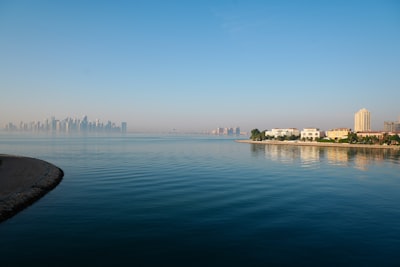
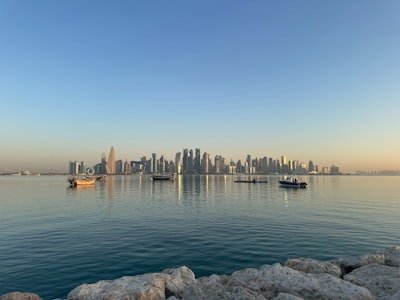
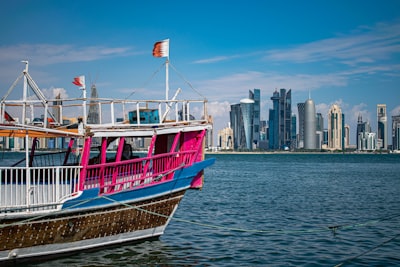
Doha, the dazzling capital of Qatar, has rapidly transformed into a global hub for culture, luxury, and innovation. With its futuristic skyline, ancient souqs, world-class museums, and pristine corniche, Doha offers a unique blend of Arabian heritage and modern grandeur. Whether you're planning a short stopover, a luxurious vacation, or a business trip, understanding the visa requirements for Qatar is your first crucial step towards experiencing this vibrant city.
This comprehensive guide is designed to demystify the process of obtaining a visa for Doha, Qatar. We'll cover everything from visa-free entry and visa on arrival options to the convenient eVisa system and specific categories for different travelers. Prepare to navigate the entry requirements with ease, ensuring your journey to the Pearl of the Arabian Gulf is as smooth and enjoyable as possible.
Why Visit Doha? A Glimpse into Qatar's Jewel
Before diving into the intricacies of visas, let's briefly ignite your wanderlust. Why should Doha be on your travel radar?
Doha is a city of superlatives. It hosted the FIFA World Cup 2022, showcasing its impeccable infrastructure, stunning stadiums, and unparalleled hospitality to the world. Beyond the sporting spectacle, Doha boasts an incredible array of attractions. The iconic Museum of Islamic Art, designed by I.M. Pei, stands majestically on the Corniche, housing centuries of Islamic artistry. Nearby, the National Museum of Qatar, an architectural marvel inspired by the desert rose, tells the rich story of Qatar from prehistoric times to the present.
For a taste of traditional Arabian life, Souq Waqif offers a labyrinth of shops selling spices, textiles, perfumes, and local handicrafts, alongside charming restaurants and shisha lounges. The ultra-modern Msheireb Downtown Doha showcases sustainable urban regeneration, while The Pearl-Qatar, an artificial island, is home to luxury boutiques, marinas, and exquisite dining options. Adventure seekers can explore the rolling sand dunes of the Qatari desert, experience dune bashing, or visit the breathtaking Inland Sea (Khor Al Adaid).
Doha is also a culinary hotspot, with everything from authentic Qatari cuisine to Michelin-starred international restaurants. Its commitment to arts and culture is evident in its numerous galleries, performance venues, and annual festivals. With warm hospitality, a safe environment, and a commitment to providing unforgettable experiences, Doha promises a truly remarkable journey for every visitor. But first, let's ensure you can get there.
Navigating Qatar's Visa Landscape: An Overview
Qatar's government has made significant efforts in recent years to simplify its visa policies and attract more tourists and business travelers. The result is a relatively straightforward system with various options depending on your nationality, purpose of visit, and intended length of stay. The primary categories for entry into Doha include visa-free entry, visa on arrival, the eVisa system, and specific sponsored visas. Understanding which category applies to you is the key to a hassle-free trip.
It's crucial to always check the latest regulations directly with the official Qatar Ministry of Interior website or a Qatari embassy/consulate in your country, as policies can change.
Visa-Free Entry to Qatar: Who Qualifies?
Qatar offers generous visa-free entry for citizens of numerous countries, making it incredibly easy for many travelers to visit Doha without any prior application. If your country is on this list, you can simply arrive at Hamad International Airport (HIA) or any other port of entry, and an entry stamp will be affixed to your passport.
Eligibility for Visa-Free Entry:
As of recent updates, citizens of over 100 countries are eligible for visa-free entry into Qatar. These countries are typically divided into two main categories based on the maximum permissible stay:
1.
For a stay of up to 180 days (with multiple entries permitted within this period): Citizens of certain countries (e.g., EU countries, UK, USA, Canada, Australia, New Zealand, and many more) can usually stay for up to 90 days within a 180-day period from the date of initial entry. This means you can enter and exit multiple times, as long as your cumulative stay does not exceed 90 days within that 180-day window.
2.
For a stay of up to 60 days (with multiple entries permitted within this period): Citizens of other eligible countries can usually stay for up to 30 days within a 60-day period.
General Requirements for Visa-Free Entry:
Even if you qualify for visa-free entry, you must still meet certain basic conditions:
- Passport Validity: Your passport must be valid for at least six months beyond your intended date of departure from Qatar.
- Confirmed Return/Onward Ticket: You must possess a confirmed return ticket to your country of origin or an onward ticket to another destination.
- Confirmed Accommodation: While not always strictly enforced for visa-free travelers, having proof of hotel booking or other accommodation can be requested.
- Sufficient Funds: You should be able to demonstrate sufficient funds to cover your stay in Qatar. This is rarely checked but is a standard immigration requirement.
- No Objection: You must not be on any immigration blacklist or have any other reason for being denied entry.
Important Note: The exact list of eligible countries and specific stay durations can fluctuate. Always consult the official website of the Ministry of Interior, Qatar Tourism, or a Qatari embassy/consulate for the most up-to-date information pertaining to your specific nationality.
Visa on Arrival for Qatar: Is it an Option for You?
For many nationalities, the "visa-free entry" mentioned above essentially functions as a visa on arrival. You don't apply for anything beforehand; you simply arrive and receive an entry stamp. However, historically, there were specific "visa on arrival" categories that might have involved a fee or more specific documentation at the airport for a smaller set of countries.
Currently, the trend is towards expanding the visa-free list. If your country is not on the visa-free list but you're a resident of a GCC country (Bahrain, Kuwait, Oman, Saudi Arabia, UAE), you might have specific visa on arrival options, which we'll discuss under special categories.
For most tourist purposes, if your country isn't on the visa-free list, you will likely need to apply for an eVisa or a sponsored visa in advance. Therefore, the term "visa on arrival" primarily refers to the seamless entry granted to visa-free eligible nationalities.
The Qatar eVisa: Streamlined Application Process
For travelers whose nationality doesn't qualify for visa-free entry, or who prefer to have their entry permit secured before travel, the Qatar eVisa system offers a convenient and efficient solution. The eVisa streamlines the application process, allowing you to apply and receive your visa approval online.
What is the Qatar eVisa?
An eVisa is an electronic visa that is applied for and issued online. It removes the need to visit an embassy or consulate, making the process faster and more accessible. Once approved, you typically receive an email with your visa approval document, which you can print and present upon arrival in Doha.
Eligibility for Qatar eVisa:
The eVisa is available to citizens of a specific list of countries that are not eligible for visa-free entry but are granted access to this online facility. This list is subject to change, so confirming your eligibility on the official Qatar eVisa portal or Qatar Ministry of Interior website is essential.
Step-by-Step Qatar eVisa Application Process:
1.
Visit the Official Portal: Access the official Qatar eVisa application portal (typically run by the Ministry of Interior or Qatar Visa Center). Be wary of unofficial third-party sites that may charge excessive fees.
2.
Select Visa Type: Choose the appropriate visa type (e.g., Tourist Visa, Business Visa if applicable through eVisa).
3.
Fill Out the Application Form: Accurately complete the online application form with your personal details, passport information, travel dates, and accommodation details in Qatar.
4.
Upload Required Documents: You will need to upload scanned copies of several documents:
- Passport Bio-page: A clear scan of the main page of your passport showing your photo and personal details. Ensure your passport has at least six months validity remaining from your entry date.
- Passport-sized Photograph: A recent digital passport-sized photograph (usually with a white background).
- Return/Onward Ticket: A confirmed flight reservation showing your departure from Qatar.
- Hotel Booking/Accommodation Proof: A confirmed hotel reservation for the duration of your stay.
- Travel Insurance: While not always mandatory for all eVisa categories, it is highly recommended and sometimes required.
5.
Pay the Visa Fee: Pay the applicable visa fee using a credit or debit card. The fees vary depending on the visa type and duration.
6.
Submit and Await Approval: Once you've submitted your application and payment, you will receive a confirmation. The processing time can vary from a few business days to a week or more. It's advisable to apply well in advance of your travel date.
7.
Receive eVisa: Upon approval, you will receive your eVisa via email. Print a copy of this document to present to immigration officials upon your arrival at Hamad International Airport or other entry points.
Advantages of the Qatar eVisa:
- Convenience: Apply from anywhere with internet access.
- Efficiency: Faster processing compared to traditional embassy applications.
- Peace of Mind: Have your visa secured before you even leave home.
Special Visa Categories for Doha Travel
Beyond the standard tourist options, Qatar offers several specific visa categories tailored to different traveler needs.
Qatar Transit Visa & Stopover Programs
Doha's Hamad International Airport (HIA) is a major global transit hub, especially for Qatar Airways passengers. Recognizing the potential for tourism, Qatar has excellent transit visa and stopover programs.
- Qatar Transit Visa: For passengers transiting through HIA, a free transit visa might be available, allowing stays from 5 to 96 hours (4 days). This visa is issued upon arrival at HIA.
- Eligibility: Typically granted to passengers with a layover of at least 5 hours and a confirmed onward flight with Qatar Airways or other approved airlines.
- Requirements: Valid passport (at least 6 months validity), confirmed onward ticket, and confirmation from the airline that you meet the transit visa criteria.
- Purpose: Allows travelers to explore Doha during a long layover, transforming a transit into a mini-vacation.
- Qatar Airways Stopover Program (Discover Qatar): Qatar Airways, in collaboration with Qatar Tourism, often offers enticing stopover packages, sometimes including complimentary hotel stays for passengers with longer layovers.
- How it Works: Book a Qatar Airways flight with a stopover in Doha. Check the Discover Qatar website for current stopover deals, which often include hotel bookings at discounted rates or even free accommodation, depending on your fare class and the promotion.
- Visa Aspect: If you're eligible for visa-free entry, you'll simply use that. If not, the stopover package might include assistance with obtaining a short-term visa. Always check the specific terms of the stopover package.
GCC Resident Visa (Visa for Residents of GCC Countries)
Expats and foreign residents living in any of the Gulf Cooperation Council (GCC) countries (Bahrain, Kuwait, Oman, Saudi Arabia, United Arab Emirates) may be eligible for a special visa on arrival.
- Eligibility: Typically, residents of GCC countries working in certain professions (as defined by Qatari authorities) can obtain a visa on arrival. Common eligible professions include managers, doctors, engineers, teachers, etc.
- Valid passport (at least 6 months validity).
- Valid GCC residency permit (valid for at least 6 months).
- Original "No Objection Certificate" (NOC) from your sponsor in the GCC country (sometimes required, check current rules).
- Profession listed on your GCC residency must match an approved category.
- Duration: Usually granted for 30 days, extendable for another 30 days.
- Important: Always verify the specific eligible professions and latest requirements, as these can change.
Tourist Visa (Sponsored/Other)
If you are not eligible for visa-free entry, eVisa, or the special categories mentioned above, you might still be able to visit Doha through a sponsored tourist visa.
- Sponsorship: This typically requires sponsorship by:
- A Hotel: Many hotels in Qatar can arrange a tourist visa for you, especially if you book your stay directly with them. This is a common and reliable method.
- A Tour Operator: Licensed Qatari tour operators can also sponsor tourist visas as part of a package.
- A Qatari National/Resident Relative: If you have a close relative residing in Qatar, they might be able to sponsor your visit, subject to specific conditions and relationship proof.
- Application Process: The sponsor initiates the visa application on your behalf with the Qatari authorities. You will need to provide them with scanned copies of your passport, photos, and possibly other documents.
- Duration: Typically issued for 30 days, extendable in some cases.
- Consideration: This route can take longer and might be more expensive than the eVisa, but it provides an option for those without other means of entry.
Business Visas & Work Visas (Brief Mention)
While this guide focuses on tourist travel to Doha, it's worth noting that Qatar also offers various business visas and work visas. These typically require sponsorship by a Qatari company or entity, involve more extensive documentation, and follow a different application process through the Ministry of Interior or Qatar Visa Centers abroad. If your purpose of travel is employment or long-term business, you must explore these specific visa categories well in advance.
Essential Documents for Your Qatar Visa Application (General Checklist)
Regardless of the visa type you're pursuing for Doha, certain documents are almost universally required. Having these prepared will significantly speed up your application process.
- Valid Passport: Your passport must be valid for at least six months beyond your intended date of departure from Qatar. Ensure it has at least one blank page for stamps.
- Passport-sized Photographs: Recent, clear, color photographs (usually 3.5cm x 4.5cm) with a white background. Follow specific requirements for digital photos if applying online.
- Confirmed Return/Onward Ticket: Proof of your confirmed flight booking showing your departure from Qatar. This demonstrates your intention to leave the country.
- Proof of Accommodation: A confirmed hotel reservation for the duration of your stay. For those staying with family/friends, a letter of invitation and proof of their residency in Qatar might be required.
- Travel Insurance: While not always strictly mandatory for all tourist visas, travel insurance is highly recommended and can be a requirement for certain visa types or during specific periods (e.g., during the pandemic, it was often mandatory). It covers medical emergencies, trip cancellations, and other unforeseen events.
- Proof of Sufficient Funds: Although rarely explicitly checked for tourists, immigration authorities may ask for proof that you have enough financial resources to cover your stay in Qatar. This could be bank statements or credit card statements.
- Completed Application Form: If applying through an embassy or for certain sponsored visas, a physical application form will need to be accurately filled and signed. For eVisa, this is done online.
- Visa Fee Payment: Be prepared to pay the applicable visa fee, which varies based on visa type and duration.
Key Considerations Before Traveling to Doha
Securing your visa is just one part of preparing for your trip to Doha. To ensure a smooth and respectful visit, keep the following cultural and practical considerations in mind:
Passport Validity
Always re-check that your passport is valid for at least six months from your *planned date of departure* from Qatar. Many countries strictly enforce this rule, and airlines may deny boarding if your passport doesn't meet this criterion.
Cultural Etiquette & Local Laws
Qatar is an Islamic country with conservative cultural norms. Visitors are expected to respect local traditions and laws.
- Dress Code: While there is no official dress code for tourists, modest attire is appreciated, especially in public places like shopping malls, government buildings, and religious sites. Shoulders and knees should generally be covered. When visiting mosques, women will need to cover their hair.
- Public Behavior: Public displays of affection are generally frowned upon. Drunken behavior in public is strictly prohibited and can lead to severe penalties.
- Alcohol: Alcohol is available in licensed hotel restaurants and bars but is not openly sold elsewhere. Consuming alcohol in public is illegal.
- Photography: Be respectful when taking photos. Always ask for permission before photographing people, especially women. Avoid photographing government buildings, military sites, or sensitive areas.
- Same-sex Relationships: While Qatar is a welcoming country for tourists, same-sex relationships are illegal under Qatari law. Visitors should exercise discretion and avoid public displays of affection.
Health & Safety
Qatar is a very safe country with low crime rates.
- Medical Facilities: Doha boasts excellent modern hospitals and clinics. However, medical services can be expensive.
- Travel Insurance: Comprehensive travel insurance covering medical emergencies, evacuation, and trip cancellations is highly recommended for all visitors.
- Emergency Numbers: The emergency number in Qatar for police, ambulance, and fire is 999.
Currency & Cost of Living
- Currency: The local currency is the Qatari Riyal (QAR), which is pegged to the US Dollar (1 USD ≈ 3.64 QAR).
- ATMs and Credit Cards: ATMs are widely available, and major credit cards (Visa, MasterCard, Amex) are accepted in most hotels, restaurants, and shops.
- Cost: Doha can be an expensive city, especially for luxury accommodation and fine dining. However, there are options for various budgets, including affordable local eateries and public transportation.
Best Time to Visit
Doha experiences extremely hot summers (June-September). The best time to visit is during the cooler months, from
October to April, when temperatures are pleasant for outdoor activities and sightseeing. The winter months (December-February) are particularly mild and enjoyable.
Transportation
- Hamad International Airport (HIA): Doha's modern airport is well-connected to the city.
- Doha Metro: An efficient, clean, and affordable metro system connects many key attractions, including the airport, Souq Waqif, Msheireb, and The Pearl. It's an excellent way to get around.
- Taxis: Karwa taxis (government-operated) are readily available and can be hailed on the street or booked via the Karwa app. Ride-sharing apps like Uber and Careem also operate in Doha.
- Car Rental: Car rental is available, but driving in Doha can be challenging for those unfamiliar with local traffic laws and driving styles.
Extending Your Stay in Doha
If you wish to extend your stay beyond the initial period granted by your visa, it may be possible for some visa types.
- Eligibility: Extensions are typically granted for tourist visas, especially those obtained visa-free or on arrival, for an additional 30 days. However, this is not guaranteed and depends on your nationality and the discretion of the immigration authorities.
- Process: Applications for extensions must generally be submitted through the Ministry of Interior's online portal or at a MOI service center before your current visa expires. You will usually need to provide your passport, a new return ticket, proof of continued accommodation, and pay an extension fee.
- Consequences of Overstaying: Overstaying your visa without a valid extension can result in significant fines and potential future travel restrictions to Qatar. Always ensure you depart on time or secure an approved extension.
Frequently Asked Questions (FAQ) about Doha Visas
Here are some common questions travelers have about obtaining a visa for Doha, Qatar:
How long can I stay in Qatar with a tourist visa?
The duration depends on your nationality and the visa type. For visa-free entry, it can be up to 30 or 90 days (within a 180-day period). eVisa and sponsored tourist visas typically allow stays of up to 30 days, often with the possibility of a 30-day extension.
Is travel insurance mandatory for Qatar?
While not always mandatory for all visa types, travel insurance is highly recommended. During certain periods (e.g., pandemic), it has been a mandatory requirement for entry. Always check the latest regulations before your trip. Having it provides peace of mind for medical emergencies, trip cancellations, and other unforeseen events.
Can I work in Qatar on a tourist visa?
No, a tourist visa (or visa-free entry) does not permit you to work in Qatar. For employment, you need a specific work visa and residency permit, which requires sponsorship by a Qatari employer. Working on a tourist visa is illegal and can lead to deportation and fines.
What if my visa application is rejected?
If your visa application is rejected, you will usually be informed of the reason. You may be able to reapply if you can address the issues that led to the rejection. It's advisable to contact the issuing authority or Qatari embassy/consulate for clarification and guidance.
Are there any restrictions on entry based on nationality?
While Qatar has opened its doors to most nationalities through various visa schemes, a very small number of countries might still face specific restrictions or require a more stringent application process through an embassy. Always confirm your eligibility based on your nationality with official sources.
Can I get a visa on arrival at Doha Hamad International Airport?
Yes, if your nationality is on the list of eligible countries for visa-free entry, you will receive an entry stamp (which functions as a visa on arrival) at Hamad International Airport. For other nationalities, an eVisa or pre-arranged sponsored visa is typically required before arrival.
What are the COVID-19 related entry requirements for Qatar?
COVID-19 related entry requirements have changed frequently. Currently, most significant restrictions have been lifted. However, it is
critical to check the official Qatar Ministry of Public Health (MOPH) website or Qatar Airways/Hamad International Airport official websites for the absolute latest and most accurate information regarding vaccination status, testing, or any health declarations required before your travel date. Policies can be updated without prior notice.
Conclusion
Doha is a dynamic and welcoming city ready to enchant travelers with its rich culture, breathtaking architecture, and warm Arabian hospitality. With a clear understanding of Qatar's visa requirements, your journey to this extraordinary destination can be planned with confidence and ease.
Whether you qualify for visa-free entry, opt for the convenient eVisa, or utilize a specific transit or sponsored visa, the process is designed to be as streamlined as possible. Remember to always double-check the latest regulations with official Qatari government sources, particularly the Ministry of Interior or Qatar Tourism, as policies can evolve.
Pack your bags, prepare for an unforgettable experience, and get ready to discover the magic of Doha, Qatar. Safe travels!