Nairobi Budget Travel Guide 2026 – Complete Kenya Travel Guide
Nairobi on a Budget: Your Ultimate Guide to an Affordable African Adventure
Nairobi, often dubbed the "Green City in the Sun," is a dynamic metropolis that serves as East Africa's economic and cultural hub. While it might be famous as the gateway to Kenya's world-renowned safari parks, many travelers overlook Nairobi itself as a vibrant, standalone destination. Even more surprising for some, Nairobi can be explored extensively without breaking the bank. Forget the misconceptions of an expensive African safari; this bustling city offers a wealth of experiences, from stunning wildlife encounters within city limits to rich cultural immersions and delicious local cuisine, all accessible on a budget.
This comprehensive guide is your essential companion to uncovering the best of Nairobi without emptying your wallet. We'll delve into smart travel strategies, from securing affordable flights and navigating local transport to finding cheap accommodation, savoring delicious street food, and discovering an array of free or low-cost activities. Get ready to experience the true heartbeat of Kenya's capital, proving that an unforgettable African adventure doesn't have to come with a hefty price tag.
Why Nairobi is Your Next Budget-Friendly Adventure
Nairobi stands out as a unique budget travel destination for several compelling reasons. Unlike many capital cities, it seamlessly blends urban sophistication with raw natural beauty, including a national park teeming with wildlife right on its doorstep. This unique characteristic means you can spot giraffes with skyscrapers in the background – a truly unparalleled experience that often comes at a fraction of the cost of a full-blown safari.
Beyond the wildlife, Nairobi offers a rich tapestry of cultural experiences, historical sites, and bustling markets. The city is alive with a vibrant energy, fueled by its diverse population and innovative spirit. Crucially for budget travelers, the cost of living and local services in Nairobi is significantly lower than in many Western cities, making everything from food to transport highly affordable. With a bit of planning and a willingness to embrace local ways, Nairobi promises an enriching and deeply authentic African adventure that respects your financial limits.
Getting There & Around Nairobi on a Shoestring
The journey to and within Nairobi is an integral part of your budget travel strategy. Smart choices here can save you a substantial amount, freeing up funds for experiences.
Flights to Nairobi: Smart Booking Strategies
Your biggest upfront cost will likely be your flight to Jomo Kenyatta International Airport (JKIA), Nairobi's main international gateway. However, there are numerous ways to find cheap flights to Nairobi:
- Book in Advance: While not always true, generally, booking your international flight several months ahead can yield better prices. Aim for 3-6 months out if possible.
- Be Flexible with Dates: If your schedule allows, flying during the shoulder seasons (March-May, September-October) or the low season (April-May) can drastically reduce airfare. Avoid peak travel times like December and January. Weekday flights are often cheaper than weekend ones.
- Utilize Flight Comparison Sites: Websites like Skyscanner, Google Flights, and Kayak allow you to compare prices across multiple airlines and can even show you the cheapest days to fly over a month.
- Consider Connecting Flights: Direct flights are convenient but often pricier. Don't shy away from flights with layovers, as they can offer significant savings. Major hubs in the Middle East (e.g., Doha, Dubai), Europe (e.g., Amsterdam, Istanbul), and other African cities often have connecting routes.
- Look for Budget Carriers to Connecting Hubs: Sometimes, flying a budget airline to a major European or Middle Eastern hub, then connecting with a larger airline to Nairobi, can be cheaper than one direct ticket.
- Set Price Alerts: Many flight comparison sites allow you to set up alerts that notify you when prices for your desired route drop.
Navigating Nairobi's Streets: Affordable Transport
Once you land, getting around Nairobi on a budget is surprisingly easy and offers a fantastic immersion into local life.
- Matatus: The Authentic Local Experience: These privately-owned minibuses are the backbone of Nairobi's public transport system. They are incredibly cheap (fares range from KES 20-200, or about $0.15-$1.50 USD, depending on distance and time of day) and cover almost every corner of the city. While chaotic and sometimes crowded, riding a matatu is an unforgettable cultural experience.
- How to use them: Look for a matatu with your destination displayed on the front or side. The conductor (makanga) will call out destinations. Hop on, and pay the makanga once the journey starts. To alight, simply say "shusha" (meaning "drop me off").
- Safety Tips: Matatus can be notorious for reckless driving. During rush hour, they are extremely packed. Stick to popular routes during the day. Keep your belongings secure and out of sight, especially your phone.
- Buses: Larger, more structured buses (e.g., Kenya Bus Service – KBS, City Hoppa, Stagecoach) operate on fixed routes, especially around the CBD and major arteries. They are slightly slower but generally less chaotic than matatus and equally affordable.
- Ride-Sharing Apps: Uber & Bolt (Taxify): For convenience, safety, and fixed prices, ride-sharing apps are invaluable, especially at night or for longer distances. Uber and Bolt are widely used and significantly cheaper than traditional taxis. Always confirm the fare before accepting the ride, and ensure the driver's details match the app. A typical short ride within the city might cost KES 200-500 ($1.50-$4 USD).
- Walking: For shorter distances within safe, well-populated areas (like parts of the CBD during the day, or within specific neighborhoods like Westlands), walking is free and allows you to absorb the city's atmosphere. Always be aware of your surroundings, especially with your phone or valuables. Avoid walking alone at night.
Pro Tip: Purchase a local SIM card immediately upon arrival (Safaricom and Airtel are the major providers). This is essential for using ride-sharing apps, navigating with Google Maps, and staying connected – all crucial for budget travel. You can get one at the airport or any official store in the city with your passport.
Budget Accommodation in Nairobi: Where to Stay for Less
Finding affordable and comfortable accommodation is key to a budget trip. Nairobi offers a wide spectrum of options beyond luxury hotels.
Hostels & Guesthouses: Community & Savings
Nairobi has a growing number of hostels and guesthouses catering to backpackers and budget travelers. These offer dormitory beds, private rooms, and often communal areas, shared kitchens, and free Wi-Fi – perfect for meeting fellow travelers and saving money on meals.
- Neighborhoods to Consider:
- Westlands: A lively, upscale neighborhood with many restaurants, bars, and shopping malls. It's generally safe and offers good access to the CBD and other attractions. You'll find a good mix of mid-range guesthouses and a few hostels here.
- Kilimani/Lavington: Residential and expat-friendly areas, these offer a quieter stay with good security. They might be a bit further from the immediate action but offer good value guesthouses and Airbnb options.
- CBD (Central Business District): While the CBD has many budget hotels, it can be very busy and less safe at night. If staying here, prioritize hotels with good security and avoid walking alone after dark. It's excellent for daytime exploration of historical sites.
- Karen/Lang'ata: Closer to the Giraffe Centre and Nairobi National Park, these areas are more spread out and peaceful, but might require more reliance on ride-sharing. You can find charming guesthouses here.
- Reviews: Always check recent reviews on booking sites (Booking.com, Hostelworld) for cleanliness, security, staff helpfulness, and location.
- Amenities: Free Wi-Fi, a shared kitchen, laundry facilities, and a common lounge can significantly enhance your stay and reduce costs.
- Security: Ensure the place has good security, like 24/7 reception, CCTV, and secure entryways.
Airbnb & Local Stays: Authentic & Economical Options
Airbnb has a strong presence in Nairobi and can offer excellent value, especially for longer stays or for groups. You can find entire apartments or private rooms in shared homes, often at a lower cost than hotels.
- Tips for Airbnb in Nairobi:
- Read Descriptions Carefully: Look for details on security, amenities (like hot water, Wi-Fi, kitchen access), and exact location.
- Check Host Reviews: Prioritize hosts with many positive reviews and Superhost status.
- Communicate with Your Host: Ask any questions before booking, especially about transport options from the airport or local recommendations.
- Consider Off-the-Beaten-Path Neighborhoods: While Westlands and Kilimani are popular, exploring slightly less touristy but safe neighborhoods might yield even better deals and a more authentic local experience. Just ensure good transport links.
Eating Your Way Through Nairobi on a Budget
Food is one of the most exciting aspects of budget travel in Nairobi. The city boasts a vibrant culinary scene, and you can eat incredibly well for very little money by embracing local eateries and markets.
Savoring Street Food & Local Eateries
Nairobi's street food scene is a paradise for budget travelers. It's where you'll find authentic flavors and connect with local life.
- Mandazi: A slightly sweet, triangular fried dough, similar to a doughnut. Perfect for breakfast or a snack with chai. (KES 10-20 per piece)
- Samosas: Crispy fried pastries filled with spiced minced meat or vegetables. A popular snack. (KES 30-50 per piece)
- Chapati: A soft, unleavened flatbread, often served with stews or beans. (KES 20-40 per piece)
- Mokimo/Irio: A hearty mashed dish made from potatoes, maize, beans, and greens. A staple in Kenyan cuisine.
- Ugali: The national dish, a stiff porridge made from maize flour, usually eaten with stews, greens, or 'sukuma wiki' (collard greens). It's incredibly filling and cheap.
- Nyama Choma: While 'nyama choma' (roasted goat meat) can be a bit pricier in touristy spots, you can find more affordable versions in local 'vibandas' (small eateries) or butcheries with grilling services. It's a must-try social food.
- Mutura: A Kenyan sausage made from goat intestines filled with minced meat, blood, and spices, roasted over charcoal. A popular street snack, especially in the evenings.
- Kuku Choma: Grilled chicken, another delicious and widely available option.
Where to Find Them: Look for bustling local eateries, food stalls, and 'vibandas' in busy areas, especially around bus stages, markets, and residential areas. Always observe hygiene practices – choose places with high turnover and visible cooking. Don't be afraid to try places where locals are queuing!
Supermarkets & Markets: DIY Meals
For even greater savings, consider preparing some of your own meals, especially if your accommodation has a shared kitchen.
- Supermarkets: Major chains like Naivas, Quickmart, Carrefour, and Chandarana Foodplus are well-stocked with groceries, snacks, and ready-to-eat meals. Prices are generally affordable.
- Local Markets: Immerse yourself in the vibrant atmosphere of local produce markets like City Market or Marikiti (though Marikiti is very hectic and geared towards wholesale). Here you can buy fresh fruits, vegetables, and other ingredients at significantly lower prices than supermarkets. This is also a fantastic cultural experience.
Pro Tip: Carry a reusable water bottle. You can buy large, affordable bottles of purified water from supermarkets and refill your smaller bottle, saving money and reducing plastic waste. Avoid tap water unless boiled or filtered.
Top Free & Cheap Things to Do in Nairobi
Nairobi's appeal isn't just about its affordability; it's about the incredible diversity of experiences it offers, many of which are free or cost very little.
Embrace Nature & Wildlife (Affordably)
You don't need to spend thousands on a multi-day safari to experience Kenya's wildlife. Nairobi offers unique, budget-friendly ways to connect with nature.
- Nairobi National Park: This is perhaps Nairobi's most iconic attraction. While it has an entrance fee (approx. $40-60 USD for non-residents, depending on the season and exchange rate – check current KWS rates), it's significantly cheaper than any multi-day safari elsewhere. You can see lions, rhinos, giraffes, zebras, and more with the city skyline as a backdrop.
- Budget Tip: Instead of a pricey guided tour, take a matatu to one of the park gates (e.g., KWS Headquarters gate or Maasai Gate). From there, you might be able to negotiate a ride with a local guide or even walk a short distance to an observation point. For a full game drive, hiring a car with a driver (shared with others) for a half-day is more economical than joining an organized tour.
- Karura Forest: A beautiful urban forest offering a serene escape from the city hustle. You can walk, jog, or cycle on well-maintained trails, visit waterfalls, and explore caves. There's a small entrance fee (approx. KES 100-200 for citizens, slightly more for non-residents). Bicycle rentals are also available at a reasonable price.
- Uhuru Gardens Memorial Park: A significant historical site commemorating Kenya's independence. It's a sprawling green space perfect for a picnic, a leisurely stroll, and offers insights into the country's past. Entry is free.
- City Park: Another large green space within the city, less developed than Karura but offering a quiet place to relax. Keep an eye out for monkeys!
Dive into Culture & History
Nairobi is steeped in history and culture. Many of its most fascinating sites are either free or have very low entrance fees.
- Kenya National Archives: Located in the CBD, this building houses a vast collection of historical documents, photographs, and artifacts detailing Kenya's past. It also features a impressive art gallery, the Murumbi Gallery, showcasing pan-African art. Entrance is free or a very nominal fee.
- Nairobi Railway Museum: A must-visit for history buffs and train enthusiasts. It displays various steam locomotives and railway artifacts from Kenya's colonial era, including the carriage used by the "man-eaters of Tsavo." The entrance fee is very affordable (approx. KES 500-1000 for non-residents).
- National Museum of Kenya: While not free, the entrance fee (approx. KES 1200-1500 for non-residents) is a worthwhile investment for a comprehensive overview of Kenya's history, culture, paleontology, and natural history. It's a great place to spend a few hours.
- Parliament Buildings (Exterior): Wander around the CBD and admire the architecture of Kenya's Parliament. You can view the building from the outside and often see the eternal flame.
- Kenyatta International Convention Centre (KICC) Helipad: For a small fee (approx. KES 500 for non-residents), you can ascend to the KICC helipad for panoramic 360-degree views of Nairobi. It's one of the best vantage points in the city.
- Wander the CBD: During daylight hours, exploring the central business district on foot is an experience in itself. Observe the street life, the architecture, and the daily hustle. Be mindful of your belongings and surroundings.
Experience Local Life & Markets
Markets are the beating heart of Nairobi's local economy and culture, offering a sensory overload and a chance to interact with residents.
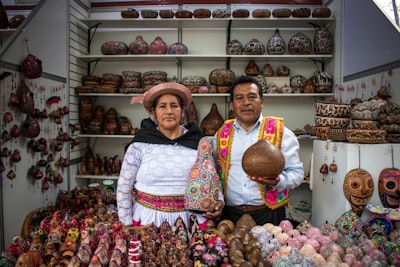
- Maasai Markets: These vibrant open-air markets rotate locations throughout the week (e.g., Friday at Village Market, Saturday/Sunday at High Court Parking). They are famous for their colorful Maasai crafts, jewelry, textiles, and souvenirs.
- Budget Tip: Go for the experience and practice your haggling skills, even if you don't intend to buy much. It's a fantastic place for photography and cultural immersion. If you do buy, always bargain hard – start at 50% of the asking price and work your way up.
- Toi Market: A large, bustling informal market in Kibera, one of Africa's largest slums. It's known for second-hand clothing (mitumba) and household goods. While incredibly authentic, it can be overwhelming, and it's advisable to visit with a local guide for safety and navigation.
- Gikomba Market: Even larger and more chaotic than Toi, Gikomba is one of East Africa's biggest open-air markets, specializing in second-hand clothes, shoes, and goods. Not for the faint of heart, it's a raw, unfiltered look at Nairobi's commerce. Again, a local guide is highly recommended.
Unique Budget-Friendly Experiences
Some of Nairobi's most popular attractions aren't free, but they offer incredible value for money and are often considered must-dos for first-time visitors.
- David Sheldrick Wildlife Trust: This elephant orphanage is a heartwarming experience. For a donation (approx. KES 1,500 for non-residents), you can visit during the daily public feeding time (11 AM-12 PM) and watch the baby elephants being fed and playing. It's an incredible opportunity to learn about elephant conservation and support a worthy cause. Booking in advance is often recommended, especially during peak season.
- Giraffe Centre: Get up close and personal with endangered Rothschild's giraffes. You can feed them from an elevated platform and even get a "giraffe kiss." The entrance fee (approx. KES 1,500 for non-residents) supports conservation efforts. It's a fantastic photo opportunity and an educational experience.
- Mamba Village: While not as famous as the other wildlife centers, Mamba Village is a crocodile farm that also houses ostriches and other reptiles. It's a more low-key and often cheaper alternative for a wildlife encounter.
Budgeting & Saving Tips for Nairobi
Beyond specific activities, adopting a budget-conscious mindset throughout your trip will maximize your savings.
- Haggling is Expected (in the right places): In markets (Maasai, curio shops), informal taxis before ride-sharing apps, and sometimes with local vendors, haggling is part of the culture. Always be polite and smile. Don't haggle in supermarkets, established restaurants, or ride-sharing apps.
- Get a Local SIM Card: As mentioned, this is crucial. Data is cheap, allowing you to use maps, ride-sharing apps, and stay in touch without expensive roaming charges.
- Carry Small Denominations: While ATMs are widely available, having smaller Kenyan Shilling notes (KES 50, 100, 200, 500) is useful for matatus, street vendors, and markets, as larger notes can be hard to break.
- Eat Local, Drink Local: Stick to street food, local restaurants, and supermarkets for food and drinks. Imported items and tourist-oriented restaurants will always be more expensive.
- Walk When Possible: For short distances and in safe areas, walking is free and allows you to discover hidden gems.
- Travel in the Off-Season: Flights and accommodation are generally cheaper during the low (April-May) or shoulder seasons (March, June, November).
- Limit Alcohol: Alcohol, especially imported brands and in tourist bars, can be expensive. If you want to socialize, look for local bars and try local beers.
- Pack Smart: Avoid excessive baggage fees by packing light. Bring essentials like a reusable water bottle, sunscreen, and a hat.
Safety in Nairobi: Budget Travel with Peace of Mind
Nairobi, like any major city, requires travelers to be vigilant. While it has a reputation for crime, most visits are trouble-free with common-sense precautions.
- Awareness is Key: Always be aware of your surroundings, especially in crowded areas like markets, bus stops, and the CBD. Pickpocketing is common.
- Secure Your Valuables: Keep your money, phone, and passport in a secure, discreet place (e.g., a money belt under your clothes). Avoid flashing expensive electronics or jewelry. Only carry what you need for the day.
- Avoid Walking Alone at Night: This is perhaps the most important safety rule. Use ride-sharing apps (Uber/Bolt) after dark, even for short distances.
- Research Neighborhoods: Know which areas are generally safer for walking and exploring, and which ones to avoid, especially after dark. Your accommodation host can be a good resource.
- Be Wary of Scams: Be cautious of overly friendly strangers who approach you with elaborate stories or try to sell you things aggressively. Trust your instincts. "Piki piki" (motorcycle taxi) drivers can sometimes overcharge or take you on longer routes – stick to ride-sharing apps for cars.
- Photocopy Documents: Keep photocopies or digital images of your passport and visa separate from the originals.
- Local Advice: Don't hesitate to ask your hostel staff or trusted locals for advice on safety or navigating certain areas.
By combining smart planning, embracing local experiences, and prioritizing safety, your budget trip to Nairobi will be not only affordable but also incredibly rewarding and authentic.
Conclusion
Nairobi, the "Green City in the Sun," is far more than just a transit point for safaris; it's a vibrant, exhilarating, and surprisingly affordable destination in its own right. From the unparalleled experience of seeing lions roam with skyscrapers in the background at Nairobi National Park to savoring mouth-watering local delicacies on a shoestring budget, this city offers a kaleidoscope of experiences for the savvy budget traveler.
This guide has equipped you with the knowledge to navigate Nairobi's transport, find comfortable yet cheap accommodation, indulge in its rich culinary scene, and explore its myriad attractions without overspending. By embracing local culture, being mindful of your budget, and exercising common sense safety precautions, you're set to discover the heart and soul of Kenya's capital.
So, ditch the misconception that an African adventure must be costly. Nairobi challenges that notion, inviting you to immerse yourself in its unique blend of urban energy and wild beauty, proving that an unforgettable journey through East Africa is well within reach for every budget. Start planning your affordable Nairobi adventure today – a world of discovery awaits!
Frequently Asked Questions (FAQ) about Budget Travel in Nairobi
Q1: Is Nairobi safe for tourists, especially budget travelers?
A: Nairobi is generally safe for tourists, but like any major city, it requires vigilance. Pickpocketing and petty theft can occur in crowded areas. Avoid walking alone at night, secure your valuables, and use ride-sharing apps (Uber/Bolt) for transport after dark. Stick to well-trafficked areas, and always be aware of your surroundings.
Q2: How much does a day in Nairobi cost on a budget?
A: On a strict budget, you can get by on $25-$40 USD per day. This would cover a hostel dorm bed, street food, matatu transport, and free/low-cost activities. A more comfortable budget might be $50-$70 USD per day, allowing for private accommodation, some restaurant meals, and entry to major attractions like Nairobi National Park or the Giraffe Centre.
Q3: What's the best time to visit Nairobi for budget travelers?
A: The shoulder seasons (March, June, September, October) or the low season (April-May, during the long rains) often offer cheaper flights and accommodation. The weather is still pleasant, and crowds are thinner. The dry season (July-August, December-February) is peak safari season, meaning higher prices.
Q4: Do I need a visa for Kenya?
A: Most foreign nationals require an electronic travel authorization (ETA) to enter Kenya. You should apply for your ETA online well in advance of your trip through the official Kenyan government website. Check the specific requirements for your nationality.
Q5: Can I use US dollars in Nairobi?
A: While major hotels and some tour operators might accept USD, it's highly recommended to use the local currency, the Kenyan Shilling (KES), for daily transactions, especially for budget travel. Exchange money at official forex bureaus or withdraw KES from ATMs. Paying in USD for small purchases usually results in a poor exchange rate.
Q6: Is public transport safe and easy to use for tourists in Nairobi?
A: Public transport (matatus and buses) is very cheap and offers an authentic local experience. During the day, it's generally safe but can be crowded and chaotic. Keep your belongings secure. Ride-sharing apps like Uber and Bolt are a safer and more convenient option, especially at night or for specific destinations.
Q7: Is it expensive to visit Nairobi National Park?
A: The entrance fee for Nairobi National Park is a significant cost for budget travelers (around $40-60 USD for non-residents, check current KWS rates). However, it's considerably cheaper than a full safari and offers a unique wildlife experience within city limits. To save money, consider taking a matatu to the gate and arranging a budget car hire/driver with other travelers once there, rather than a full guided tour.
Q8: What local foods should I definitely try on a budget?
A: Don't miss out on mandazi, samosas, chapati, ugali with sukuma wiki or stew, and mutura (if you're adventurous!). For a slightly higher but still affordable price, try nyama choma (grilled meat) from a local vibanda (eatery). These are readily available from street vendors and local eateries across the city.