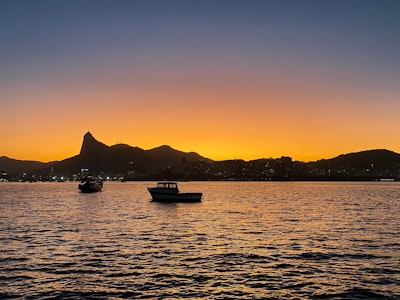
Goa Travel Guide: Unveiling India's Ultimate Beach Paradise & Cultural Gem
Welcome to Goa: India's Quintessential Coastal Escape
Goa, India's smallest state, is a land of paradoxes and vibrant contrasts, making it a perennial favorite for travelers worldwide. Far more than just a party destination, this captivating coastal paradise masterfully blends sun-drenched beaches with a rich tapestry of history, a unique Indo-Portuguese culture, thrilling adventures, and a culinary scene that tantalizes every palate. From the bustling shacks of North Goa to the serene stretches of the south, and from ancient colonial churches to modern yoga retreats, Goa offers an experience tailored to every kind of wanderer. Whether you seek exhilarating water sports, tranquil meditation, a deep dive into history, or simply a hammock under a swaying palm, Goa promises an unforgettable getaway. This comprehensive guide will equip you with everything you need to plan your ultimate Goan adventure, ensuring you discover the magic that lies within this truly special corner of India.
Unveiling Goa's Pristine Beaches: Sun, Sand & Serenity
Goa's golden coastline is its most celebrated feature, boasting an array of beaches, each with its distinct personality. From lively party hubs to secluded havens, there's a patch of sand for every mood.
North Goa's Buzzing Shores:
North Goa is synonymous with energy, nightlife, and bustling activity. Its beaches are popular for a reason, offering a blend of relaxation and excitement.
- Baga Beach: Arguably the most famous beach in Goa, Baga is a hive of activity, renowned for its vibrant nightlife, numerous shacks, and exhilarating water sports. During the day, parasailing, jet-skiing, and banana boat rides are popular. As dusk falls, the beach transforms into a party zone with music echoing from various clubs and shacks.
- Calangute Beach: Known as the "Queen of Beaches," Calangute is the largest and most commercial beach in North Goa. It’s a popular spot for families and offers a wide range of accommodation, restaurants, and shopping options. While bustling, it provides ample space for relaxation and sunbathing.
- Anjuna Beach: Famous for its Wednesday Flea Market and bohemian vibe, Anjuna offers a more laid-back yet vibrant atmosphere. The unique rock formations, trance parties, and alternative crowd give it a distinct character. It's a great spot for people-watching and soaking in Goan counter-culture.
- Vagator Beach: With its dramatic red cliffs overlooking the Arabian Sea, Vagator is a picturesque beach divided into Big Vagator and Ozran (Little Vagator). It's home to the iconic Chapora Fort, offering stunning panoramic views, and is also known for its sophisticated nightlife and lively parties, particularly during peak season.
- Morjim & Ashvem Beaches: Often dubbed "Little Russia" due to the large number of Russian tourists and residents, these beaches offer a quieter, more upscale experience than their southern neighbors. They are also vital nesting sites for Olive Ridley sea turtles, making them significant ecological spots. Expect chic beach clubs and a more relaxed ambiance.
South Goa's Tranquil Retreats:
For those seeking peace, luxury, and untouched natural beauty, South Goa's beaches are a perfect escape.
- Palolem Beach: A stunning crescent-shaped beach fringed with palm trees, Palolem is known for its serene beauty and relatively calm waters. It's popular for kayaking, paddleboarding, and its unique "silent discos" where party-goers wear headphones. The beach shacks here are more rustic and charming.
- Agonda Beach: Voted one of Asia's best beaches, Agonda is a pristine and tranquil stretch of sand, ideal for complete relaxation. With minimal commercialization, it offers a peaceful retreat for those looking to disconnect and enjoy nature. It's also a designated turtle nesting site.
- Colva Beach: One of the longest beaches in Goa, Colva is popular with both domestic and international tourists. It strikes a balance between the quietude of the south and the amenities of the north, offering a wide array of resorts, restaurants, and water activities without the overwhelming crowds.
- Cavelossim Beach: Characterized by its white sands and black lava rocks, Cavelossim is home to several luxurious resorts. It's a quieter beach, perfect for leisurely strolls, dolphin spotting cruises, and indulging in fine dining experiences. The Sal River estuary nearby adds to its scenic charm.
A Culinary Journey Through Goa: Savoring the Flavors of the Coast
Goan cuisine is a delicious fusion of Indian, Portuguese, and Konkani influences, resulting in a unique explosion of flavors. Seafood reigns supreme, but there's a rich variety for all tastes.
Goan Delicacies You Must Try:
- Seafood Extravaganza: From succulent Prawn Balchão and spicy Fish Curry (Goan Fish Thali) to crispy Fish Fry and rich Crab Xec Xec, the abundance of fresh catch is unparalleled. Don't miss the local mussels (Tisreo Sukhe).
- Pork Vindaloo & Chicken Xacuti: These iconic, spicy curries showcase the robust flavors of Goan spices. Vindaloo, with its vinegar base, is a fiery Portuguese legacy, while Xacuti is a complex coconut-based curry.
- Goan Fish Curry (Recheado Masala): A vibrant red curry, often featuring Mackerel or Pomfret, stuffed with a spicy, tangy Recheado paste.
- Sorpotel: A rich and spicy pork offal curry, traditionally slow-cooked, often served with Sannas (steamed rice cakes).
- Feni: Goa's indigenous alcoholic spirit, distilled from cashew apples or coconut sap. Try it responsibly, often mixed with a lime soda.
- Bebinca: A traditional Goan dessert, known as the "Queen of Goan desserts," is a multi-layered cake made with coconut milk, eggs, flour, and ghee.
- Dodol: Another sweet treat, a dense, rich pudding made from coconut milk, jaggery, and rice flour.
Dining Experiences:
You can enjoy Goan food everywhere, from rustic beach shacks serving fresh catch of the day to upscale restaurants offering fine dining. Don't shy away from local eateries (known as 'gaados') for authentic, budget-friendly meals. Try a Goan Thali for a complete meal experience.
Immersing in Goa's Rich Culture & History
Beyond its beaches, Goa's soul lies in its unique history, predominantly shaped by over 450 years of Portuguese colonial rule.
Old Goa: A Glimpse into the Past:
A UNESCO World Heritage Site, Old Goa (Velha Goa) was once the glorious capital of Portuguese India and is dotted with magnificent churches and cathedrals that stand as testaments to its opulent past.
- Basilica of Bom Jesus: Housing the mortal remains of St. Francis Xavier, this 16th-century church is an architectural marvel and a significant pilgrimage site for Christians worldwide.
- Sé Cathedral: The largest church in Goa and one of the largest churches in Asia, dedicated to Catherine of Alexandria. Its grand Golden Bell is renowned for its rich tone.
- Church of St. Cajetan: Modeled after St. Peter's Basilica in Rome, this church boasts a beautiful Corinthian interior.
Portuguese Influence:
This legacy is visible not just in the architecture but also in the vibrant festivals, the melodious Konkani songs, and even in some Goan surnames and the relaxed, 'susegad' (contentment) way of life. Wander through the colorful Latin Quarter of Fontainhas in Panjim for a taste of old-world charm.
Vibrant Markets:
Goa's markets are a kaleidoscope of colors, sounds, and aromas, offering everything from spices and fresh produce to handicrafts and souvenirs.
- Anjuna Flea Market: A legendary Wednesday affair, offering a vast array of goods from across India and beyond, including jewelry, clothes, spices, and souvenirs.
- Mapusa Market: A bustling local market on Fridays, known for fresh produce, fish, spices, and pottery.
- Saturday Night Market (Arpora): A lively evening market with food stalls, live music, and international goods.
Adventure & Activities: Beyond the Beaches
Goa's natural landscape and vibrant culture offer a plethora of activities beyond just sunbathing.
Thrilling Water Sports:
The Arabian Sea beckons adventure enthusiasts with a wide range of water activities.
- Parasailing & Jet-Skiing: Popular at beaches like Baga, Calangute, and Colva.
- Scuba Diving & Snorkeling: Explore vibrant underwater life, especially around Grand Island.
- Banana Boat Rides & Ringo Rides: Fun for groups and families.
- White Water Rafting: Available during the monsoon season on the Mhadei River.
Nature & Wildlife:
Discover Goa's lush hinterland and diverse ecosystems.
- Dudhsagar Falls: One of India's tallest waterfalls, particularly spectacular during and after the monsoon. A jeep safari through Bhagwan Mahaveer Sanctuary is an adventure in itself.
- Spice Plantations: Take guided tours through lush plantations, learn about various spices, and enjoy traditional Goan lunch.
- Cotigao Wildlife Sanctuary: Home to diverse flora and fauna, including various bird species and even leopards, though sightings are rare.
Yoga & Wellness Retreats:
Goa has become a hub for yoga, meditation, and wellness, with numerous ashrams and retreats, especially in quieter areas like Arambol, Mandrem, and Palolem.
Nightlife & Entertainment:
Goa truly comes alive after dark.
- Clubs & Discos: Iconic clubs like Tito's Lane in Baga, Mambo's, and Leopard Valley offer pulsating music and dance floors.
- Beach Shacks: Many shacks transform into lively venues with live music, bonfires, and delicious food.
- Casinos: Enjoy a night of gaming on offshore casinos like Deltin Royale and Casino Royale.
- Trance Parties: While less prevalent than in the past, some venues still host trance parties, particularly in Anjuna and Vagator.
Planning Your Goan Adventure: Essential Practical Tips
To ensure a smooth and enjoyable trip, here's some practical advice.
Best Time to Visit Goa:
Goa experiences three main seasons:
- Peak Season (October to March): Pleasant weather, clear skies, ideal for beach activities, sightseeing, and festivals like Christmas and New Year. This is the most popular and expensive time.
- Shoulder Season (April to May): Hot and humid, but fewer crowds and lower prices. Good for budget travelers and those who don't mind the heat.
- Monsoon Season (June to September): Lush green landscapes, occasional heavy rains. Ideal for nature lovers, budget travelers, and enjoying the tranquility. Waterfalls are at their best.
How to Get to Goa:
- By Air: Goa is well-connected by air.
- Dabolim Airport (GOI): The older, primary airport, centrally located, serving international and domestic flights.
- Manohar International Airport (MOPA/GOX): The newer airport in North Goa, operational since 2023, handling domestic and some international flights.
- By Train: The Konkan Railway offers scenic journeys to Goa, with major stations like Madgaon (Margao) and Vasco da Gama.
- By Bus: Regular bus services connect Goa to major cities like Mumbai, Pune, and Bengaluru.
Accommodation Options:
Goa offers a spectrum of choices to suit every budget and preference:
- Luxury Resorts: Found predominantly in South Goa (e.g., Leela, Taj Exotica) and some parts of North Goa, offering world-class amenities.
- Boutique Hotels & Guesthouses: Charming, often heritage properties, providing a more personalized experience.
- Beach Huts & Shacks: Popular, especially in Palolem and Arambol, offering a rustic, close-to-nature stay.
- Hostels: Budget-friendly options for backpackers, fostering a social environment.
- Villas & Apartments: Ideal for families or longer stays, offering privacy and home comforts.
Connectivity: Best SIM Card for Tourists in Goa
Staying connected in Goa is straightforward, and purchasing a local SIM card is highly recommended for navigation, communication, and emergencies.
- Major Providers: The most popular and reliable networks in Goa are Jio, Airtel, and Vodafone Idea (Vi). All offer good coverage across most tourist areas.
- Documents Required: As a tourist, you will typically need:
- Your original passport and a photocopy.
- Your valid Indian Visa (or OCI/PIO card).
- One passport-sized photograph.
- Local address proof (sometimes required, but generally not for tourists; hotel booking confirmation usually suffices).
- Where to Buy:
- At the Airport: Kiosks are available at both Dabolim and Mopa airports upon arrival. While convenient, prices might be slightly higher.
- Authorized Retail Stores: It's best to visit an official store of Jio, Airtel, or Vi in major towns like Panjim, Margao, Mapusa, or Calangute. This ensures proper registration and activation.
- Small Shops/Vendors: While available, avoid buying from unauthorized vendors to prevent scams or delays in activation.
- Activation Process: Activation usually takes a few hours to 24 hours after submitting all documents. Ensure your phone is unlocked for use with any SIM card.
- Plans: Look for prepaid plans designed for tourists, often including daily data, unlimited local calls, and sometimes international calling packs.
Navigating Goa: Your Ultimate Transport Guide
Getting around Goa can be an adventure in itself, with various options catering to different budgets and preferences.
Airport to City Transport Guide:
Getting from Dabolim or Mopa airport to your accommodation is the first step of your Goan journey.
- Pre-paid Taxis: Both Dabolim and Mopa airports have government-run pre-paid taxi counters. This is a reliable option, with fixed rates to various destinations. While slightly more expensive, it eliminates bargaining. Typical costs from Dabolim to North Goa can range from INR 1500-2500, and from Mopa to North Goa INR 1000-2000.
- App-based Cabs (Goa Miles): Goa Miles is the state-run app-based taxi service. It's available at both airports and offers a more transparent pricing structure than private taxis. Download the app before you arrive. Uber/Ola are generally not fully operational for point-to-point rides in Goa due to local regulations.
- Airport Buses:
- Dabolim Airport: Limited bus services connect Dabolim to Panjim and Margao. These are very affordable but might require a change of bus and are not suitable if you have a lot of luggage or are heading to remote areas.
- Mopa Airport: Mopa Airport has dedicated shuttle services (KTC buses) connecting it to various key locations in North Goa (e.g., Mapusa, Calangute, Panjim) and South Goa. These are a great budget option. Check their schedule and routes upon arrival.
- Private Transfers: Many hotels and resorts offer private airport transfer services, which can be booked in advance. This offers convenience but is usually the most expensive option.
Public Transport Guide in Goa:
While not as comprehensive as in other Indian states, Goa's public transport system can be very useful.
- Local Buses: An extensive network of private and government (Kadamba Transport Corporation) buses connects major towns and villages. They are incredibly cheap (fares typically INR 10-50 for short distances) but can be crowded, especially during peak hours. They often don't have fixed stops, so just flag one down or inform the driver where you want to alight.
- Ferry Boats: Small car and passenger ferries operate across Goa's rivers (e.g., between Panjim and Divar Island, or between Old Goa and Salvador do Mundo). They are extremely cheap (often just a few rupees) and offer a scenic way to travel, especially for reaching islands or avoiding long road detours.
- Motorcycle Taxis (Pilots): Unique to Goa, "pilots" are motorcycle taxis where a licensed driver takes you as a pillion passenger. They are great for navigating narrow roads and short distances, offering a quick and budget-friendly option. Always agree on the fare beforehand.
Car Rental / Bike Rental Options:
Renting a vehicle is the most popular way for tourists to explore Goa at their own pace.
- Bike/Scooter Rental: This is the go-to option for most tourists, offering freedom and flexibility.
- Availability: Easily found everywhere, from airports to beach shacks.
- Cost: Scooters typically cost INR 300-500 per day (off-season) to INR 500-800+ (peak season), depending on the model and duration. Bikes (motorcycles) are more expensive.
- Requirements: You need a valid driving license (international driving permit recommended for foreigners). Always carry your license and vehicle documents.
- Safety Tips: Always wear a helmet (it's mandatory and punishable by fine). Inspect the vehicle thoroughly before renting, take photos of any existing damage, and ensure proper working brakes and lights.
- Car Rental:
- Self-Drive Cars: Available from various agencies, ideal for families or groups, offering comfort and space. Reputable providers include Zoomcar and local agencies.
- Chauffeur-Driven Cars: If you prefer not to drive, you can hire a car with a driver for a day or longer. This allows you to relax and enjoy the scenery.
- Costs: Self-drive cars can range from INR 1000-3000+ per day.
- Insurance: Always check if the rental includes insurance and what it covers.
- General Tips for Rentals:
- Fuel: Rentals often come with minimal fuel; you'll need to fill up.
- Bargain: For bike rentals, especially from smaller vendors, bargaining is common.
- Documents: Always carry your license, ID, and vehicle registration documents while driving.
Budget Transport Tips for Goa:
- Embrace Local Buses: For inter-town travel, buses are the cheapest option. They may be slower but offer a glimpse into local life.
- Rent a Scooter/Bike: If comfortable riding, this offers the best balance of cost and flexibility for daily commutes and exploring multiple spots.
- Use Goa Miles: For airport transfers or longer taxi rides, use the Goa Miles app for transparent pricing.
- Walk When Possible: For short distances within a beach area, walking is free and often the best way to soak in the atmosphere.
- Travel in Groups: For car rentals or taxis, splitting the cost among a group significantly reduces individual expenses.
Safety and Responsible Tourism in Goa
While Goa is generally safe, it's wise to take precautions:
- Swimming: Pay attention to lifeguard warnings and red flags, especially during monsoon. Avoid swimming alone at night.
- Belongings: Keep an eye on your valuables, especially on crowded beaches and markets.
- Road Safety: If renting a scooter, drive cautiously. Roads can be narrow, crowded, and sometimes poorly maintained.
- Respect Local Culture: Goa is relatively liberal, but dress modestly when visiting religious sites. Respect local customs and traditions.
- Environmental Awareness: Dispose of waste responsibly, avoid littering, and minimize plastic use. Support eco-friendly initiatives.
Frequently Asked Questions About Goa (FAQ)
Q1: Is Goa safe for solo female travelers?
A: Goa is generally considered safe for solo female travelers, especially in popular tourist areas. However, like any destination, it's essential to exercise caution: avoid walking alone at night in secluded areas, be mindful of your drinks, and trust your instincts. Staying in well-reviewed accommodations and informing someone of your whereabouts is always a good practice.
Q2: What's the best currency to use in Goa?
A: The official currency is the Indian Rupee (INR). While major credit/debit cards are accepted in larger establishments, cash is essential for smaller purchases, local markets, beach shacks, and public transport. ATMs are widely available.
Q3: Do I need a visa for India?
A: Most foreign nationals require a visa to enter India. You can apply for an e-Visa online, which is a convenient option for tourists. Check the specific visa requirements for your nationality well in advance of your trip.
Q4: What should I pack for Goa?
A: Pack light, breathable clothing (cotton, linen), swimwear, flip-flops/sandals, a wide-brimmed hat, sunglasses, and high-SPF sunscreen. Include a light jacket or shawl for cooler evenings or air-conditioned places. If visiting religious sites, pack modest clothing that covers shoulders and knees. Don't forget insect repellent and any personal medications.
Q5: Is it safe to drink tap water in Goa?
A: No, it is generally not safe to drink tap water in Goa. Stick to bottled water, filtered water provided by reputable hotels, or use a water purification bottle/filter. Also, be cautious with ice in drinks unless you're sure it's made from purified water.
Q6: How many days are enough for Goa?
A: A minimum of 4-5 days is recommended to experience a good mix of beaches, culture, and activities. For a more relaxed trip covering both North and South Goa in depth, 7-10 days would be ideal.
Q7: Can I use my international driving license for bike rental?
A: Yes, if you have a valid international driving permit (IDP) along with your original driving license, you can legally rent and ride a scooter or bike in Goa. Ensure your IDP is endorsed for motorcycles. Some rental places might not insist on an IDP, but it's legally required, and insurance coverage might be void without it in case of an accident.
Conclusion: Your Unforgettable Goan Escape Awaits
Goa truly lives up to its reputation as India's ultimate beach getaway. It's a destination that transcends the ordinary, offering a multifaceted experience that appeals to every traveler's soul. From the rhythmic crash of waves on its golden sands to the echoes of ancient history in its churches, and from the vibrant spices of its cuisine to the thrill of its adventurous activities, Goa invites you to explore, indulge, and unwind. Armed with this guide, you are now ready to embark on your own unique Goan adventure, creating memories that will last a lifetime. So pack your bags, leave your worries behind, and prepare to be enchanted by the timeless charm of Goa – where sun, sand, and serenity truly come alive.